
Film
The Boxer from Shantung
A raw, propulsive crime drama about a provincial boxer who arrives in 1930s Shanghai seeking escape from poverty and finds himself trapped in gang warfare instead. It's brutal and unglamorous, driven by superb action choreography and a moral gravity that resists easy sentiment. For viewers who love tough cinema where violence has weight and consequences.
Should you watch it?
Watch it if you like period crime pictures where the punches land with real weight and the seedy Shanghai backrooms carry as much menace as the fights themselves.
Skip it if you want quick cuts and a lean runtime, because at well over two hours this moves at an unhurried pace, with long stretches of scheming between the bouts.
What it asks of you: Settle in for a little over two hours of slow-building grit, where the mood stays grim and the fights arrive in measured doses rather than as constant spectacle.
Not sure? Find tonight's pick in a minute.
If you liked this
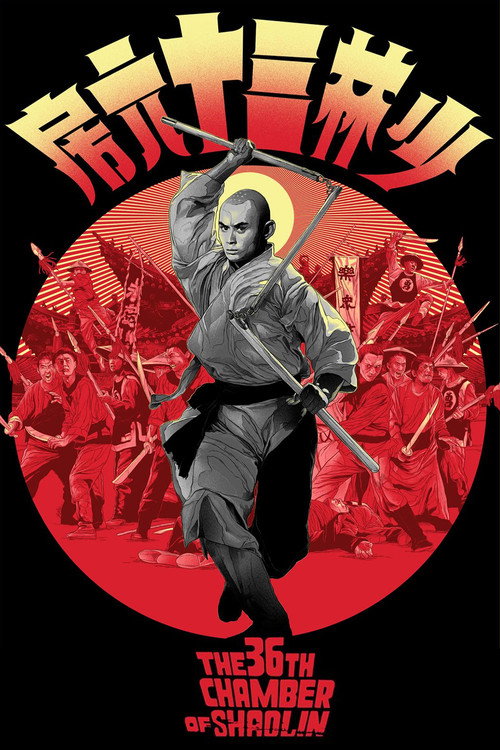
The 36th Chamber of Shaolin1978
Gordon Liu's methodical training and emergence as a martial arts avenger has the same DNA: a nobody rising through skill and discipline, only to be consumed by the world's violence. Perfectly paced and deeply satisfying.
But The training sequences are repetitive by design, which some find meditative and others find genuinely dull. Patience required.
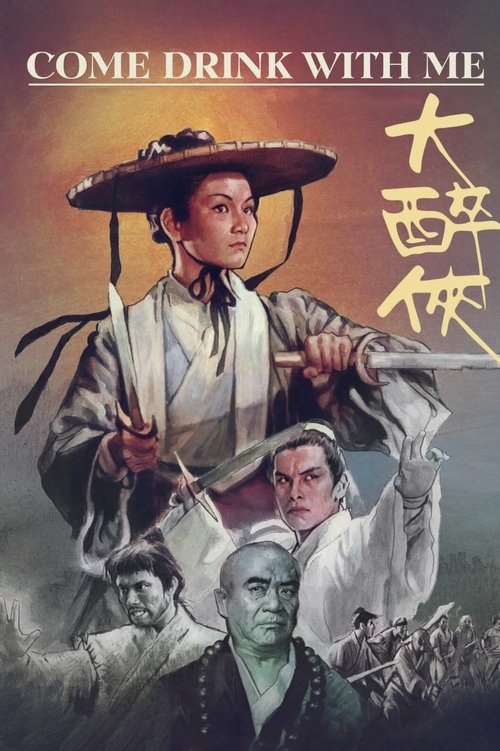
Come Drink with Me1966
King Hu's masterpiece shares the moral seriousness and stunning action: a female fighter navigates honor, corruption and betrayal in ancient China. Every frame is composed like a painting, every fight feels consequential.
But It's from an earlier era of action filmmaking—deliberate, sometimes slow. Not interested in constant movement.
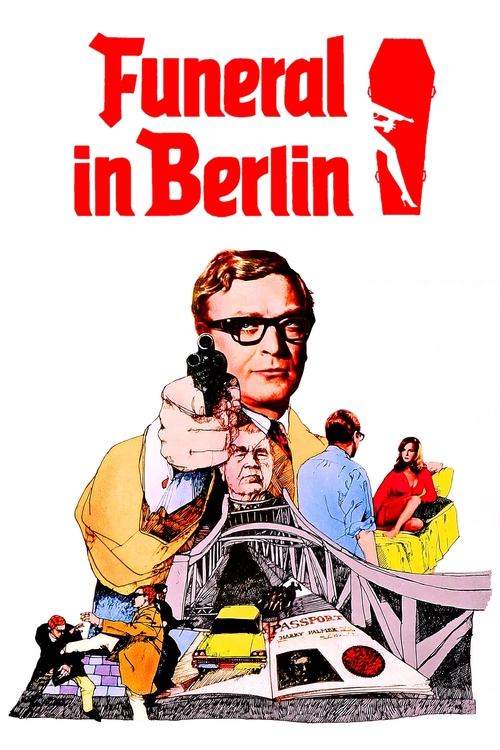
Funeral in Berlin1966
Michael Caine's spy navigating Cold War corruption and double-dealing has the same gritty, unsentimental tone. Unglamorous tradecraft, moral compromise, no heroes. The anti-Bond film that holds up completely.
But It's a 1960s spy thriller, not martial arts. If you're here purely for the fighting, this won't deliver it.
Not sure tonight? Get a pick in a minute, starting from The Boxer from Shantung
The wildcard
Something you would not have found on your own.
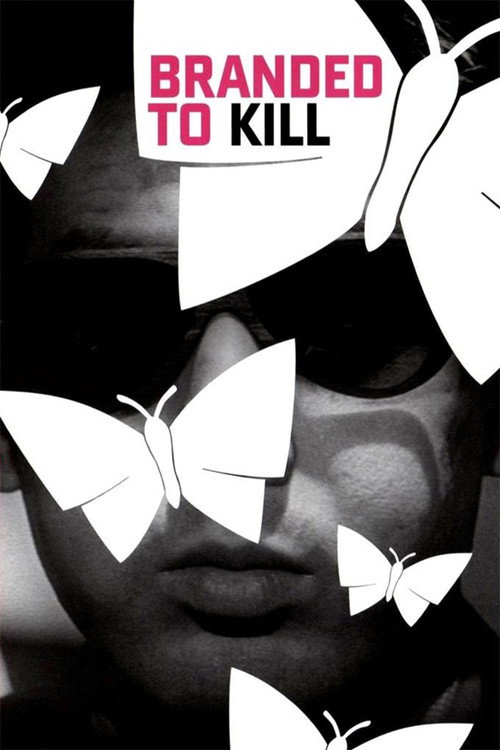
Branded to Kill1967
Both show a skilled man's technique becoming useless in a world run on corruption and favor rather than merit. But where The Boxer is grounded realism, this is hallucinogenic abstraction—same despair, opposite register.
Seijun Suzuki's surreal yakuza masterpiece about an assassin falling from grace. Pure cinema—visually intoxicating, narratively dreamlike, yet pierced through with real desperation. A crime film that became art, not by restraint but by refusal to be bound by convention.
But This is genuinely weird, structurally disorienting, and sometimes incomprehensible. If you want naturalistic storytelling about crime, you will be frustrated.
More like this (8)
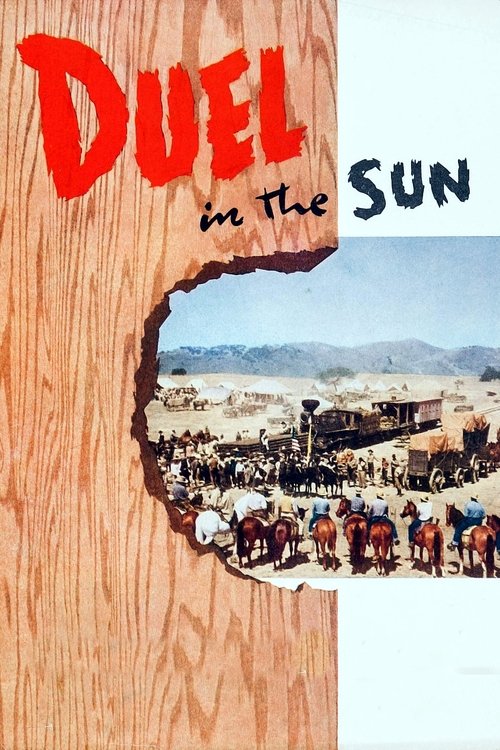
Duel in the Sun1946
A stranger arrives in a corrupt, lawless frontier town and is destroyed by its violence. Jennifer Jones and Gregory Peck in a melodrama with genuine tragedy. The template for 'good person swallowed by bad place' that influenced everything after.
But It's technicolor melodrama, very of its era. Florid and emotional where The Boxer is austere.
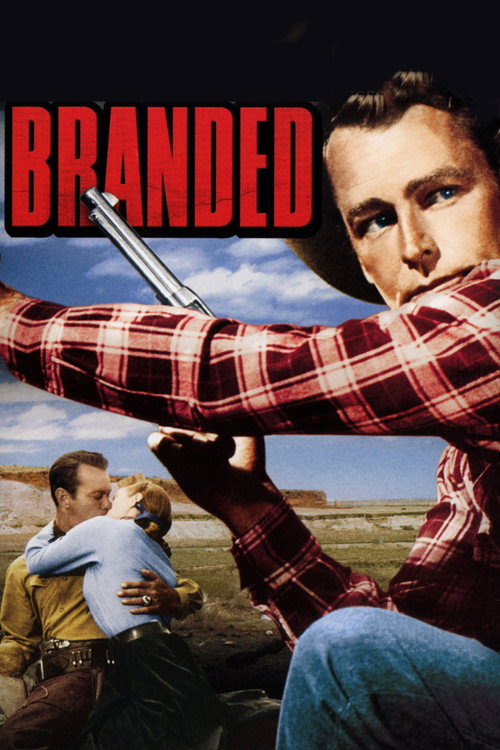
Branded1950
Alan Ladd's outlaw and the film's unflinching look at how a man survives in a morally broken world—by becoming morally broken himself. Western instead of crime film, but the engine is identical.
But 1950s Americana production values don't have the visceral power of Hong Kong action cinema. It's more contemplative than kinetic.
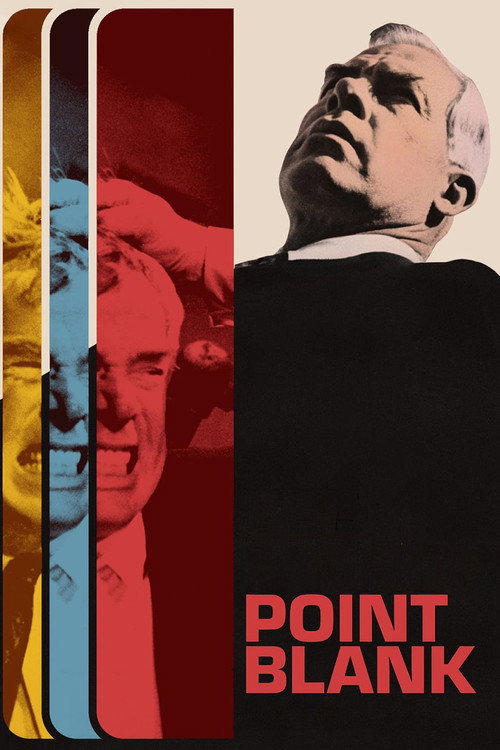
Point Blank1967
Lee Marvin's criminal on a revenge spiral through Los Angeles corruption. John Boorman's direction is audacious and it captures that same sense of a man moving through a system designed to destroy him.
But Experimental and deliberately disorienting in its narrative structure. If you want straightforward storytelling, this resists it.
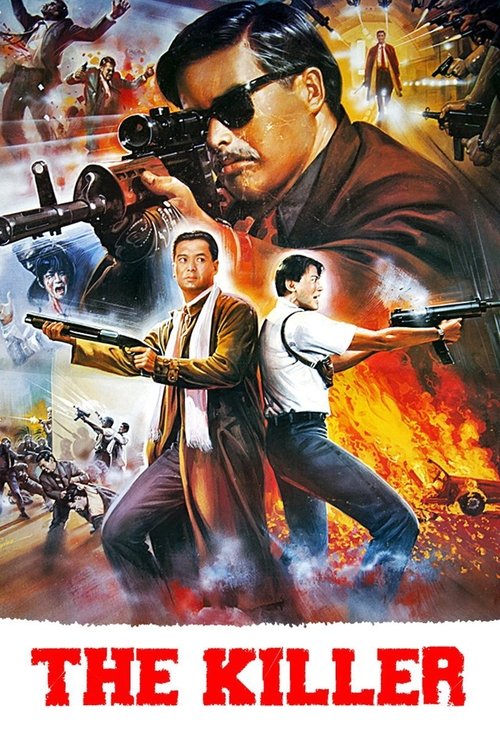
The Killer1989
John Woo's masterpiece about an assassin caught between codes and corruption. Balletic action, genuine emotional devastation. Proof that action cinema can be as profound as any drama about morality and survival.
But It's operatic—highly stylized. If you prefer understatement to visual excess, this will feel overwrought.
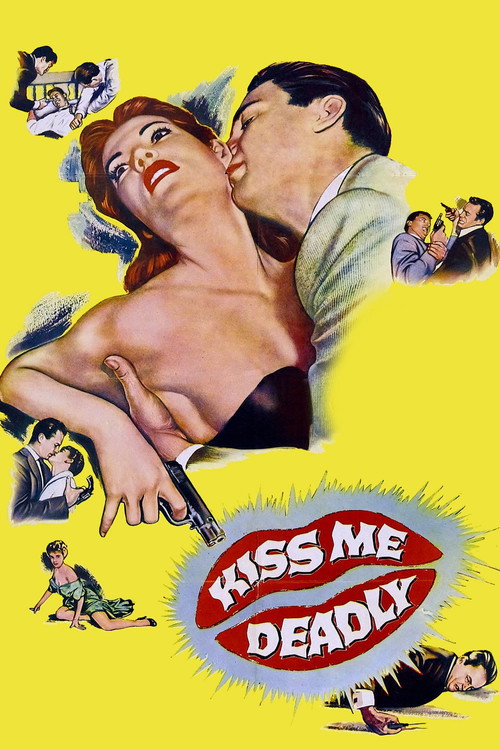
Kiss Me Deadly1955
Aldrich's noir about a private eye dragged deeper into the underworld despite himself. Brutal, unsentimental, contemptuous of its hero. The spiritual ancestor of how modern crime films treat their protagonists.
But It's black-and-white 1950s noir. The pacing is deliberate and the glamour quotient is exactly zero.
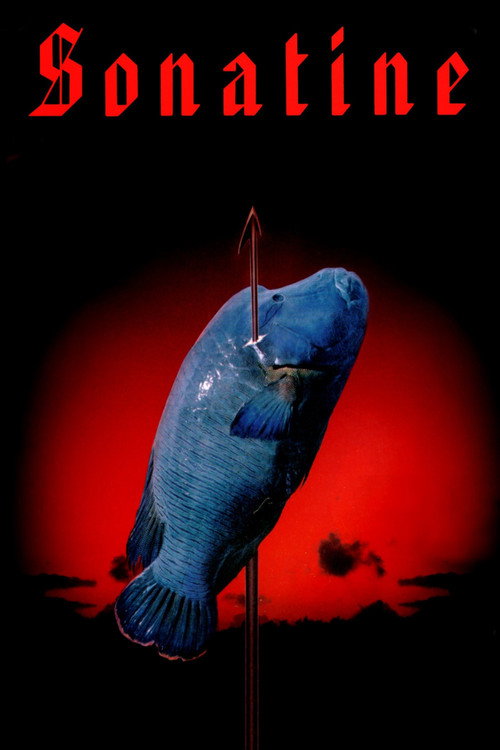
Sonatine1993
Takeshi Kitano's yakuza film about gang war and the spiritual emptiness of violence. Gorgeous, funny, devastating. Proves you can be an artist within the crime genre without sacrificing its power.
But Long stretches of quiet and contemplation between violence. Some find it self-indulgent. The tonal shifts are extreme.
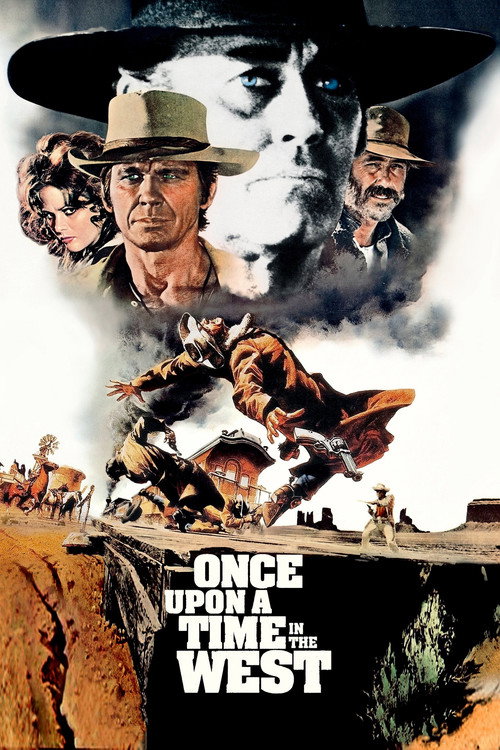
Once Upon a Time in the West1968
Both are about a man with a singular talent in a world that no longer values that talent, where money and organization have replaced individual skill. The Boxer is industrial Shanghai; this is industrial America. The machinery is the real villain.
Sergio Leone's operatic western: a stranger with a specific skill (sharpshooting instead of boxing) arrives in a dying town and is destroyed by economic forces beyond his control. Three hours of compositional perfection and inexorable doom.
But It's almost entirely aesthetic. Plot barely exists. Some find it glacially paced; others find it transcendent. There's no middle ground.
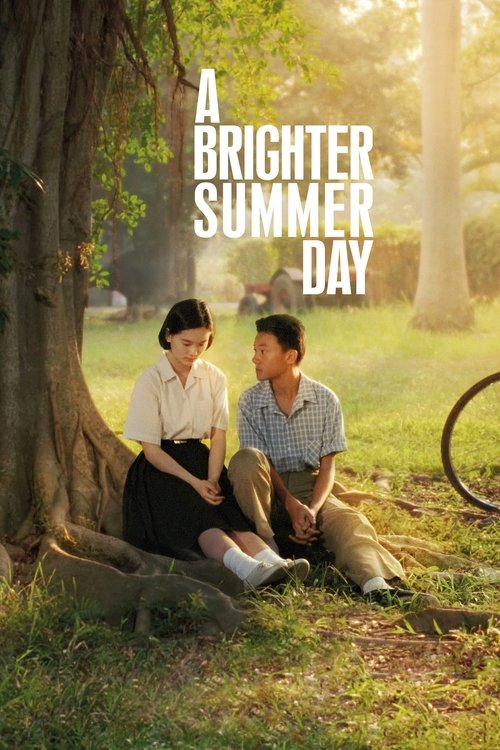
A Brighter Summer Day1991
Both use gang violence not as spectacle but as a symptom of societal rot. A young man trying to survive by the old codes gets crushed by a new world. The Boxer is 1930s Shanghai; this is 1960s Taiwan. Same story, different decades, both heartbreaking.
Edward Yang's four-hour Taiwanese epic about youth gangs, honor, and the corruption of postwar society. Shot in stunning black-and-white, it has the same tragic inevitability: a good person entering a system designed to destroy them.
But It is very long, in Mandarin with subtitles, and deals in slow-burn character work rather than action. Patience and investment required.
People
Cast
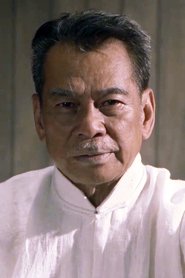 Chen Kuan-taiMa Yung Chen
 Ching LiChin Lin Chi
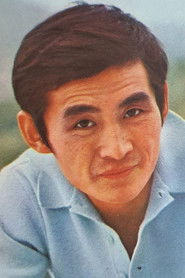 Cheng Kang-YehHsiao Chiang Bei
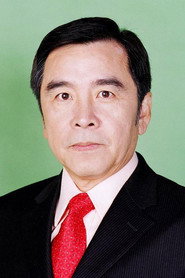 David Chiang Da-weiTan Sze
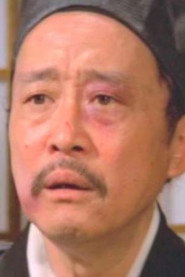 Chiang NanBoss Yang
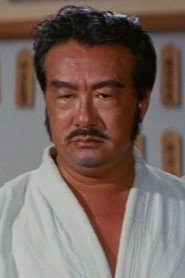 Fung NgaiFang Ah Gen
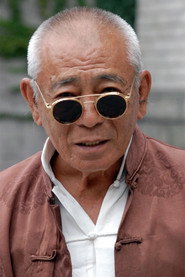 Ku FengChang Chin Fa
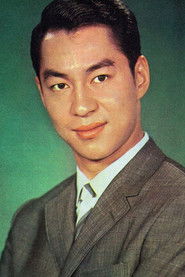 Tin ChingLi Caishun
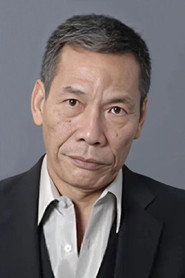 Wong ChingLu Pu
- Mario MilanoRussian Muscleman
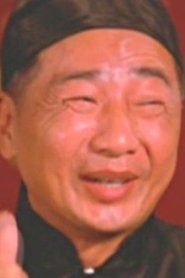 Chan HoChin Lin Chi's Uncle
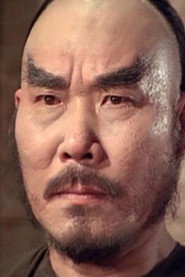 Lee Man-TaiInnkeeper (uncredited)
Directing
- Godfrey HoAssistant Director
- John WooAssistant Director
- Chang ChehDirector
- Pao Hsueh-LiDirector
Writing
- Chang ChehWriter
- Ni KuangWriter
Production
- Runme ShawProducer
Recommended by
The Valiant Ones, Legend of the Fist: The Return of Chen Zhen, The Duel, Heroes Two, Hand of Death