
Film
Funeral in Berlin
Michael Caine returns as spy Harry Palmer in this breezy, wisecracking Cold War thriller set against the Berlin Wall. Less pulp-adventure than intrigue, it trades gadgetry for tradecraft and double-crosses. Caine's deadpan wit anchors a plot designed to keep you guessing who's genuinely defecting and who's running a con. For spy-thriller completionists and anyone who loves a protagonist more amused than awed by espionage.
Should you watch it?
Watch it if you like cold-war spy stories where the fun lies in procedure, wry asides and a hero who treats espionage as a grubby day job rather than a glamorous one.
Skip it if you want relentless action or a fast, glossy pulse; this one takes its time with plotting, bureaucracy and double-dealing conversations, and the thrills arrive in measured doses.
What it asks of you: about a hundred minutes of steady attention, following who is lying to whom; it rewards patience more than it rewards speed, and the mood stays dry rather than frantic.
Not sure? Find tonight's pick in a minute.
If you liked this
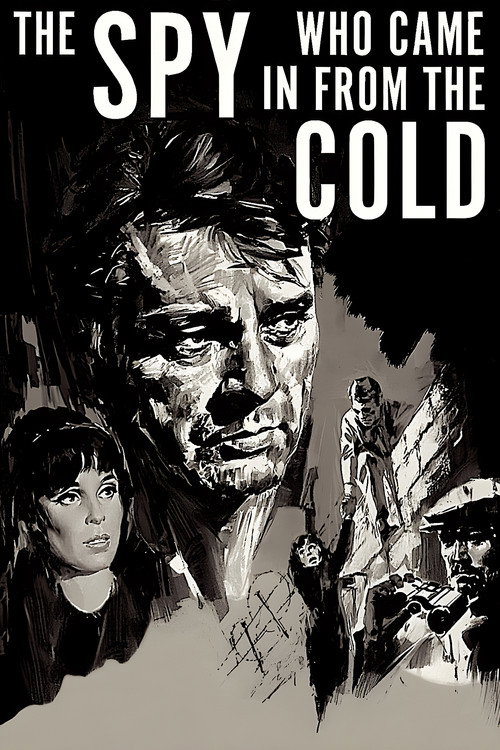
The Spy Who Came In from the Cold1965
John le Carré adaptation starring Richard Burton as a tired spy in a morally grey world. Like Funeral in Berlin, it treats espionage as exhausting bureaucracy and deception, not adventure. Neither film looks away from the cost.
But It's bleaker and slower-paced, with less of Caine's charm carrying you through. The ending won't satisfy anyone wanting clear victory.
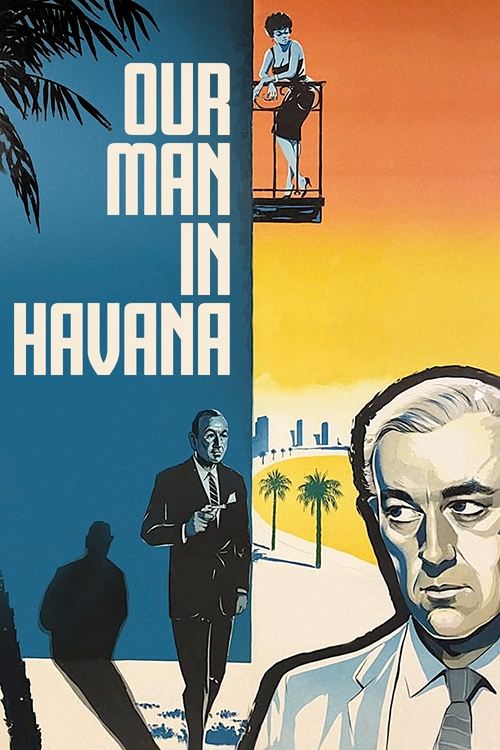
Our Man in Havana1960
Alec Guinness in a Graham Greene spy comedy where a vacuum-cleaner salesman invents intelligence reports. Shares Funeral's sly humour and the running joke that espionage often hinges on people believing obvious lies.
But It's lighter and more whimsical, which some will find a tonal distance from the Berlin Wall stakes. The central fraud premise may feel too farcical if you want real tension.
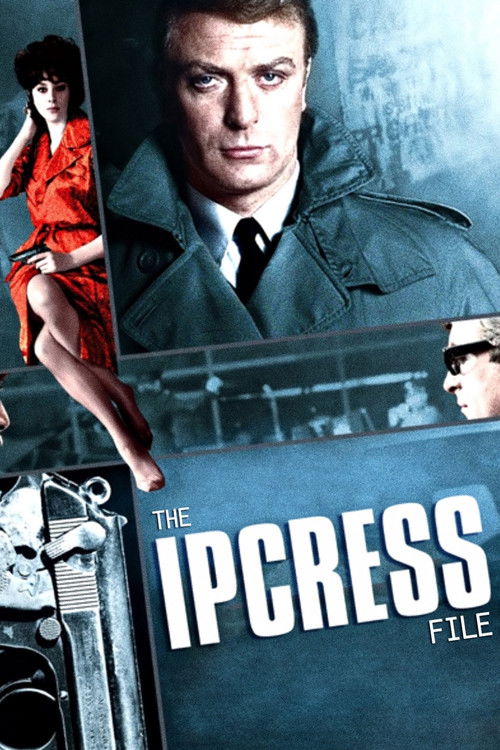
The Ipcress File1965
Caine's first Palmer outing, from which Funeral in Berlin borrows its lead and style. Establishing the character, it has the same sardonic British spy DNA—tradecraft over heroics, wit as armour, the machinery of espionage more interesting than the plot.
But If you're watching in sequence, Funeral works fine as your entry. Revisiting the original might feel redundant after the sequel's refinements.
Not sure tonight? Get a pick in a minute, starting from Funeral in Berlin
The wildcard
Something you would not have found on your own.
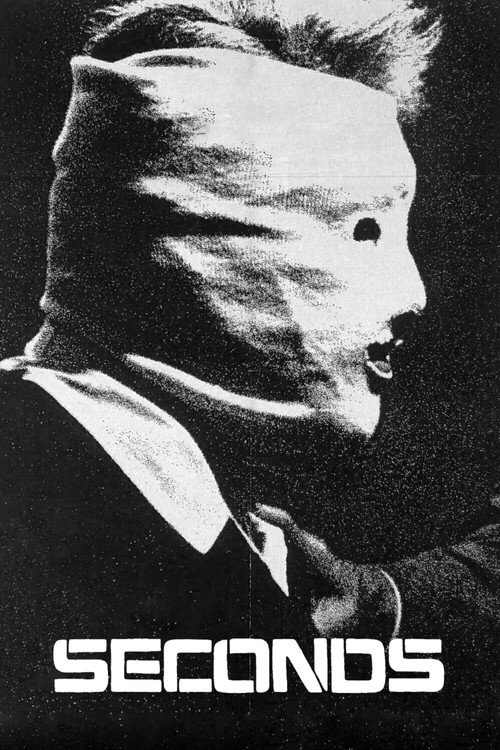
Seconds1966
Both explore the Cold War anxiety that identity itself is a weapon. In Funeral you're unsure who's lying; in Seconds, the protagonist isn't sure he exists at all.
John Frankenheimer's nightmare about a man given a new face and identity by a secret organization. Shares Funeral's core horror: the self becomes negotiable, the spy cannot know who he is. Shot in black-and-white with genuine dread.
But It's a sci-fi thriller, not a spy story, and far more disturbing. The tone is existential despair, not wry amusement. Some find it too bleak to revisit.
More like this (8)
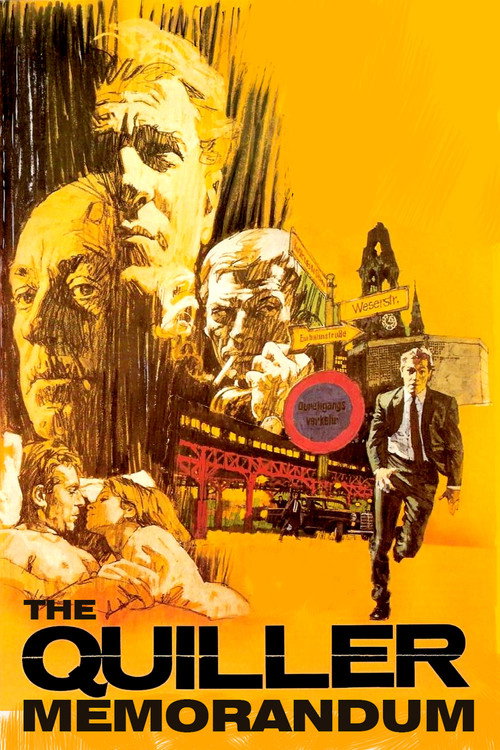
The Quiller Memorandum1966
George Segal as an American spy in Cold War Berlin, same year, same city. Slower-burn thriller about being hunted by a shadowy organization. Both films capture the paranoia and uncertainty of divided Berlin brilliantly.
But It's more paranoid and genuinely unsettling, less fun. Segal's character doesn't have Caine's wit to deflect the dread.
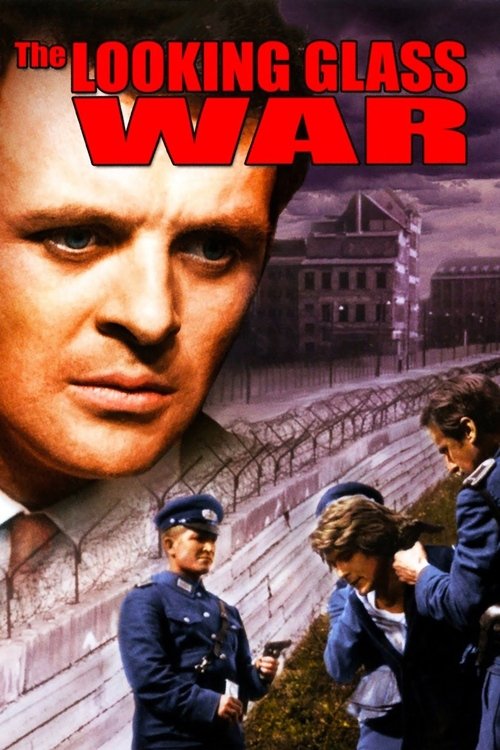
The Looking Glass War1970
Another le Carré adaptation with Christopher Jones as a spy in Eastern Europe during the Cold War. Shares Funeral's interest in botched operations, competing agendas, and the gap between what spies are told and what's actually true.
But It's denser, more downbeat, and the pacing drags in places. Not as immediately entertaining as Caine's zip.
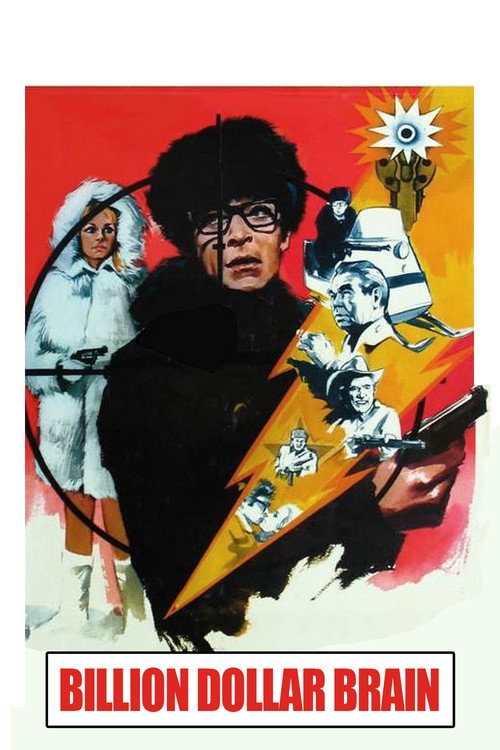
Billion Dollar Brain1967
Caine's third Palmer film, set during the Cold War. By this point the series was experimenting with bigger budgets and weirder plots, but retains the character's essential dry intelligence and the cat-and-mouse game with Soviet operators.
But It veers toward action spectacle in a way earlier Palmers avoid. Some find it the least satisfying of the trilogy.
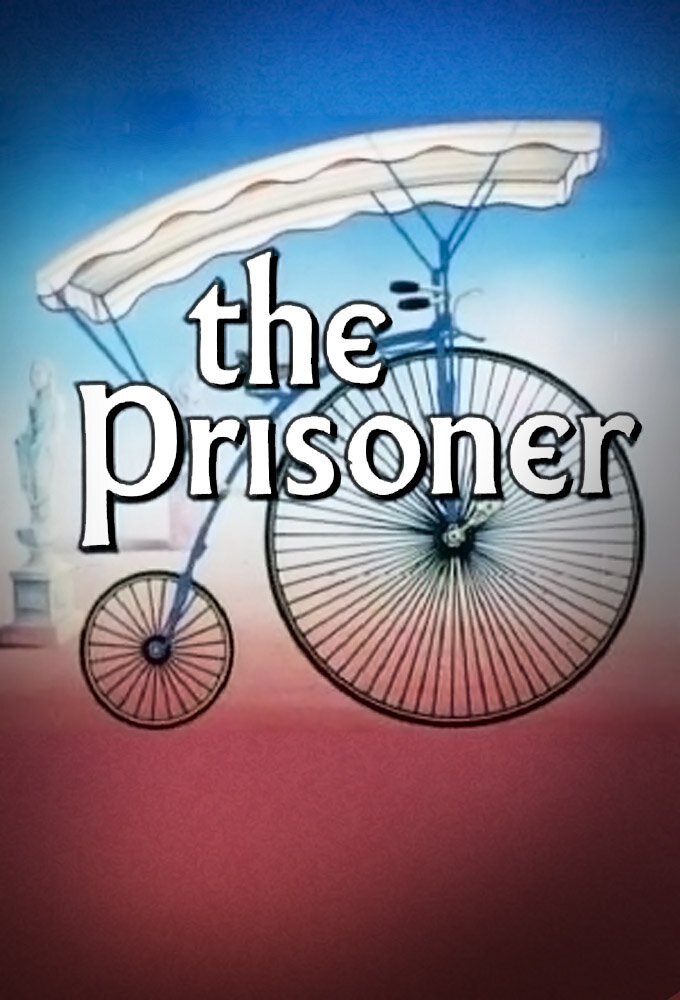
The Prisoner1967
Patrick McGoohan's surreal TV series about a man imprisoned in a mysterious village. Like Funeral, it's obsessed with identity, loyalty, and who's really in control. Both leave you uncertain if anyone can be trusted—or if trust matters.
But It's abstract and deliberately disorienting in ways a spy thriller isn't. Some viewers find it pretentious or frustratingly opaque.
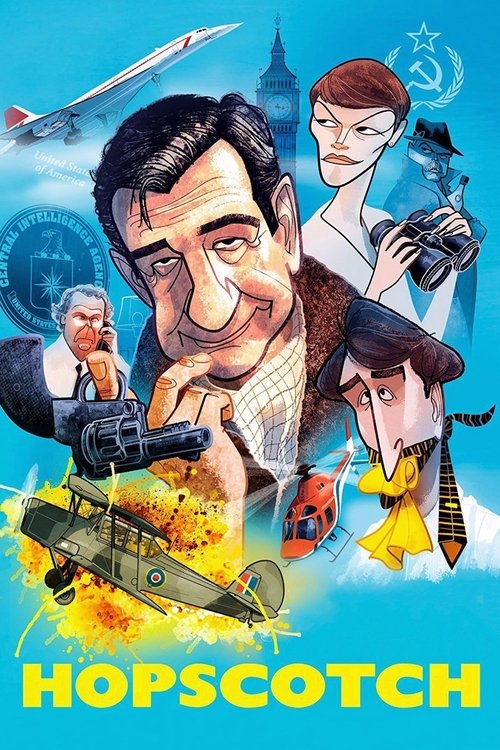
Hopscotch1980
Walter Matthau as a retired spy outwitting his former employers. Tone-deaf to the Cold War's actual stakes, it's a lark—but it captures that same mix of tradecraft details and wry amusement at the machinery of espionage.
But It's fundamentally lightweight, almost a comedy. If you want geopolitical weight or genuine danger, this skates past it.
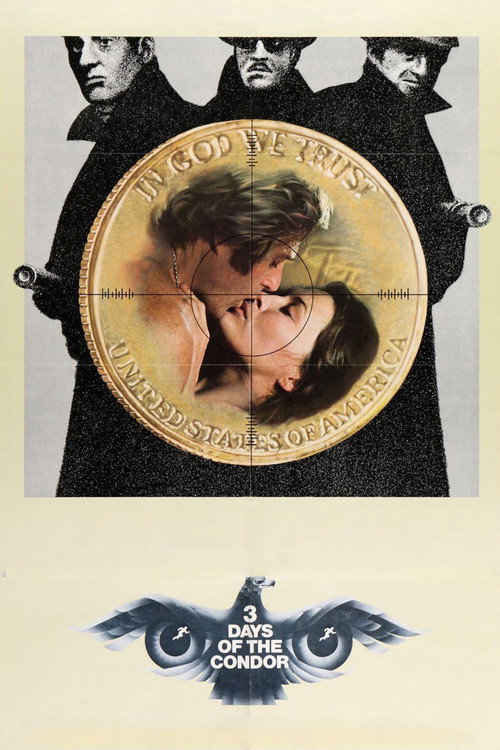
Three Days of the Condor1975
Robert Redford as an analyst pulled into a conspiracy he doesn't understand. CIA paranoia thriller with clean suspense and the seventies' healthy skepticism of institutions. A solid, smart spy narrative.
But It's American-centric and more earnest. Lacks the British dry wit and the Cold War's specific Berlin atmosphere.
The Lives of Others2006
Same city, same wall, same question: who's watching whom, and what does loyalty mean when the state is the spy?
East German surveillance state, a Stasi officer watching a playwright. It's a completely different register—intimate, tragic, morally searching—but it understands Funeral's obsession: in a divided Berlin, everyone is always performing for unseen watchers.
But It's a serious drama about complicity and conscience, not a thriller. You're watching someone's moral reckoning, not a plot unfold. Much slower and more introspective.

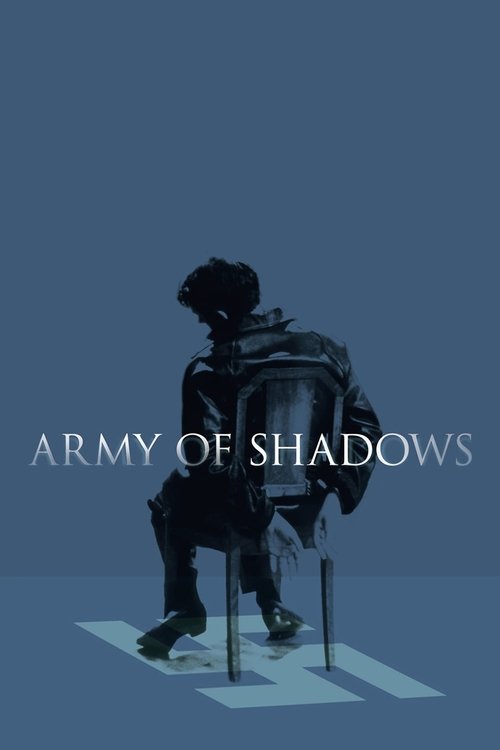
Army of Shadows1969
Both films understand that espionage is organizational: the real enemy isn't the other side, it's the machinery you serve, which may use you up and discard you.
Melville's Occupied France resistance thriller: paranoia, betrayal, bureaucratic espionage. Black-and-white Cold War-era sensibility without the Cold War setting. Treats spies as exhausted functionaries doing necessary, corrosive work.
But It's French, subtitled, and methodical to the point of formal severity. No wit, no charm. Bleak in a way that requires patience and distance.
People
Cast
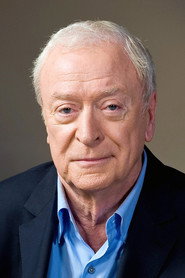 Michael CaineHarry Palmer
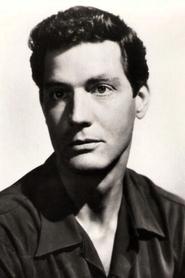 Paul HubschmidJohnnie Vulkan
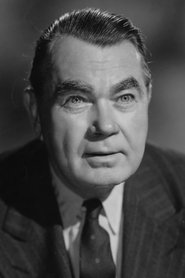 Oskar HomolkaColonel Stok
 Eva RenziSamantha Steel
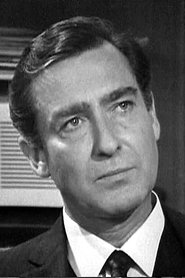 Guy DolemanRoss
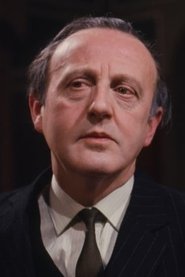 Hugh BurdenHallam
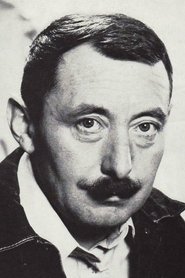 Heinz SchubertAaron Levine
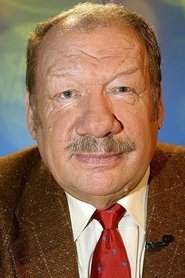 Wolfgang VölzWerner
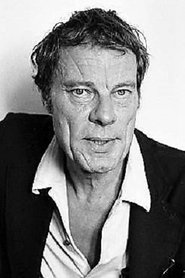 Thomas HoltzmannReinhardt
 Günter MeisnerKreutzman
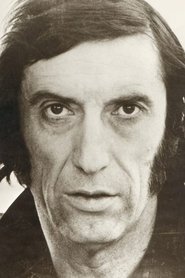 Herbert FuxArtur
 Rainer BrandtBenjamin
Directing
- David BracknellAssistant Director
- Eileen HeadContinuity
- Guy HamiltonDirector
- Michael StevensonSecond Assistant Director
- Peter MedakSecond Unit Director
Writing
- Len DeightonNovel
- Evan JonesScreenplay
Production
- Harry SaltzmanExecutive Producer
- Frank ErnstLocation Manager
- Charles D. KasherProducer
- Karl H. ElsnerProduction Manager
- Clifford ParkesProduction Supervisor
Recommended by
The Ipcress File, Callan, The Hound of the Baskervilles, The Eiger Sanction, The List of Adrian Messenger, Rogue Male, The Phantom of the Opera, The Quiller Memorandum, The Looking Glass War, Billion Dollar Brain, Telefon, Madame Sin, The Million Eyes of Sumuru, Staircase, The Boxer from Shantung, Innocent Bystanders, The Spy in the Green Hat, The Kremlin Letter, Nobody Runs Forever