
Film
The Looking Glass War
A Cold War spy thriller about a Polish defector reluctantly drawn into a dangerous mission behind the Iron Curtain. Made in 1970 with a lean, tense atmosphere, it's le Carré adapted as functional espionage rather than literary intrigue—all operational detail and moral ambiguity, minimal glamour. For those who want their spy stories unglamorous and their endings uncertain.
Should you watch it?
Watch it if you like le Carré-style espionage, where moral doubt and bureaucratic wrangling matter more than gunfire, and you enjoy a cast of old British character actors trading cold, precise lines.
Skip it if you want the action the genre tag promises; it is rare, the pace is deliberately dry, and long stretches unfold as talk in offices and on wet streets.
What it asks of you: Roughly 108 minutes of patient, grey, unhurried storytelling, where who is lying to whom matters more than any single scene.
Not sure? Find tonight's pick in a minute.
If you liked this
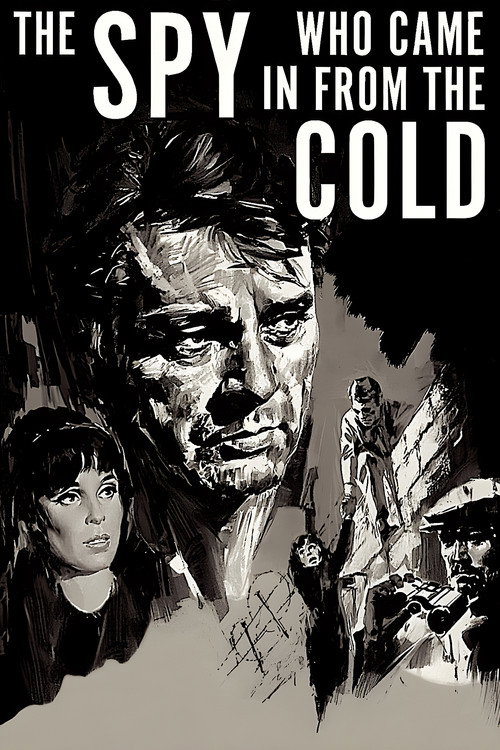
The Spy Who Came In from the Cold1965
le Carré's other adaptation, equally bleak and grounded. A burned-out agent sent on one last mission discovers his handlers' true intentions. Sparse, intelligent, and deeply fatalistic about the Cold War's human cost.
But Deliberately slow and cerebral; there's no action set piece to propel you forward, just paranoia and bureaucratic cruelty accumulating.
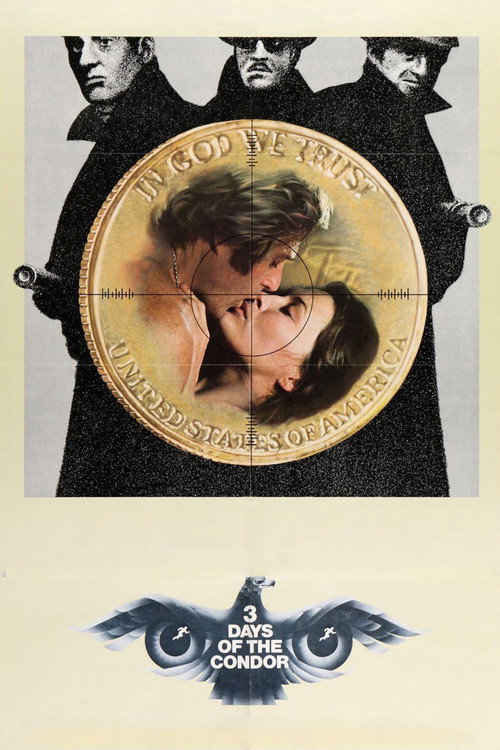
Three Days of the Condor1975
Robert Redford as an analyst swept into real espionage after stumbling onto classified information. Taut 1970s paranoia, excellent pacing, and a moral reckoning at its core about complicity and complicity.
But The ending is quietly ambiguous in a way that can feel unsatisfying if you want clarity or catharsis.
The Lives of Others2006
A Stasi surveillance officer monitoring a playwright becomes morally compromised by what he hears. Masterfully tense, gorgeously shot, and it earns every emotional beat through patient observation rather than spectacle.
But It's in German with subtitles, and long stretches are quiet and interior—nothing happens, but everything matters.

Not sure tonight? Get a pick in a minute, starting from The Looking Glass War
The wildcard
Something you would not have found on your own.
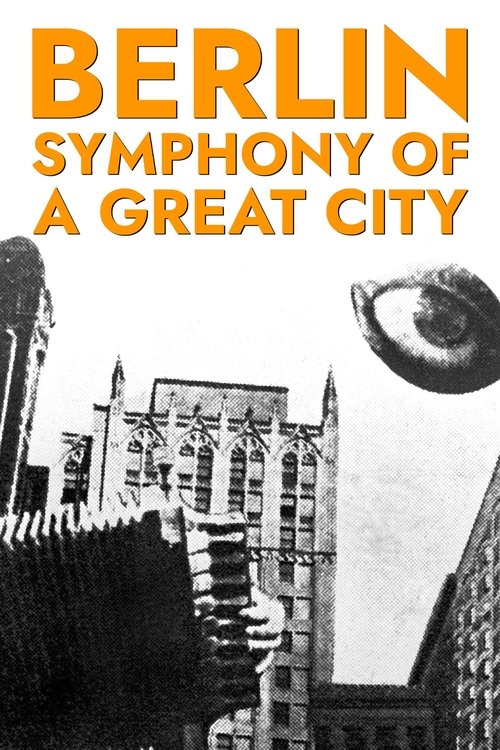
Berlin: Symphony of a Great City1927
Both films are obsessed with Berlin as a character—divided, paranoid, a place where ideology corrupts everything. The Looking Glass War understands Berlin through le Carré's Cold War lens; this film understands it through the city's own consciousness.
A documentary-style silent film that captures Weimar Berlin as a living, pulsing character—the streets, the people, the tension beneath daily life. It's the Berlin of espionage films, before the ideology, just the geography and the souls moving through it.
But Silent and experimental; no plot, no dialogue, just observation. Some find it slow or abstract; others find it the most revealing film ever made about that city.
More like this (8)
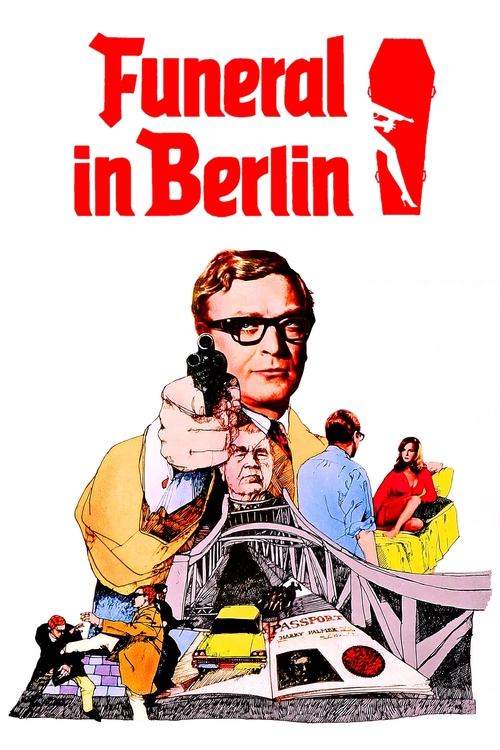
Funeral in Berlin1966
Michael Caine as Harry Palmer, le Carré's anti-hero, arranging a Soviet colonel's defection in divided Berlin. Stylish without being flashy, funny without undercutting the stakes, and genuinely clever about tradecraft.
But Starts slowly and requires patience with 1960s pacing; some viewers find Caine's slouch too cool for their taste.
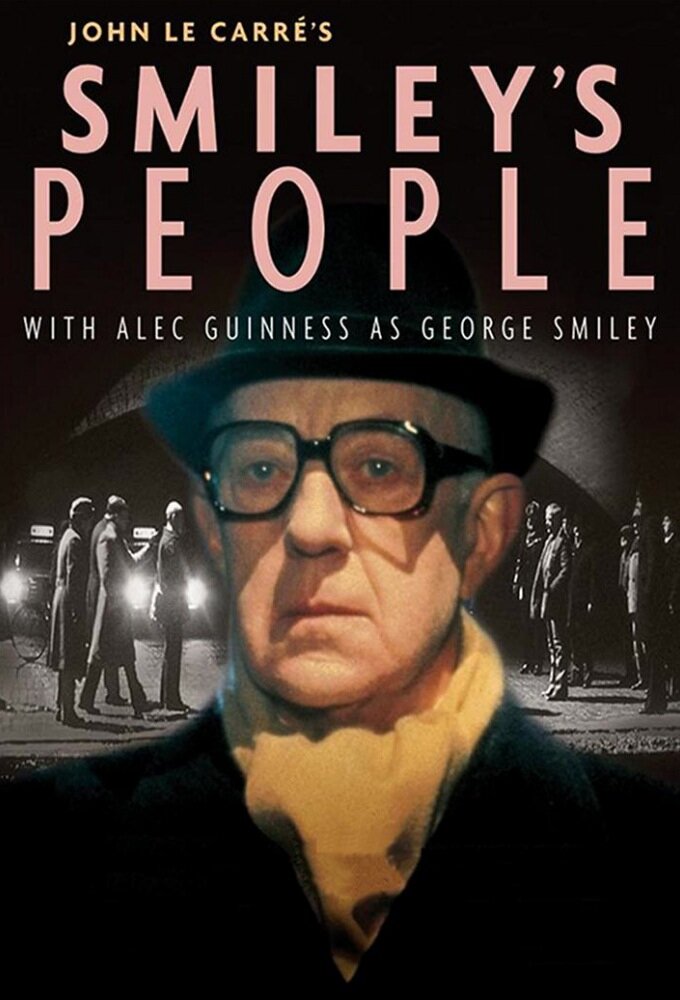
Smiley's People1982
Alec Guinness in le Carré's final Smiley miniseries: patient, methodical, devastating. A retired spymaster drawn back in to pursue his nemesis. Television at its most intelligent and its most human.
But Made for TV in the early '80s, so production values feel intimate rather than cinematic, and it moves at a glacial pace.
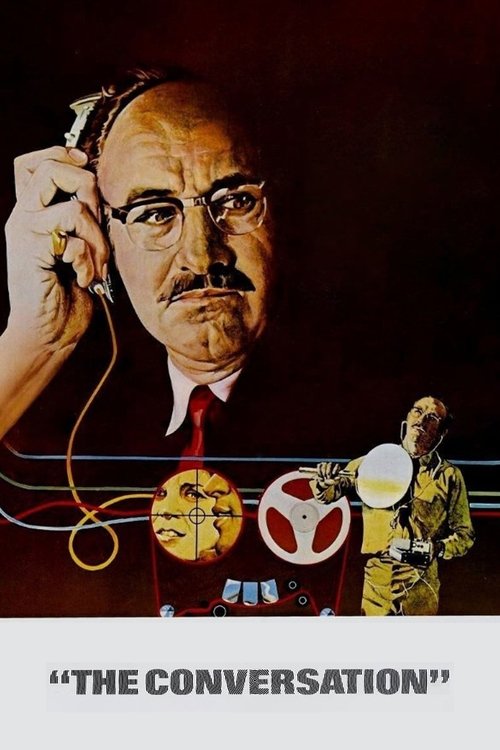
The Conversation1974
Coppola's masterpiece about surveillance and moral responsibility. Gene Hackman as a paranoid surveillance expert who records something he shouldn't. Dread builds methodically to a shattering conclusion.
But It's not a thriller in the action sense—it's a psychological study that can feel claustrophobic and bleak.
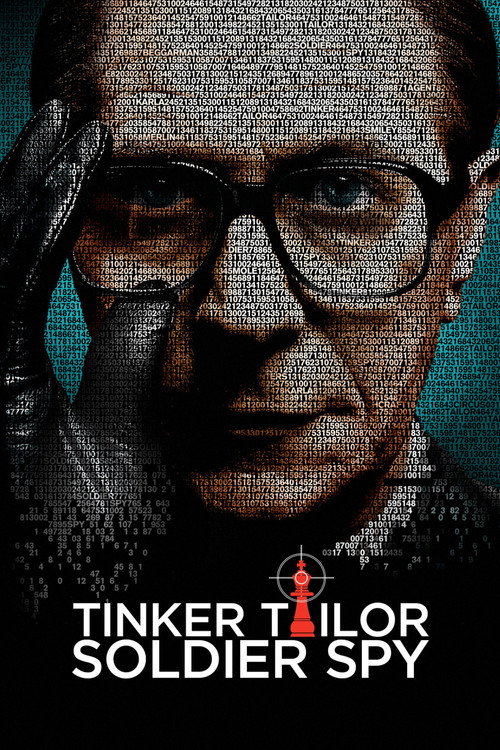
Tinker Tailor Soldier Spy2011
le Carré again, with Gary Oldman as George Smiley hunting a Soviet mole in MI6. Gorgeous, glacial, every frame composed like a painting. Demands attention but rewards it completely.
But Deliberately obscure narrative and minimal exposition; if you're not following closely, you'll be lost and frustrated.
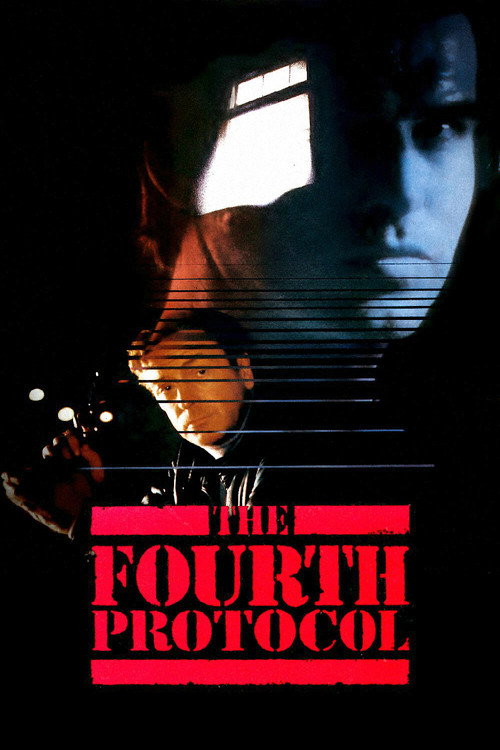
The Fourth Protocol1987
Michael Caine and Ian Richardson in a Cold War cat-and-mouse game with real stakes. Taut, intelligent, perfectly calibrated thriller that trusts its audience to keep up with the plot.
But The second half leans into conventional thriller beats after the setup, which some find less interesting than the espionage puzzle.
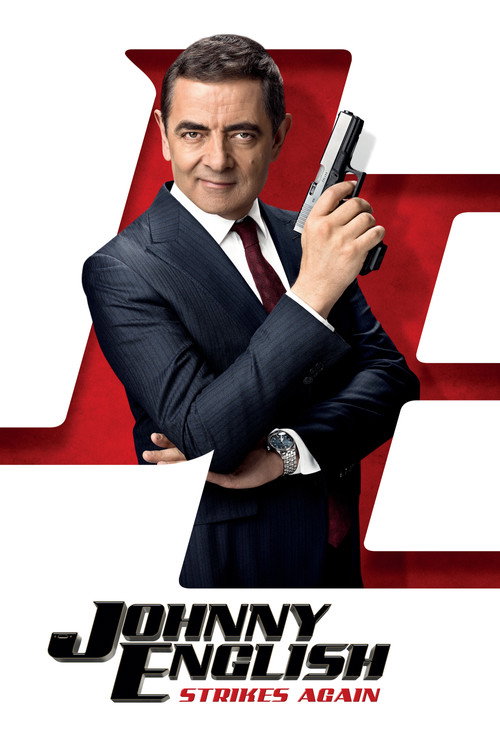
Johnny English Strikes Again2018
A retired British intelligence agent must stop a cyber-threat. It's lighter fare, but genuinely funny and surprisingly clever about outdated spy tradecraft in the modern age.
But It's a comedy; if you want the moral weight and Cold War atmosphere of these other films, this is a tonal holiday.
Stalker1979
Both grapple with Cold War ideology, but Stalker approaches it spiritually rather than operationally. Where The Looking Glass War is about the bureaucratic machinery of espionage, Stalker asks what any of it is for—what we're really pursuing beneath the state's missions.
Andrei Tarkovsky's philosophical masterpiece about three men on a pilgrimage through a mysterious zone to reach a room that grants wishes. Shot in Soviet Union, it's a meditation on desire, faith, and the cost of wanting. Hypnotic and profound.
But 163 minutes of deliberate, meditative pacing; if you expect narrative momentum or entertainment in the traditional sense, you will be baffled and frustrated.

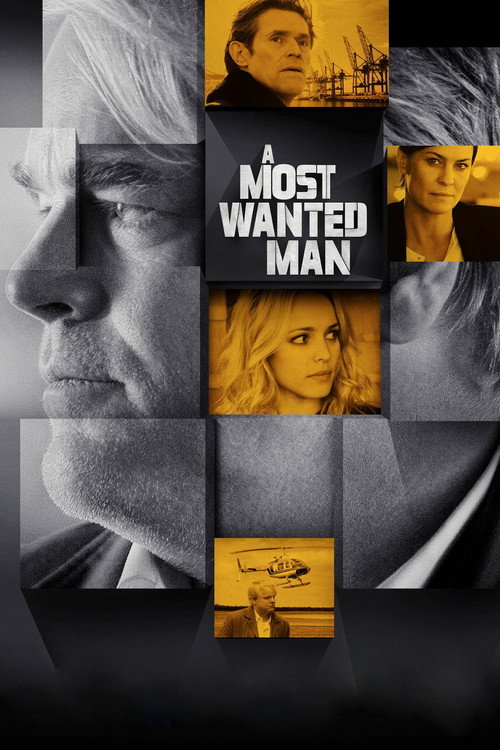
A Most Wanted Man2014
le Carré again, yes, but thematically it's the spiritual successor to The Looking Glass War—both about the machinery of intelligence services chewing up ordinary people for abstract geopolitical goals, and both skeptical that anyone actually knows what they're doing.
Philip Seymour Hoffman's final film, playing a German intelligence chief investigating a mysterious Chechen refugee in Hamburg. Quiet, morally complex, built on dialogue and observation rather than action. It's le Carré adapted for the post-9/11 world.
But Released shortly after Hoffman's death and largely ignored; feels minor compared to his other work. Also moves slowly and ends ambiguously in ways that can feel anticlimactic.
People
Cast
 Christopher JonesLeiser
 Pia DegermarkThe Girl
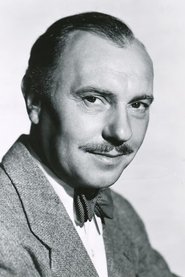 Ralph RichardsonLeClerc
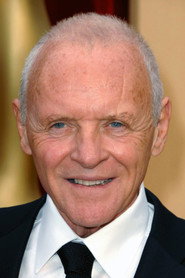 Anthony HopkinsJohn Avery
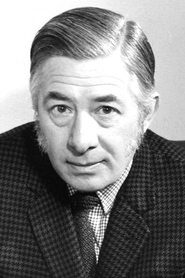 Paul RogersHaldane
 Susan GeorgeSusan
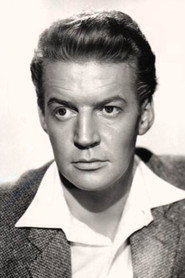 Ray McAnallyUndersecretary of State
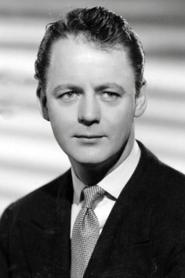 Robert UrquhartJohnson
 Vivian PicklesMrs. King
 Anna MasseyAvery's Wife
 Maxine AudleyMrs LeClerc
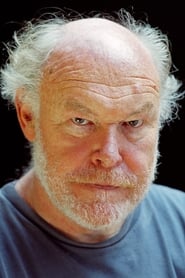 Timothy WestTaylor
Directing
- Frank PiersonDirector
Writing
- John le CarréNovel
- Frank PiersonWriter
Production
- William KirbyAssociate Producer
- Robert LennardCasting
- M.J. FrankovichExecutive Producer
- John BoxProducer
Recommended by
Funeral in Berlin, A Perfect Spy, For Your Eyes Only, The Assignment, The Kremlin Letter