
Television series
Smiley's People
George Smiley is pulled back into the Cold War to investigate a dead agent, chasing a thread that leads toward Karla, the Soviet spymaster who has haunted him for years. A methodical, cerebral thriller that finds beauty in exhausted men in grey rooms. For those who think espionage is about patience, tradecraft, and the slow accumulation of small truths rather than gunfire.
Should you watch it?
Watch it if you love slow, patient spy stories where the pleasure lies in clipped dialogue, wary glances and a methodical man piecing a puzzle together from scraps of paper and old loyalties.
Skip it if you want brisk action or a story that moves quickly; this is talky, deliberate and often melancholy, with long stretches of quiet rooms and careful interviews.
What it asks of you: Six hour-long episodes that ask you to keep track of names, motives and half-said remarks; it rewards attention and never hurries to explain itself.
Not sure? Find tonight's pick in a minute.
If you liked this
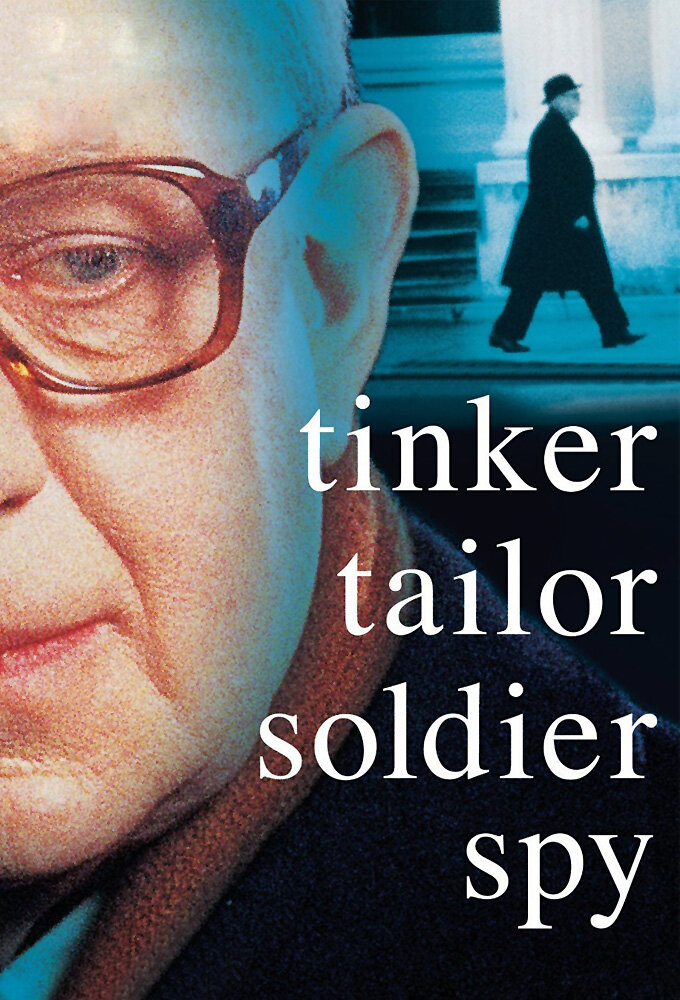
Tinker Tailor Soldier Spy1979
The first part of this story, equally magnificent. Alec Guinness at the height of his powers, unravelling a Soviet mole buried deep in British Intelligence. Essential viewing to understand Smiley's People fully.
But It moves like cold syrup and trusts you to keep up. If you need plot momentum and clear exposition, this will feel like watching paint dry in a locked room.
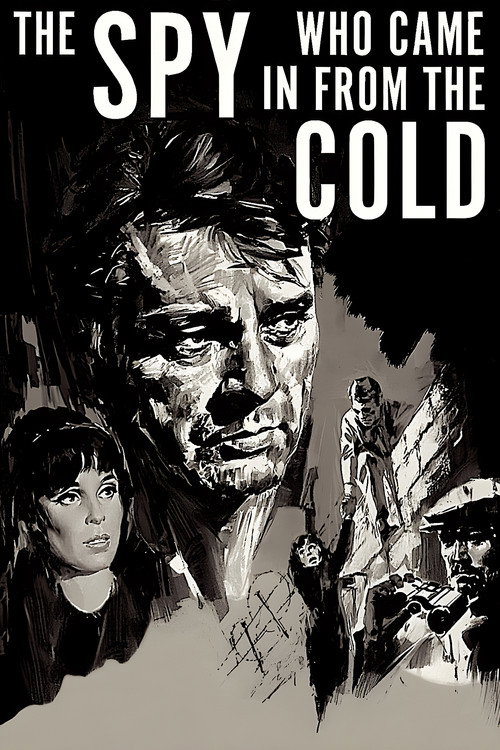
The Spy Who Came In from the Cold1965
Le Carré's first novel, adapted with brutal authenticity. The original template for realistic Cold War fiction—unglamorous, morally murky, devastating. Shows you where the whole tradition started.
But The lead character is a passive victim watching his life be used and discarded. There's no heroism here, just machinery grinding people into dust, and that bleakness is relentless.
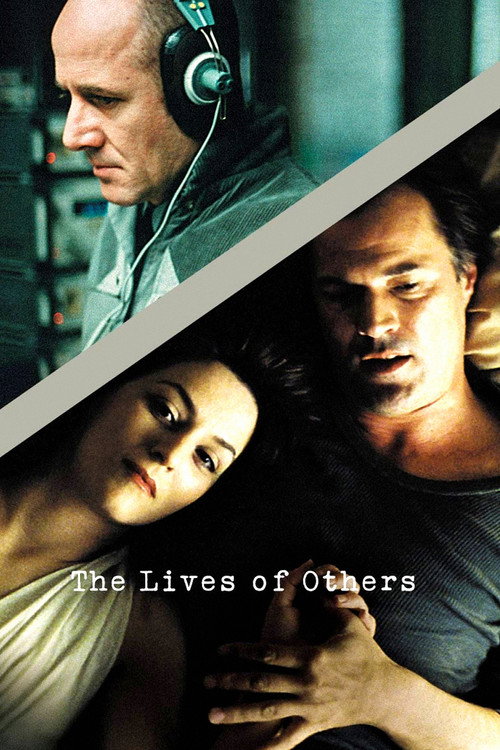
The Lives of Others2006
A Stasi surveillance officer monitoring a playwright in 1980s East Berlin. Shares Smiley's slow-burn tension, its fascination with how power operates through paperwork and observation, the moral cost of watching.
But It's almost meditative to the point of stasis. The payoff is quiet and internal. If you watch for plot twists and dramatic confrontations, you'll spend two hours waiting for something that never arrives.
Not sure tonight? Get a pick in a minute, starting from Smiley's People
The wildcard
Something you would not have found on your own.
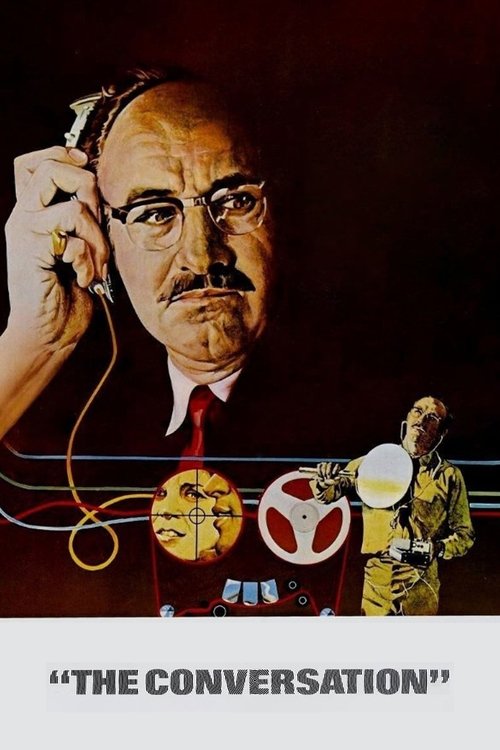
The Conversation1974
Both are about men who see too much and understand too little, who become isolated by knowledge. Smiley's People is the Cold War thriller; The Conversation is the American paranoia film that shares its soul.
Gene Hackman as a surveillance expert who records a conversation, then unravels trying to understand what he's heard and what it means. Not espionage, but about the paranoia and moral isolation of watching—the engine that drives Smiley's entire existence.
But It's deliberately obscure and fractured. You're not given a clear plot to follow; you're dropped into confusion and left there. If you need clarity, this will frustrate you.
More like this (6)
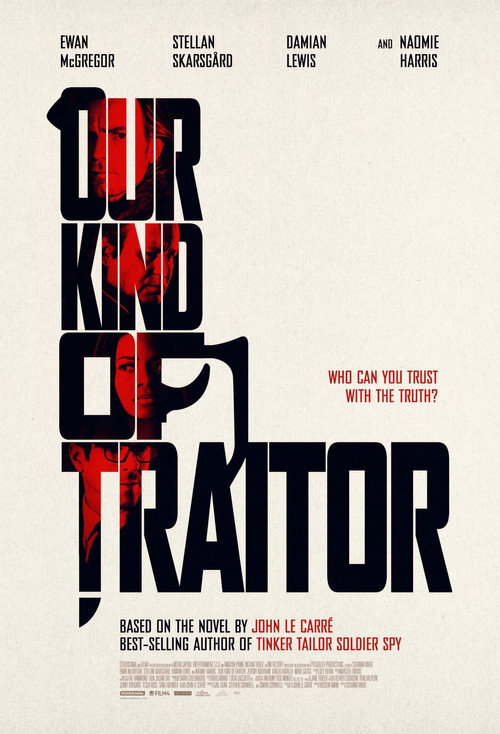
Our Kind of Traitor2016
A more recent Le Carré adaptation with the same DNA—ordinary people entangled in espionage, intelligence services playing their own games, the real enemy sometimes at home. Ewan McGregor and Damian Lewis are excellent.
But It lacks the claustrophobic intensity of the BBC adaptations. The plot sprawls across Switzerland and London and feels a bit more conventional, less like watching a master craftsman at work.
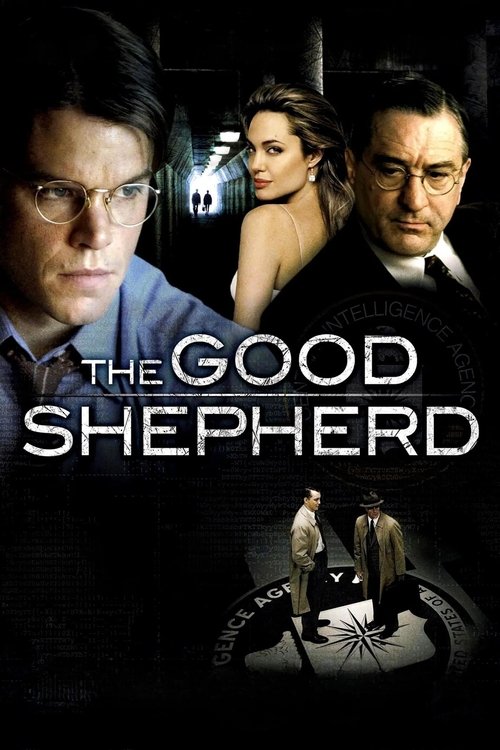
The Good Shepherd2006
Robert De Niro's obsessive CIA man, building the Agency from rubble while his own life crumbles. A parallel universe Smiley—American, spanning decades, equally focused on duty consuming everything else.
But At nearly three hours, it's exhausting and occasionally loses itself. De Niro's monotone performance is intentional but can feel like watching someone file paperwork for half the film.
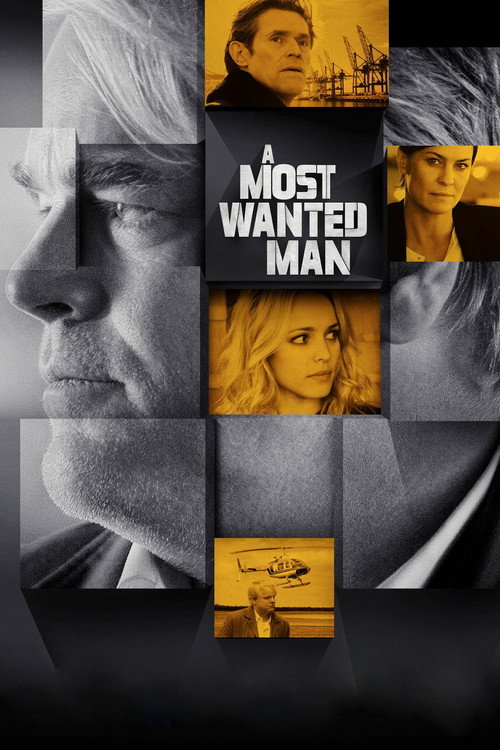
A Most Wanted Man2014
Le Carré adapted again, with Gary Oldman as a Hamburg intelligence chief navigating post-9/11 moral quicksand. Contemporary but carrying all the paranoia and compromised idealism of the Cold War stories.
But It never quite catches fire. The plot is convoluted, the pacing meanders, and it ends on a question rather than a resolution, which may feel unsatisfying depending on your mood.
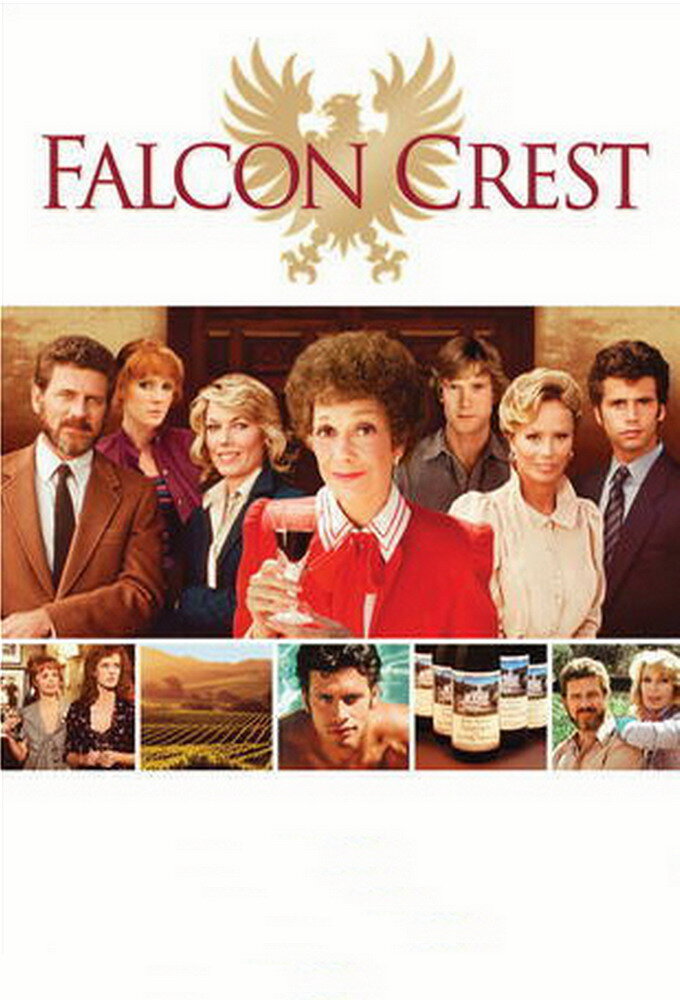
Falcon Crest1981
A completely different thing: glossy American soap about a California wine dynasty. But it aired the same era, offers the pure pleasure of watching very elegant people scheme against each other in beautiful rooms.
But It's soap opera melodrama. If you value subtlety and restraint, this is the opposite—everything is operatic, everyone beautiful, consequences minimal. Pure escapism rather than gritty realism.
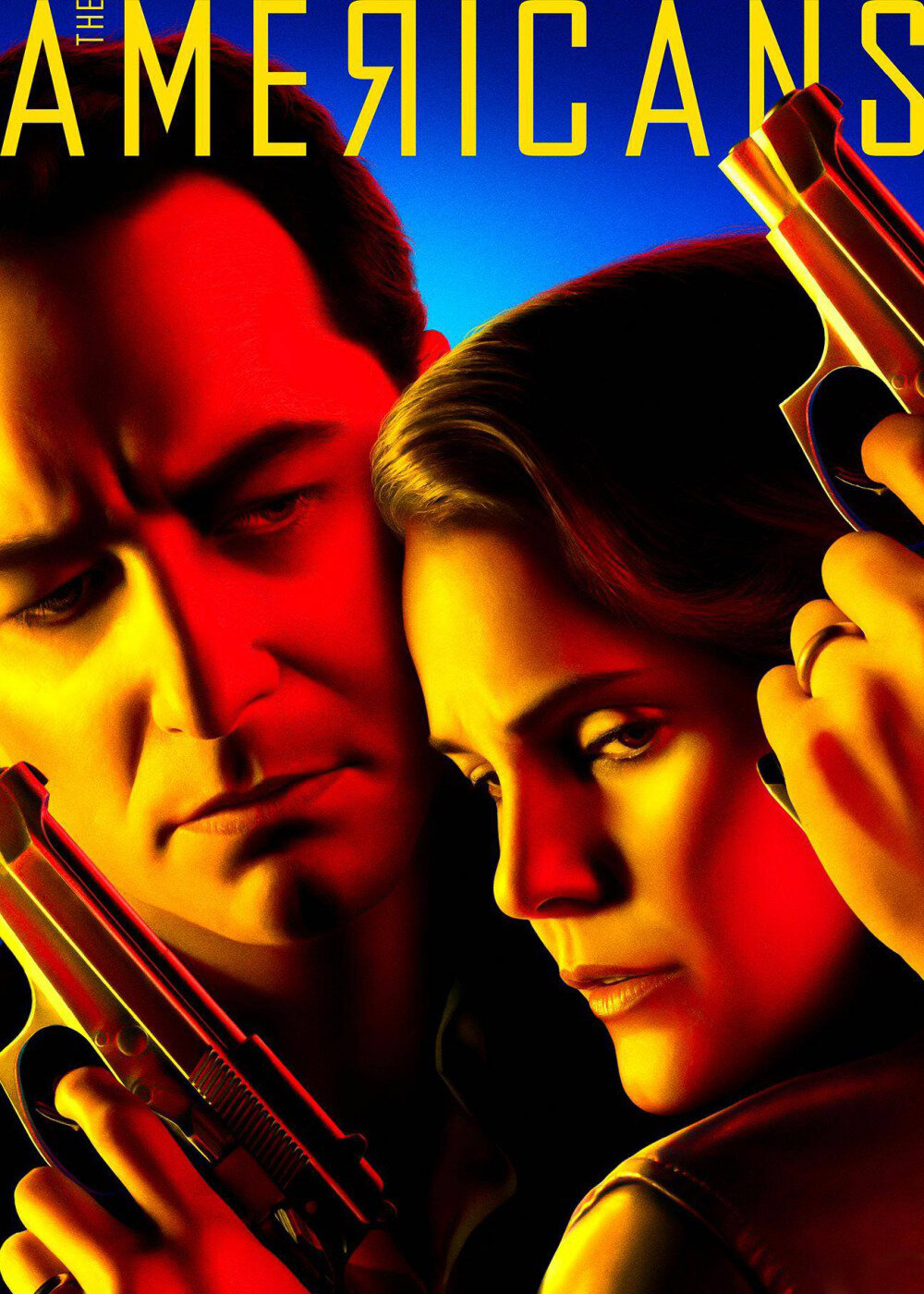
The Americans2013
Two KGB officers posing as Americans in 1980s Washington, living double lives that slowly poison everything they touch. Modern television that understands Le Carré's world—paranoia, moral rot, the personal cost of secrets.
But It's relentlessly dark and becomes genuinely upsetting. Characters you care about make catastrophic mistakes. By season four, the bleakness is so thorough that watching it feels like an obligation rather than pleasure.
Stalker1979
Both are Soviet stories (Tarkovsky was Russian, Le Carré was writing about the Soviet threat). Both are fascinated by what lies at the centre of mystery and whether reaching it is worth the sacrifice. Both move in shades of grey.
Andrei Tarkovsky's Soviet science fiction: three men journey through a mysterious zone toward a room that grants wishes. Hypnotic, philosophical, obsessed with desire and the cost of knowledge. Moves at the speed of thought.
But It's 163 minutes of Russian cinema at its most demanding. There is no action, no conventional drama, almost no dialogue. It asks you to sit with long takes and silence and think.

People
Cast
Recommended by
The Sandbaggers, Tinker Tailor Soldier Spy, The Spy Who Came In from the Cold, The Pigeon Tunnel, A Perfect Spy, The Looking Glass War