
Film
Berlin: Symphony of a Great City
A portrait of Berlin in 1927 as a machine of modern life, captured without narration in pure visual rhythm. Director Walter Ruttmann films the city as symphony—commuters, factories, entertainments, traffic—a day compressed into 69 minutes. It's hypnotic and formally daring, less documentary than visual poem. For anyone curious how cinema saw the world before sound, or what a city can reveal about itself.
Should you watch it?
Watch it if you like city films that find rhythm in ordinary machinery, crowds and daily routine, with almost no words and the camera doing all the talking.
Skip it if you need a story, characters to follow, or anything resembling a plot; at 69 minutes of silent street scenes, restlessness sets in fast.
What it asks of you: An hour and change of close looking: the cutting is quick and constant, so you're watching rhythm and montage more than any individual face.
Not sure? Find tonight's pick in a minute.
If you liked this
Man with a Movie Camera1929
Dziga Vertov's Soviet answer to *Berlin*, following a cameraman through Moscow with even more audacious editing and a deeper formal ambition. If you loved the rhythm and eye of *Berlin*, this goes further.
But It's more experimental and less accessible—the editing is intentionally disorienting, and the absence of any human anchor can feel cold.

Sunrise: A Song of Two Humans1927
Released the same year, Murnau's city symphony embedded in narrative: a man and woman navigate urban temptation and redemption. Operatic camera work and visual storytelling that matches *Berlin*'s formal beauty.
But It's melodrama at heart, which softens the austere precision you might have loved in *Berlin*. The plot can feel heavy-handed.

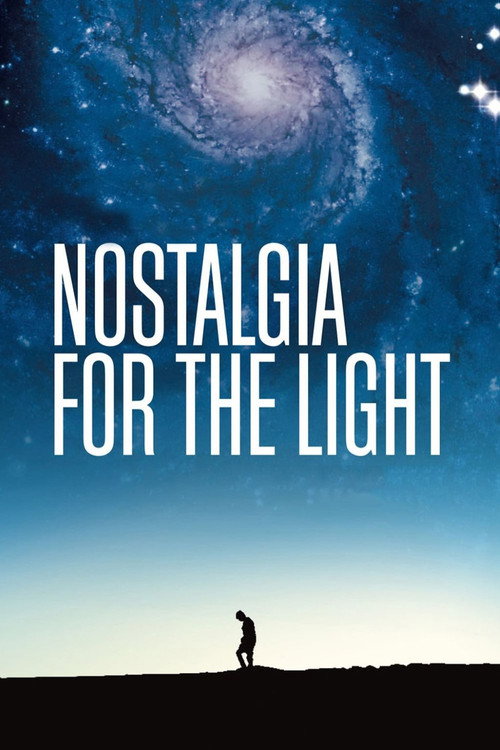
Nostalgia for the Light2010
Patricio Guzmán's documentary about Chile's Atacama Desert uses rhythm and visual observation in the way *Berlin* does—making form itself the argument. Equally meditative, equally alive to how landscape reveals history.
But It's quieter and more philosophical than *Berlin*, with long stretches of stillness. Not a film that moves quickly.
Not sure tonight? Get a pick in a minute, starting from Berlin: Symphony of a Great City
The wildcard
Something you would not have found on your own.
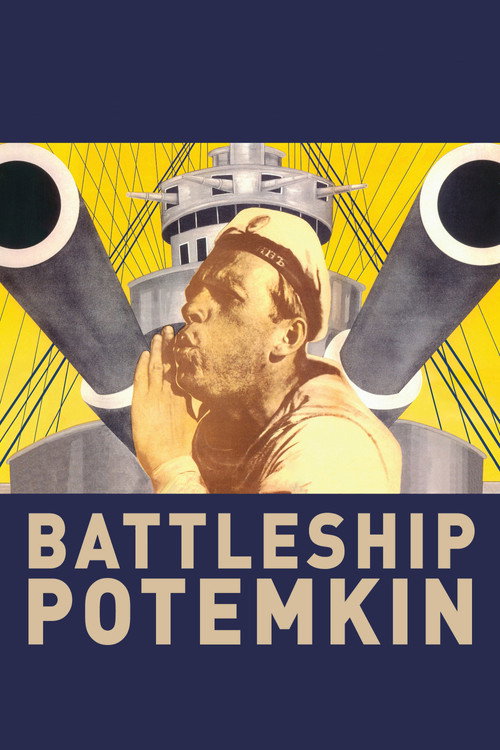
Battleship Potemkin1925
Both use rapid, rhythmic editing to build emotional and intellectual argument from pure image. Both are statements about what cinema is.
Sergei Eisenstein's revolutionary manifesto uses montage as argument and emotion—like *Berlin*, it proves that editing is cinema. But where *Berlin* is observation, *Potemkin* is fury. Both show what silent cinema can do.
But It's explicitly propagandistic and climaxes in violence. The famous Odessa Steps sequence has been referenced to death, which can drain its impact.
More like this (8)
Sans Soleil1983
Chris Marker's essay-film collages footage from across the world to create a city of the mind. Like *Berlin*, it argues through montage and rhythm rather than exposition. Hypnotic and formally restless.
But There's a voiceover and it's aggressively philosophical. Some find it pretentious; it demands active attention.

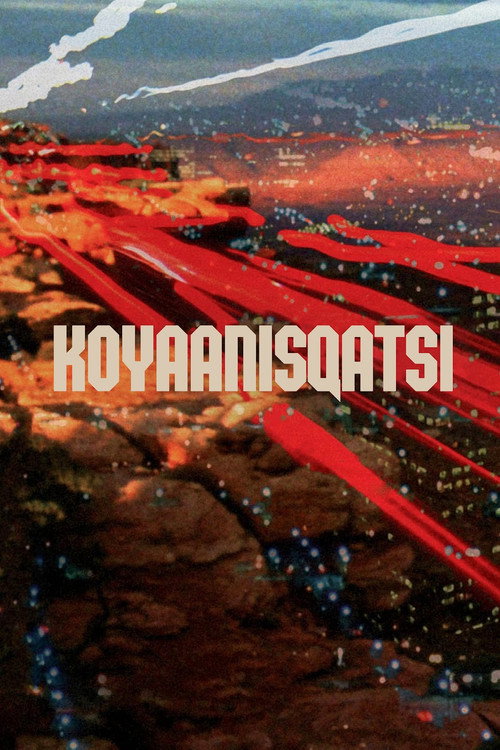
Koyaanisqatsi1983
Ron Fricke and Godfrey Reggio's wordless vision of industrial civilization filmed with time-lapse and slow-motion. It's *Berlin*'s spiritual descendant—city and machine as visual music.
But It's more explicitly apocalyptic and less documentary. The Philip Glass score dominates; some find it manipulative.
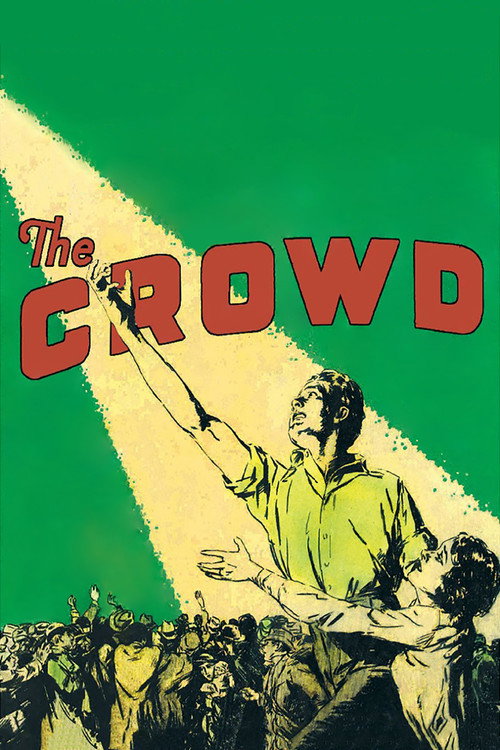
The Crowd1928
King Vidor's narrative fiction that captures urban anonymity and rhythm with documentary precision. A man and woman navigate New York's indifference. Made in the same moment as *Berlin*, equally alert to the city as character.
But It's a story, not a poem—some melodramatic moments undercut the formal clarity. The ending is more sentimental than you might want.
Rope1948
Hitchcock's chamber piece filmed in real-time with bravura camera work, using rhythm and visual storytelling over plot. The formal daring echoes *Berlin*'s confidence in pure cinema.
But It's a thriller about murder. The claustrophobia and moral ugliness are deliberate, but they might exhaust you.

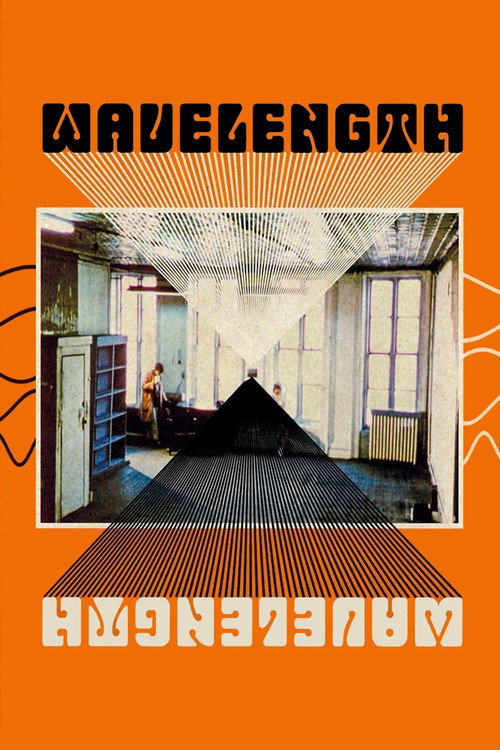
Wavelength1967
Michael Snow's experimental film is a single 45-minute zoom across a room, collapsing time and space. It continues *Berlin*'s investigation into what cinema can do with duration and editing.
But It's barely a film by conventional standards. There's no event, no drama. Many people find it unwatchable.
Tokyo Story1953
Ozu's deceptively simple narrative captures daily life and urban rhythms with the same attentiveness *Berlin* brings to documentary. A family visits Tokyo; the city is presence rather than subject.
But It moves very slowly and nothing dramatic happens. The form is radical but buried in apparent ordinariness.

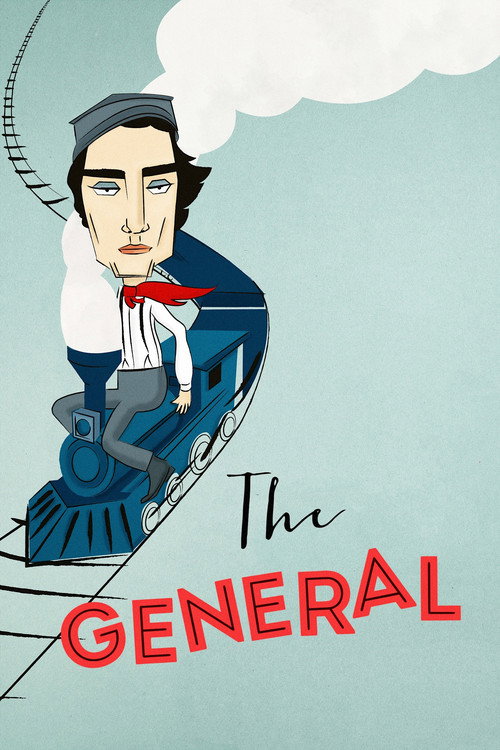
The General1926
Both compress vast space and time into visual rhythm; both trust the image entirely. *Berlin* makes the city a symphony, *The General* makes it a stage.
Buster Keaton's comedy uses the entire landscape and cityscape as choreography—locomotives, trains, geography as protagonist. Silent and formally ingenious in a completely opposite register. Pure kinetic joy against *Berlin*'s urban meditation.
But It's slapstick. If you want seriousness, this is not it. The physical comedy style can feel dated to modern eyes.
Come and See1985
Both use form and rhythm to make the viewer *see* rather than feel—to understand a place through accumulated visual fact. One captures a civilization at its apex; the other, at its nadir.
Elem Klimov's Belarusian war film documents the annihilation of villages during WWII with the same unflinching visual clarity *Berlin* brought to peacetime modernity. It's a demonic mirror: the city as ruin instead of machine. Unbearably powerful.
But It's one of the most brutal films ever made. Not for any mood or evening. Trauma, suffering, and despair are its entire substance.

People
Cast
Directing
- Walter RuttmannDirector
Writing
- Carl MayerIdea
- Karl FreundWriter
- Walter RuttmannWriter
Production
- Karl FreundProducer
Recommended by
Man with a Movie Camera, Los Angeles Plays Itself, Drifters, Dr. Mabuse, the Gambler, The Looking Glass War, The Arrival of a Train at La Ciotat, The Midnight Express, Ménilmontant, The Love of Jeanne Ney, Anemic Cinema, People on Sunday