
Film
Ménilmontant
- Drama
- Very dark
Ménilmontant is a 1926 French silent film about two sisters navigating poverty and survival in Paris after a family tragedy. Shot with extraordinary visual poetry and minimal intertitles, it's less plot-driven than mood-driven—a lyrical meditation on urban life, desire, and desperation. For anyone drawn to silent cinema's expressive power or early modernist filmmaking.
If you liked this
Sunrise: A Song of Two Humans1927
F.W. Murnau's masterpiece uses camera movement and visual metaphor to explore desire and moral ruin with the same poetic intensity. A companion piece in how cinema can render inner life without words.
But It's also silent and also demands patience with pace and melodramatic plotting that feel alien to modern rhythm.

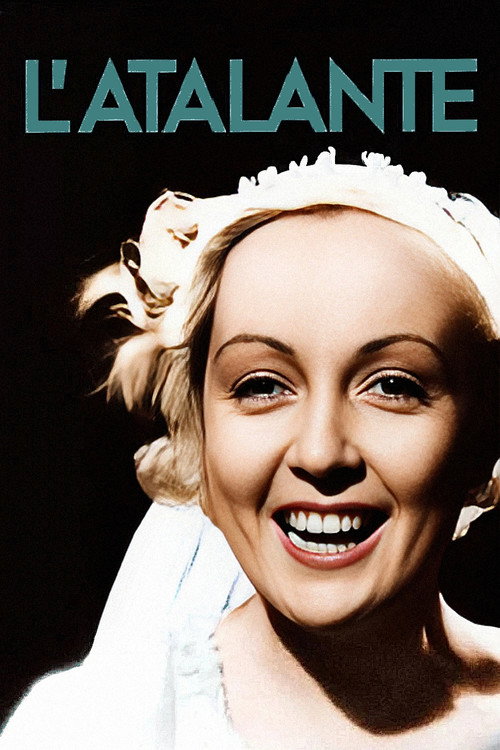
L'Atalante1934
Jean Vigo's obsessive masterwork about a barge captain and his bride uses the Seine and working-class Paris much as Ménilmontant does—as character and corrupting force. Similar mood of longing and urban entrapment.
But Frustratingly fragmented, with scenes cut or reordered over its troubled release history. Some versions feel incomplete.
La Haine1995
Mathieu Kassovitz's black-and-white portrait of Paris's margins uses visual style—composition, movement, metaphor—as narrative engine the way Ménilmontant does. City as a character that determines fate.
But Its energy is much more aggressive and contemporary, which might make the silent film feel slower in retrospect.

Not sure tonight? Get a pick in a minute, starting from Ménilmontant
The wildcard
Something you would not have found on your own.
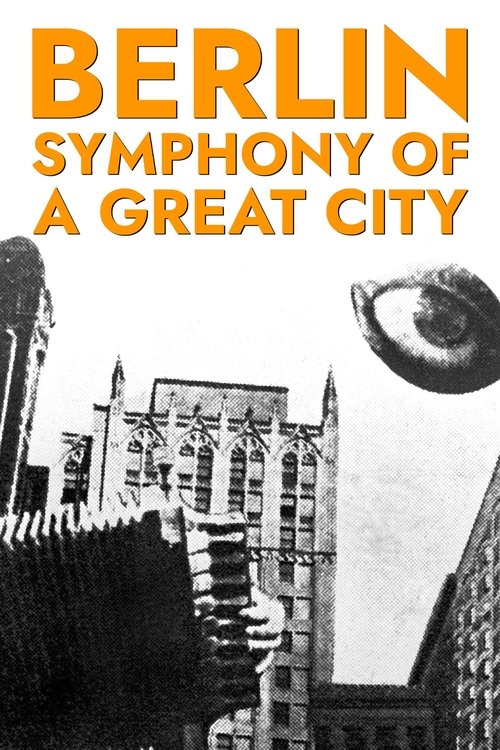
Berlin: Symphony of a Great City1927
Both are 1920s city documents that treat urban space as art form. Ménilmontant filters the city through two girls; this one lets the city speak for itself. Same era, same formal ambition, inverse approach.
A city symphony documentary shot the same year as Ménilmontant. No plot, no characters—just Berlin itself filmed with the same visual precision and modernist montage. Lets you see what a city looked like when Ménilmontant's sisters arrived in Paris.
But No narrative whatsoever. Forty-five minutes of streets, trains, workers, shops. Demands you find poetry in pure observation.
More like this (7)
Jeanne Dielman, 23, quai du Commerce, 1080 Bruxelles1976
Chantal Akerman's three-hour meditation on routine, survival, and what lies beneath domestic order. Like Ménilmontant, it trusts visual language and duration to convey what plot cannot.
But At three hours, it's testing even for patient viewers. Long static shots of everyday tasks might feel punishing rather than revelatory.

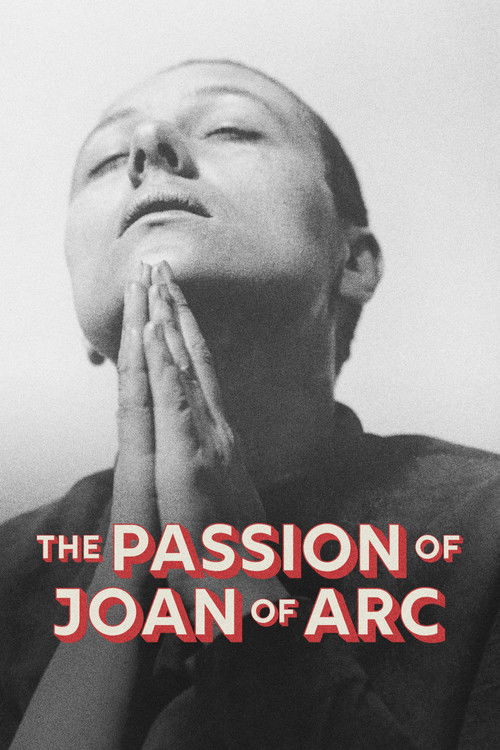
The Passion of Joan of Arc1928
Carl Theodor Dreyer made this just two years after Ménilmontant, using faces and close-ups with devastating effect. Silent cinema's emotional power at its height, though in a very different register.
But It's almost entirely interiors and extreme close-ups—claustrophobic where Ménilmontant moves through streets and spaces.
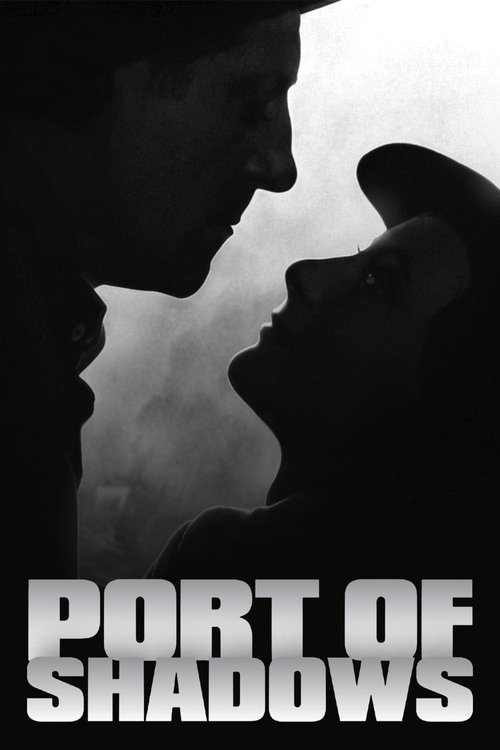
Port of Shadows1938
Marcel Carné's doomed romance set in wartime Paris, shot through fog and shadow. Inherits Ménilmontant's fatalism and its belief that city streets determine destiny.
But It's heavily plot-dependent and melodramatic in ways that can feel dated. Less austere than its predecessor.
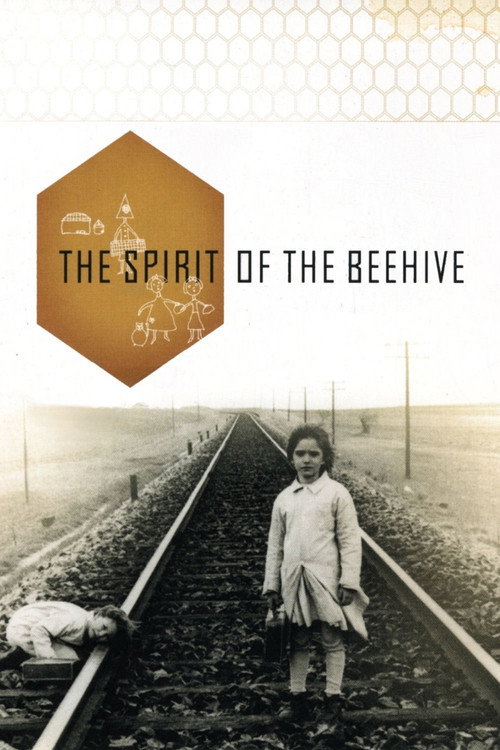
The Spirit of the Beehive1973
Víctor Erice's haunting film about a girl in Franco's Spain uses landscape, silence, and visual mystery the way Ménilmontant does. Both are about childhood apprehension and the world's indifference.
But Paced for meditation, not narrative momentum. Requires active viewing and tolerates ambiguity some find frustrating.
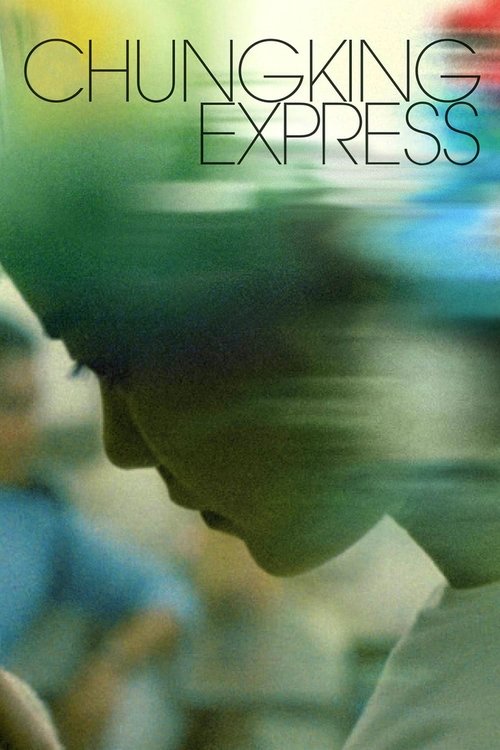
Chungking Express1994
Wong Kar-wai's fragmented love story in Hong Kong shares Ménilmontant's lyrical use of urban space and its melancholic mood. City streets as landscape of longing and chance encounter.
But Its visual excess and pop soundtrack might feel trivializing after the restraint and severity of the silent film.
The Ballad of Little Jo1993
Both center on young women whose only options are survival strategies that compromise them. Both refuse sentimentality about poverty or femininity. Both ask: what does it cost to endure?
An American Western about a woman surviving alone in frontier poverty by passing as a man. It shares Ménilmontant's unflinching portrait of female survival, economic desperation, and the cost of staying alive. Different genre, same moral world.
But The Western setting and contemporary production are a huge tonal shift. It's also far more plot-dependent and somewhat didactic about gender.

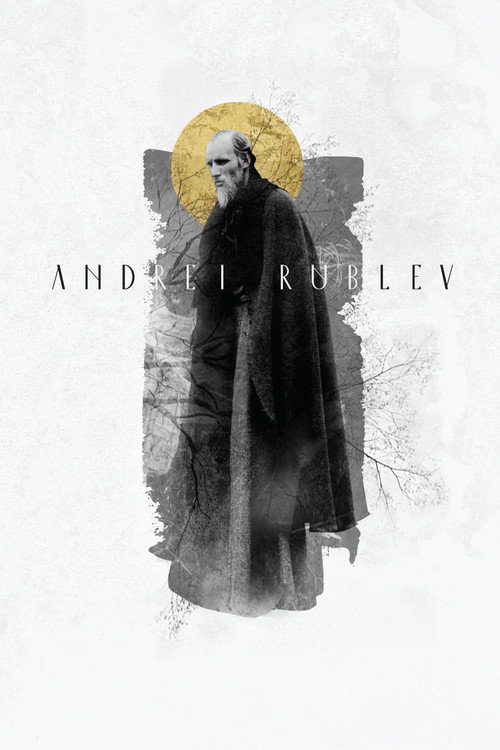
Andrei Rublev1966
Both films trust the camera and human faces over dialogue or plot mechanics. Both believe cinema's power lies in duration, repetition, and the accumulation of images. Both are masterpieces that feel contemporary and ancient at once.
Tarkovsky's epic about a medieval Russian icon painter uses overwhelming visual language to convey spiritual and creative struggle. Long, difficult, hypnotic—but the closest modern film to Ménilmontant's conviction that cinema is a visual art first.
But It's 205 minutes, in Russian, often in black-and-white or sepia, and philosophically dense. It makes extreme demands on patience and attention.
People
Cast
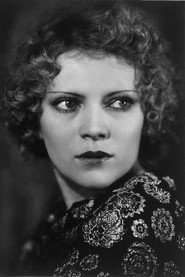 Nadia SibirskaïaLa jeune sœur
- Yolande BeaulieuLa sœur aînée
- Guy BelmontLe jeune homme
- Jean PasquierLe père
- M. ArdouinLa mère
- Maurice RonsardL'amant