
Film
Port of Shadows
A 1938 French masterpiece about a deserter drifting into a foggy port city, where he falls for a cabaret singer and gets tangled with criminals. Poetic, noir before noir was named, drenched in atmosphere and fatalism. Essential cinema for anyone who wants to understand how mood and shadow became a language.
Should you watch it?
Watch it if you love doomed romance shot through with fog, cramped bars and fatalistic melancholy, where the mood of a place does as much of the storytelling as the plot does.
Skip it if you want brisk momentum or a clear moral centre, since this one drifts through its streets and characters with a slow, weary fatalism that can feel stalled.
What it asks of you: Ninety-three minutes of patient, atmospheric pacing in black and white, with dread gathering quietly rather than arriving in set pieces. It rewards sitting still.
Not sure? Find tonight's pick in a minute.
If you liked this
The Third Man1949
Post-war Vienna, a man searching for his dead friend in the rubble, betrayal and loyalty tangled together. Carol Reed's direction is operatic. Orson Welles's entrance is unforgettable. The zither score haunts you for weeks.
But It's slow-burn espionage, not action. If you need plot to move fast, the deliberate pacing will frustrate you.

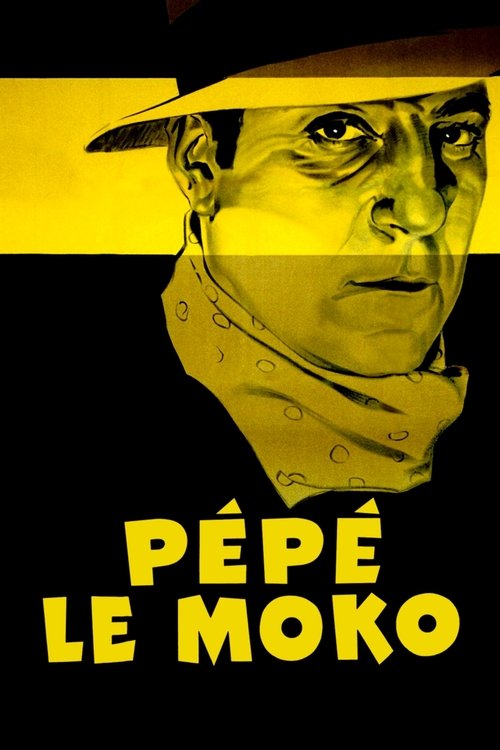
Pépé le Moko1937
Jean Gabin again, a gangster hiding in the Casbah, seduced by a wealthy woman from Paris. Stylish, tragic, invented visual language that Hollywood copied. The film that made Gabin a legend.
But The print quality varies wildly depending on what you find. Some versions are murky enough that you'll strain to see the beauty in the shadows.
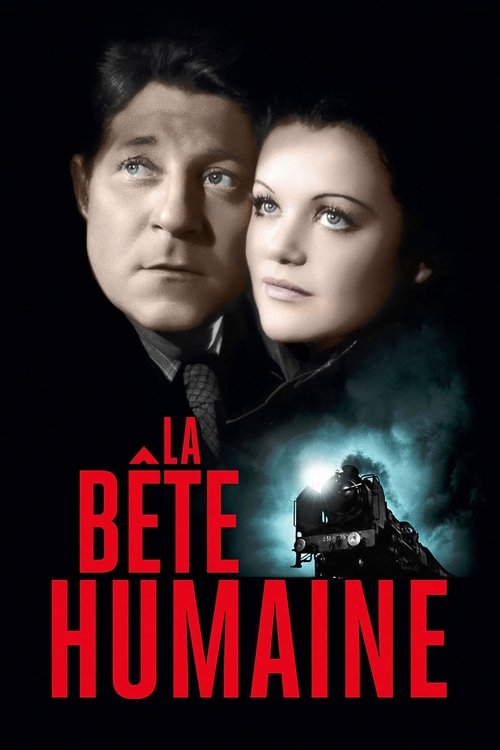
La Bête Humaine1938
Gabin yet again, this time a locomotive driver undone by passion and murder. Renoir's direction is restless and brilliant. The trains are characters. It moves like fate on rails.
But It's genuinely bleak. The ending offers no comfort. If you watch films to feel better about things, this isn't your evening.
Not sure tonight? Get a pick in a minute, starting from Port of Shadows
The wildcard
Something you would not have found on your own.
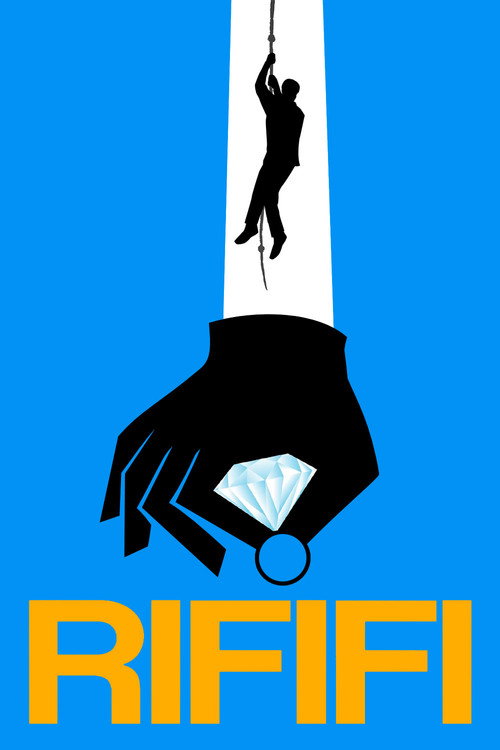
Rififi1955
Both are about men with no future trying to survive through skill and cunning in urban underworlds where fate and character are the only real forces.
The heist film distilled to its essence: a 30-minute silent robbery sequence with no music, just the sound of tools and breathing. French-Italian co-production with Jean Servais as a ex-con planning his last job. Every frame is precision and ice.
But The silence, brilliant as it is, demands absolute focus. You cannot half-watch this. It's also bleak—there is no triumphant ending waiting.
More like this (7)
In the Mood for Love2000
Wong Kar-wai's film about two neighbors who discover their spouses are having an affair. Visual rapture: color, geometry, mirrors, rain. Restrained emotion expressed through pure cinema. About longing and what remains unsaid.
But The plot is minimal. It's a film about atmosphere and color rather than story. If you need narrative drive, this floats.

The Killers1946
A boxer double-crossed, two hitmen coming for him, a woman in the past. Burt Lancaster's debut. Robert Siodmak's direction is tense and economical. Ava Gardner smolders. It invents the modern heist-gone-wrong structure.
But The dialogue is tough and sometimes dated. The misogyny isn't critiqued; it's just there. You have to accept the film on its own terms.

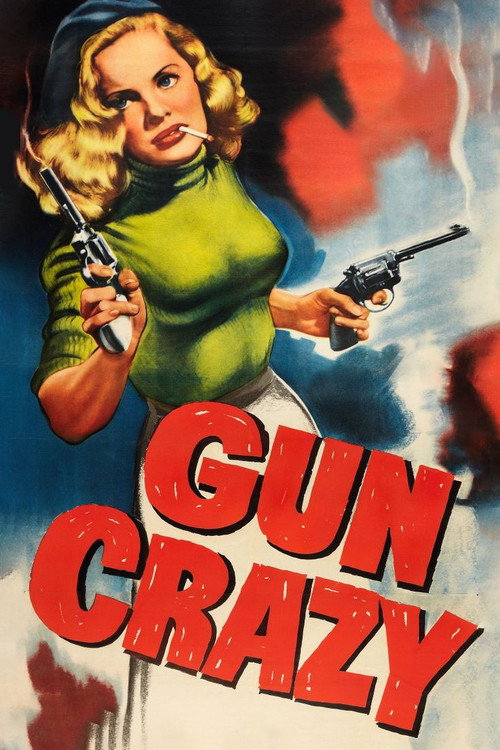
Gun Crazy1950
A couple in love with guns and crime, robbing their way across America. Bonnie and Clyde did it first—this did it better. Raw, sexy, doomed. Long takes of driving that feel like freedom and death at once.
But It's visibly low-budget. Some of the acting is rough. If polish is essential to your enjoyment, the roughness will show.
The Asphalt Jungle1950
The template for every heist film after: a crew assembles, the job goes wrong, everyone pays. John Huston directing. Tense, economical, cynical. It understands that crime is just work, and work kills people.
But The pacing is methodical to the point of slowness by modern standards. Character development happens in glances. You have to pay close attention.

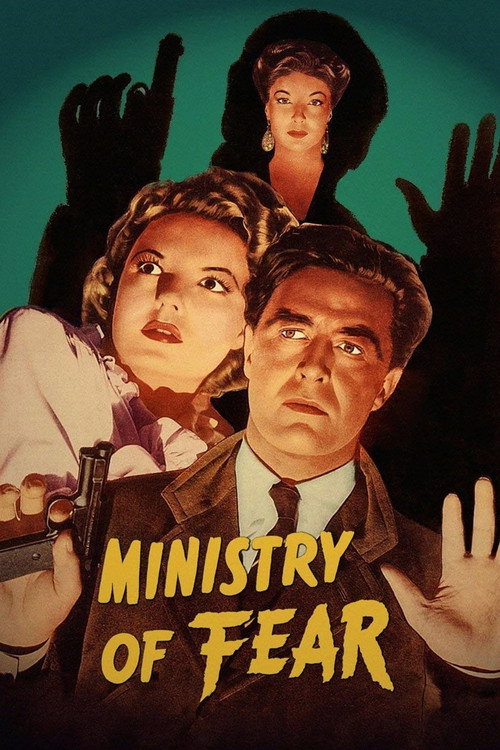
Ministry of Fear1944
Fritz Lang's spy thriller: a man just out of prison, wartime London, a woman, a secret nobody should know. Paranoid and beautifully shot. Lang understood how fear moves through a city and a face.
But It's convoluted. The plot requires you to keep track of multiple double-crosses. Lose the thread once and you might not find your way back.
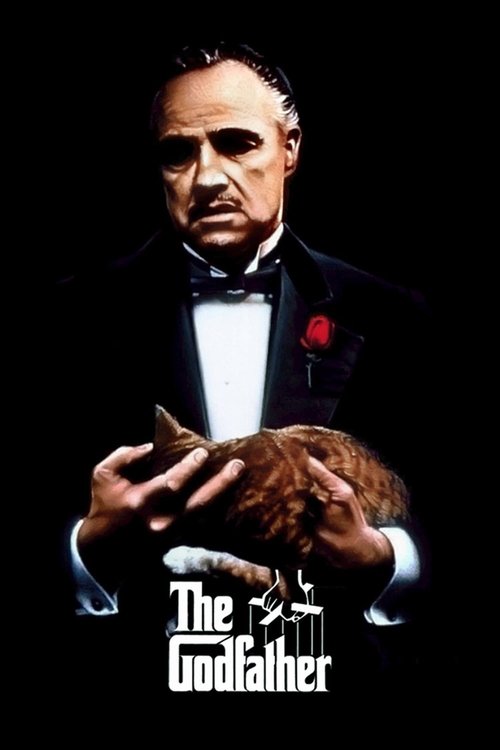
The Godfather1972
Both films understand that crime is a trap disguised as opportunity, and that love and loyalty are the weaknesses that destroy men most completely.
Coppola's opera about power, family, and the cost of both. It looks like poetry, moves like inevitability. Pacino, Brando, Duvall—every performance is generational. The structure is Shakespearean. It's the American answer to everything Port of Shadows asked.
But Three and a half hours. The middle section in Sicily loses some viewers. If you haven't seen it, your expectations are now impossibly high.
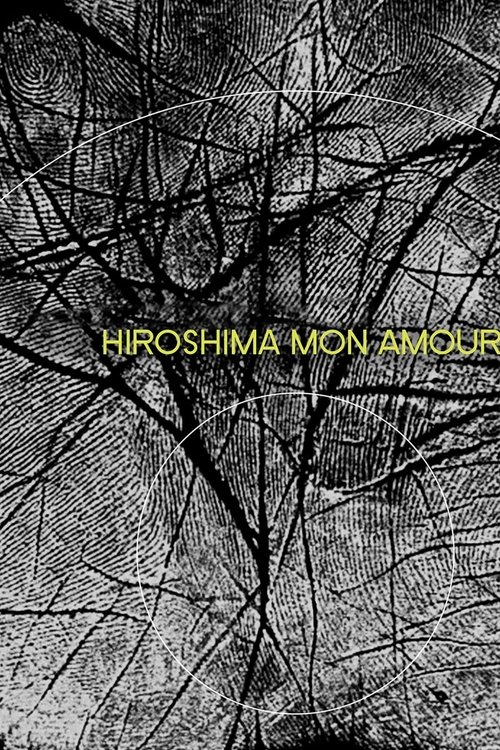
Hiroshima Mon Amour1959
Both films are structured around what is *not* said, using shadows and absence as much as light. Both understand that cinema's real power is to show us the spaces between what people do and why they do it, the unbridgeable distance between lovers.
Alain Resnais and Marguerite Duras: a French actress and a Japanese architect in Hiroshima, one night, memories fragmenting like the bomb itself. The film doesn't tell a story; it performs one. Black-and-white and color, past and present bleeding together. Hypnotic.
But It's an experimental narrative poem, not a conventional film. The dialogue is repetitive by design. If you need plot clarity, this will frustrate you into distraction.
People
Cast
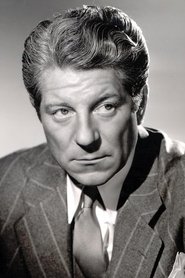 Jean GabinJean
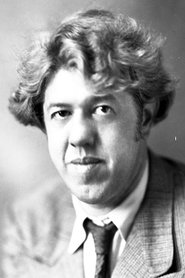 Michel SimonZabel
 Michèle MorganNelly
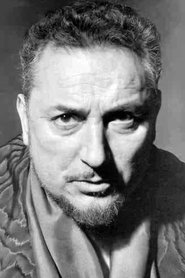 Pierre BrasseurLucien
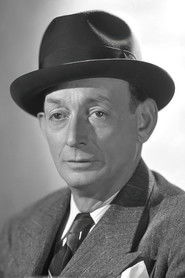 Édouard DelmontPanama
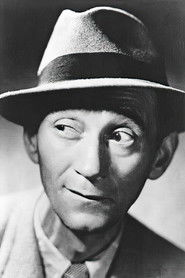 Raymond AimosQuart Vittel
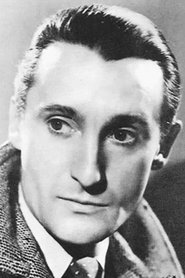 Robert Le ViganThe Painter
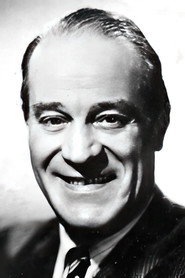 René GéninThe Doctor
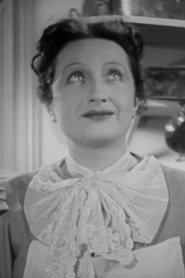 Jenny BurnayA Girl
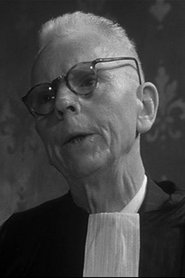 Roger LegrisHotel Manager
- Martial RèbeThe Client
 Marcel Pérèsle chauffeur
Directing
- Marcel CarnéDirector
Writing
- Pierre Mac OrlanNovel
- Jacques PrévertScreenplay
Production
- Gregor RabinovitchProducer
Recommended by
Pépé le Moko, Liliom, Ménilmontant, Jenny, Hôtel du Nord, Lady Killer