
Film
Liliom
Other titles called Liliom: the 1930 film.
Fritz Lang's first film after fleeing Nazi Germany, made in France just before he crossed to Hollywood, adapts Ferenc Molnár's play about a swaggering carousel barker whose charm curdles into cruelty and worse. Charles Boyer is magnetic as the doomed rogue; the story slides from gritty street romance into a strange, tender afterlife courtroom. Stagey in patches, visually inventive throughout, and quietly devastating by the end.
Should you watch it?
Watch it if you love melancholy romances built on fate, stubborn pride and a hero who is hard to like yet impossible to forget, the kind of old-fashioned tragic love story that lingers after the credits.
Skip it if you want brisk plotting or a lighter touch, since the pace is deliberate and the mood stays heavy, with long stretches of talk and sulking rather than action.
What it asks of you: It runs about two hours in a slow, stage-derived rhythm, so it asks you to sit with its moods and settle into a fatalistic, rueful atmosphere rather than be entertained moment to moment.
Not sure? Find tonight's pick in a minute.
If you liked this
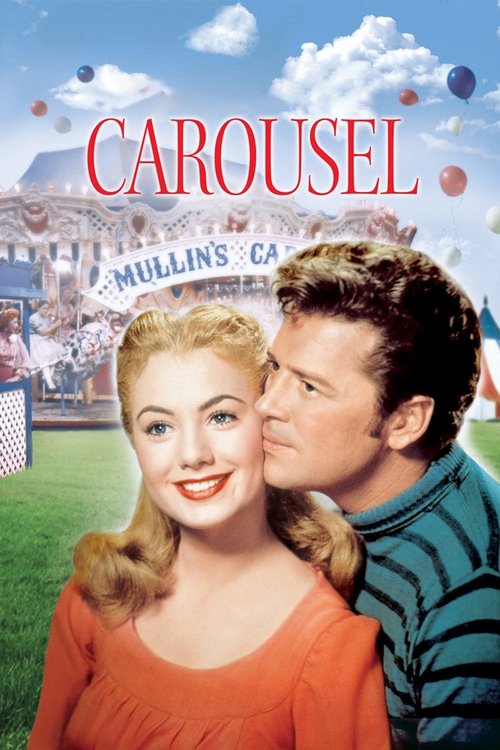
Carousel1956
The direct musical descendant of the same Molnár play, complete with the afterlife sequence, lush Technicolor, and 'You'll Never Walk Alone.' Seeing the story sung is its own strange pleasure.
But The songs soften the harsher edges of the story, and if classic movie musicals aren't your thing the tonal shift will grate.
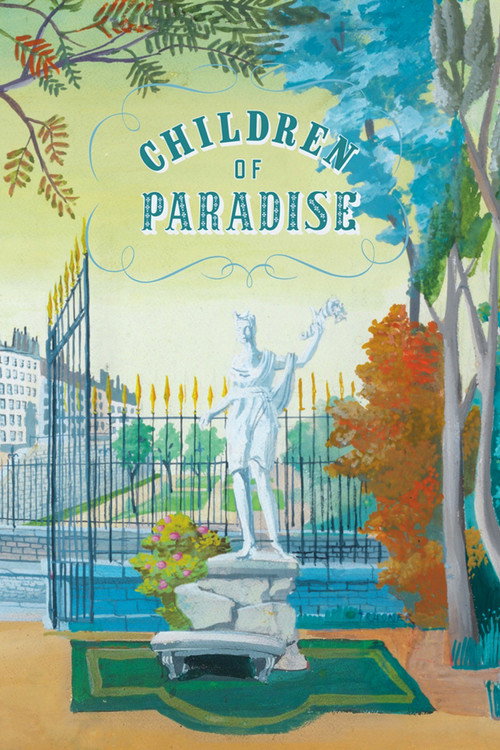
Children of Paradise1945
A sprawling French epic about performers, love, and fate, carrying the same fatalistic tenderness and theatrical texture, with performances of real magnetism.
But It runs over three hours and takes its time getting anywhere; patience is required.
Port of Shadows1938
French poetic realism at its finest — fog, doomed working-class lovers, and a sense that tragedy is already written. The mood is close cousin to Liliom's.
But It's slow and atmosphere-first; if you want plot momentum you'll find it frustrating.

Not sure tonight? Get a pick in a minute, starting from Liliom
The wildcard
Something you would not have found on your own.
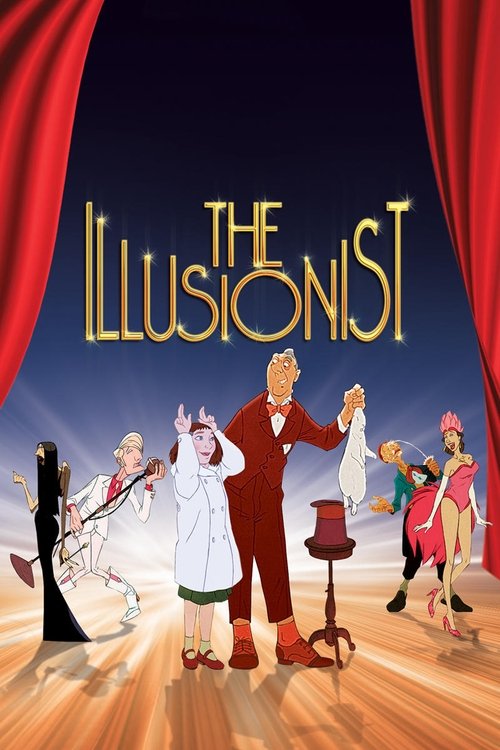
The Illusionist2010
Both films center on a charismatic performer whose showmanship masks failure, staging a doomed tender romance beneath the spectacle, told largely through visual poetry rather than words.
A nearly wordless animated film about an aging stage magician whose charisma is fading even as he tries to hold onto a fragile, tender connection with a young woman.
But Almost no dialogue and a very slow, melancholy rhythm — gorgeous but demanding of stillness.
More like this (8)
Sunrise: A Song of Two Humans1927
Murnau's silent masterpiece blends earthy melodrama with something almost mystical, mixing the everyday and the sublime the way Lang's film does.
But Silent pacing and title cards take adjustment if you're not used to the format.

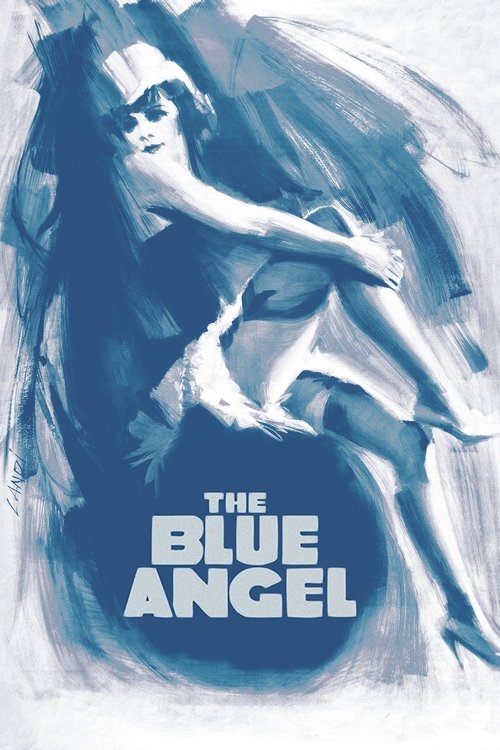
The Blue Angel1930
A German early-sound melodrama from the same era, sharing its moral seriousness about desire and downfall, with Marlene Dietrich unforgettable.
But Bleaker and more cynical, with little of the tenderness that softens Liliom.
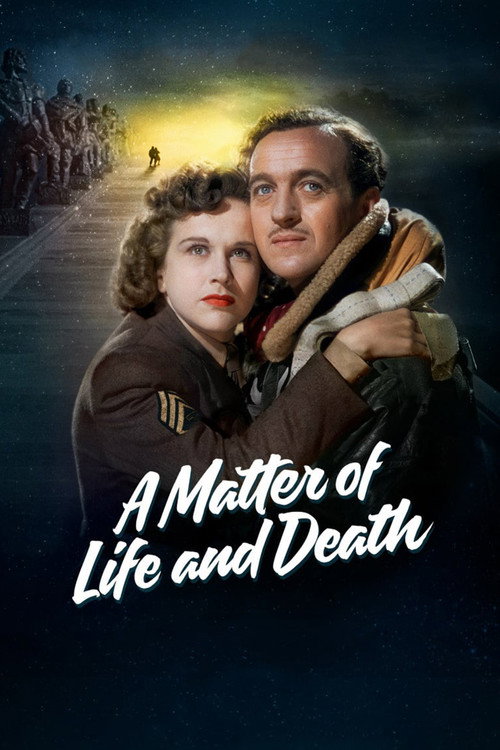
A Matter of Life and Death1946
A British fantasy-romance that also drags its hero into a courtroom in the beyond, mixing earthly passion with heavenly bureaucracy.
But Much more whimsical and less fatalistic — a different emotional temperature entirely.
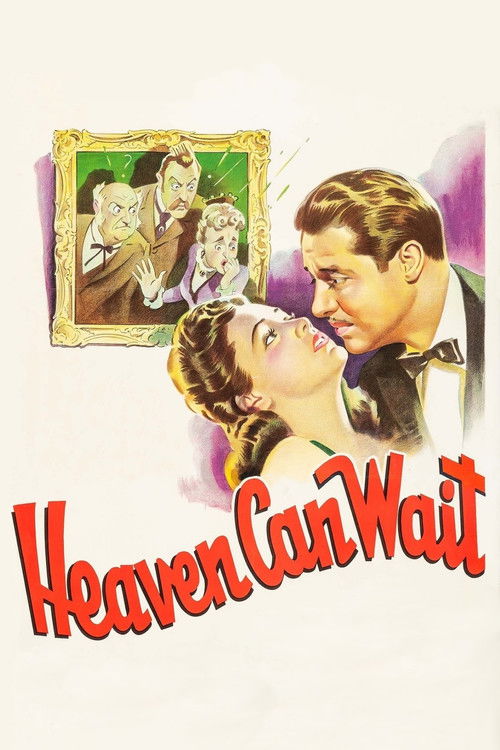
Heaven Can Wait1943
Lubitsch's comedy about a man recounting his sins to gain entry to the afterlife echoes Liliom's judgment scene, but plays it for warmth and wit.
But Far lighter and funnier — if you want the ache of the drama, this won't give it to you.
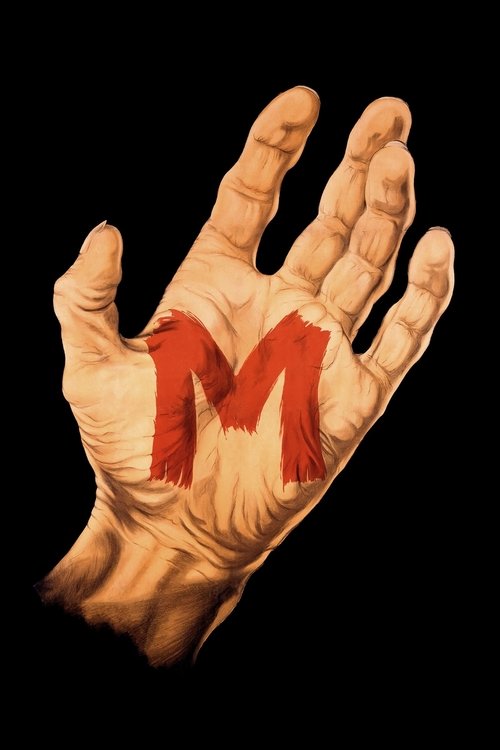
M1931
Lang's previous film, showing the visual control and moral unease he carried straight into Liliom a few years later.
But Completely different subject matter — a serial-killer thriller, not a romance.
Wings of Desire1987
Wenders' poetic film about an angel drawn down to earthly love echoes the same blend of the celestial and the mundane.
But Art-house pacing and long stretches of voiceover monologue; not for those wanting narrative drive.

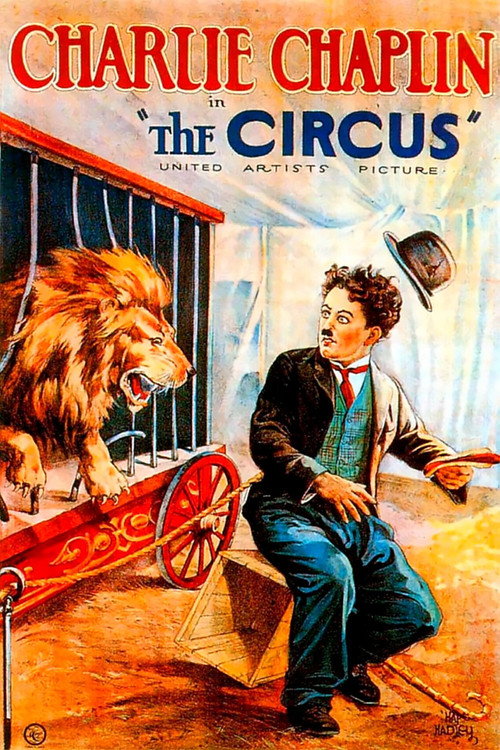
The Circus1928
A predecessor by a few years — a swaggering carnival entertainer whose comic bravado curdles into desperation, proving the carousel-barker archetype existed before Lang got to it.
Chaplin's silent tragicomedy follows a broke, temperamental entertainer whose bravado under the big top hides real desperation and heartbreak.
But Silent-era slapstick pacing feels quite different from Liliom's dramatic register, even where the themes overlap.
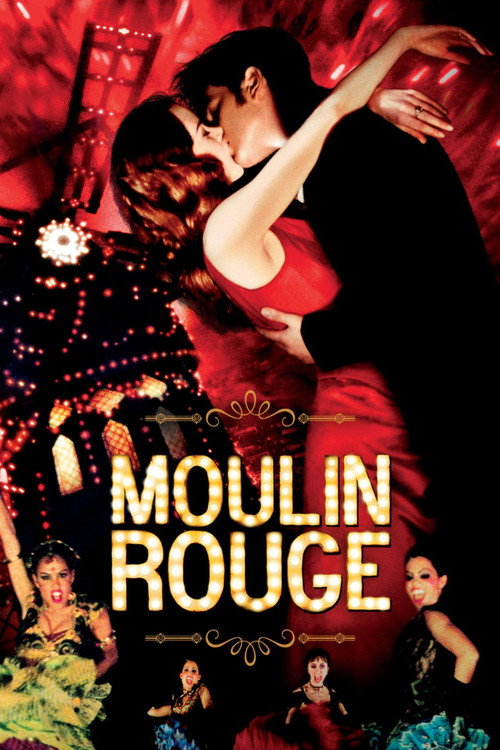
Moulin Rouge!2001
Same skeleton — doomed passionate love inside a demimonde of performers and entertainers — pushed into pure spectacle, showing how elastic that old story shape really is.
Baz Luhrmann cranks the same tragic-lovers-under-performance template into full musical spectacle, all velvet, artifice, and heartbreak turned up to eleven.
But Wildly maximalist and jukebox-musical loud — the opposite of Liliom's grounded, melancholy realism.
People
Cast
 Charles BoyerLiliom Zadowski
 Madeleine OzerayJulie Boulard
 Robert ArnouxLetourneur
 Roland ToutainThe drunken sailor
 Alexandre RignaultHollinger
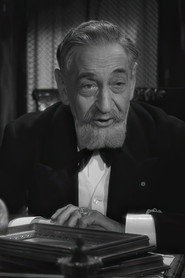 Henri RichardThe Commissioner
 Marcel BarenceyPurgatory Cop
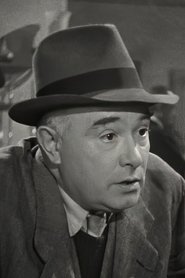 Raoul MarcoL'inspecteur - The Detective
 Antonin ArtaudLe rémouleur (The Knife Grinder)
 Léon ArvelL'employé du commissariat (Police station employee)
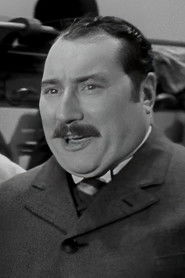 Pierre AlcoverAlfred
 FlorelleMme. Moscat
Directing
- Fritz LangDirector
Writing
- Bernard ZimmerWriter
- Ferenc MolnárWriter
- Fritz LangWriter
- Robert LiebmannWriter
Production
- Erich PommerProducer
Recommended by
Waxworks, Carousel, Here Comes Mr. Jordan, The Phantom of the Opera, Cabin in the Sky