
Film
The Circus
Chaplin's Tramp finds work in a failing circus and immediately becomes its accidental star, funny only when he doesn't know he's being watched. It's Chaplin at his most acrobatic — the hall of mirrors, the tightrope, the lion's cage — wrapped around a quietly sad, one-sided romance. Lighter than his later films, but the gags are flawlessly built and the melancholy underneath is real.
If you liked this
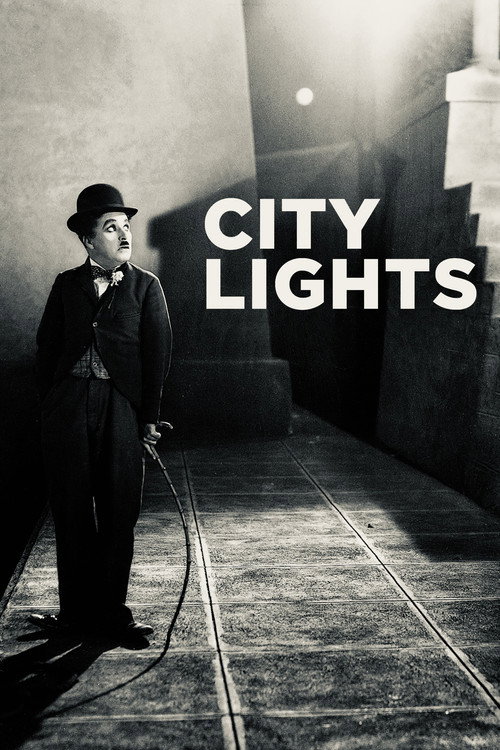
City Lights1931
Chaplin's tramp again falls for someone who can't fully see him, but here the joke and the heartbreak are the same gesture. The final scene is often called the greatest in silent cinema, and it earns every second.
But Slower and more emotionally exposed than The Circus — if you wanted pure gag-craft, this leans harder into feeling.
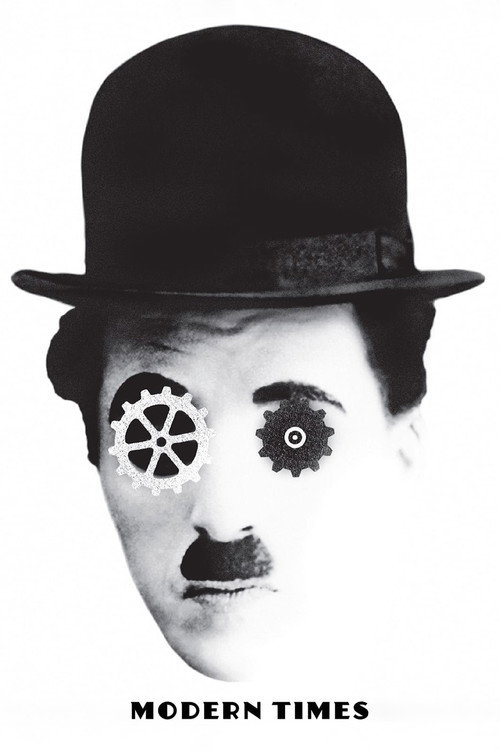
Modern Times1936
The Tramp's last outing, half-silent, fully dazzling — factory gears, roller skates, a jailbreak, and a genuine partner in Paulette Goddard. Sharper and more political than The Circus, with just as much physical invention.
But Has a satirical edge about industrialisation and poverty that's more pointed than the gentler Circus.
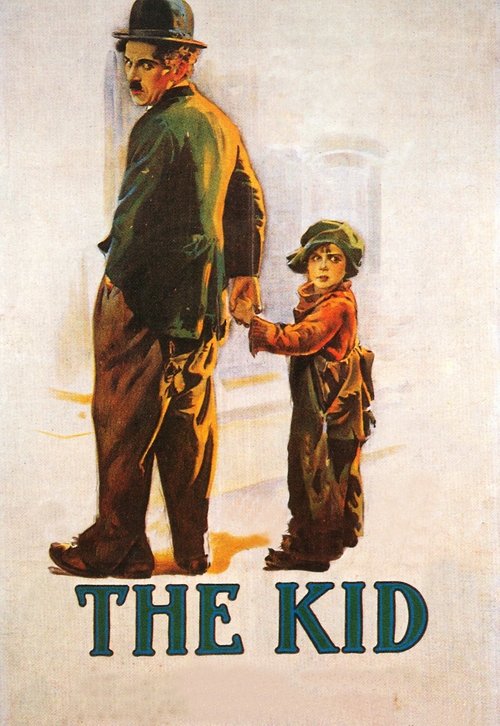
The Kid1921
Chaplin's first feature and his most unguarded — the Tramp raises an abandoned boy, and the comedy keeps sliding into real tenderness. If The Circus's soft heart got to you, this one goes further and hits harder.
But More overtly sentimental than The Circus; some of it plays as pure tearjerker rather than comedy.
The wildcard
Something you would not have found on your own.
He Who Gets Slapped1924no page yet
Both films use the circus and the clown's mask to ask what a performer is hiding behind the laugh — Chaplin keeps it tender, this one lets it curdle into something closer to horror.
Lon Chaney plays a circus clown whose entire act is built on humiliation he's actually lived through — laughter as camouflage for real anguish. Made the same silent era as The Circus, but pushed to its darkest possible conclusion.
But Genuinely bleak rather than bittersweet — this is tragedy wearing greasepaint, not comedy with a sad edge.
More like this (8)
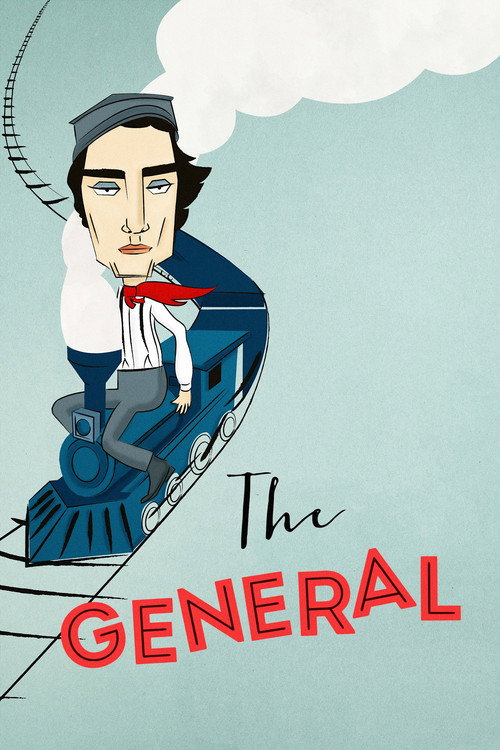
The General1926
Buster Keaton's answer to Chaplin's tramp — deadpan instead of expressive, but every stunt is real and the train chase is one of the great sustained comic sequences ever filmed. Essential if you want to see the other side of silent comedy.
But Keaton's stone-faced style is colder than Chaplin's; less heart, more mechanical marvel.
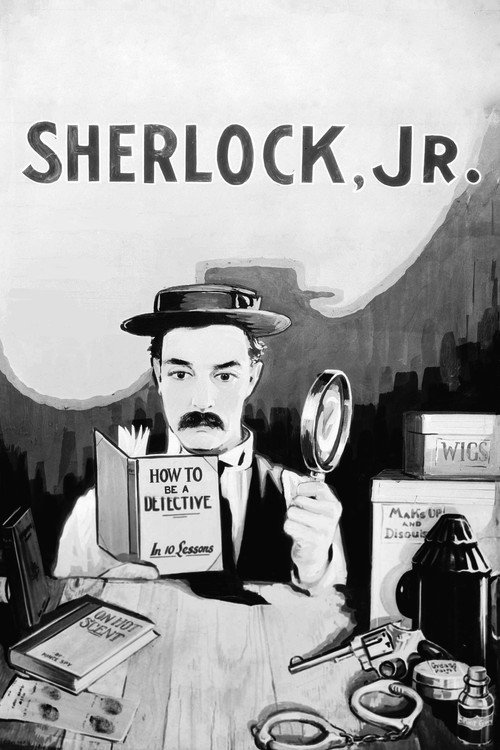
Sherlock Jr.1924
A cinema projectionist literally walks into the film he's screening — dreamlike, technically dazzling, and barely 45 minutes. Shows how far silent comedy could push pure structural cleverness alongside physical daring.
But Very short and stunt-driven rather than romantic; less emotional payoff than Chaplin's work.
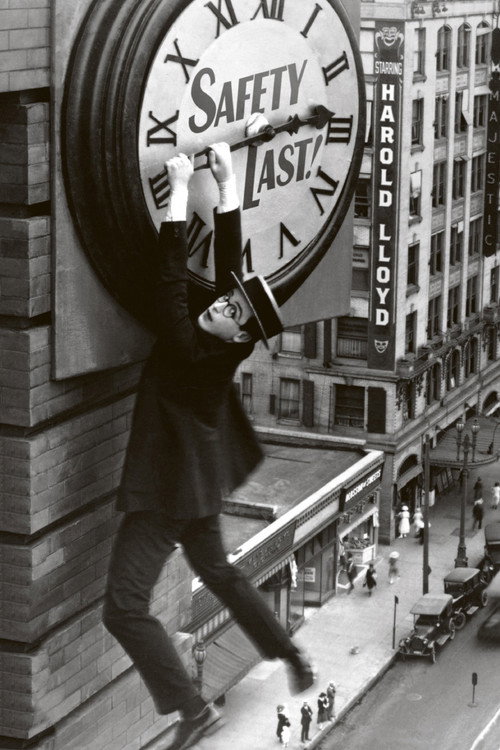
Safety Last!1923
Harold Lloyd dangling from a clock face is the image everyone knows, but the whole film is a nervy, escalating comedy of a man performing competence he doesn't have — kin to Chaplin's accidental circus star.
But Lloyd's persona is more of an eager striver than a wistful outsider; less melancholy than Chaplin.
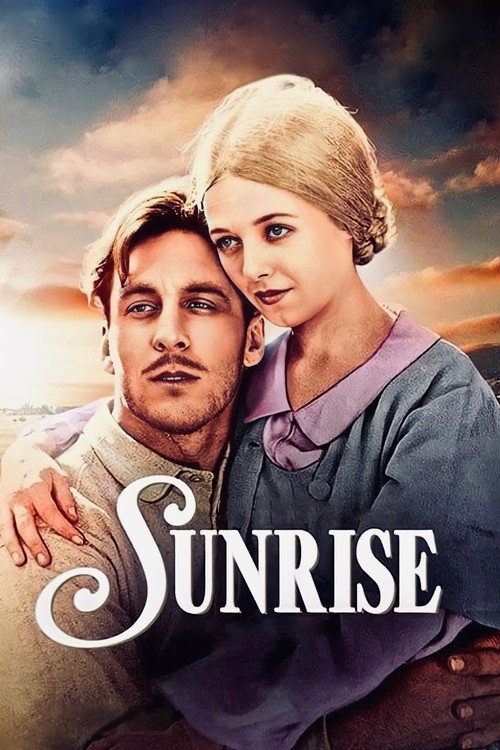
Sunrise: A Song of Two Humans1927
A silent masterpiece from the same era, trading comedy for aching, expressionist romance — a marriage nearly destroyed, then remade over one long night in the city. Shows what silent-era heartbreak could do without a single laugh.
But No comedy at all — a straight, at times harrowing melodrama rather than a Chaplin-style tonal mix.
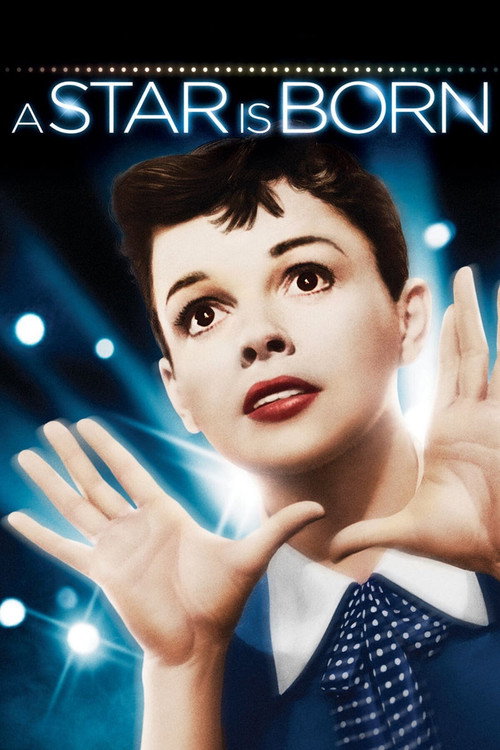
A Star Is Born1954
A performer's rise entangled with love and someone else's decline — the show-business heartbreak The Circus only hints at, played out in full Technicolor, torch-song grandeur with Judy Garland at her most devastating.
But Long, lush, and openly tragic where Chaplin stays wistful — a very different emotional register.
Water for Elephants2011no page yet
A modern, glossy return to the Depression-era circus — forbidden romance, a tyrannical ringmaster, animals and spectacle. The closest mainstream film to The Circus's actual setting, just with sound, colour, and a bigger budget.
But Straightforwardly romantic melodrama with none of Chaplin's comic invention or restraint.
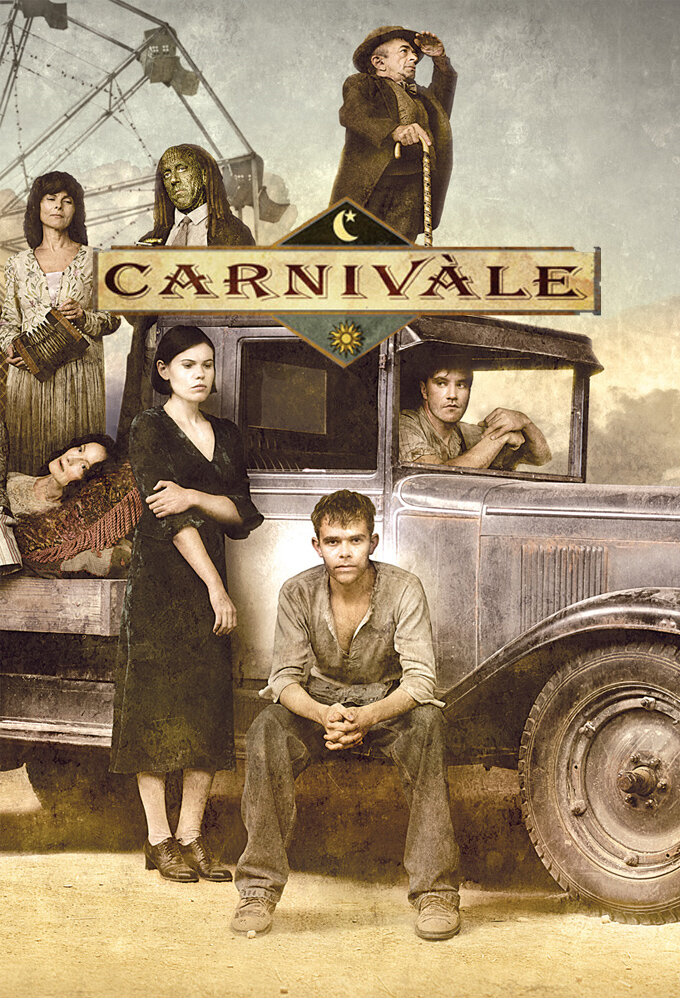
Carnivàle2003
Same traveling-show, band-of-outcasts setting Chaplin sketches lightly, expanded into a serialized, mythic, much darker meditation on performance and identity.
A Depression-era travelling carnival, full of outsiders and reinvented identities, stretched into a slow-burn supernatural drama across two seasons. If The Circus's world of grifters and misfits ever made you want more of it, here's ten hours instead of seventy-two minutes.
But Dense, mythology-heavy, and unresolved — it was cancelled mid-story, and the pace is glacial by comparison.
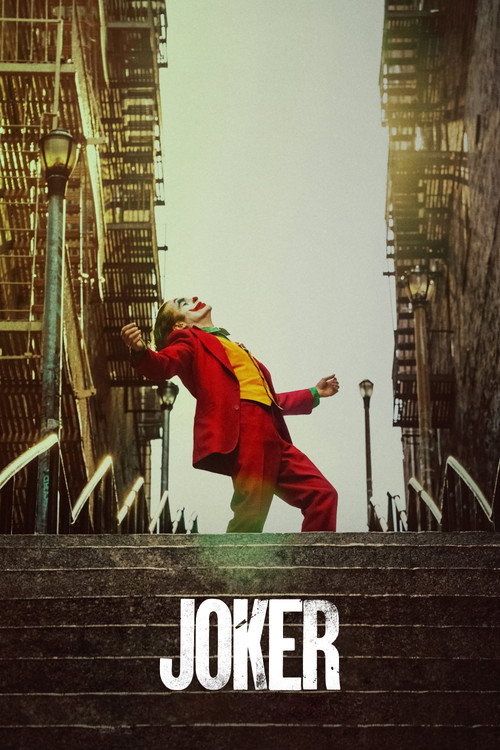
Joker2019
Same question Chaplin's tramp poses quietly — what's really underneath the funny man — asked again in a genre built to make the answer frightening instead of moving.
Takes the exact premise underneath Chaplin's clowning — a man whose comedy is really a survival mechanism for pain — and follows it to its most extreme, unsettling conclusion. Joaquin Phoenix's physical performance is its own kind of tragic clowning.
But Violent, deliberately unpleasant, and built to disturb rather than charm — about as far from The Circus's warmth as it gets.
People
Cast
 Charlie ChaplinA Tramp
 Al Ernest GarciaThe Circus Proprietor and Ring Master
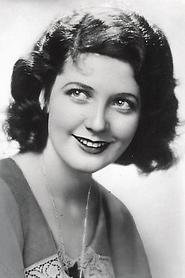 Merna KennedyThe Proprietor's Step-Daughter Merna, a Circus Rider
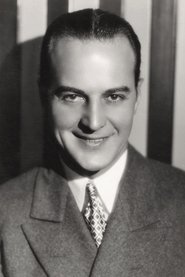 Harry CrockerRex, a Tight Rope Walker
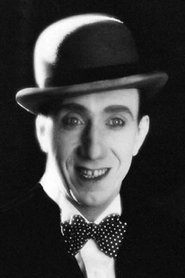 George DavisA Magician
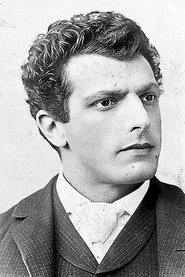 Henry BergmanAn Old Clown
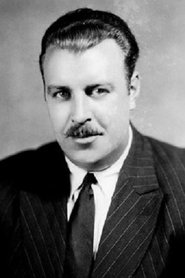 Tiny SandfordThe Head Property Man
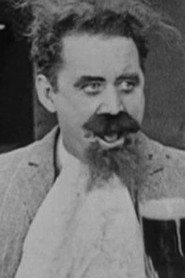 John RandAn Assistant Property Man
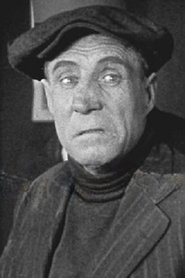 Steve MurphyA Pickpocket
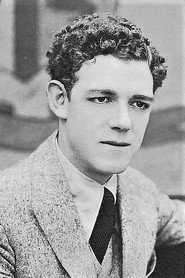 Albert AustinClown (uncredited)
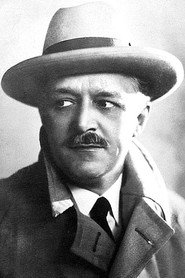 Chester A. BachmanCop (uncredited)
- Eugene BarryCop (uncredited)
Directing
- Harry CrockerAssistant Director
- Charlie ChaplinDirector
- Della SteeleScript Supervisor
Writing
- Charlie ChaplinWriter
Production
- Al Ernest GarciaCasting
- Charlie ChaplinProducer