
Film
Grandma's Boy
Other titles called Grandma's Boy: the 2006 film.
- Slapstick
- Light-hearted
Harold Lloyd's masterpiece of physical comedy and heart. A timid young man finds courage through his grandmother's wisdom, culminating in one of cinema's most thrilling and genuinely moving finales. It's slapstick with substance—funny, touching, and surprisingly modern in how it treats masculinity and self-discovery.
If you liked this
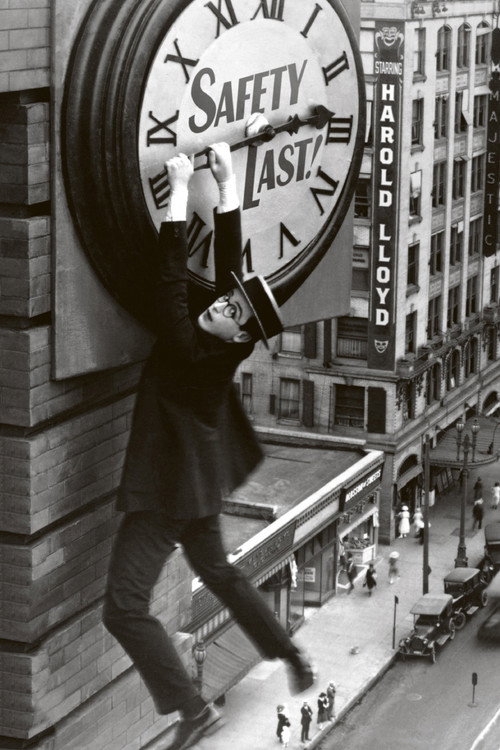
Safety Last!1923
Lloyd at his absolute peak, climbing a skyscraper with gags that still land harder than anything made since. The famous clock scene is justly famous; everything else is just as good.
But It's silent, it's paced for 1923 audiences, and the first ten minutes are setup. Modern viewers sometimes find silent comedy glacial.
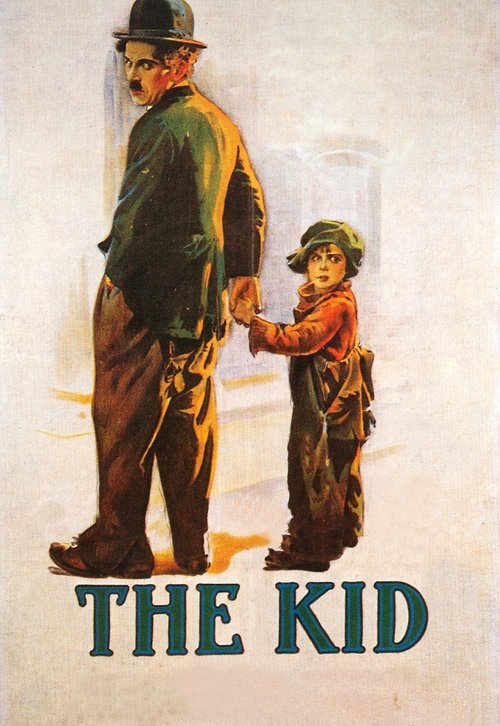
The Kid1921
Chaplin's most complete statement: comedy, pathos, and social fury woven into one film. If you want to understand why silent comedians mattered, this is the argument made perfectly.
But The tone shifts abruptly between slapstick and genuine heartbreak. Some viewers find that tonal whiplash unsettling rather than moving.
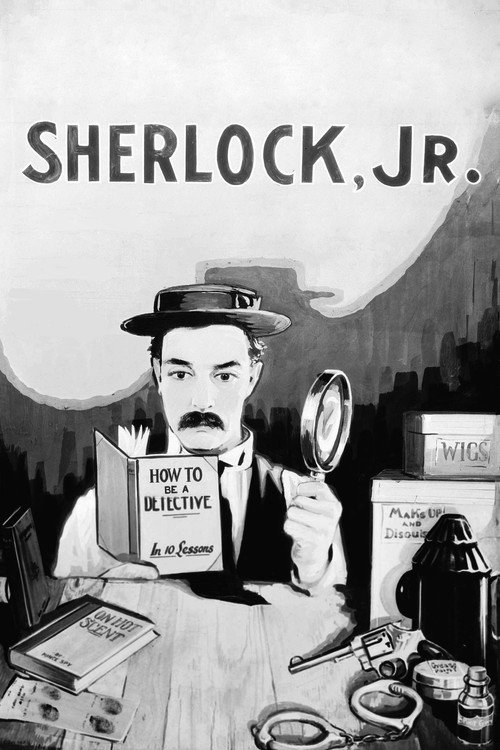
Sherlock Jr.1924
Buster Keaton's imagination made visible. A projectionist enters a film-within-the-film with logic-defying stunts. Visually inventive in ways that still astound, and genuinely funny without sentimentality.
But The surrealism can feel remote. Keaton's face stays impassive even during miracles, which some find cold rather than charming.
Not sure tonight? Get a pick in a minute, starting from Grandma's Boy
The wildcard
Something you would not have found on your own.
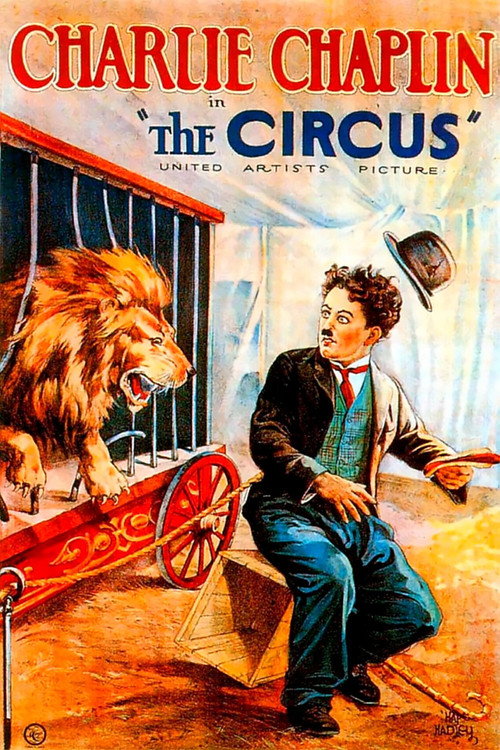
The Circus1928
Like Grandma's Boy, it's about a man finding courage within himself, but Chaplin explores the same journey through performance and the gaze of crowds rather than through intimate family wisdom.
Chaplin's Tramp at a circus, a film about performance made with absolute mastery of performance. Lighter than City Lights but more formally audacious—Chaplin directing Chaplin at the height of his powers. The climax is one of cinema's great sequences.
But It's easy to miss because it's genuinely frivolous—Chaplin made it as entertainment, not statement. Some feel it's overshadowed by his grander works and underrated for that reason.
More like this (8)
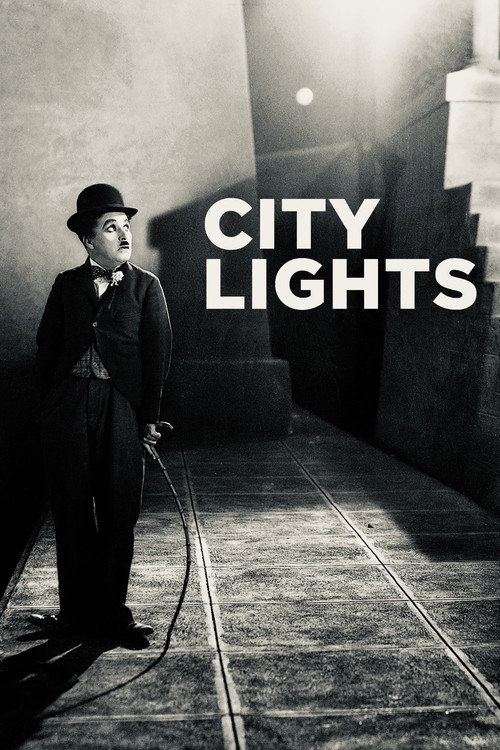
City Lights1931
Chaplin's Tramp at his most iconic, falling in love with a blind flower seller. Even watching it decades later, the final scene hits with devastating force. Pure cinema.
But It's a talkie in name only—essentially a silent film made after sound arrived. The sentimentality, though intentional and earned, can feel heavy-handed to modern tastes.
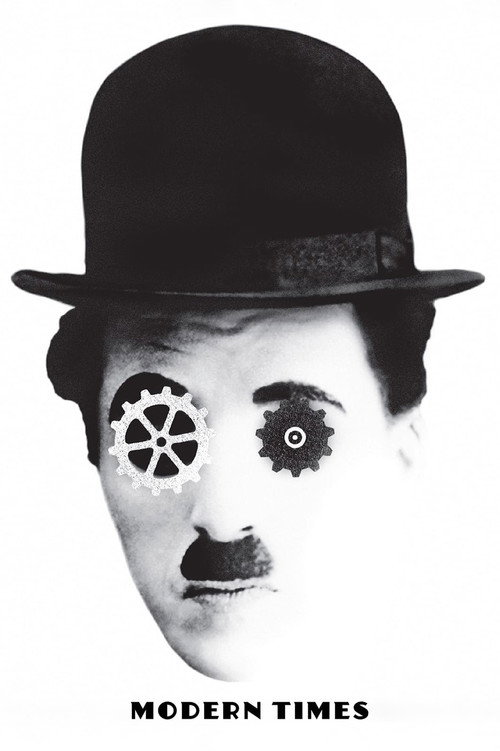
Modern Times1936
Chaplin versus the machine age: slapstick as social commentary, but never preachy. A factory sequence that's simultaneously hilarious and furious. Completely alive.
But The political subtext is obvious by design. If you came for pure escapism, the anger might feel didactic.
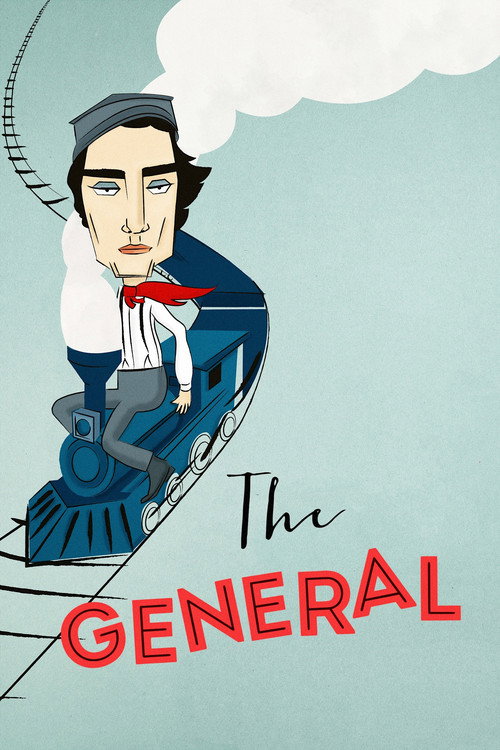
The General1926
Keaton as a railway engineer during the Civil War. Enormous moving stunts, locomotive chases, and a love story told almost entirely through action. Wildly inventive.
But The Civil War framing and a slavery-era setting might feel uncomfortable. Keaton's deadpan doesn't wink at the audience, so the tone can feel strange.
Sunrise: A Song of Two Humans1927
Murnau's masterpiece about a marriage tested and renewed. Visually stunning, emotionally raw, and the dream-sequence cinematography still feels like magic. Silent, but cinema has never sounded louder.
But It's art-film serious, not comedy. If you're looking for laughs, this is tender and tragic instead. The melodrama can feel overwrought to unsympathetic viewers.

The Phantom Carriage1921
Sjöström's Swedish ghost story made decades before Dickens adaptations became an industry. Expressionist visuals and genuine supernatural dread, with a heart about redemption beneath the horror.
But It's deliberately slow-paced and atmospheric rather than plot-driven. Some find the pacing tedious; others find it necessary for the mood.

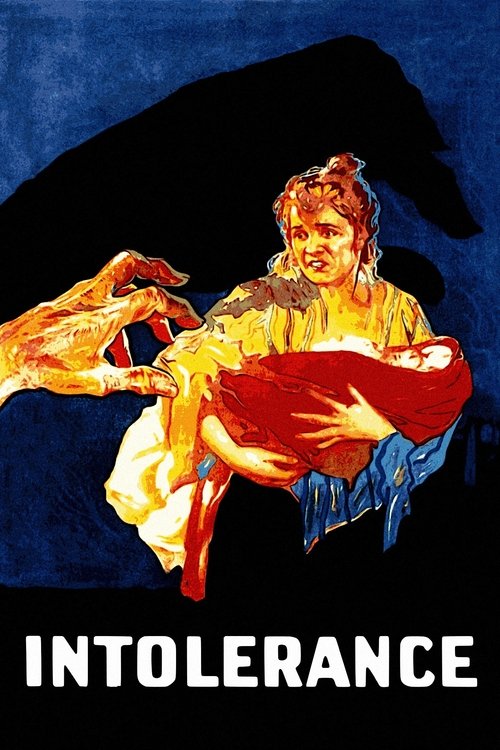
Intolerance: Love's Struggle Throughout the Ages1916
D.W. Griffith's epic of epic ambitions: four stories across history bound by a theme. Massive sets, thousands of extras, and sequences of genuine spectacle and artistry.
But Four simultaneous stories, 3+ hours, no clear protagonist, and the scale sometimes overwhelms the human drama. It's exhausting and occasionally incoherent.
Man with a Movie Camera1929
Both celebrate ordinary people doing ordinary things, and both are built entirely on the grammar of cinema—cuts, timing, the magic of editing. Vertov and Lloyd were contemporaries who saw film as its own language.
Dziga Vertov's Soviet documentary-poem about urban life and cinema itself. No plot, no actors—just the eye of the camera moving through a city, cut with mathematical precision. Hypnotic and utterly alive.
But It's avant-garde without narrative, which means you have to surrender to rhythm and image rather than follow a story. That alienates viewers expecting conventional cinema.

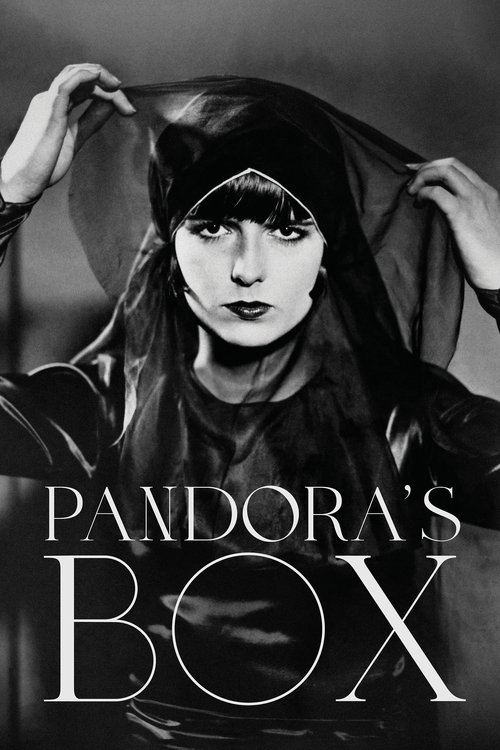
Pandora's Box1929
Both are silent films about characters learning who they are through external pressure, but where Lloyd's hero gains confidence through love and family, Brooks's Lulu discovers her nature through desire and transgression. Opposite journeys, same form.
Pabst's German Expressionist drama with Louise Brooks as Lulu, a woman whose sexuality destroys everyone around her. Gorgeous, dangerous, and operating in a completely different moral universe from American comedy of the era.
But It's a tragedy about sexual transgression and downfall made in 1929—heavy, fatalistic, and sexually frank by the standards of its time. Utterly bleak, with no redemption in sight.
People
Cast
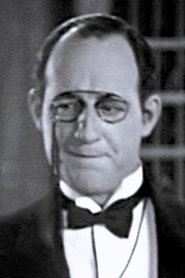
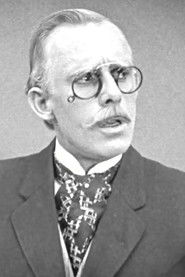
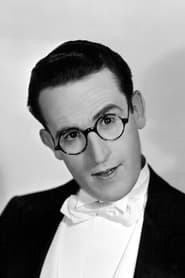 Harold LloydGrandma's Boy
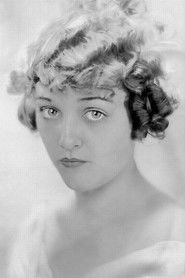 Mildred DavisHis Girl
 Anna TownsendHis Grandma
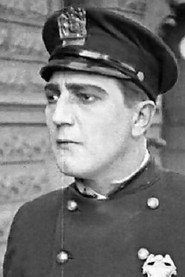 Charles StevensonHis Rival / Union General
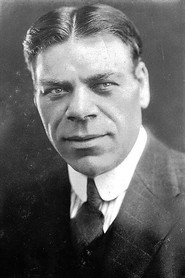 Dick SutherlandThe Rolling Stone
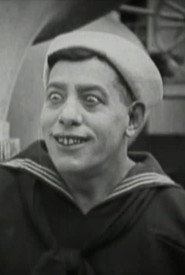 Noah YoungSheriff of Dabney County
Directing
- Fred C. NewmeyerDirector
Writing
- Hal RoachStory
- Harold LloydStory
- Jean C. HavezStory
- Sam TaylorStory
- H.M. WalkerWriter
- Thomas J. CrizerWriter
Production
- Hal RoachProducer