
Film
Tell It to the Marines
A 1926 Marine farce where a gruff sergeant trains recruits while caught in a love triangle with a nurse and a charming troublemaker. Lon Chaney plays it straight in a comedy, delivering physical gags and genuine warmth alongside the slapstick. It's briskly paced, surprisingly good-natured, and a window into what audiences found hilarious a century ago.
If you liked this
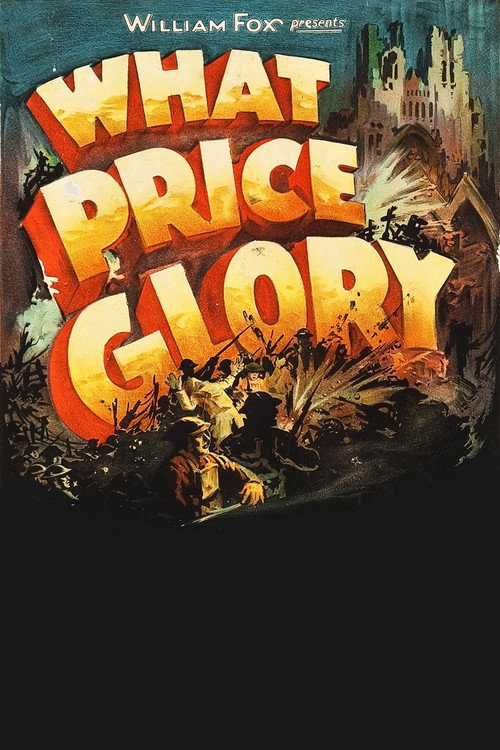
What Price Glory1926
Another 1926 military comedy that captures the same blend of barracks banter, romance, and action. It's equally fast-moving and finds humour in the friction between duty and desire without becoming precious about either.
But The tonal shifts between comedy and genuine violence can feel jarring. Silent film acting styles take adjustment if you're not used to them.
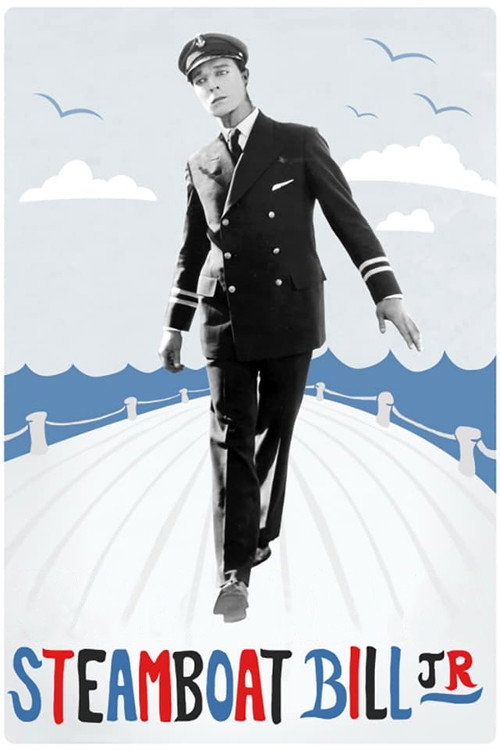
Steamboat Bill, Jr.1928
Buster Keaton navigating chaos with deadpan grace while romance and action swirl around him—the same central engine as *Tell It to the Marines*. Keaton's physical comedy and the earnest emotional beats will feel immediately familiar.
But It's slower-paced than Chaney's film and the humour is more subtle. Some find Keaton's impassive face less immediately engaging than Chaney's expressiveness.
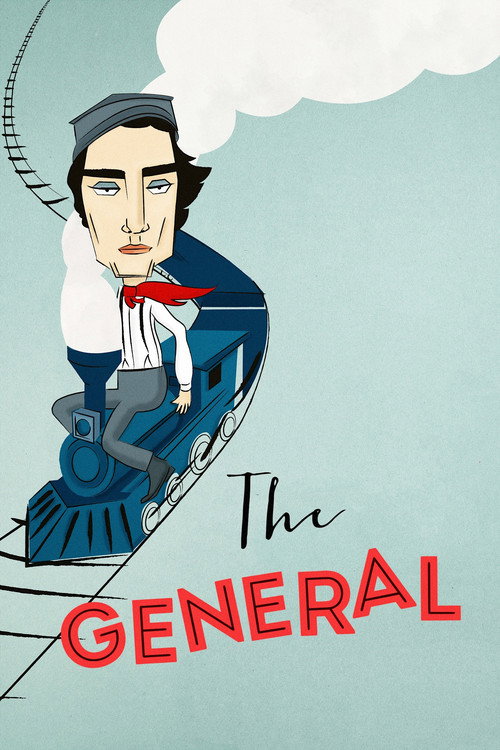
The General1926
Keaton again, and 1926 again—a military action-comedy with real spectacle, trains instead of barracks, and the same deadpan hero caught between loyalty and love. The set pieces are breathtaking.
But At two hours, it's longer and less interested in romantic comedy than in the logistics of its plot. The pacing is deliberate where *Tell It to the Marines* is snappy.
Not sure tonight? Get a pick in a minute, starting from Tell It to the Marines
The wildcard
Something you would not have found on your own.
Intolerance: Love's Struggle Throughout the Ages1916
Both films position romantic entanglement against institutional structures (the Marines, society itself) and use humour or spectacle to make the tension bearable rather than crushing.
D.W. Griffith's four-story epic intercuts Babylon, Renaissance Italy, Revolutionary France, and contemporary America across 187 minutes. It's the opposite of *Tell It to the Marines* in scope, but both are about the collision between duty and desire, authority and the individual. This is where the ideas behind all those military farces come from.
But It's very long, very ambitious, and the modern sequences are heavy-handed. Some find Griffith's moral framework patronizing. It demands active engagement, not passive viewing.

More like this (8)
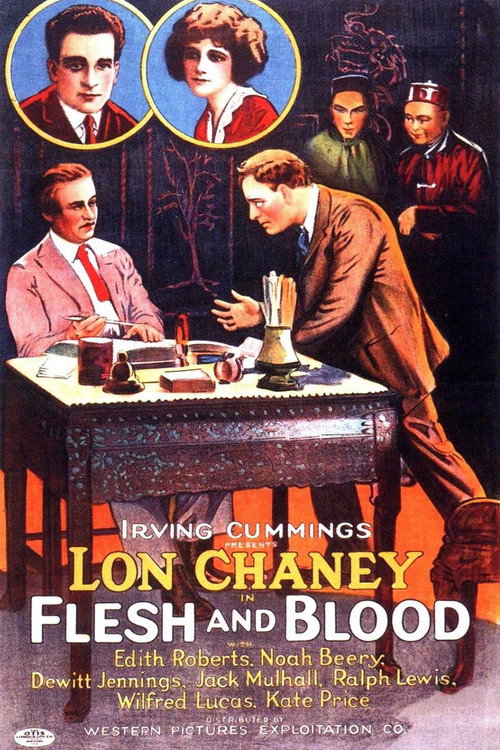
Flesh and Blood1922
John Gilbert in another Chaney-adjacent military farce with similar DNA: rough sergeants, impossible recruits, romantic entanglement, and location sequences that elevate the whole thing. It has real charm.
But It's more obscure and harder to find. The print quality may not be ideal, and it lacks Chaney's face to anchor the emotional moments.
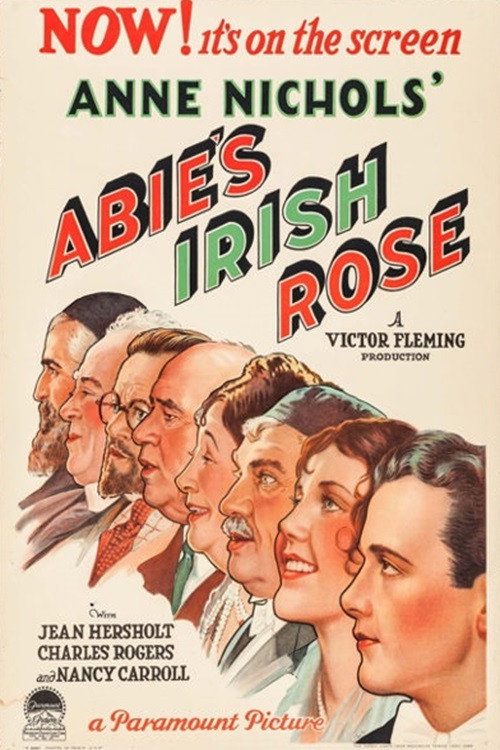
Abie's Irish Rose1928
A romantic comedy that shares the structural simplicity and warmth of *Tell It to the Marines*—two people who seem incompatible, external obstacles, resolution through understanding. It's genuinely funny without being mean.
But The plot feels thin if you're not invested in the romantic mechanics. Some of the ethnic humour feels dated even by 1926 standards.
The Phantom Carriage1921
Lon Chaney in a completely different register—supernatural, moral, genuinely unsettling. If you're curious what Chaney could do beyond comedy, this is the essential answer. The makeup and camera work are astonishing.
But It's bleak and slow-burn where *Tell It to the Marines* is breezy. The moral framework may feel heavy-handed, and it's demanding to watch.

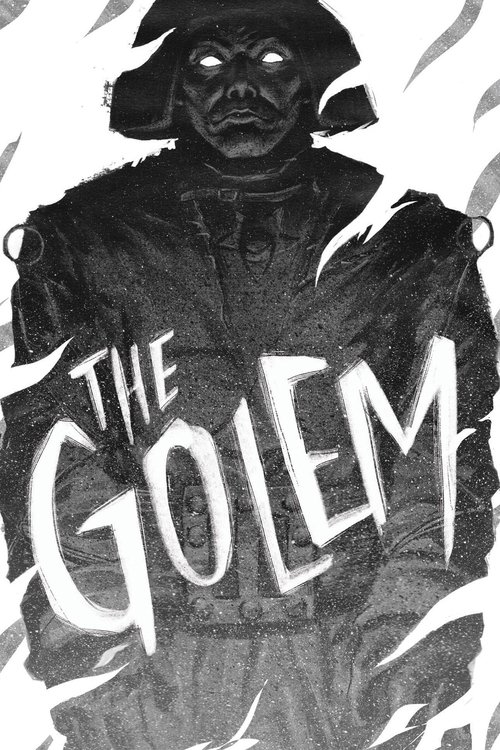
The Golem: How He Came into the World1920
A German Expressionist masterpiece with practical effects and monster design that influenced everything after it. If you want to see what cinema was capable of in 1920, this is non-negotiable.
But It's visually dense and symbolically thick—the opposite of *Tell It to the Marines*'s straightforward narrative. It's slow and requires patience with abstraction.
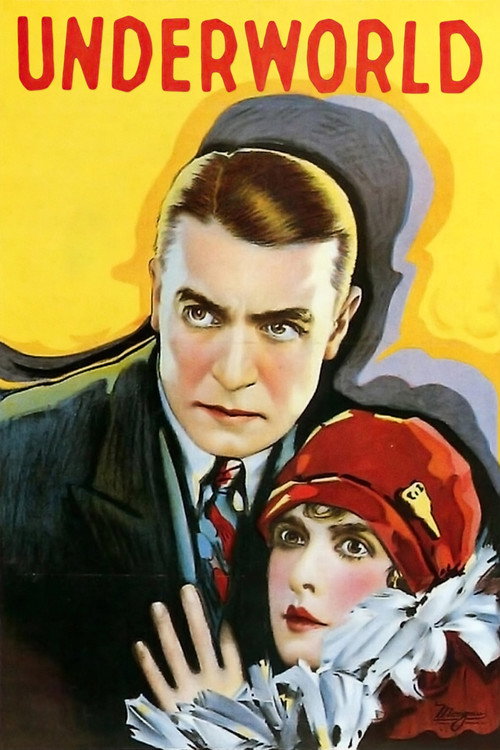
Underworld1927
A crime drama with genuine urgency and character depth. It's proof that silent filmmaking could handle moral ambiguity and adult themes with sophistication. The pacing is taut.
But It's dark and violent in ways *Tell It to the Marines* isn't. If you want another romp, this will feel like a tonal whiplash.
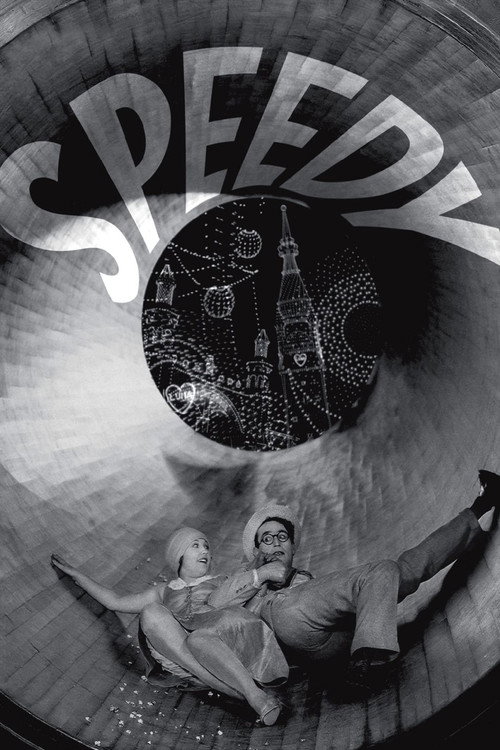
Speedy1928
Harold Lloyd in a New York action-comedy with real stunts and a sweetness that echoes *Tell It to the Marines*. Lloyd's optimism and physical courage give it genuine heart.
But Lloyd's humour is gentler and more sentimental than Chaney's. Some find his everyman routine repetitive across his films.
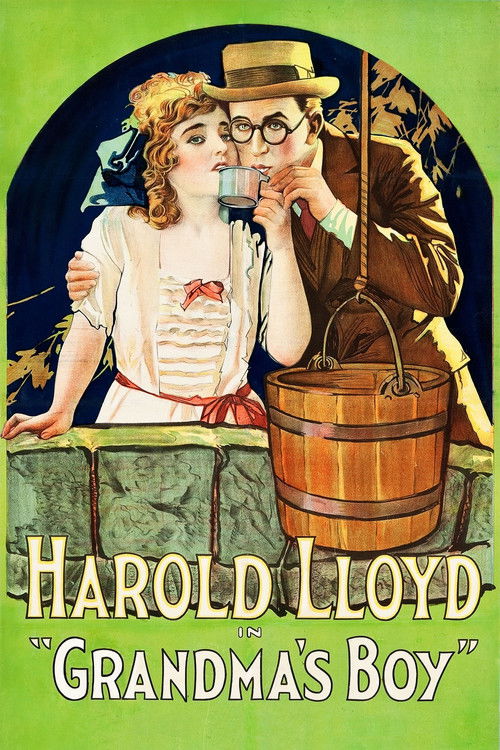
Grandma's Boy1922
Both trust that a man can change through circumstance and love, and both balance comedy against genuine emotional stakes without letting either overwhelm the other.
Harold Lloyd's comedy-drama about a cowardly young man who finds courage—same era, same confidence in redemption through action. It's gentler than *Tell It to the Marines* but hits the same emotional beats about masculine growth and proving yourself to the people who matter.
But It's slower and more sentimental. Lloyd's persona is less magnetic than Chaney's. The plot is thin if you're not invested in the romance.
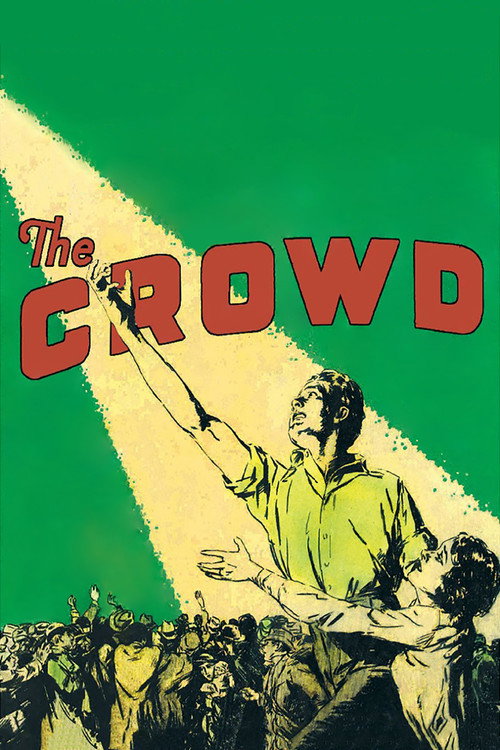
The Crowd1928
Both films are genuinely interested in how ordinary people behave and feel, and both use the resources of cinema not for spectacle but for insight into character.
King Vidor's almost anti-narrative about an ordinary man navigating work, marriage, and ambition in the modern city. It's a 1928 film about the experience of being ordinary, which is radically different from the military romance, but it's shot with such clarity and empathy that it feels like watching *Tell It to the Marines* from another angle—this is what civilian life looks like to the people our Marines come home to.
But It's deliberately undramatic and pessimistic in ways *Tell It to the Marines* isn't. Some find it boring; it's asking you to find meaning in routine. The ending is bleak.
People
Cast
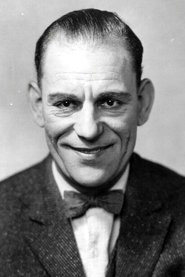 Lon ChaneySergeant O'Hara
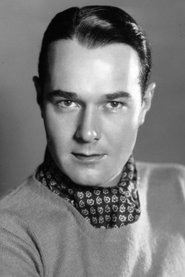 William HainesPrivate Skeet Burns
 Eleanor BoardmanNorma Dale
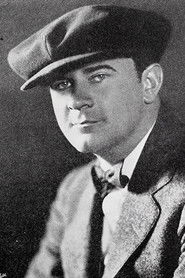 Eddie GribbonCorporal Madden
 Carmel MyersZaya
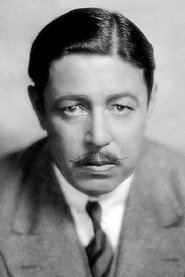 Warner OlandChinese Bandit Chief
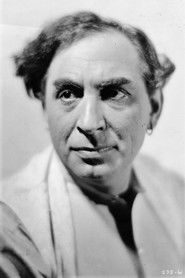 Mitchell LewisNative
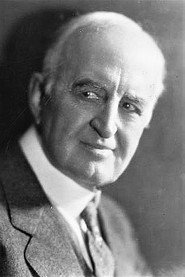 Frank CurrierGeneral Wilcox
- Maurice E. KainsHarry
- Lori BaraNavy Nurse
 Dick CurtisMarine in Barracks
 Nola LuxfordNavy Nurse
Directing
- George W. HillDirector
Writing
- Richard SchayerScreenplay
Production
- George W. HillProducer
- Frederic LeahyUnit Manager