
Film
What Price Glory
A 1926 silent war comedy about two rival U.S. Marines whose romantic competition follows them from peacetime postings in China and the Philippines to the trenches of France during World War I. It's a vigorous, bawdy farce that treats combat and courtship with equal irreverence, mixing slapstick with genuine tension. For anyone curious how Hollywood made sense of the Great War before talking pictures, or how comedians used physical performance to carry a story.
If you liked this
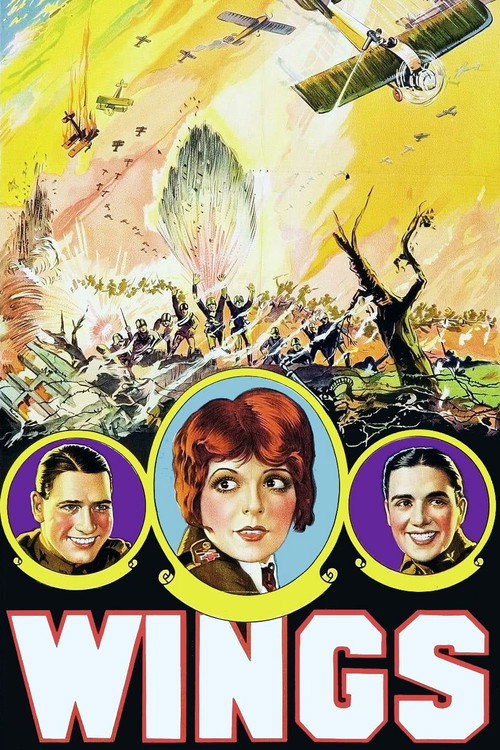
Wings1927
The Oscar-winning WWI epic that takes the air war seriously—sweeping dogfights, real spectacle, a love triangle that matters. If you loved the action and spectacle of *What Price Glory* but want the emotional weight turned up.
But It's three hours of silent film, and the middle section is almost dialogue-free dogfighting. The pacing is glacial by modern standards.
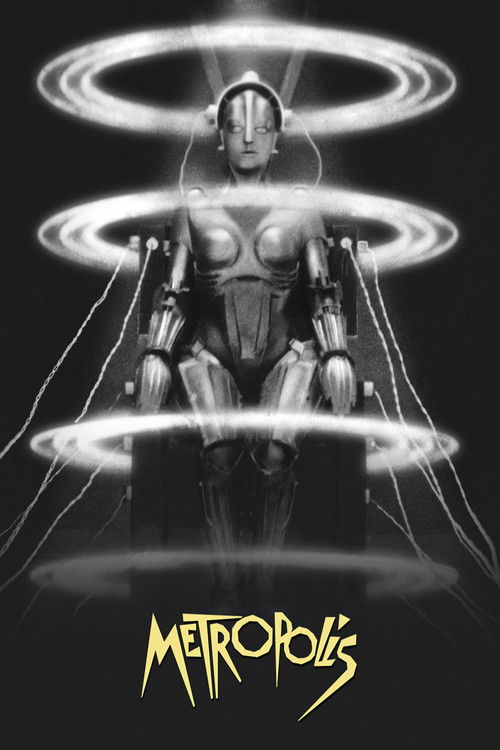
Metropolis1927
Fritz Lang's architectural masterpiece shows what silent cinema could do with ambition and resources. Visually extraordinary, narratively bold, mechanically intricate in ways that make you rethink the form.
But The plot is straightforward to the point of simplicity, and some of the social messaging lands heavy-handedly. Also exhaustingly long.
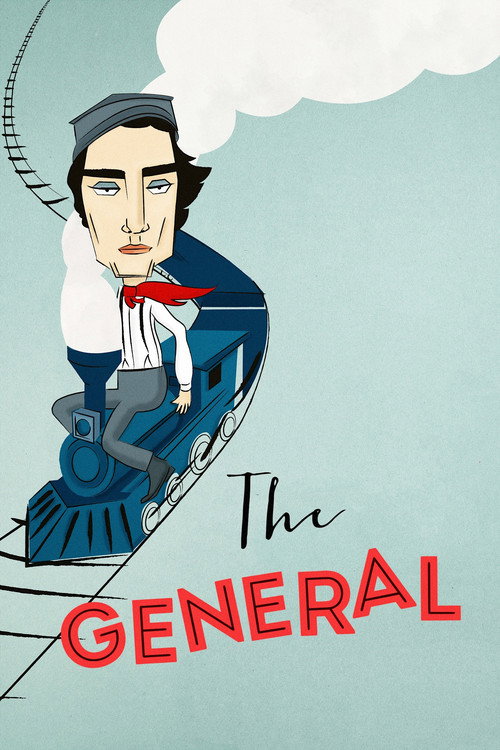
The General1926
Buster Keaton's deadpan genius applied to a Civil War train chase. Physical comedy at its absolute peak—inventive, dangerous, timed perfectly. Pure cinematic joy, no patience required.
But The humor is entirely physical; if slapstick leaves you cold, this won't convert you. And it's a Confederate hero, which is uncomfortable.
Not sure tonight? Get a pick in a minute, starting from What Price Glory
The wildcard
Something you would not have found on your own.
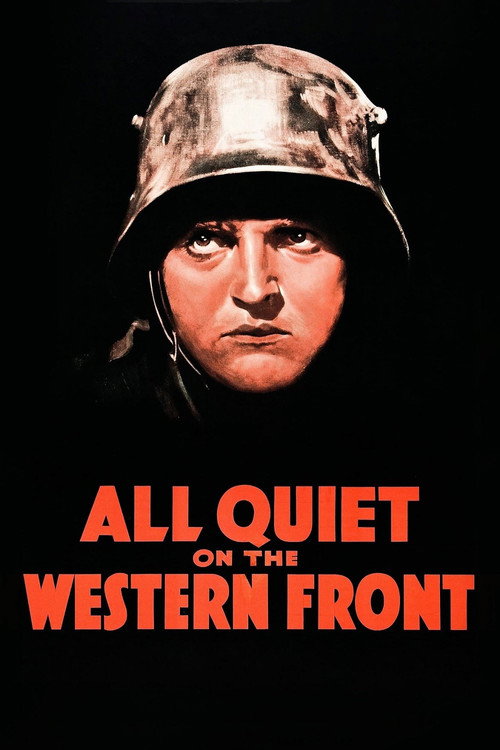
All Quiet on the Western Front1930
Both films use World War I as their crucible, but one comedy uses it as backdrop and catalyst; this drama uses it as the point itself. Watching them back-to-back shows you the whole range of how cinema processed the war.
The sound-era WWI film that *What Price Glory* imagined possible. Where *Glory* mixes farce with horror, *All Quiet* commits fully to the tragedy of young men dying in trenches. A completely different register on the same war.
But It's relentlessly bleak, graphically violent for 1930, and emotionally punishing. Not bracing or cathartic; just sad and futile. Difficult viewing.
More like this (8)
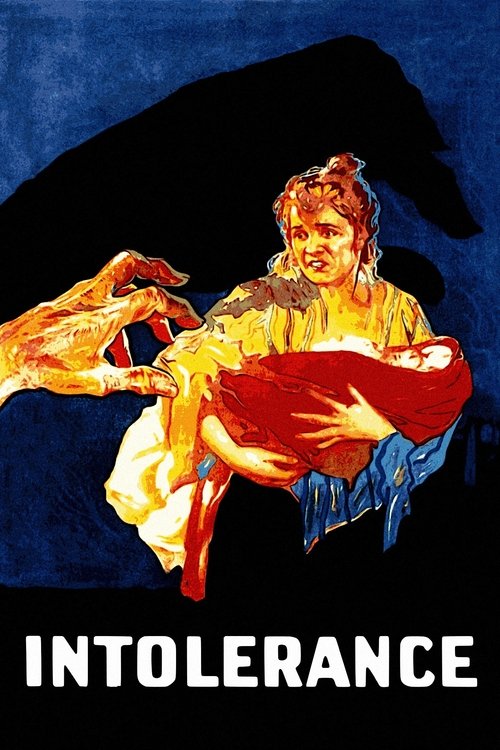
Intolerance: Love's Struggle Throughout the Ages1916
D.W. Griffith's mad, four-timeline epic about persecution across the centuries. Visually staggering, structurally audacious, sometimes hilarious by accident. A film that feels like watching history being invented.
But It's nearly four hours and the narrative is deliberately fragmented and symbolic. You have to meet it more than halfway, and it's not always worth the effort.
The Phantom Carriage1921
A Swedish ghost story that's melancholic and strange, with real emotional depth. Handles death, regret, and redemption in ways that feel sincere beneath the supernatural machinery. Beautifully photographed.
But It's slow, deeply sad, and the supernatural elements may feel dated. Not a comfort watch; it's asking something difficult of you.

Nosferatu1922
The vampire film that all others descend from. Eerie, visually composed like a nightmare, and genuinely unsettling despite the era. Proof that you don't need dialogue to create dread.
But The plot is slight, the acting is theatrical even by 1922 standards, and if you've seen a hundred films influenced by it, you might feel you've already seen this.

Sunrise: A Song of Two Humans1927
F.W. Murnau's ravishing film about a married couple torn apart by temptation and urban seduction. Visually poetic, emotionally genuine, gorgeously lit. A romance that earns its restoration.
But The story is essentially a melodrama—straightforward and sentimental. If you find earnest emotion embarrassing, the sincerity will feel suffocating.

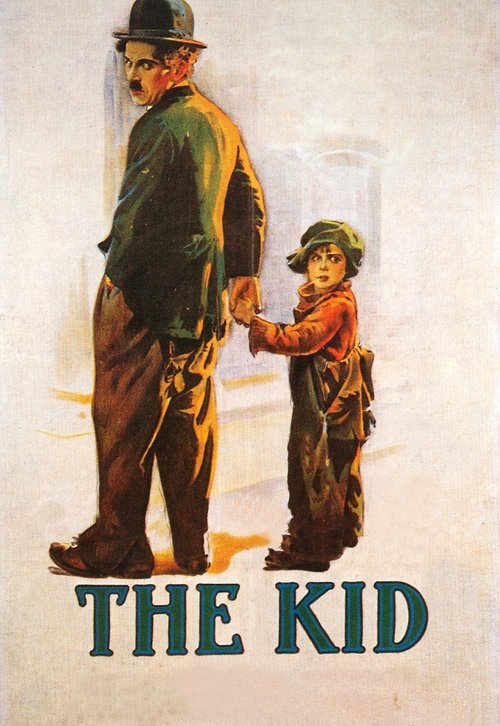
The Kid1921
Charlie Chaplin's Tramp befriending a street orphan. Funny, touching, inventive, and humanely made. Comedy and pathos woven so tightly you forget they're separate things.
But Chaplin's Little Tramp character is precious, and some readers will find him cloying rather than charming. The film also trades on poverty as sentiment.
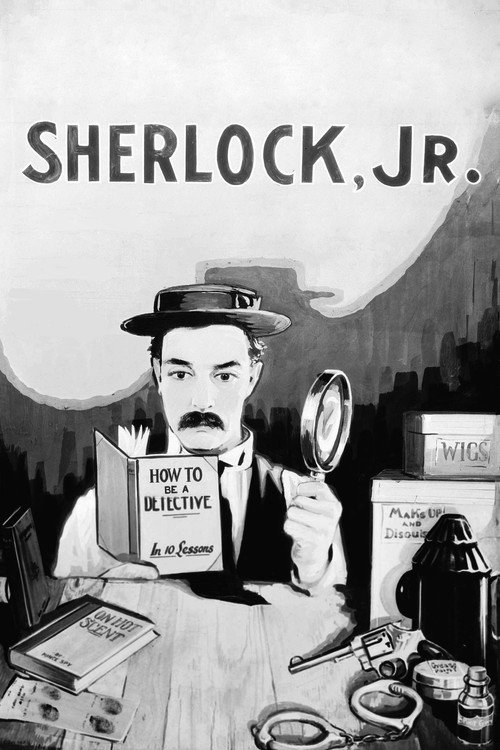
Sherlock Jr.1924
Buster Keaton as a projectionist who dreams himself into his own film. Inventive, brief, structurally clever, and genuinely funny. A love letter to movies and to physical comedy.
But It's only fifty-five minutes, and some gags land better than others. The plot exists mainly as scaffolding for set pieces.
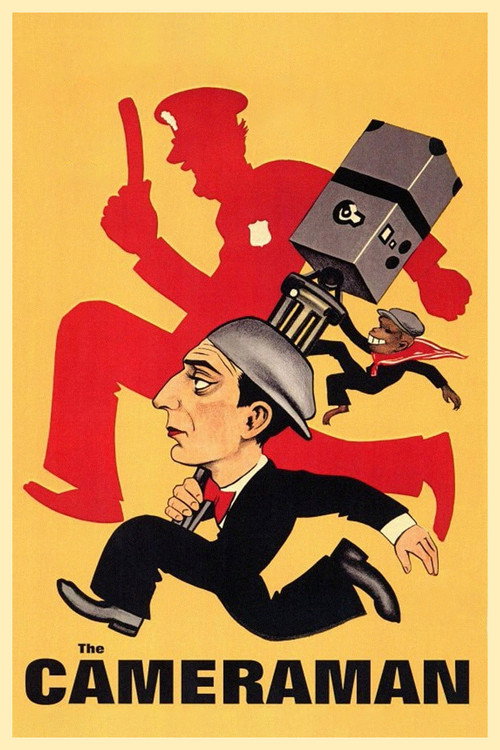
The Cameraman1928
Same era, same form, same gender politics—the bumbling hero trying to impress the girl—but Keaton's film is gentler and more romantic than the aggressive competition of *What Price Glory*. A sideways echo, not a direct answer.
Buster Keaton directed this—a film about a newsreel cameraman trying to prove himself and win the girl. Comedy, romance, and genuine affection for the scrappy male lead trying so hard. Keaton at his warmest.
But The plot is slight and predictable, even for 1928. Long stretches are just Keaton mugging and fumbling with a camera. If you need narrative momentum, you'll be frustrated.
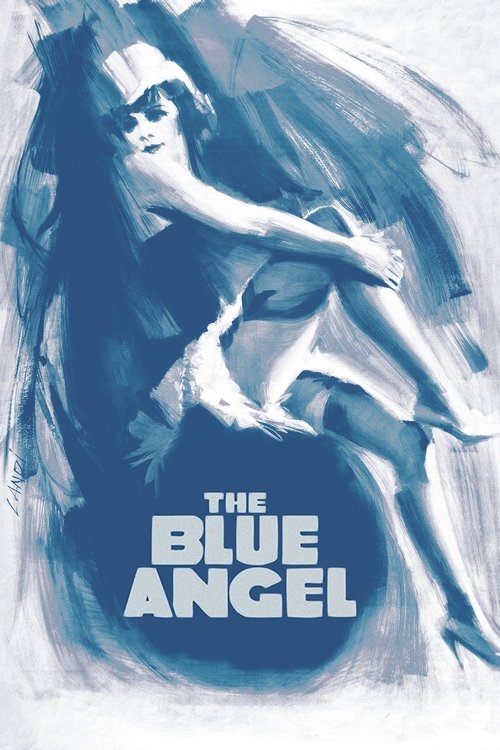
The Blue Angel1930
Where *What Price Glory* plays rivalry and desire as comedy with stakes, *The Blue Angel* plays the same obsession as tragedy. Both watch men undone by competing desires, but one laughs at the chaos while the other watches it destroy a life.
Josef von Sternberg's Weimar masterpiece with Emil Jannings and Marlene Dietrich. A middle-aged professor destroyed by desire and humiliation in a cabaret. Visually ravishing, sexually charged, psychologically cruel.
But It's a film about degradation and there's no redemption or comfort. Dietrich's character is not sympathetic; the sex is predatory. It's a descent into hell, not a story about people you like.
People
Cast
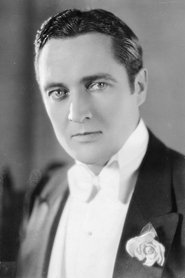 Edmund Lowe1st Sgt. Harry Quirt
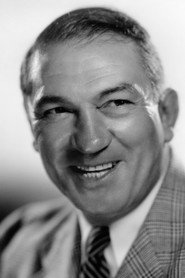 Victor McLaglenCapt. Flagg
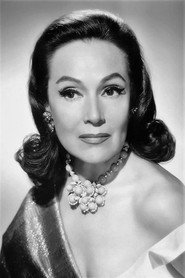 Dolores del RíoCharmaine de la Cognac
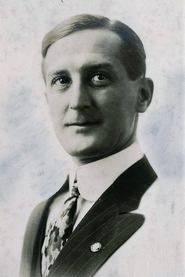 William V. MongCognac Pete
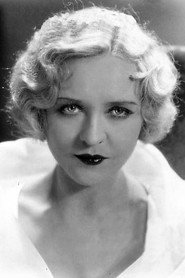 Phyllis HaverShanghai Mabel
- Elena JuradoCarmen
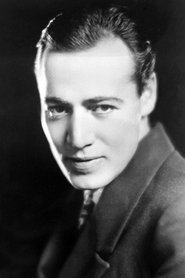 Leslie FentonLt. Moore
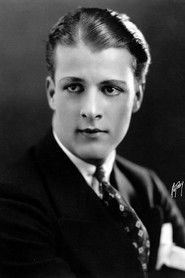 Barry NortonPvt. Kenneth 'Mother's Boy' Lewisohn
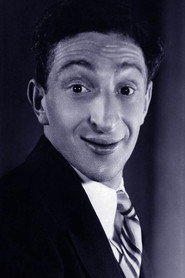 Sammy CohenPvt. Lipinsky
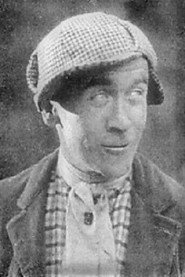 Ted McNamaraPvt. Kiper
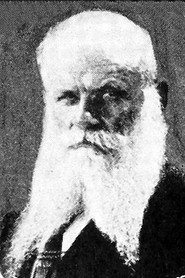 August TollaireFrench Mayor
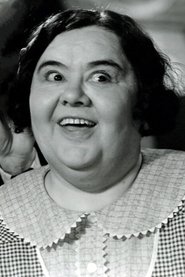 Mathilde ComontCamille
Directing
- Daniel KeefeAssistant Director
- Raoul WalshDirector
Writing
- Laurence StallingsTheatre Play
- Maxwell AndersonTheatre Play
- James T. O'DonohoeWriter
Production
- William FoxProducer