
Film
The General
Buster Keaton's masterpiece disguises itself as slapstick and turns out to be one of the great action films ever made. A Southern railroad engineer chases his stolen locomotive through enemy lines, performing stunts of insane precision with no doubles, no cuts, no safety net. It's funny, but mostly it's just breathtaking — filmmaking as pure kinetic craft.
If you liked this
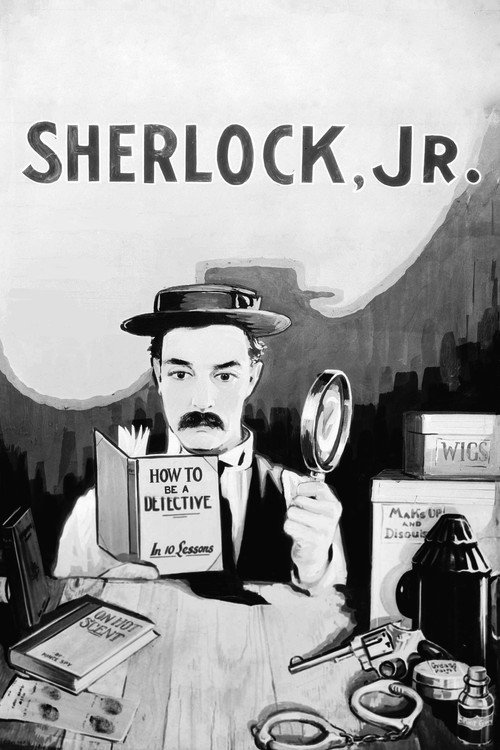
Sherlock Jr.1924
Keaton at his most inventive — a projectionist who literally walks into the movie he's screening. Tighter and stranger than The General, with some of the most astonishing physical gags ever filmed.
But Less narrative momentum than The General; it's more a string of dazzling set-pieces than a story you're pulled through.
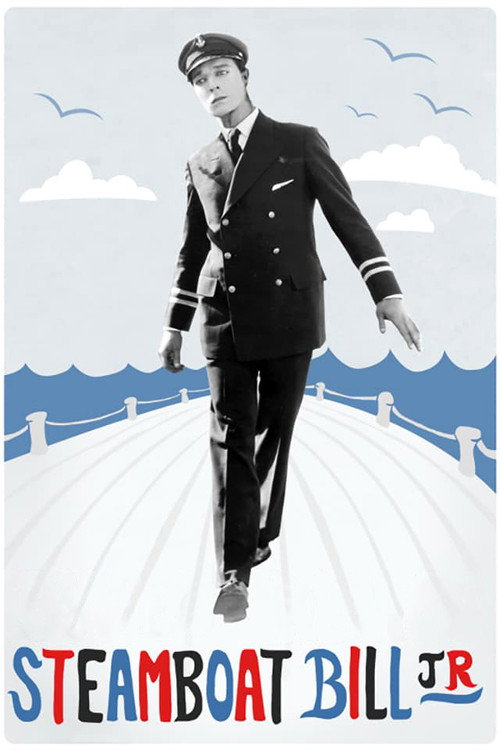
Steamboat Bill, Jr.1928
Keaton's cyclone-hits-a-house finale is the closest thing in his catalogue to The General's runaway-train sequence — pure architectural destruction, choreographed to the inch.
But The father-son plot is thinner and the pacing sags before the storm arrives to save it.
The Navigator1924no page yet
Same Keaton trick of turning a huge machine — this time an entire ocean liner — into a comic partner and obstacle course. If you loved the train as a character, you'll love the ship.
But Slower start than The General, and the humour leans more on isolation gags than chase momentum.
The wildcard
Something you would not have found on your own.
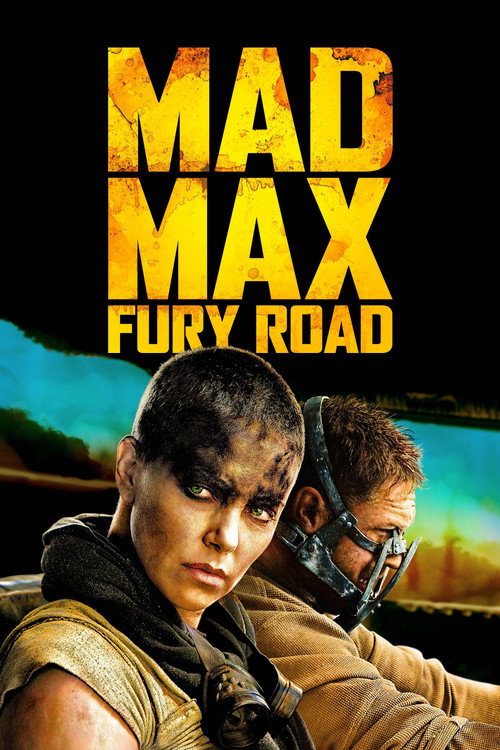
Mad Max: Fury Road2015
Both films treat a single vehicle as the entire engine of the story and refuse to fake the danger — practical stunts, real machinery, a chase that never really stops. Same idea, ninety years and one genre apart.
A two-hour chase where a single vehicle is the plot, the stakes, and the star — shot almost entirely with real stunts and real machines, no different in spirit from Keaton risking his neck for a laugh.
But Loud, violent, and maximalist where Keaton is quiet and precise; the tonal jump from silent comedy to apocalyptic action is enormous.
More like this (8)
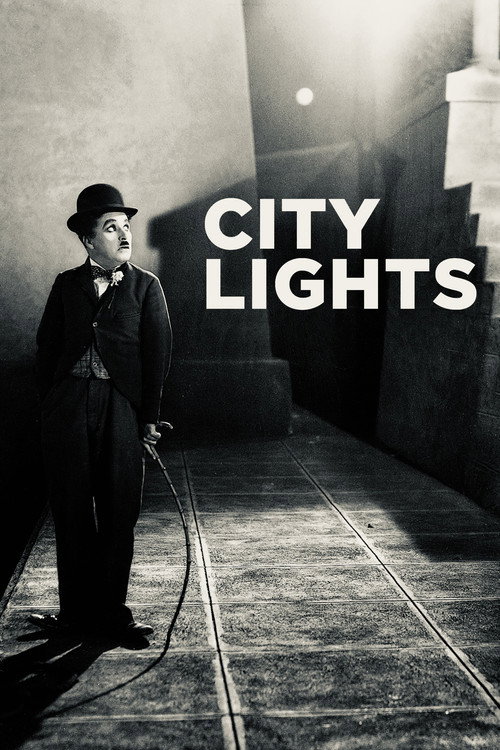
City Lights1931
Chaplin's answer to Keaton's stone-faced stoicism — same era, same commitment to silent physical storytelling, but with a sentimental heart Keaton never shows his hand on.
But If you want more of Keaton's deadpan cool, Chaplin's warmth and pathos will feel like a different emotional register entirely.
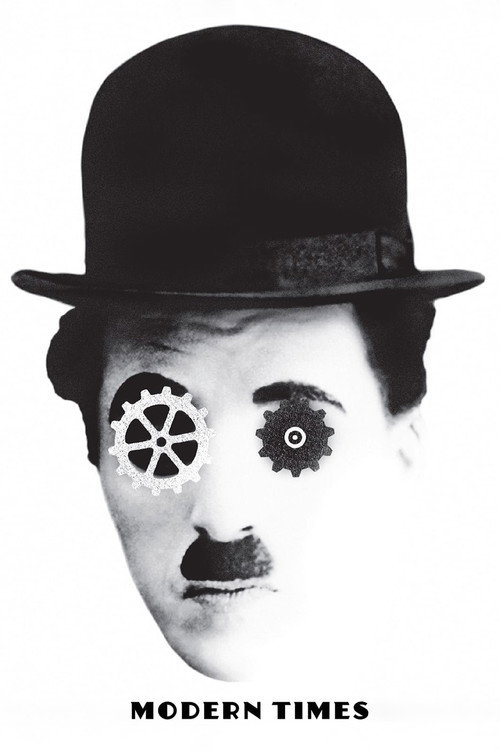
Modern Times1936
Chaplin battling industrial machinery the way Keaton battles a train — man versus mechanism played for both laughs and real anxiety about the modern world.
But Made a decade after silent film's supposed death; the nostalgia is part of the point, which some viewers find twee.
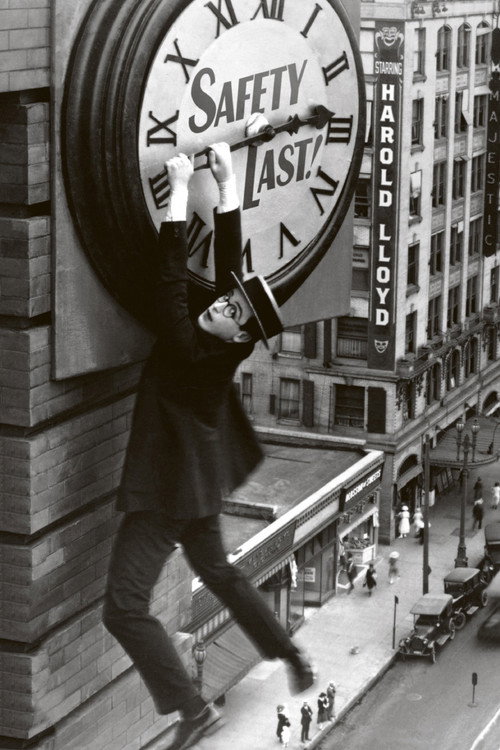
Safety Last!1923
Harold Lloyd hanging off a clock face is the other iconic image of silent-era derring-do. Same era, same white-knuckle stunt commitment, different comic persona entirely.
But Lloyd's everyman charm is broader and more eager-to-please than Keaton's granite composure — a real tonal shift.
Our Hospitality1923no page yet
An earlier Keaton vehicle built around a real antique locomotive, with the same obsessive attention to period detail and mechanical comedy that makes The General sing.
But The feud plot is slighter, and the train stuff is confined mostly to one glorious extended sequence rather than the whole film.
Seven Chances1925no page yet
Keaton being chased by an avalanche of brides is the closest thing to The General's sustained, escalating chase structure outside the film itself.
But The premise is thinner and more farcical, with less of the melancholy that gives The General its texture.
The Kid Brother1927no page yet
Harold Lloyd's most Keaton-like film — a scrawny underdog proving himself through ingenuity and physical nerve rather than muscle, in a rural setting close to The General's.
But Less consistently funny than Lloyd's best work, and it takes a while to find its footing before the great final chase.
The Great Train Robbery1903no page yet
This is the ancestor of The General's entire genre: outlaws, a stolen train, a chase resolved by pursuit and cunning. Watching it is watching where Keaton's whole toolkit came from.
The film that essentially invented the train chase and cross-cut action editing, more than two decades before Keaton perfected it. Twelve minutes that changed cinema.
But It's a museum piece, not entertainment in the modern sense — primitive acting, no sound, over almost before it starts.
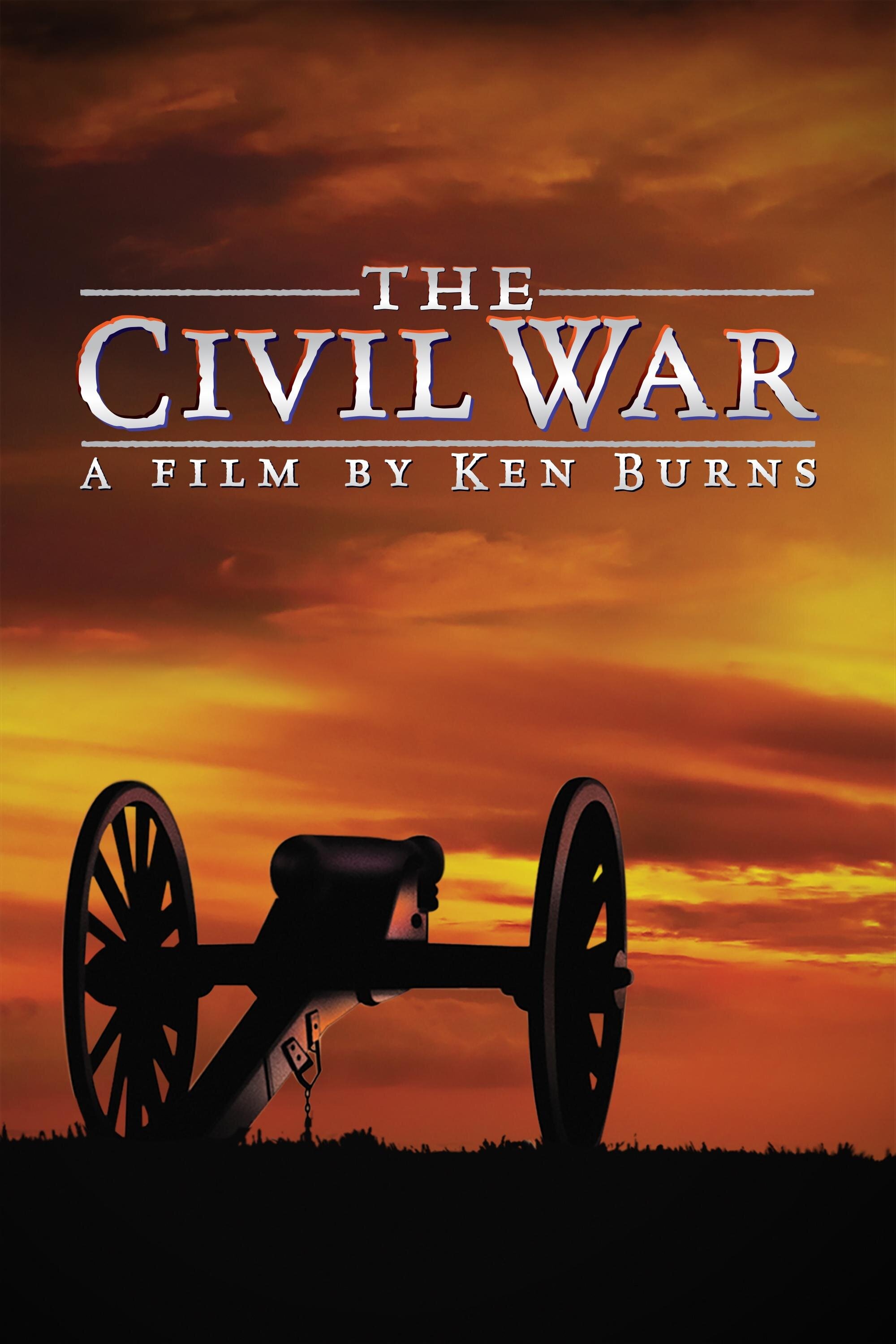
The Civil War1990
Same war, same railroads, same landscape of division — but where Keaton mines it for a love story and a chase, Burns confronts the suffering underneath. Watching both together is a lesson in how differently a subject can be handled.
Ken Burns's documentary gives you the war The General turns into slapstick — the actual human cost behind the uniforms, the trains, the battle lines Keaton's comedy glides past.
But Nine episodes and roughly eleven hours of grief, letters, and photographs — a serious commitment with none of the comic relief.
People
Cast
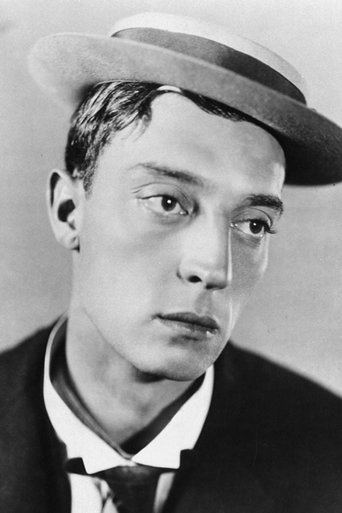 Buster KeatonJohnnie Gray
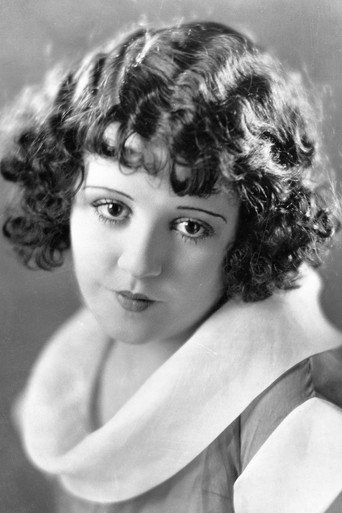 Marion MackAnnabelle Lee
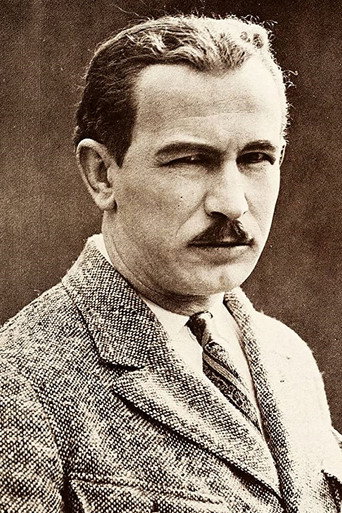 Glen CavenderCaptain Anderson
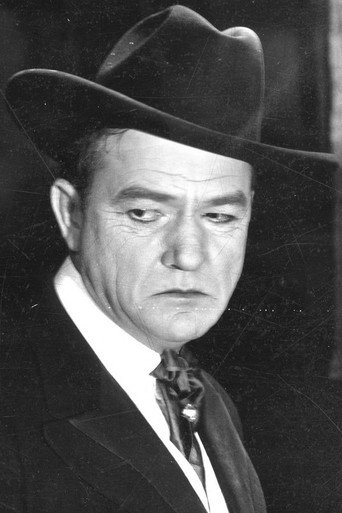 Jim FarleyGeneral Thatcher
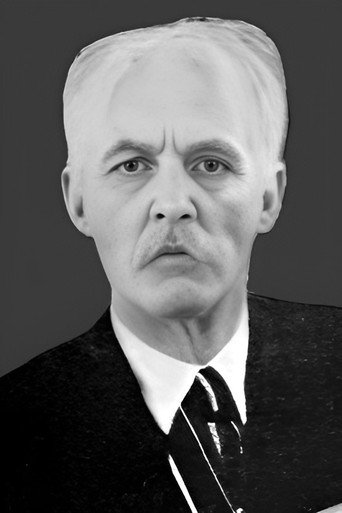 Frederick VroomA Southern General
- Frank BarnesAnnabelle's Brother
- Charles Henry SmithAnnabelle's Father
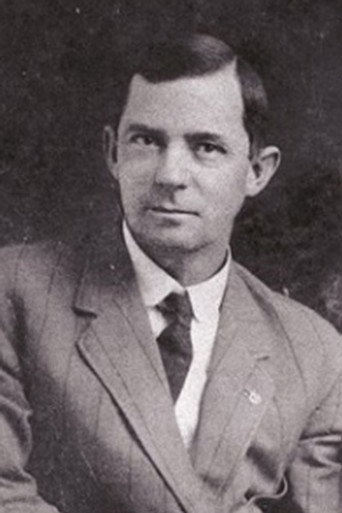 Joe KeatonUnion General
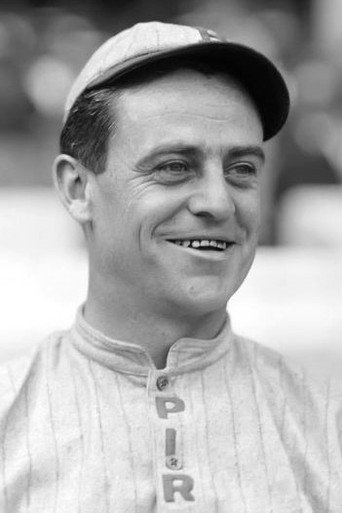 Mike DonlinUnion General
- Tom NawnUnion General
- Henry BairdSoldier (uncredited)
- Joe BricherSoldier (uncredited)
Directing
- Edward HearnAssistant Director
- Buster KeatonDirector
- Clyde BruckmanDirector
Writing
- Al BoasbergAdaptation
- Charles Henry SmithAdaptation
- William PittengerBook
- Buster KeatonScreenplay
- Clyde BruckmanScreenplay
Production
- Buster KeatonProducer
- Joseph M. SchenckProducer
- Harry BrandProduction Coordinator
- Fred GabourieProduction Manager
Recommended by
North by Northwest, Kung Fu Hustle, Safety Last!, The Dick Van Dyke Show, Sherlock Jr., Modern Times, Steamboat Bill, Jr., City Lights, The Gold Rush, Genevieve, The Titfield Thunderbolt, I Love Lucy, The Goodies, The Wrong Trousers, The Great Race, Minions: The Rise of Gru, Cold Mountain, The Good, the Bad, the Weird, The Milton Berle Show