
Film
The Titfield Thunderbolt
A vicar, a squire and the local gentry band together to save their doomed branch line from British Railways' axe, commandeering a museum engine and running rings around a scheming bus company. It's Ealing at its most amiably eccentric — gentle, silly, soaked in steam and English pluck. Best watched by anyone who likes their comedy cosy, communal and slightly barmy rather than sharp.
If you liked this
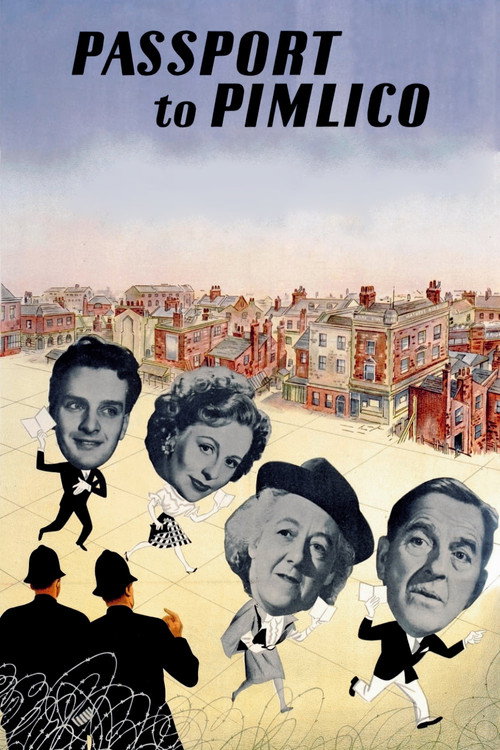
Passport to Pimlico1949
The template for this whole strand of English comedy: ordinary people declare independence from officialdom and chaos follows with enormous good cheer. Same postwar warmth, same delight in bureaucratic mischief.
But Its whimsy about rationing and borders is very much of its moment and may feel dated or slight now.
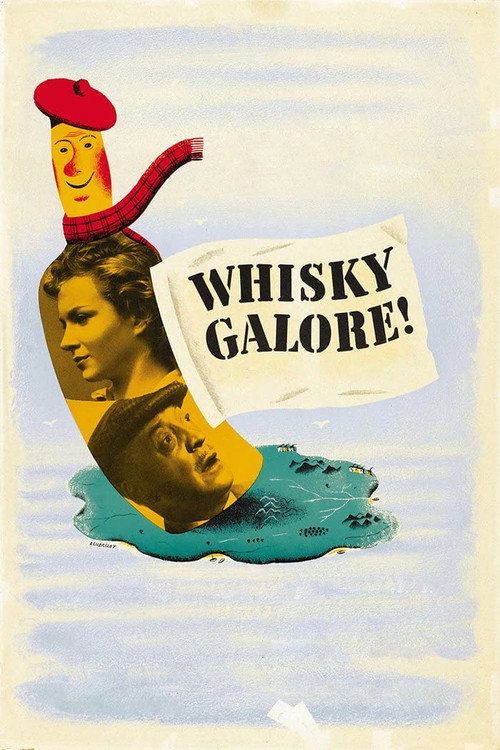
Whisky Galore!1949
A shipwrecked cargo of whisky, a suspicious Home Guard captain, and islanders determined to outwit authority — pure Ealing cunning with a Scottish accent instead of an English one.
But The plot is thin and episodic; it coasts on charm rather than incident, which won't suit everyone.
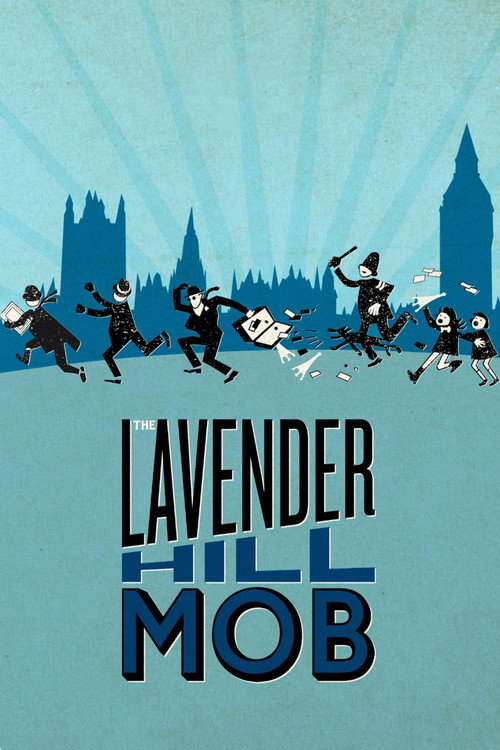
The Lavender Hill Mob1951
Stanley Holloway again, this time helping mastermind a gold heist with the same twinkly amateur ingenuity that powers Titfield. Sharper, funnier, and a genuine crime-caper joy.
But It's a heist comedy rather than a community one, so the cosy village texture is largely absent.
The wildcard
Something you would not have found on your own.
The Navigators2001no page yet
Same subject — Britain's railways and the human cost of their dismantling — but flipped from cheerful Ealing fantasy to grim social-realist tragedy, forty years and one privatisation later.
Ken Loach's furious, unsentimental look at British Rail workers after privatisation — the same railways, the same island, but told as a warning rather than a lark.
But It is bleak, angry and deliberately anti-whimsical; anyone wanting Titfield's cosiness should stay well away.
More like this (8)
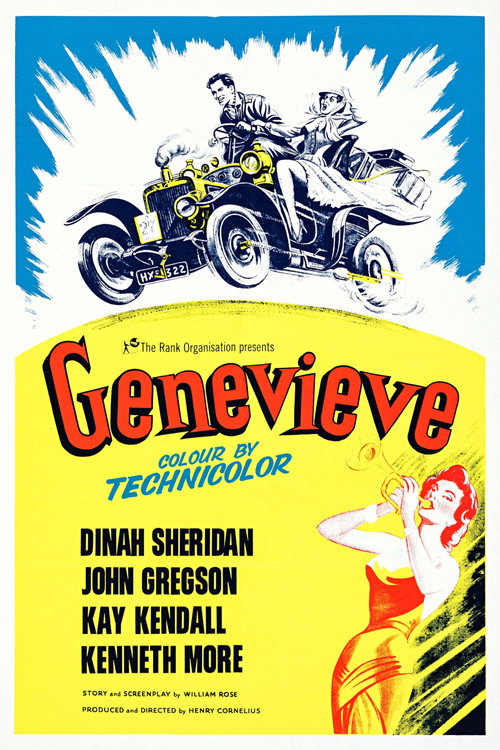
Genevieve1953
Vintage cars replace vintage trains, but the rose-tinted, faintly ridiculous Englishness is identical — a London-to-Brighton rally comedy full of bickering couples and mechanical mishaps.
But The central romance's bickering can grate, and its gender politics haven't aged gracefully.
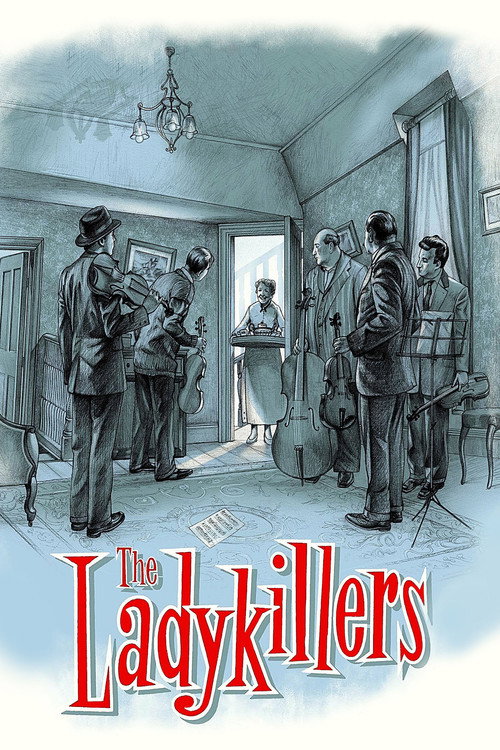
The Ladykillers1955
Later, blacker Ealing, with a genteel landlady unknowingly housing a gang of crooks. Same studio's knack for turning very English politeness into comic weaponry.
But Its comedy is drier and more macabre than Titfield's — less cosy, more wickedly funny.
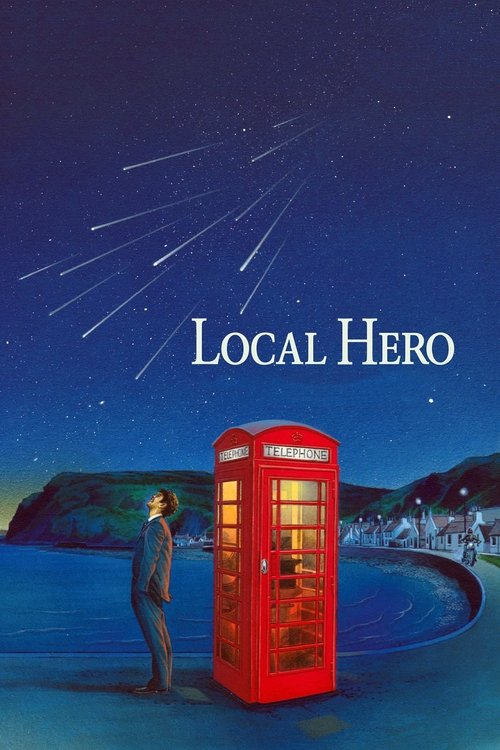
Local Hero1983
An American oil executive tries to buy a Scottish village, and the village quietly, hilariously refuses to be bought straightforwardly. Same gentle satire of outsiders versus community stubbornness.
But It's slower and more melancholic, with a wistful streak Titfield never bothers with.
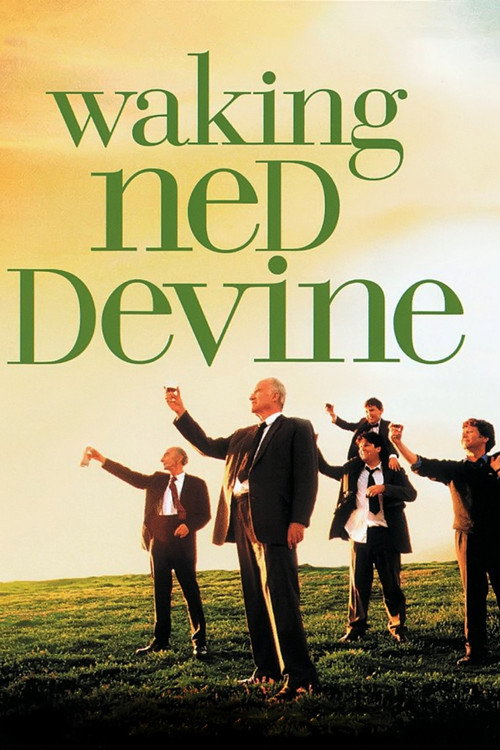
Waking Ned1998
A tiny Irish village conspires to claim a dead neighbour's lottery winnings — the same spirit of a small community pulling off an absurd scheme together, with real affection for its eccentrics.
But The premise leans on a slightly macabre deception that some may find less charming than intended.
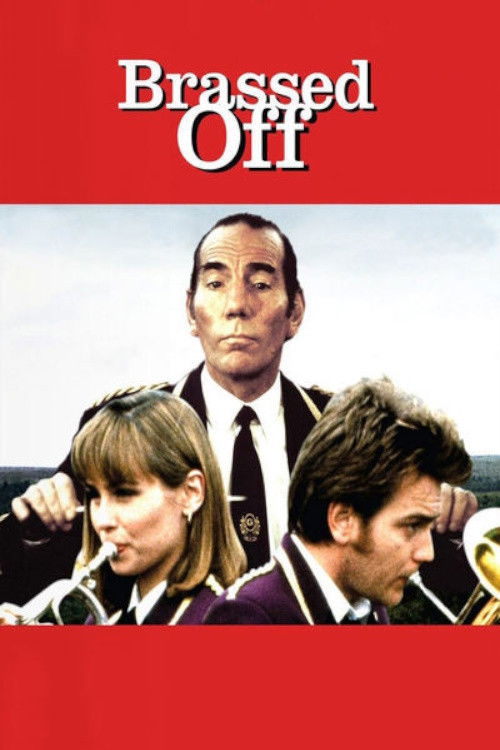
Brassed Off1996
A colliery band plays on as the pit itself is closed down — the same fight to save something beloved from bureaucratic indifference, but with real teeth and heartbreak underneath the humour.
But It's considerably angrier and sadder than Titfield; the comedy curdles into genuine grief by the end.
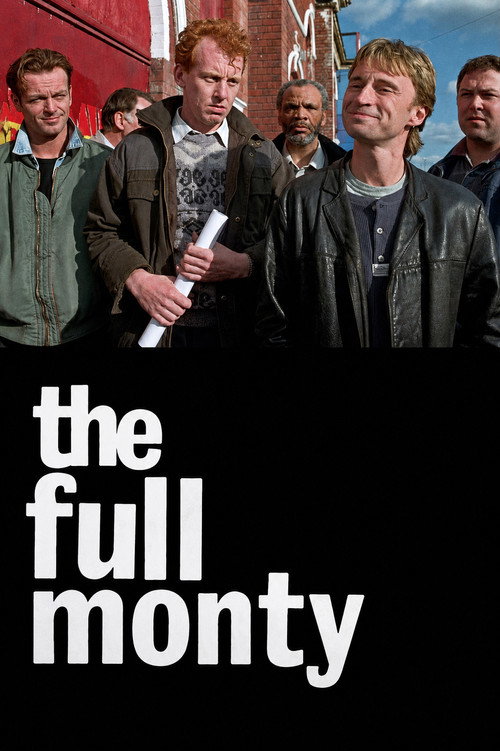
The Full Monty1997
Unemployed steelworkers turn strippers to survive — another story of a community improvising absurdly to save itself, with the same warmth underneath the laughs.
But Its backdrop of industrial collapse and depression is far bleaker than anything in Titfield's sunny village world.
Terminus1961no page yet
Both films are besotted with British railways as a stage for national character, but one dramatises that affection as farce and the other simply watches it happen, unscripted, in black and white.
A short, quietly brilliant documentary following one ordinary day at London's Waterloo station — lost children, courting couples, weary commuters, all filmed with real tenderness for railway life.
But There's no plot and no comedy, just observation; some will find it slow or find themselves wanting more narrative.
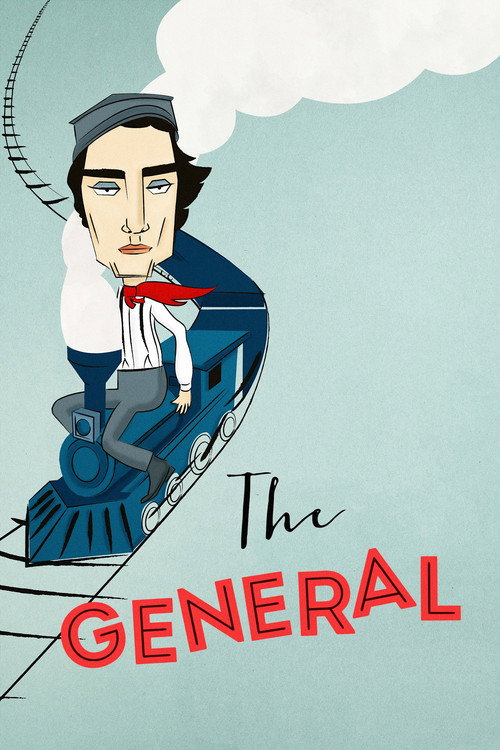
The General1926
Both films treat an old steam engine as practically a character worth risking everything for, but Keaton trades gentle English satire for breathtaking, death-defying slapstick spectacle.
Buster Keaton, silent and fearless, turns a stolen locomotive chase into some of the greatest physical comedy ever filmed — a train as both hero and obstacle course.
But It's silent, nearly a century old, and its Civil War setting and pacing will take real adjustment for newcomers to the era.
People
Cast
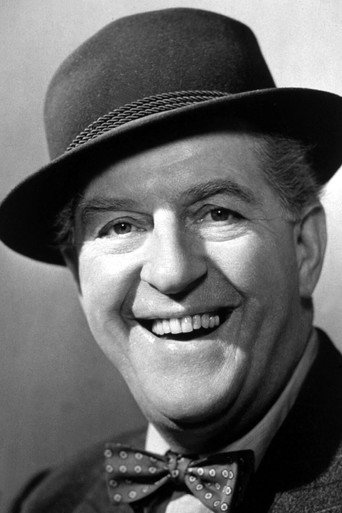 Stanley HollowayWalter Valentine
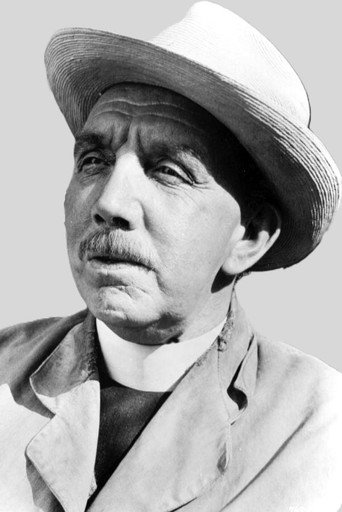 George RelphVicar Sam Weech
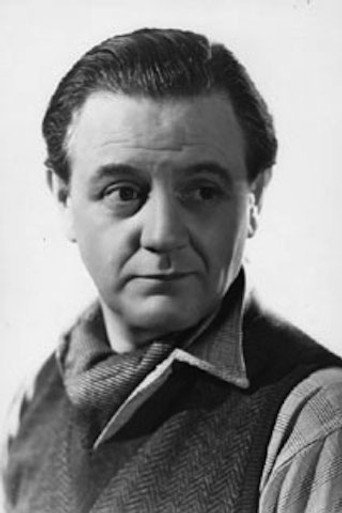 Naunton WayneGeorge Blakeworth
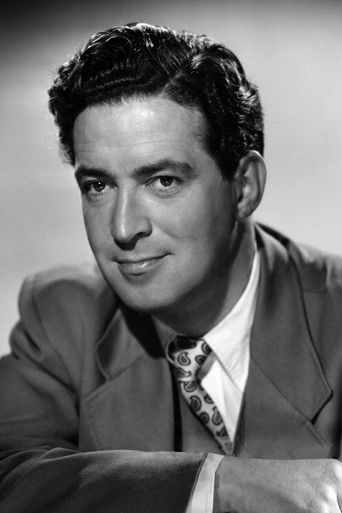 John GregsonSquire Gordon Chesterford
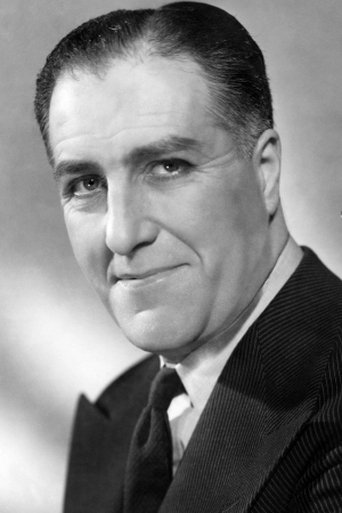 Godfrey TearleOllie Matthews (The Bishop)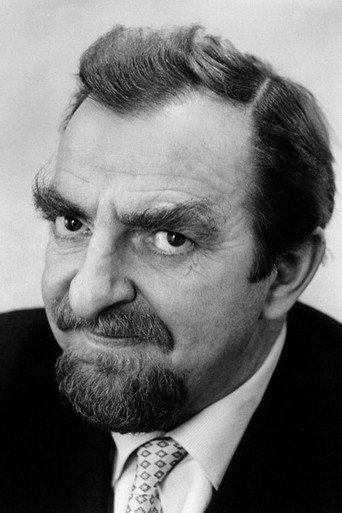
 Gabrielle BruneJoan Hampton
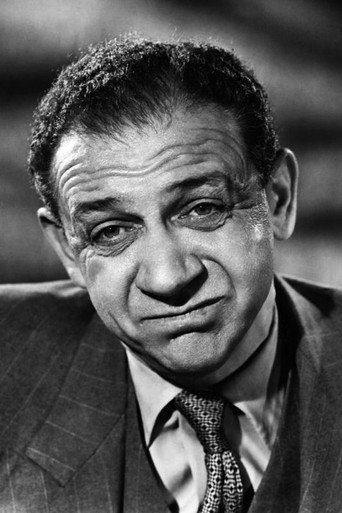 Sidney JamesHarry Hawkins
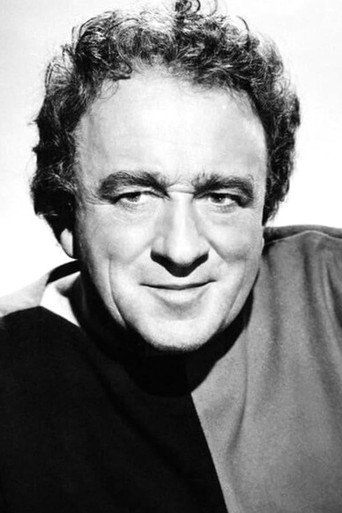 Reginald BeckwithCoggett
 Edie MartinEmily
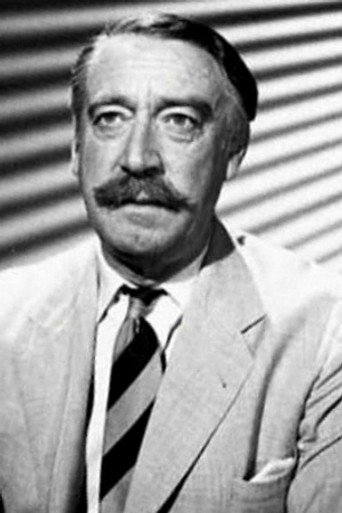 Michael TrubshaweRuddock
 Jack MacGowranVernon Crump
Directing
- David PeersAssistant Director
- Felicia ManheimContinuity
- Charles CrichtonDirector
- Terry BishopSecond Unit Director
Writing
- T. E. B. ClarkeScreenplay
Production
- Michael BalconExecutive Producer
- Michael TrumanProducer
- Hal MasonProduction Supervisor
- Harry KratzUnit Production Manager
Recommended by
Whisky Galore!, Last of the Summer Wine, Ivor the Engine, Rockets Galore, The Vicar of Dibley