
Film
Terminus
A 35-minute Oscar-winning documentary that captures 24 hours at London's Waterloo Station. No narration, no agenda—just people arriving, departing, waiting, saying goodbye. It's intimate and sprawling at once, a portrait of a city in motion and the small dramas of ordinary transit. Essential cinema for anyone curious about how documentary can find universal human truth in a single location.
If you liked this
Grey Gardens1976
The Maysles brothers' other masterpiece of observation. Two eccentric women in a decaying mansion become a portrait of isolation, memory, and the American dream's underside. Hypnotic and deeply moving.
But It's claustrophobic and occasionally uncomfortable to watch. The ethics of filming vulnerable people without intervention will trouble you, as they should.

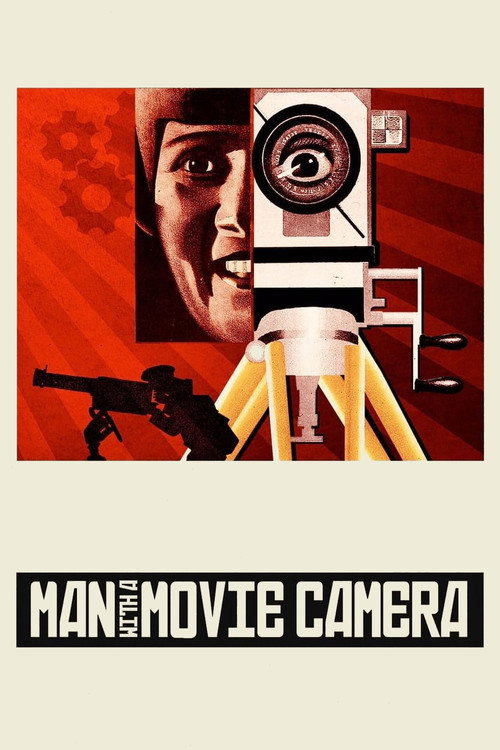
Man with a Movie Camera1929
Vertov's silent Soviet montage of everyday city life—a spiritual ancestor to Terminus. Dizzying, joyful, and technically audacious. It shows how much poetry lives in ordinary motion.
But No plot, no characters, no conventional drama. If you need a story to hold you, the first ten minutes might feel like abstract formalism.
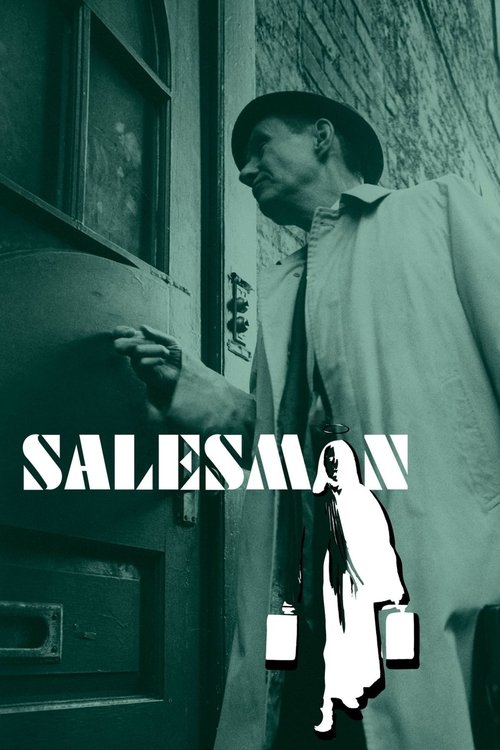
Salesman1969
The Maysles again, following door-to-door Bible salesmen across America. Painfully funny and sad. The intimacy is devastating—you watch ambition, faith, and disappointment in real time.
But It's bleak and sometimes embarrassing to watch. The salesmen's struggles become almost too real, and there's no comfortable distance.
Not sure tonight? Get a pick in a minute, starting from Terminus
The wildcard
Something you would not have found on your own.
Stalker1979
Both films trust that human presence and the space of expectation are enough. Both make the in-between into the story.
Tarkovsky's film about a guide leading two men through a mysterious zone toward a room of wishes. Like Terminus, it's about waiting, anticipation, and the spaces between destinations. But it's metaphysical, hypnotic, and devastatingly slow.
But 163 minutes of deliberate pacing. If Terminus intrigued you but you thought 35 minutes was already asking a lot, this will test your patience to breaking.

More like this (6)
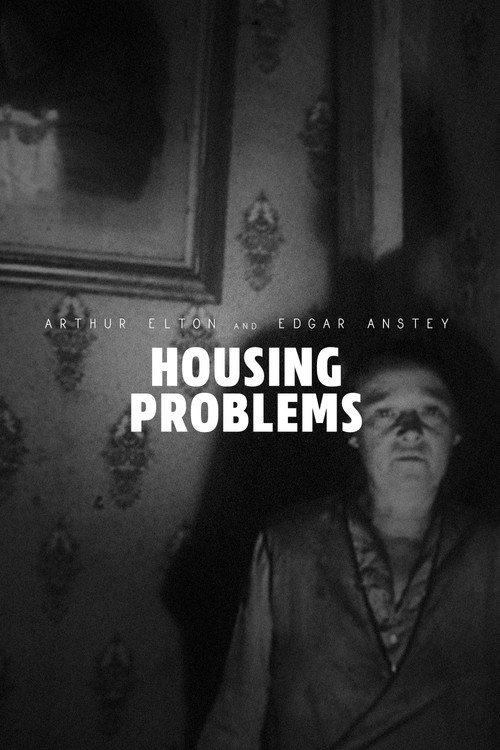
Housing Problems1935
A British documentary that lets working-class residents speak directly to camera about their terrible housing. Radical for 1935, still powerful. It's about listening rather than explaining.
But It's short and slight by modern standards. The impact comes from the innovation, not the information.
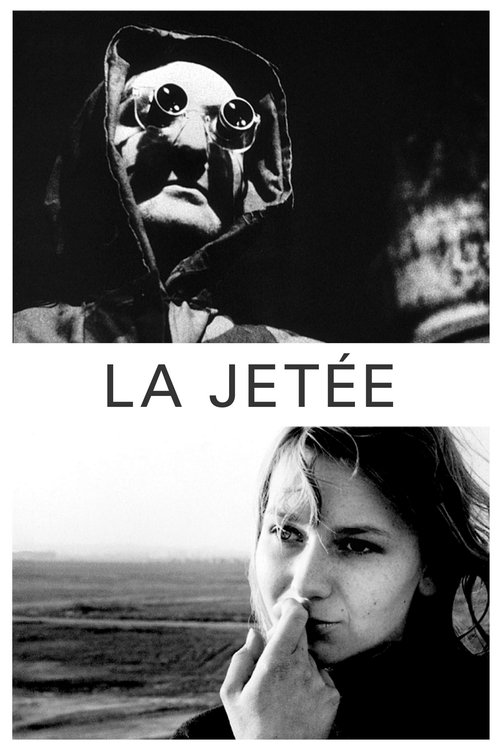
La Jetée1962
A 28-minute sci-fi meditation told almost entirely in still photographs and voice-over. Like Terminus, it's a perfect argument for what cinema can do in miniature. Mysterious and unforgettable.
But It's deliberately abstract and chilly. There's no conventional narrative drive, and the experimental form might feel precious rather than poignant.
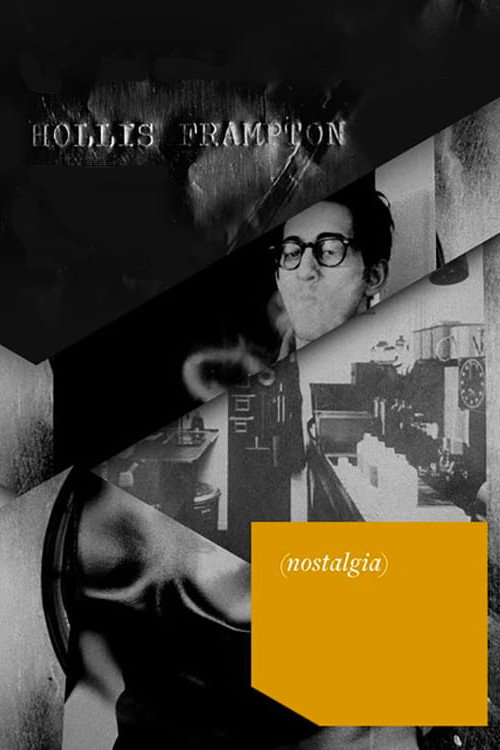
Hapax Legomena I: (nostalgia)1971
Hollis Frampton's experimental film about a hand and an object, filmed in real time. It shares Terminus's faith in sustained observation—that watching closely enough becomes revelation.
But It's avant-garde and genuinely difficult. Most viewers will find it impenetrable on first sitting, and that's by design.
Sans Soleil1983
Chris Marker's essay-film moves through cities, memory, and time with an oblique, essayistic eye. It's nothing like a traditional documentary, but it asks similar questions about how we see and what we remember.
But It's digressive, fragmented, and sometimes opaque. There's no clear argument, and if you need one, you'll find it maddening rather than enriching.

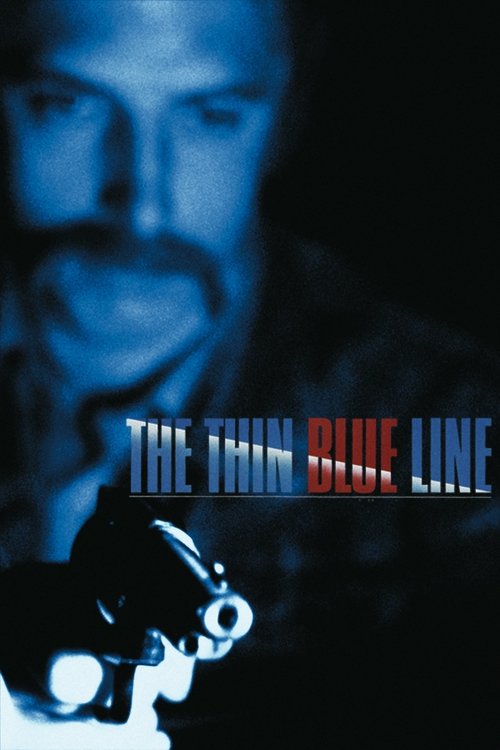
The Thin Blue Line1988
Both use repetition and visual pattern to make meaning. Both understand that form—how you show something—is as important as what you show.
Errol Morris reconstructs a murder case using archival footage, animation, and interviews. It's also formally inventive—it finds cinematic language for the spaces between facts, using repetition and rhythm like Terminus does.
But It's about a real crime and wrongful conviction. The emotional weight is very different from Terminus's gentle observation, and it can feel exploitative if you don't trust Morris's purpose.
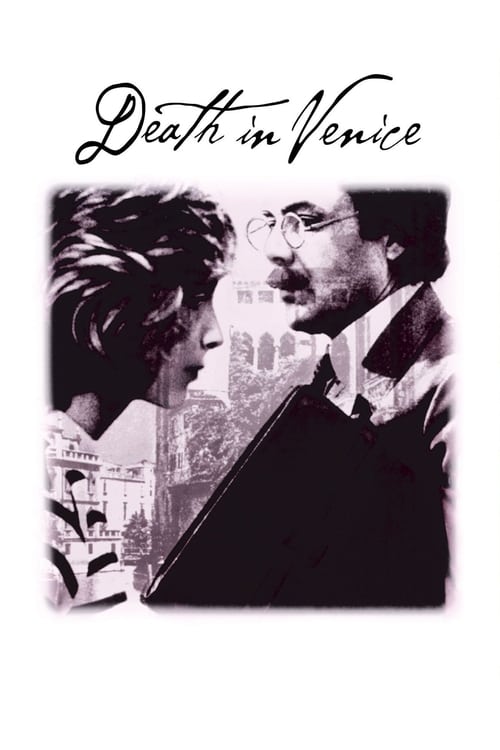
Death in Venice1971
Both films argue that watching people in a fixed space, over time, reveals the whole human condition. Both are about departure and arrival as metaphors for existence itself.
Visconti's adaptation of Mann is a visual symphony about a man watching, waiting, and slowly dissolving. It's a transit film—the Lido as a station of the soul. Sumptuous, aching, formally perfect.
But It's extremely slow, erotically charged, and about psychological and physical decay. It's the opposite of Terminus's democratic warmth—aristocratic, oblique, uncomfortable.
People
Cast
 Peggy AshcroftMother (uncredited)
- Gertrude DickinWoman Asking About Train (uncredited)
 Margaret LaceyElderly Lady at Lost Property Office (uncredited)
- Matthew PerryLittle Lost Boy (uncredited)
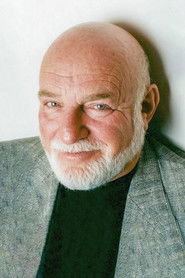 John SchlesingerPassenger (uncredited)
Directing
- Nicholas HaleAssistant Director
- John SchlesingerDirector
Writing
- Julian CooperLyricist
- Michell RaperLyricist
- John SchlesingerWriter
Production
- Edgar AnsteyProducer