
Film
Hapax Legomena I: (nostalgia)
- Strange
- Slow-burning
A 36-minute experimental film where Michael Snow narrates Hollis Frampton's photographs as they burn on a hot plate. The images ignite while Snow reads Frampton's deadpan, digressive commentary—part memoir, part theory, utterly hypnotic. For viewers willing to sit with strangeness: this is meditative, conceptual cinema that treats destruction as revelation. It rewards patience with profound oddness.
Should you watch it?
Watch it if you are drawn to experimental cinema that treats a few still images as a meditation on memory, and you enjoy a voice that talks about pictures while the pictures disappear.
Skip it if the appeal is almost entirely formal, so if you need characters, a plot or any sense of forward motion, the half hour will feel long and very quiet.
What it asks of you: Thirty-six minutes of sustained attention on a single mechanism, with the narration doing most of the work while the images slowly change.
Not sure? Find tonight's pick in a minute.
If you liked this
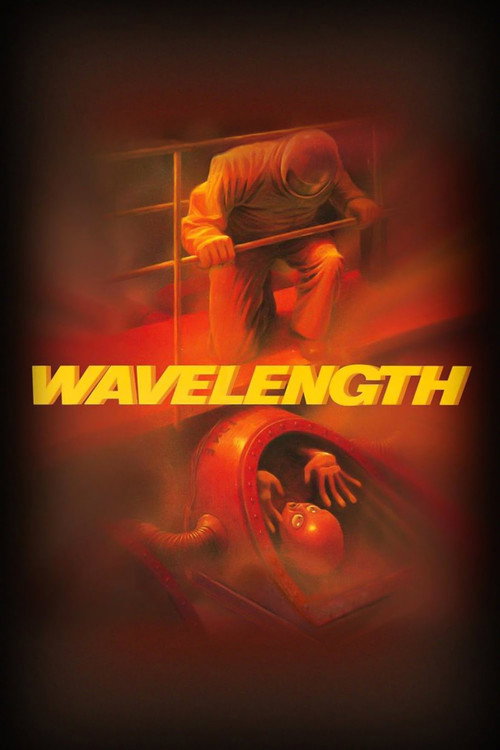
Wavelength1983
Douglas Gordon's film about the act of looking itself, where a camera slowly zooms across a loft for 45 minutes. Shares Snow's fascination with cinema's mechanical bones and what happens when you strip away narrative entirely.
But Nothing happens. The pacing is deliberately glacial, and if you need plot or character, this will feel like punishment rather than contemplation.
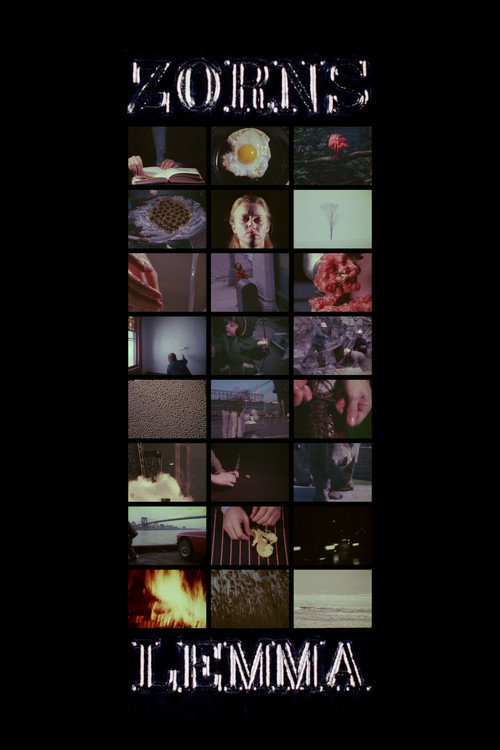
Zorns Lemma1970
Hollis Frampton's own masterpiece: 60 minutes of alphabet cards, voices, and found imagery creating a strange grammar of film itself. Essential context for understanding what Hapax Legomena is doing and thinking.
But Willfully obscure and structurally severe. The reward is real but requires genuine surrender to its logic.
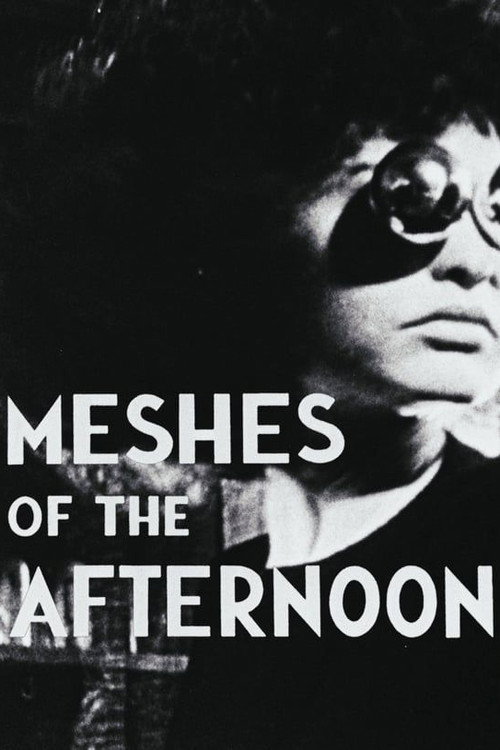
Meshes of the Afternoon1943
Maya Deren's 14-minute avant-garde meditation on space and time—hypnotic, strange, the foundation of experimental cinema. Dense with meaning despite its brevity; every frame deserves attention.
But It's symbolic and abstract. If you prefer narrative clarity, the dreamlike repetition and lack of dialogue will frustrate you.
Not sure tonight? Get a pick in a minute, starting from Hapax Legomena I: (nostalgia)
The wildcard
Something you would not have found on your own.
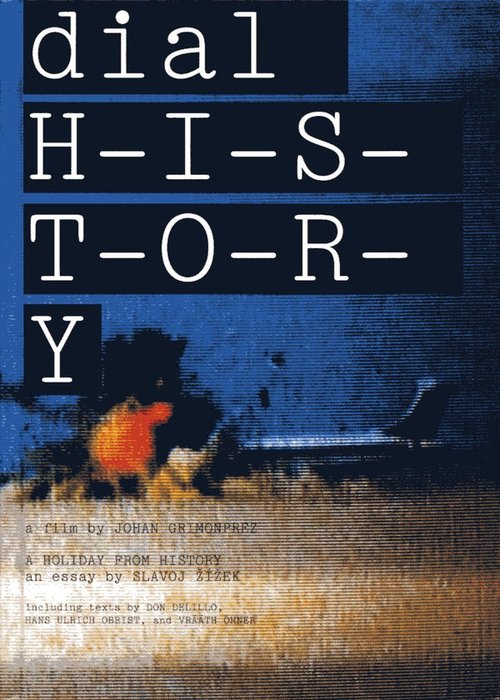
Dial H-I-S-T-O-R-Y1997
Both use systematic destruction or transformation of images as a philosophical act; both treat narration as collaborative meaning-making rather than explanation.
Atom Egoyan's video essay that recombines found footage—a Turkish soap opera, public access TV—to create meaning through juxtaposition and repetition. Like Hapax Legomena, it's about how narration transforms material; here the voice is fragmented and multiple instead of singular.
But It's deliberately incoherent and TV-based, which feels trashy by art-cinema standards. The lack of authorial presence (no named director narrating) may feel impersonal.
More like this (8)
Sans Soleil1983
Chris Marker's essay-film that moves through memory, photography, and history across continents. Like Hapax Legomena, it treats narration as meditative architecture, but Marker is warmer and more playful.
But It's digressive and philosophical rather than dramatic. Some find the meandering pace pretentious; others find it essential.

La Haine1995
Mathieu Kassovitz's black-and-white study of three young men in the Paris suburbs on a single day. Formal, rigorous, using the camera as a thinking tool rather than a storytelling device.
But Slow-burning social realism with minimal plot. The formal precision takes priority over narrative momentum.

Synecdoche, New York2008
Charlie Kaufman's dense, meta-theatrical exploration of art, identity, and mortality. Like Snow and Frampton, it's fascinated by the gap between representation and reality, but renders it through fiction.
But Deliberately confusing and emotionally exhausting. The narrative loops can feel self-indulgent, and the bleakness is relentless.

Stalker1979
Andrei Tarkovsky's 163-minute journey through a mysterious zone where desire and philosophy collide. Meditative, patient, treating cinema as philosophy made visible—not entertainment.
But It is very long. The pacing is monumental, and nothing happens in conventional terms; many find it glacially boring.

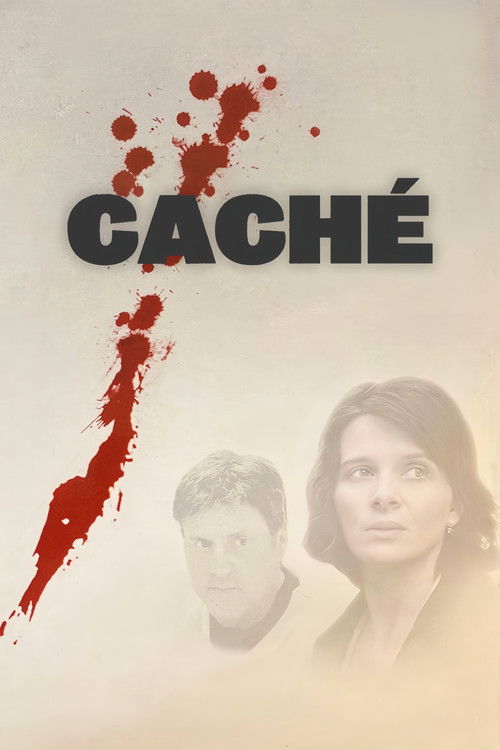
Caché2005
Michael Haneke's thriller that becomes a meditation on guilt, complicity, and the power of the unseen. Uses fixed cameras and long takes to make you an uncomfortable witness.
But The ambiguity is infuriating to some. It refuses easy answers and punishes passive watching.
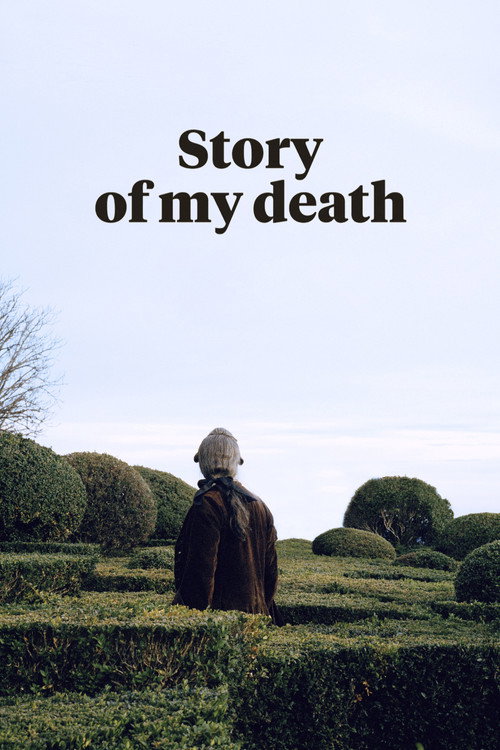
Story of My Death2013
Salvador Simó's essay-film about George Didi-Huberman's meditation on memory and cinema. Strange, essayistic, using found footage and philosophy to think about time and absence.
But Obscure and intellectually demanding. The connection between images and ideas is deliberately opaque.
The Eternal Frame1975
Both treat footage—whether photographs or video—as burnt offerings; both understand narration as a way to estrange us from what we're seeing rather than explain it.
T. R. Uthco and Ant Farm's video artwork that endlessly restages the Kennedy assassination as television spectacle. Like Hapax Legomena, it's conceptually austere, uses deadpan commentary, and treats media footage as the primary material of thought.
But It's video art masquerading as documentary, formally austere, and uses JFK footage in ways that feel irreverent or exploitative depending on your tolerance.
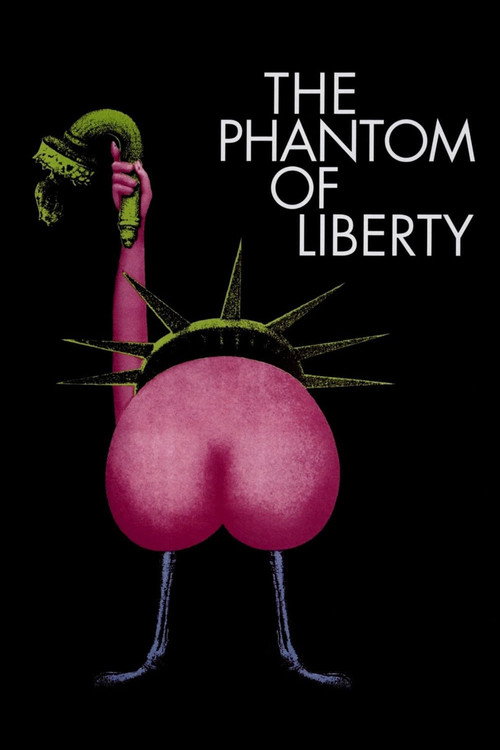
The Phantom of Liberty1974
Both are made of discrete units (photographs, scenes) that resist synthesis into a single meaning; both treat fragmentation as artistic principle rather than failure.
Luis Buñuel's final film: a series of loosely connected vignettes that refuse narrative logic entirely. Surreal, darkly funny, using disconnection as its engine. Like Hapax Legomena, it trusts the viewer to find coherence in fragments.
But It has no plot, no characters you care about, and no payoff. The humor is cold and philosophical. Pure structure with no warmth.
People
Cast
 Michael SnowNarrator
Directing
- Hollis FramptonDirector