
Film
Zorns Lemma
- Strange
- Slow-burning
Hollis Frampton's radical structural film uses an evolving alphabet as its organizing principle, cycling through 24 letter-images that transform, replace and accumulate across its hour. It's a thinking film, not a narrative one—meditative, mathematical, wordless for most of its runtime. For those willing to meet it halfway, it's hypnotic and quietly profound. Meant for patient viewers curious about what cinema can be.
If you liked this
Wavelength1967
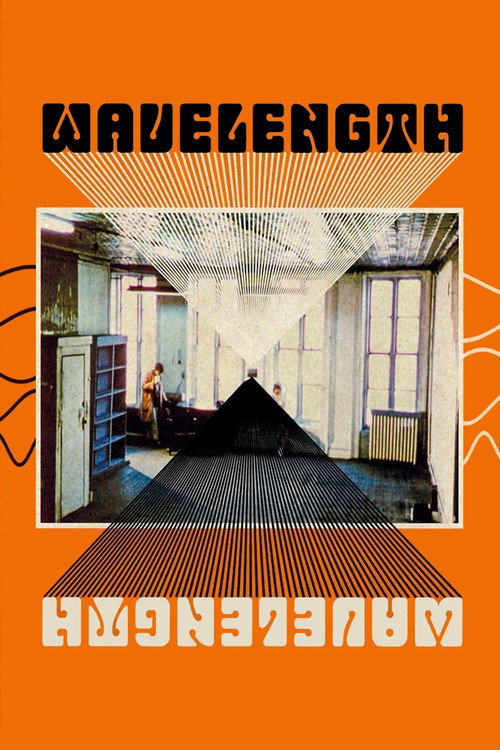
Michael Snow's 45-minute zoom into a single loft space is the closest cousin to Frampton's approach: structural rigor as the subject itself. Both films trust duration and restraint to create meaning.
But It's glacially slow and the 'action' is nearly imperceptible. Feels like a test of endurance rather than an invitation.
La Région Centrale1971
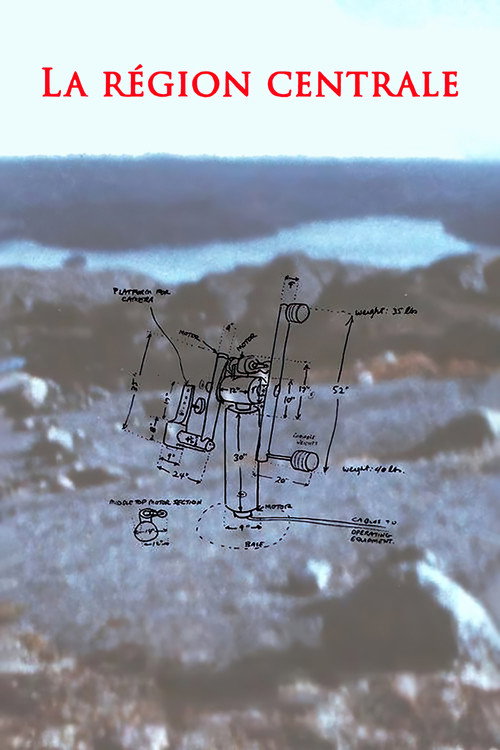
Michael Snow's three-hour camera movements around a Quebec landscape use extreme duration and repetition to force you into a new way of seeing. Structuralist cinema at its most ambitious and most meditative.
But Three hours of essentially the same view rotating. Even admirers struggle with the commitment it demands.
Sans Soleil1983
Chris Marker's essay-film collages images across geography and time, using voice and text to create meaning from juxtaposition—much like Frampton's alphabet. Both are difficult but deeply rewarding for close attention.
But It's essayistic and abstract, with no plot to hold onto. You have to do interpretive work rather than receive a story.

Not sure tonight? Get a pick in a minute, starting from Zorns Lemma
The wildcard
Something you would not have found on your own.
Koyaanisqatsi1983
Both films reject narrative in favor of formal structure: Frampton's cycling alphabet and Reggio's rhythmic montage are the content itself. Each asks cinema to work like music—through repetition, variation, and pure visual form.
Godfrey Reggio's wordless symphony of images—time-lapse cityscapes, crowded streets, industrial systems—uses pure visual repetition and rhythm to convey meaning, just as Frampton's alphabet does. No dialogue, no plot, just form and pattern colliding.
But It can feel pretentious or like a very long music video. The meaning-making is entirely subjective, which frustrates viewers who want interpretation handed to them.
More like this (7)
Man with a Movie Camera1929
Dziga Vertov's Soviet silent film is pure form: rapid montage, visual repetition, and rhythmic structure create meaning without narrative. A precursor to structural cinema that still feels revolutionary.
But It's nearly a century old, black-and-white, and has no characters or story. The formal experiment overwhelms any emotional narrative.

Meshes of the Afternoon1943
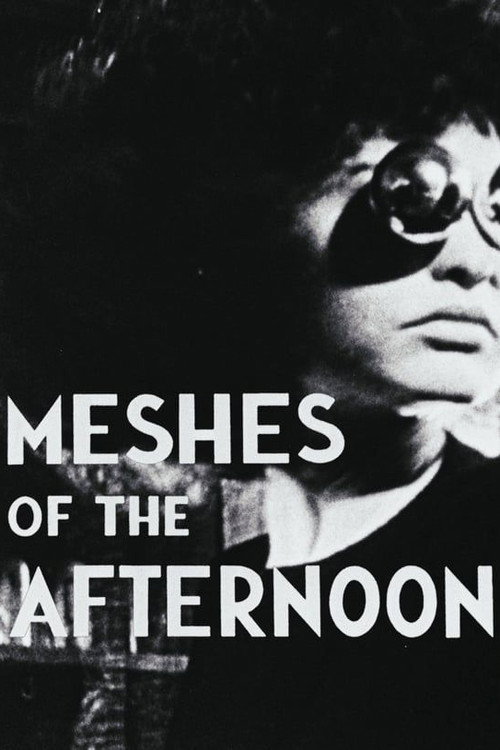
Maya Deren's 14-minute loop of a woman in a house creates meaning through repetition and subtle variation—a miniature structural experiment that influenced everything Frampton would do.
But Very short but very dense; its dreamlike abstraction offers no clear meaning to unlock, only atmosphere.
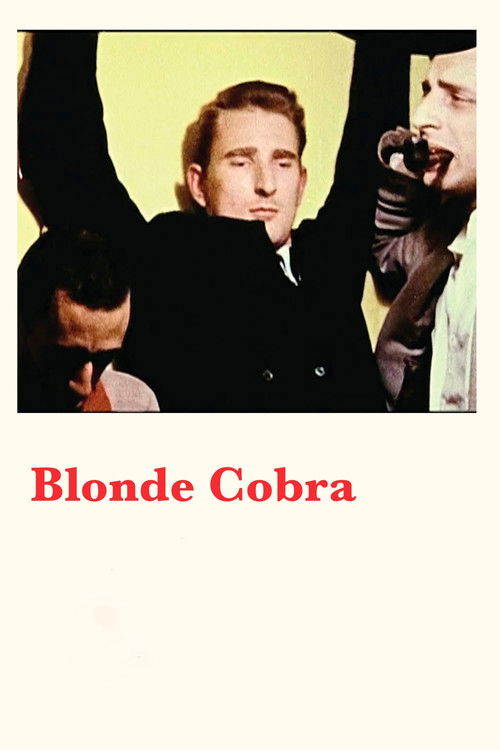
Blonde Cobra1963
Kenneth Anger's visceral avant-garde film uses rapid collage and ritualistic imagery to generate meaning through form rather than narrative. A wilder, more expressionistic take on structural cinema.
But It's obscure, fragmentary, and deeply strange. Not meditative like Frampton; it assaults rather than invites.
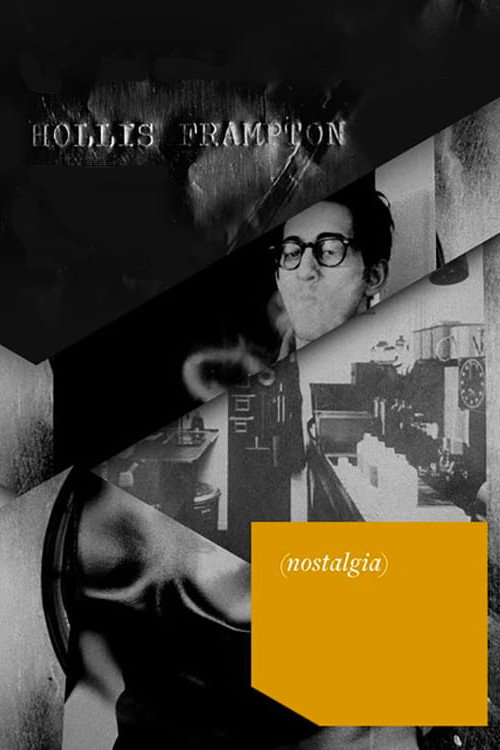
Hapax Legomena I: (nostalgia)1971
Andrei Tarkovsky's slow, philosophical film uses duration and repetition to examine memory and desire. Like Zorns Lemma, it trusts cinema's power to communicate without exposition.
But Glacially paced; watching paint dry feels quicker. Rewards patience, but demands a lot of it upfront.
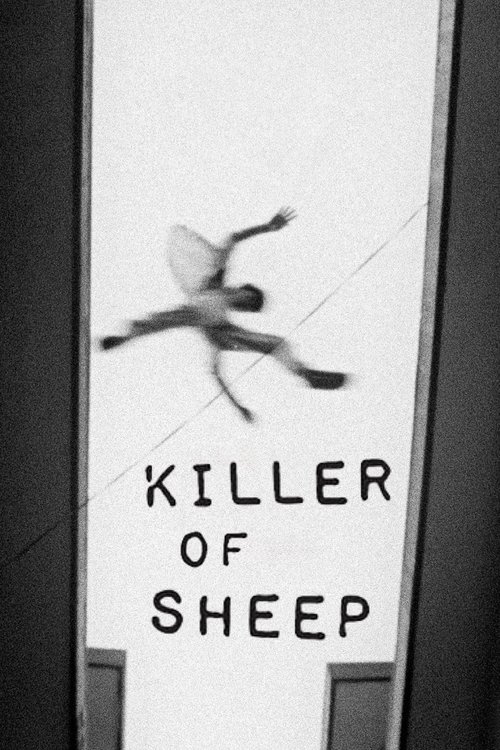
Killer of Sheep1978
Charles Burnett's black-and-white portrait of working-class life in LA uses fragmentation and poetic montage to capture a life in lyrical, structuralist moments rather than narrative progression.
But Nearly plotless and visually austere. Can feel more like a series of photographs than a conventional film.
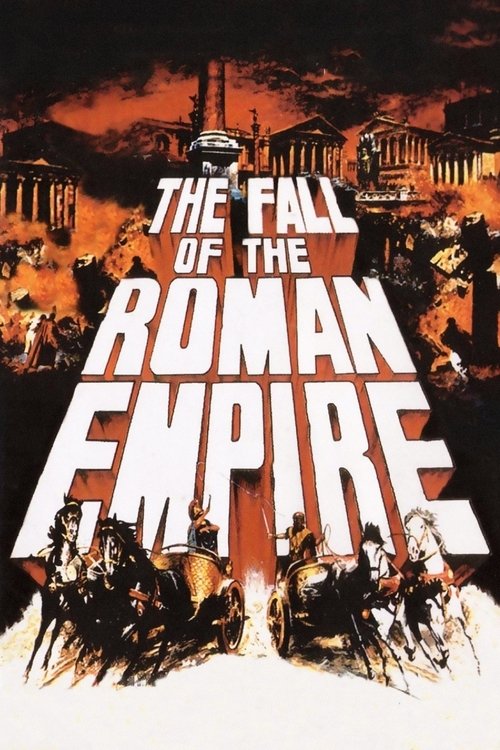
The Fall of the Roman Empire1964
Both use mathematical/visual structures (Zorn's alphabet, Warhol's unbroken frame) to make duration itself meaningful. Both ask viewers to abandon narrative hunger and find meaning in pure form and time.
Andy Warhol's eight-hour fixed shot of the Empire State Building filming itself is the ultimate structural provocation: time as material, patience as the point. Shares Zorns Lemma's commitment to duration and mathematical precision.
But Literally watching paint dry for eight hours. Most people cannot sit through it; those who try often don't make it to the end.
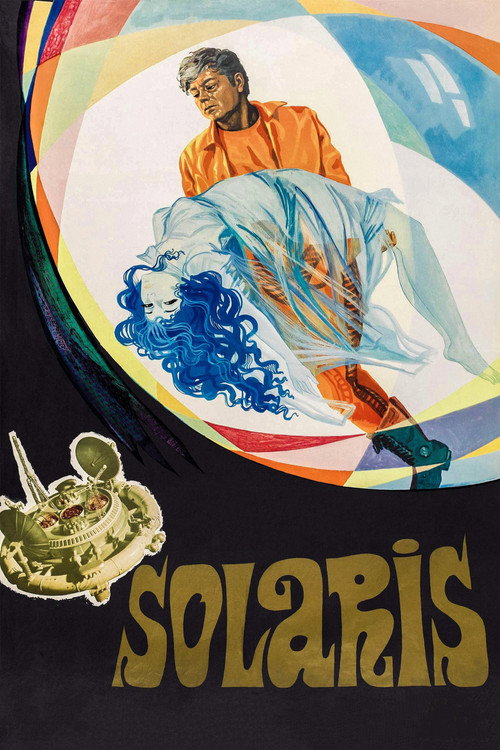
Solaris1972
Both films use visual and structural repetition to explore consciousness and meaning. Tarkovsky uses it within a larger narrative; Frampton makes structure the entire film. Both believe cinema can think rather than just show.
Tarkovsky's philosophical science-fiction epic uses long takes, repetition of spaces, and meditative pacing to explore memory and consciousness. It's experimental in spirit despite its genre trappings—a bridge between avant-garde rigor and emotional depth.
But Nearly three hours of philosophical sci-fi with no action scenes. Demands total attention and rewards interpretation, not entertainment.
People
Cast

Directing
- Hollis FramptonDirector