
Film
Wavelength
Other titles called Wavelength: the 1983 film.
- Strange
- Slow-burning
Wavelength is a 45-minute fixed-camera zoom into a loft wall photograph, with sparse human interruption. Structurally radical and deliberately austere, it strips cinema to its purest element: time and light. For viewers willing to sit with slowness and abstraction, it's a profound meditation on perception itself. Not entertainment; an experience.
Should you watch it?
Watch it if you find pleasure in slow, rigorous structural cinema, where the frame itself is the story and you're happy to watch light, space and sound shift across one long, patient move.
Skip it if you need characters, plot or dramatic momentum, since its interest sits in one slow move across a single room that will test your patience.
What it asks of you: Roughly forty-five minutes of sustained, unhurried attention; the picture hardly cuts and the zoom creeps so gradually that staying put matters more than anything you'd check on a phone.
Not sure? Find tonight's pick in a minute.
If you liked this
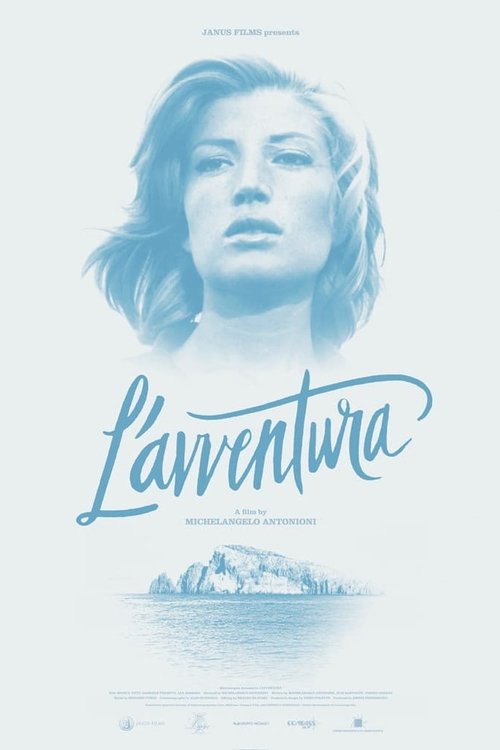
L'Avventura1960
Michelangelo Antonioni's masterpiece about searching for meaning in beautiful, empty spaces. The camera observes human smallness with the same patient intensity Wavelength brings to pure form. Hypnotic and deeply humane.
But Three hours of people wandering around looking dissatisfied, with minimal plot. If you want resolution or purpose, this will frustrate you.
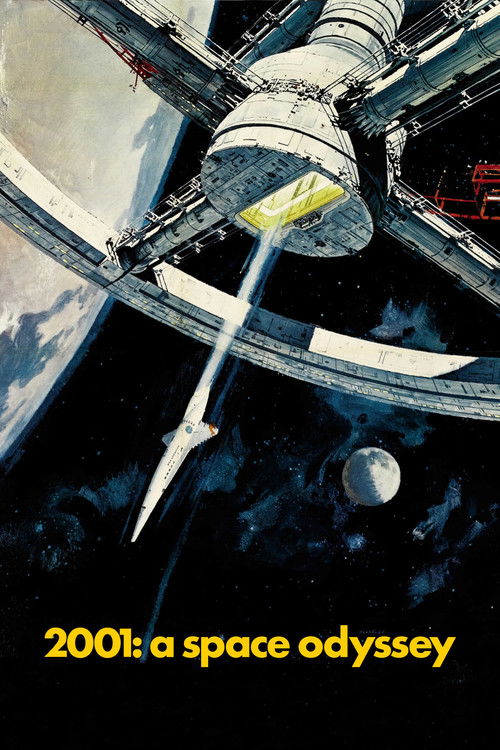
2001: A Space Odyssey1968
Kubrick shares Wavelength's belief that cinema can work on pure time, light, and geometry. Both films ask viewers to feel rather than understand. Visually overwhelming where Wavelength is minimal, but the patience required is identical.
But Very long, often cryptic, and the famous psychedelic section divides audiences sharply. Some find it pretentious; others find it transcendent.
Sans Soleil1983
Chris Marker's essay-film experiments with time, memory, and what the camera can actually see. Like Wavelength, it trusts you to make meaning from fragments and duration. Haunting and endlessly rewatchable.
But No narrative spine. A voice-over drifts across images of Japan, Bissau, and Iceland. If you need a story, you'll feel untethered.

Not sure tonight? Get a pick in a minute, starting from Wavelength
The wildcard
Something you would not have found on your own.
The Fall of the Roman Empire1964
Both films believe cinema's true subject is time itself, not what happens within it. Both ask: what remains when you remove plot, character, and conventional meaning?
Andy Warhol's fixed camera on the Empire State Building for eight hours. The ultimate reduction of cinema: a single shot, no cuts, no people, just light changing. Makes Wavelength look like MTV. This is what pure duration actually looks like.
But Eight hours. Literally. Most people cannot and should not attempt it whole. It's a concept as much as a film. The resistance is not snobbery; it's survival.
More like this (4)
Jeanne Dielman, 23, quai du Commerce, 1080 Bruxelles1976
Chantal Akerman's three-hour chronicle of a woman cooking and cleaning. Like Wavelength, it asks us to find cinema in duration and the everyday. Feminist, radical, and oddly moving.
But Genuinely slow. Three hours watching someone fold sheets and make coffee. Patience isn't enough; you need active surrender.

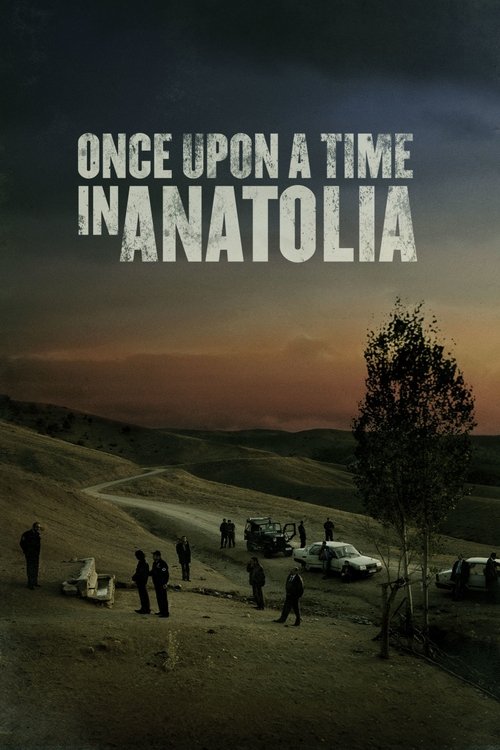
Once Upon a Time in Anatolia2011
Nuri Bilge Ceylan's night-time journey across rural Turkey. Wordless stretches, patient observation, time as the real subject. Landscape and waiting become as present as the characters.
But Nearly three hours, much of it driving through darkness. A slow-burn that asks genuine commitment. Some viewers find it glacial.
Meshes of the Afternoon1943
Maya Deren's 15-minute avant-garde masterwork about a woman moving through domestic space. The blueprint for structural cinema. Hypnotic, strange, and surprisingly emotional.
But Very experimental, very short. If you're not attuned to its dreamlike logic, it may feel opaque or even silly.

The Turin Horse2011
Béla Tarr's final film about daily routine and entropy. Stark black-and-white, minimal dialogue, focus on repetition and duration. A companion piece to Wavelength in its faith that cinema can be about time itself.
But Bleak and repetitive by design. Six days of the same actions. Feels deliberate rather than engaging. Requires genuine philosophical patience.

People
Cast

Recommended by
Upstream Color, Cave of Forgotten Dreams, Dawson City: Frozen Time, Berlin: Symphony of a Great City, C'était un rendez-vous, East Side Story, Ballet Mécanique, Film, Symbiopsychotaxiplasm: Take One, Rose Hobart, Phantom Power, Vertical Roll, The Eternal Frame, The Lovers and the Despot, From the East, The Arrival of a Train at La Ciotat, Subjectivity, The Skin of Our Teeth, All Light, Everywhere, Eadweard Muybridge, Zoopraxographer, Blow Job, Chelsea Girls, Sleep, Museum Hours, 24 Hour Psycho, Blue, Number Two, Lives of Performers, London: The Modern Babylon, Tusalava, Goodbye to Language, Not Reconciled, Zorns Lemma, Midnight Television, Riddles of the Sphinx, Revolution, A Place to Stand, Cosmic Zoom, Anemic Cinema