
Film
The Skin of Our Teeth
Other titles called The Skin of Our Teeth: the 1959 film.
- Family drama
- Strange
Thornton Wilder's wildly inventive play about the Antrobus family—simultaneously an ordinary New Jersey household and humanity itself, cycling through Ice Age, Flood, and War. It's formally audacious and sincere about survival, collapse, and the fragile persistence of civilisation. For viewers who want theatre that moves fast and thinks deep.
Should you watch it?
Watch it if you love theatre that breaks the fourth wall, mixes the Bible with a New Jersey kitchen, and trusts you to keep pace with its loose, sly, philosophical sweep.
Skip it if you want a tidy realistic family drama; this filmed stage play is talky, stylized, and deliberately artificial in its sets and asides.
What it asks of you: Two hours of quick, stylized talk where the lines jump between the family and the play's own artifice, so you need to stay alert rather than settle back.
Not sure? Find tonight's pick in a minute.
If you liked this
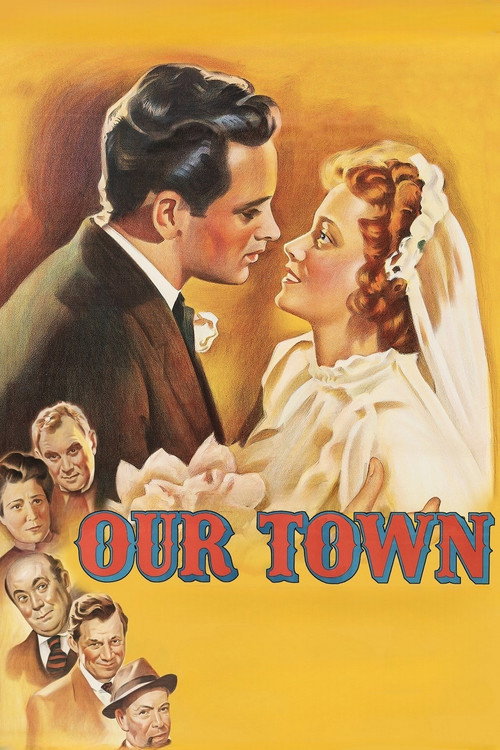
Our Town1940
Wilder's other masterpiece: a deceptively simple portrait of small-town life that expands into something cosmic about time, love, and mortality. Similar blend of homely and universal.
But The quietness and lack of plot can feel like nothing is happening if you're not tuned to its wavelength.
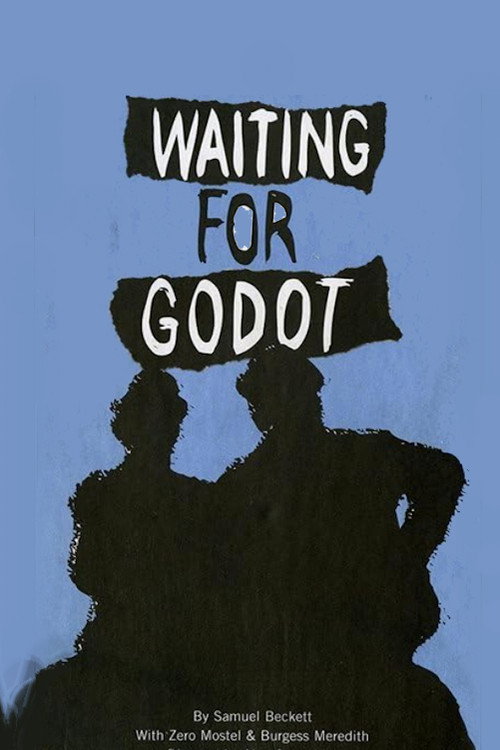
Waiting for Godot1961
Another formally fearless work about waiting, repetition, and what we do to endure. Both plays treat catastrophe as something we live through, not escape from.
But Deliberately static and circular. If you need a story with momentum, this will frustrate you.
Synecdoche, New York2008
Charlie Kaufman's nested-reality play-within-life about art, mortality, and a man losing track of what's real. Same ambitious formal theatricality, same wrestling with time and scale.
But Deeply bleak and hallucinatory. It doesn't offer comfort, and it doesn't pretend the problem has a solution.

Not sure tonight? Get a pick in a minute, starting from The Skin of Our Teeth
The wildcard
Something you would not have found on your own.
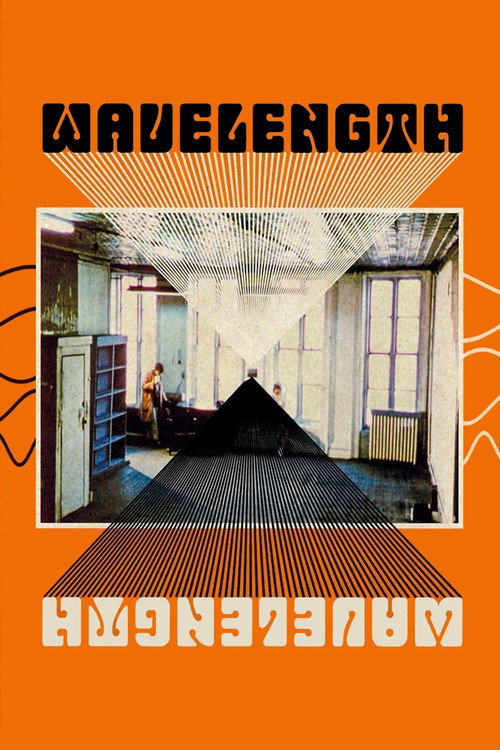
Wavelength1967
Both use formal experimentation to make you *feel* scale and duration. Both treat time itself as the subject, not the container.
Michael Snow's radical experimental film: a 45-minute zoom across a loft wall with sound gradually layered in. It sounds austere but it's weirdly moving—about time, scale, and how we perceive reality.
But Almost nothing happens by conventional standards. It requires a completely different mode of attention and most viewers will find it unwatchable.
More like this (8)
Mulholland Drive2001
David Lynch's puzzle-box about identity and Hollywood that shifts genres mid-stream like Wilder shifts eras. Both deconstruct the myths we live by while making us feel them.
But Deliberately confusing and dreamlike. You'll spend more time arguing about what it means than enjoying what happens.

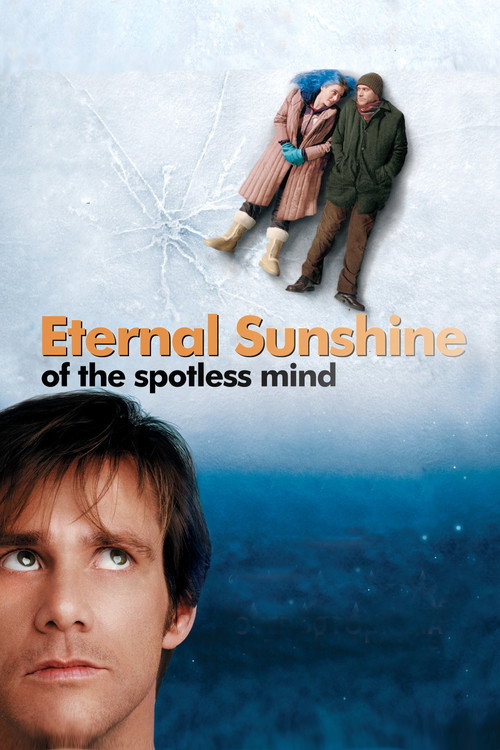
Eternal Sunshine of the Spotless Mind2004
A love story told in fragmentary, non-linear time that's formally inventive without abandoning emotion. Like Wilder, it uses structure itself as meaning.
But Melancholic and scattered in its storytelling. The emotional weight can feel exhausting rather than cathartic.
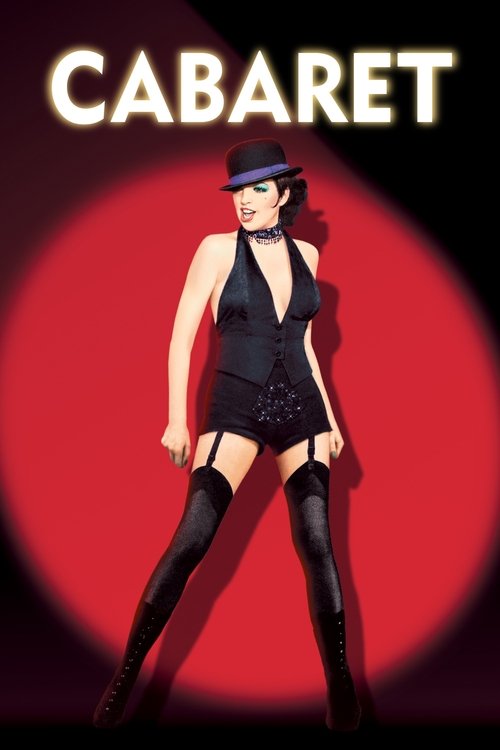
Cabaret1972
Theatrical, multistranded, and morally urgent about civilisation at the brink. Uses performance and artifice to make you feel the stakes of historical collapse.
But Heavy subject matter and some brutal scenes. Not a comfort watch, despite the entertainment.
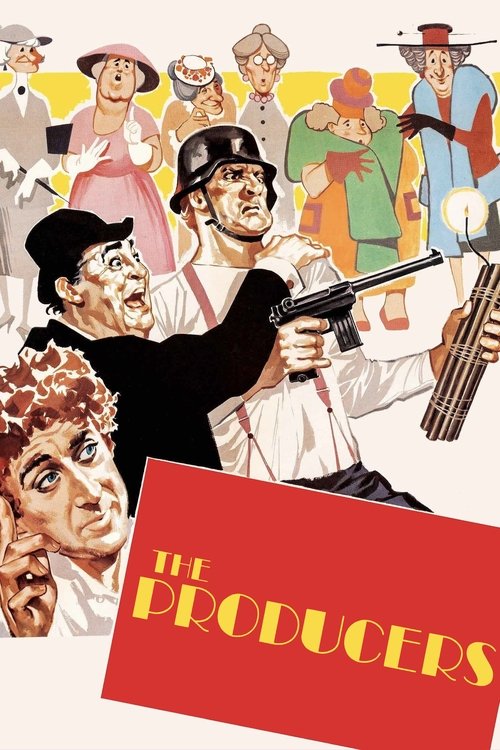
The Producers1968
Mel Brooks's audacious satire about making art from catastrophe. Formally playful and anarchic in similar ways—theatre colliding with reality, the absurd made material.
But Deeply silly and sometimes in questionable taste. If you need sincerity with your formal invention, this might feel glib.
Amarcord1973
Fellini's episodic portrait of a provincial Italian town under Fascism. Like Skin of Our Teeth, it treats intimate family life and historical catastrophe as the same story.
But Deliberately episodic and dreamlike, with no conventional plot. It demands patience and a taste for visual storytelling.
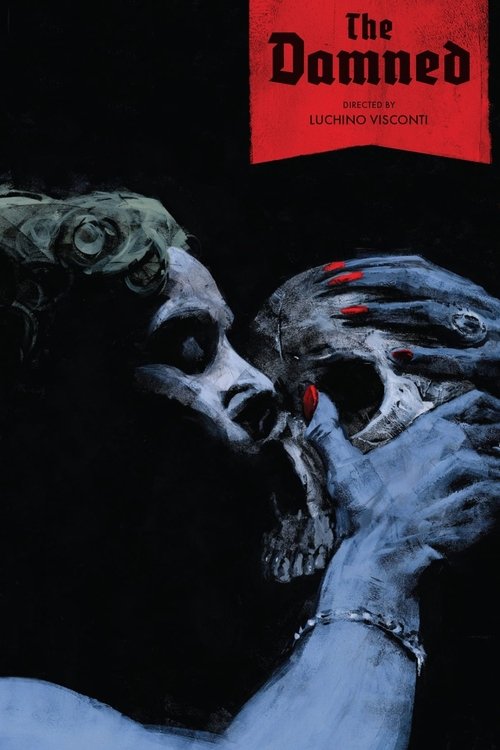
The Damned1969
Luchino Visconti's apocalyptic family saga during the Nazi collapse. Operatic, formally daring, and uncompromisingly about civilisation's fragility and corruption.
But Extremely dark, sexually explicit, and three hours of moral degeneration. This is not entertainment; it's an ordeal.
A Ghost Story2017
Both about humanity persisting across time and catastrophe, watching civilisation move around us. Both find the eternal in the ordinary.
Casey Affleck as a ghost in a sheet, watching a house across decades. Formally strange, quietly devastating about mortality and what survives us. More innovative than it sounds.
But Slow, conceptual, and the central image is genuinely eerie in unsettling ways. It won't give you answers about what it means.

Come and See1985
Like Skin of Our Teeth, it stages War as the Antrobus family experiences it—not as spectacle but as the ground of ordinary life becoming impossible. Both insist on our complicity.
Elem Klimov's Soviet film about a boy during WWII—the most harrowing war film ever made, but also profound about innocence and survival. Historical trauma made visceral and true.
But Genuinely brutal and traumatic. This is not cathartic; it breaks you. It's necessary but not pleasant.

People
Cast
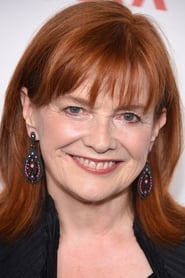 Blair BrownSabina
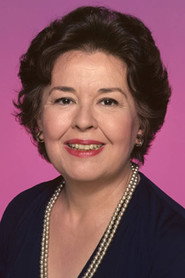 Sada ThompsonMrs. Antrobus
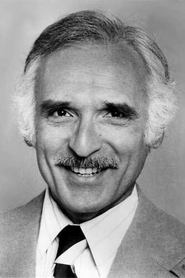 Harold GouldMr. Antrobus
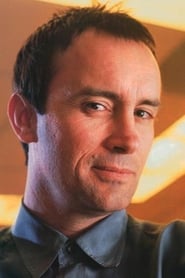 Jeffrey CombsHenry Antrobus
- Monique FowlerGladys
 Rue McClanahanFortune Teller
 John HousemanNetwork Newscaster
 Diana BellamyMiss E. Muse / Ivy
- Renee BrooksMiss M. Muse / Showgirl
- Bonnie Campbell-BrittonMiss T. Muse / Audio Person
 Gary DontzigTelegraph Boy/Conveener
- James CoyleConveener
Directing
- Jack O'BrienDirector
Writing
- Thornton WilderWriter
Recommended by
The Great Santini, American Playhouse, Deception, Kings Go Forth