
Film
The Great Santini
A Marine fighter pilot's brutish pursuit of control clashes with his teenage son's need to become his own man. Robert Duvall combusts as a man whose aggression masks genuine failure—a film about masculine authority curdling into tyranny, and the family systems that enable it. Painful to watch, impossible to look away from.
Should you watch it?
Watch it if you are drawn to hard-edged family dramas where a volatile father's love and cruelty arrive tangled together, and where Robert Duvall's bravado keeps you leaning in even as you wince.
Skip it if you want a film that resolves its conflicts neatly or softens its characters; this one stays abrasive and uncomfortable, with long stretches of shouting, bluster and quiet dread around the dinner table.
What it asks of you: It runs just under two hours and builds slowly through domestic scenes, so it asks for patience and a tolerance for prolonged tension rather than quick payoffs or easy warmth.
Not sure? Find tonight's pick in a minute.
If you liked this
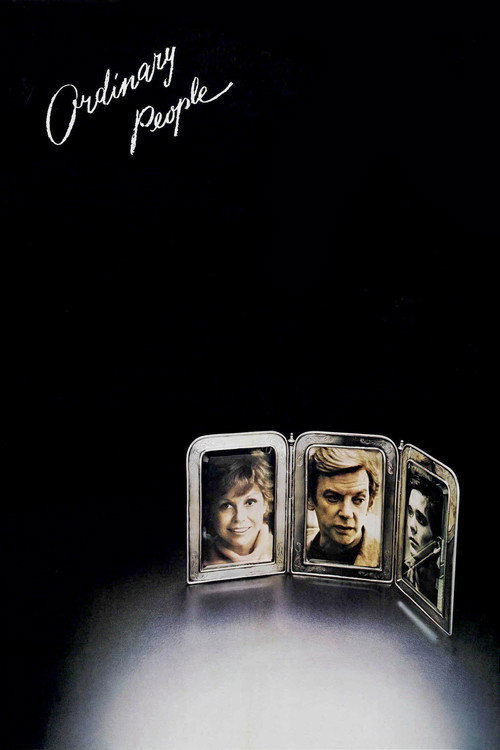
Ordinary People1980
A family fractures under the weight of unspoken grief and shame. Like The Great Santini, it finds the violence in silence and the way parents' wounds become their children's burdens. Essential work on how damage passes down.
But Slower than the Duvall film, more introspective than confrontational. Some find it airless and emotionally exhausting rather than cathartic.
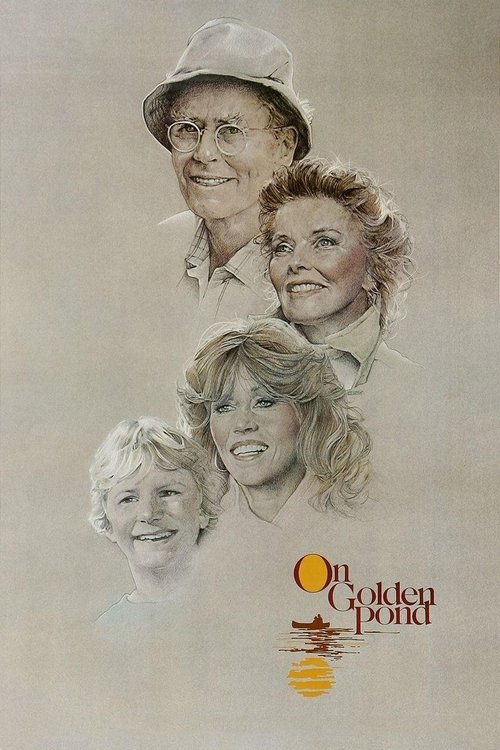
On Golden Pond1981
Two aging parents and their adult son attempt reconciliation over one summer. It shares the Santini's interest in masculine pride as a wall between fathers and sons, but finds space for grace where Duvall's character never does.
But Can feel stagey and sentimental. The resolution is gentler than the chaos of real family damage, which some experience as evasion.
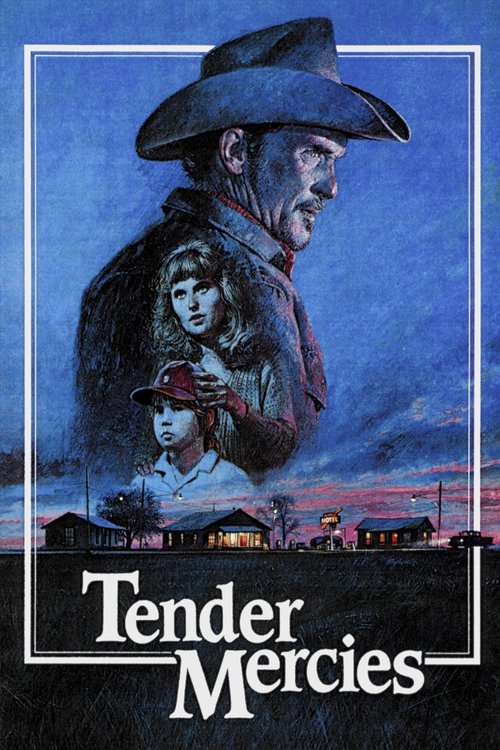
Tender Mercies1983
Robert Duvall again, this time as a broken man rebuilding himself from nothing. It's about masculinity too, but the opposite journey—learning to be small, to need others, to surrender. Devastating counterpoint to Bull Meechum's refusal to bend.
But Very quiet. The rewards come from accepting a slow, modest redemption rather than dramatic catharsis. Some viewers find it too spare.
Not sure tonight? Get a pick in a minute, starting from The Great Santini
The wildcard
Something you would not have found on your own.
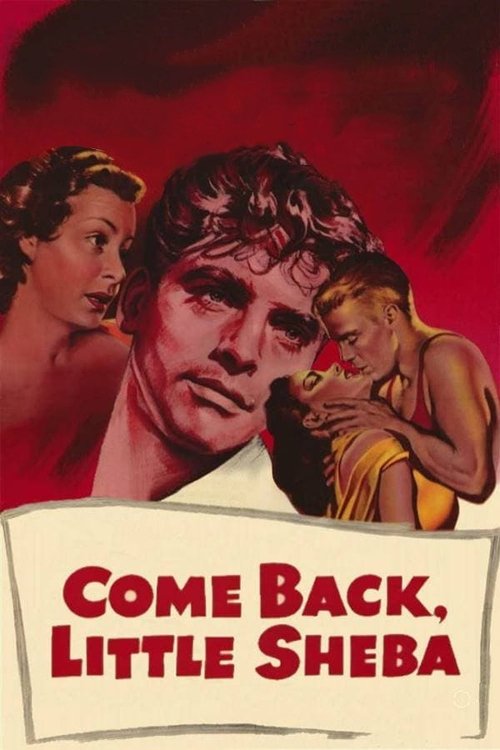
Come Back, Little Sheba1953
Both films are about men whose aggression masks defeat, and the spouses who absorb the damage. But Sheba suggests the Meechums' marriage might resemble this—mutual sacrifice dressed as normalcy.
A married couple trapped in quiet desperation—she a former beauty queen, he a former athlete—take their disappointment out on each other through small cruelties. Like Santini, it's about how domination replaces intimacy, but it's their mutual prison, not a tyranny descending from above. Burt Lancaster brutally ordinary.
But Very static. Nothing happens. The emotional violence is implied and internalized rather than explosive. Some find it unbearably slow.
More like this (8)
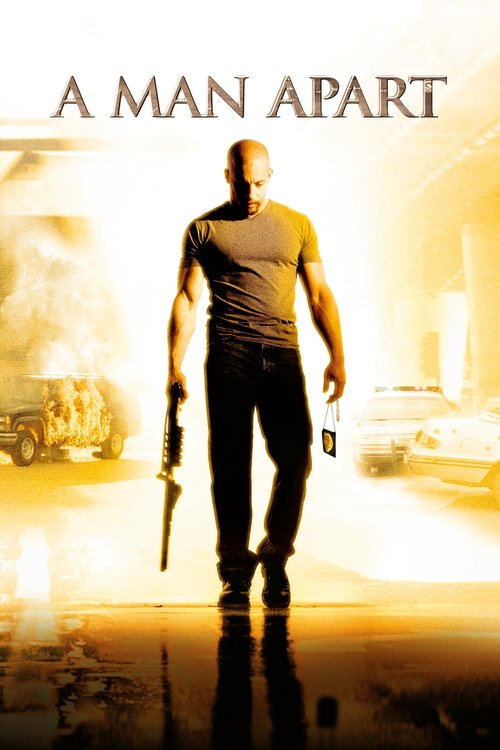
A Man Apart2003
Vin Diesel as a man whose rigid identity shatters when his world shifts. Explores how constructed masculine personas can become prisons. Less literary than Santini, but genuinely moving about the cost of armor.
But Action-thriller framework might feel at odds with the character study. Not a prestige film and doesn't pretend to be.
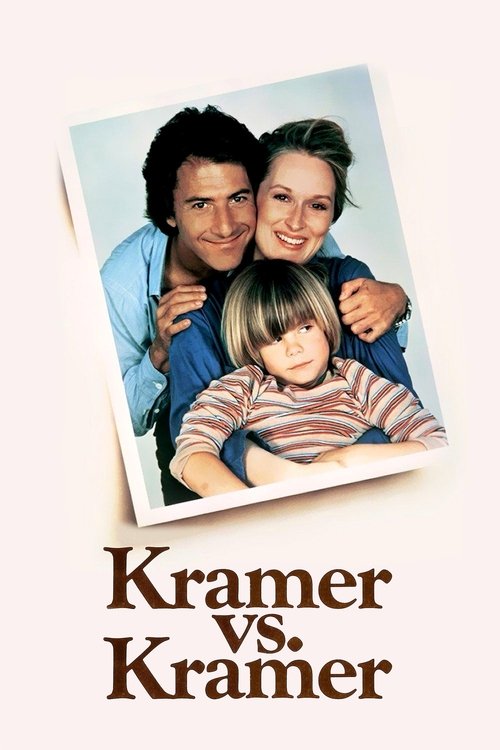
Kramer vs. Kramer1979
Dustin Hoffman as a father learning to parent. A film about paternal love that doesn't perform toughness, and what happens when that old model fails. Released the same year as Santini—they're in conversation.
But The legal drama can feel dated. Some find the gender politics dated too, though not in the way that makes it uninteresting.
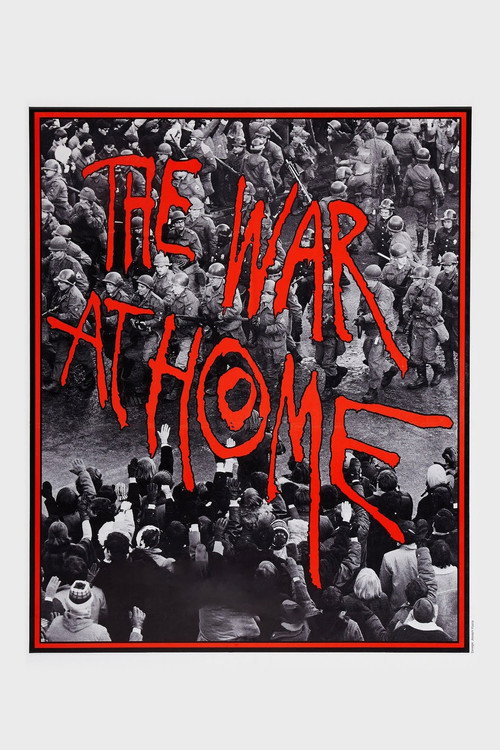
The War at Home1979
Documentary about American family life in the 1960s, using archival film and interviews. It's a contemporaneous look at the exact generational conflict Santini dramatizes—real families breaking under real pressure.
But Unnarrated, fragmentary, sometimes obscure. Requires active attention and tolerance for ambiguity about what you're watching.
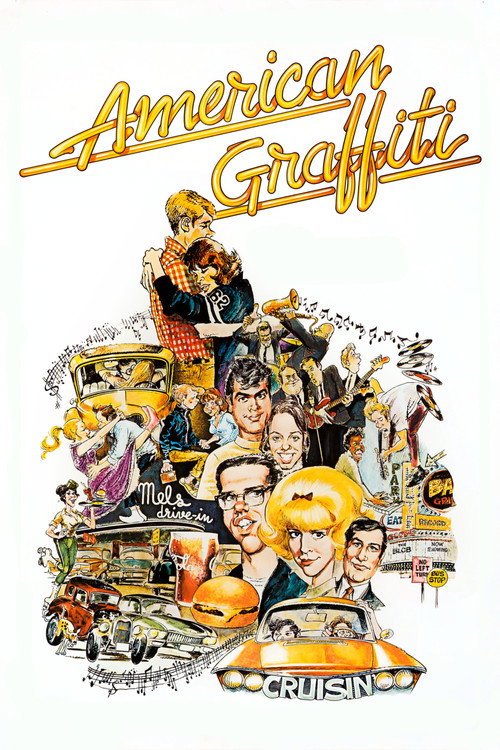
American Graffiti1973
Young men on the edge of adulthood, restless and competing. Less about paternal authority than Santini, but captures the same masculine anxiety and the desperation to prove yourself before time runs out.
But A nostalgia piece that sometimes settles into sentimentality about an era it's also critiquing. The cars matter more to some viewers than the character arcs.
The Prince of Tides1991
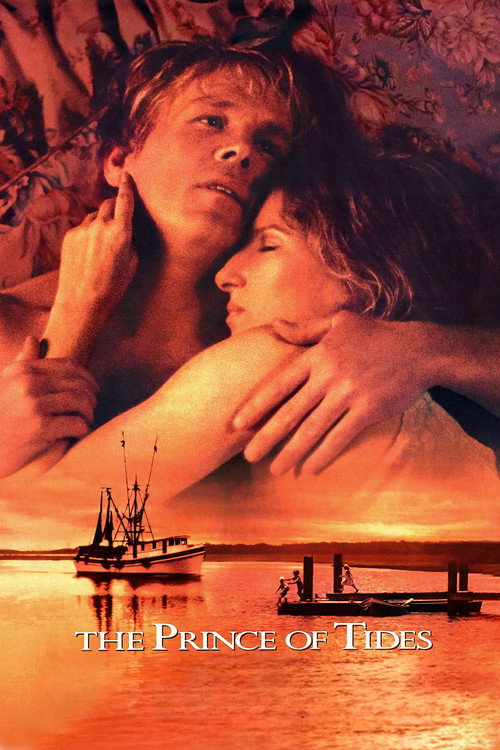
Nick Nolte as a man guarding family secrets while his sister's breakdown forces reckoning. It's about masculine silence and the price of protecting abusers. Goes further into the trauma that produces men like Bull Meechum.
But Melodramatic in places, and the Streep-Nolte romance has aged awkwardly. Some find the psychotherapy scenes dated and heavy-handed.
My Bodyguard1980
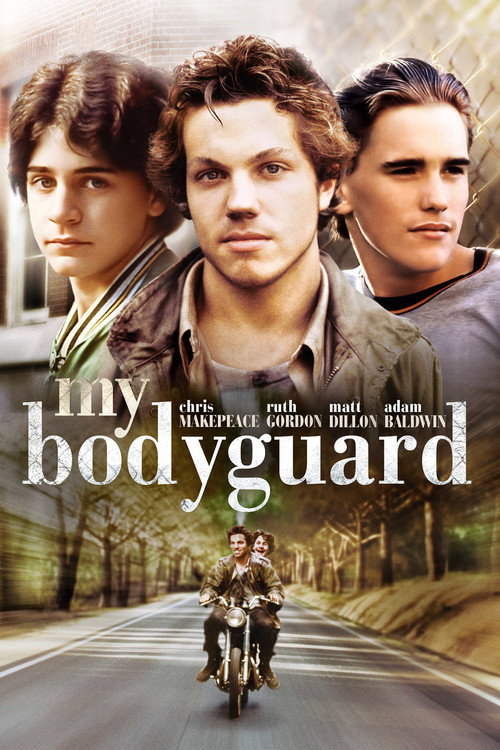
A teenage boy navigates school bullying and learns something about real strength. It's about proving yourself but through friendship rather than dominance. A gentler film, but with real stakes about adolescent vulnerability.
But Teen movie from 1980, which means it looks it. The wisdom can feel slight compared to weightier dramas about manhood and family.
The Skin of Our Teeth1983
Both insist that the family system, for all its damage, is inescapable—the arena where everything that matters gets fought out. Wilder finds it absurd; Duvall finds it tragic.
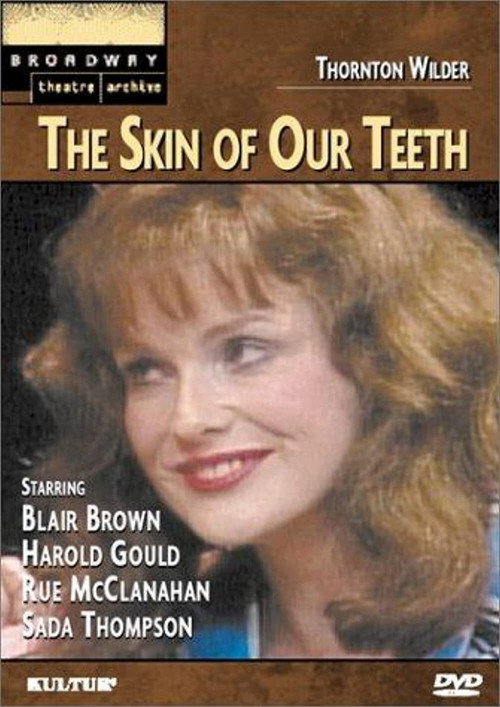
A television adaptation of Thornton Wilder's play: a family survives catastrophe after catastrophe across centuries, always arguing, always persisting. It's surreal and epic where Santini is naturalistic and intimate, but both interrogate the patriarchal family unit as the vessel of human survival and human conflict.
But Experimental and self-aware as theatre. If you want realism, this is deliberately artificial. The allegory can feel overexplained.
Wendy and Lucy2008
Both are about isolation and the impossibility of escaping the structures that define you—family for Ben, poverty for Wendy. Both suggest there are no clean exits.
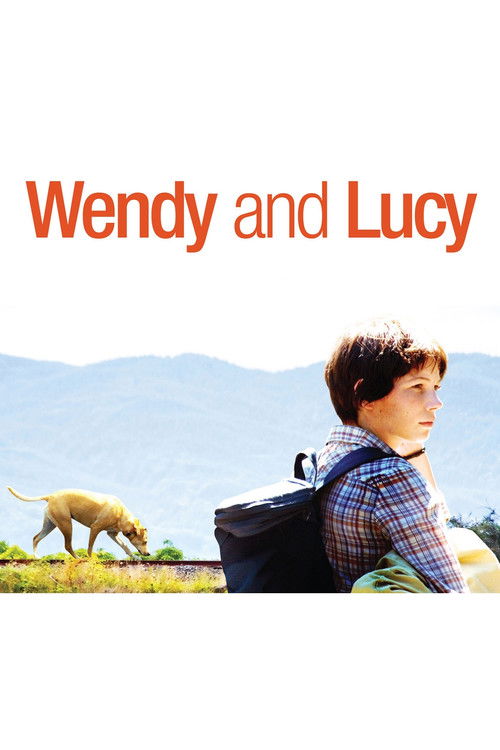
A young woman and her dog drift through working-class Oregon—stripped of family, economy, security. It's the obverse of Santini: instead of a suffocating family system, the desolation of being cast out from one. Kelly Reichardt's camera finds dignity and sorrow in the smallest gestures.
But Quiet and glacial. No one yells. Nothing is resolved. Some experience it as achingly beautiful; others as punishing and hollow.
People
Cast
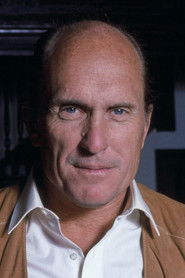 Robert DuvallBull Meechum
 Blythe DannerLillian Meechum
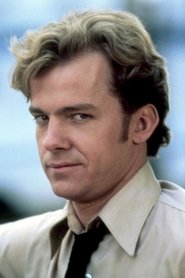 Michael O'KeefeBen Meechum
 Lisa Jane PerskyMary Anne Meechum
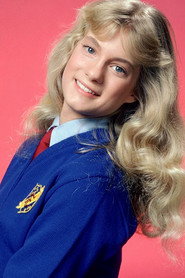 Julie Anne HaddockKaren Meechum
 Brian AndrewsMatthew Meechum
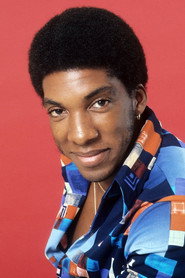 Stan ShawToomer Smalls
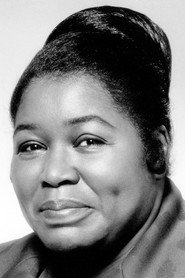 Theresa MerrittArrabella Smalls
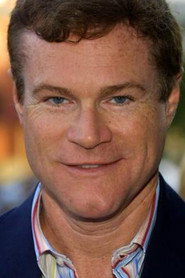 David KeithRed Petus
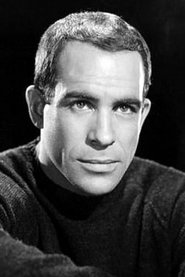 Paul ManteeCol. Virgil Hedgepath
 Michael StrongCol. Varney
 Bennett LissCpl. Atcherly
Directing
- Lewis John CarlinoDirector
Writing
- Pat ConroyNovel
- Lewis John CarlinoScreenplay
Production
- Irving LandeCasting
- Charles A. PrattProducer
Recommended by
Everybody's All-American, Eight Is Enough, Heartbreak Ridge, From Here to Eternity, Tigerland, The Lords of Discipline