
Film
Tigerland
Tigerland follows young draftees through the brutal final weeks of their training before Vietnam, set in 1971 at Fort Polk. It's a claustrophobic, character-driven war film that finds dark humour and genuine humanity amid the machinery of military indoctrination. For viewers who want the pressure-cooker intensity of war cinema without the battlefield—the real enemy is the system itself.
Should you watch it?
Watch it if you like war stories told through small rebellions and close-up character friction, where the drama lives in a barracks argument more than in battle, and handheld camerawork that feels like it is breathing down the recruits' necks.
Skip it if you want a clear arc and steady escalation, since this runs loose and episodic, and its pull depends on how much you warm to a restless, mouthy group of young men rather than on plot.
What it asks of you: It is short at about 100 minutes, but it wanders in a jittery, observational way, and it stays with the grind of drill and talk rather than explaining itself, so it asks for patience more than attention.
Not sure? Find tonight's pick in a minute.
If you liked this
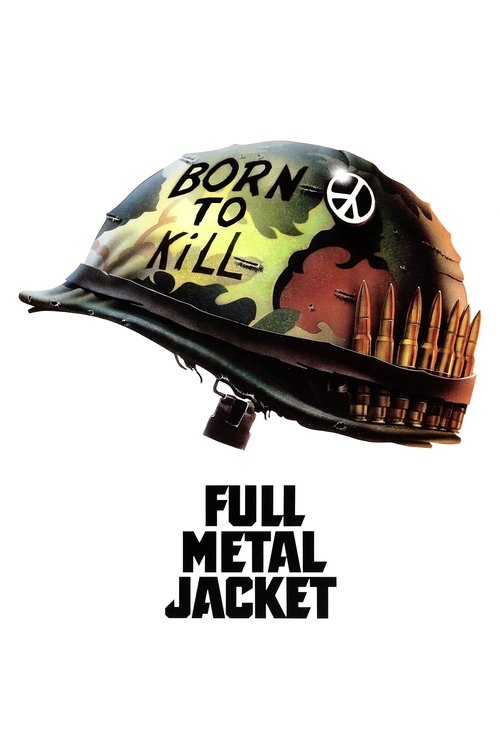
Full Metal Jacket1987
The definitive film about military training's psychological toll. Kubrick's first half—the drill instructor, the recruits, the transformation—is as devastating and funny as Tigerland, then pivots to war itself for the full reckoning.
But It's nearly three hours, intensely misanthropic, and the second half shifts tone so dramatically some find it uneven. Kubrick's distance can feel cruel.
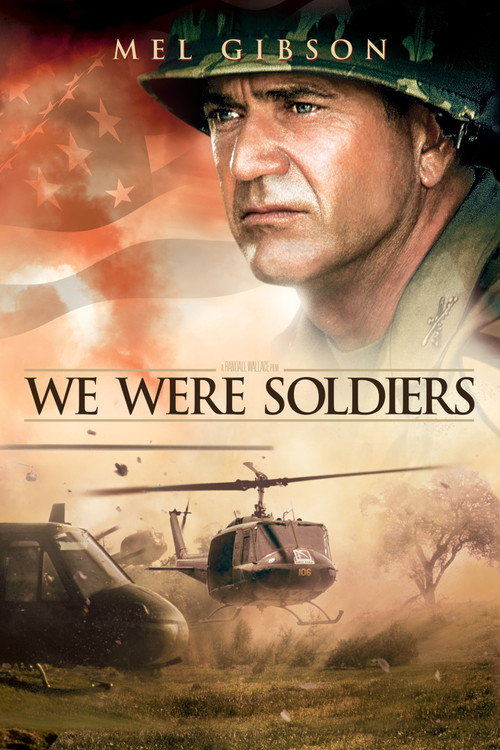
We Were Soldiers2002
Mel Gibson leading men into Vietnam with genuine care for the human cost. It's a war film that mourns rather than glorifies, with strong ensemble work and tactical clarity that grounds the chaos.
But The patriotic framing may feel dated or oversimplified depending on your politics. It's earnest in ways that can read as sentimental.
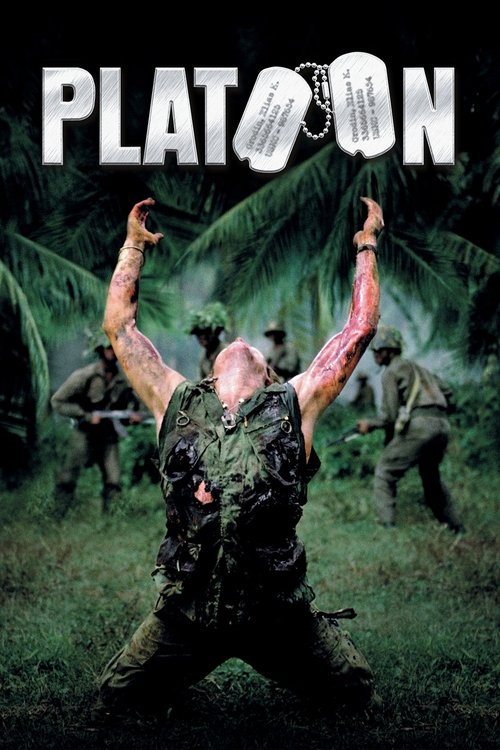
Platoon1986
Oliver Stone's autobiographical Vietnam film told from a grunt's perspective. The moral confusion and the random cruelty of war, the way ideology crumbles under fire—it captures the same disillusionment Tigerland builds toward.
But It's been canonized to the point of feeling familiar. The good-sergeant-bad-sergeant dynamic is clearer than the ambiguity some prefer.
Not sure tonight? Get a pick in a minute, starting from Tigerland
The wildcard
Something you would not have found on your own.
Come and See1985
Both trace the journey from civilian to soldier, but Come and See shows the absolute endpoint of that trajectory—the soul-death that Tigerland's Colin Farrell character is fighting to prevent. One film is about resistance; the other about what happens when resistance fails.
A Soviet film about a boy conscripted into a partisan unit during WWII. It's the anti-war film that makes Tigerland look like a pamphlet—raw, hallucinatory, genuinely difficult to watch. Elem Klimov documents the annihilation of innocence with a clarity that's almost unbearable.
But It's not dramatized; it's an assault. The violence is presented without mercy or distance. Subtitled, black and white, and 142 minutes of accumulated dread. Not entertainment.

More like this (8)
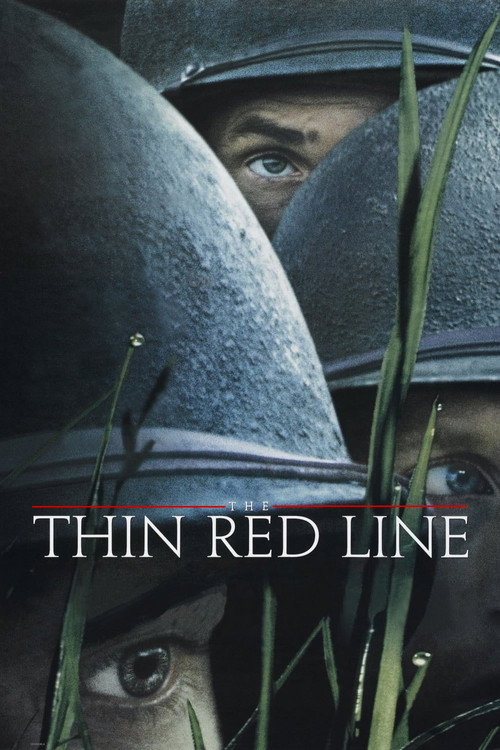
The Thin Red Line1998
Terrence Malick's philosophical Pacific War film that treats soldiers as thinking, feeling men rather than plot devices. Gorgeous, strange, and interested in what war does to consciousness itself.
But It's 170 minutes of meditative, sometimes opaque filmmaking. If you want clarity and narrative momentum, this will frustrate you profoundly.
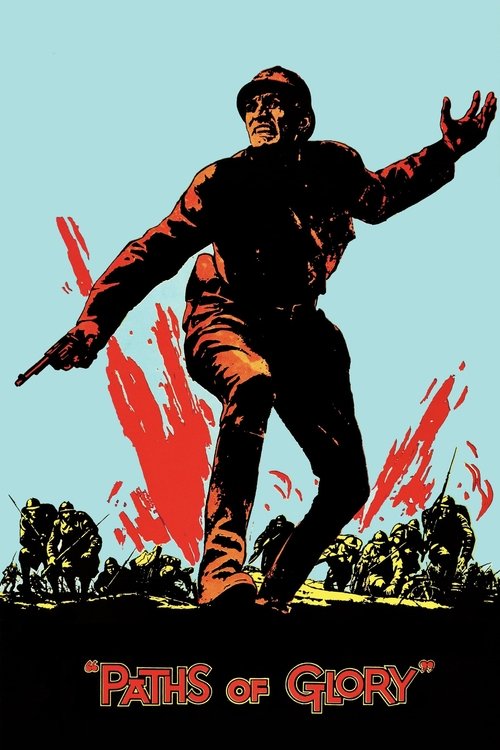
Paths of Glory1957
Kubrick's earlier masterpiece about the machinery of military injustice. WWI setting, but the core is identical: how institutions grind individual men into position and sacrifice them for abstraction.
But Black and white, 1950s pacing, and the ending is quietly devastating rather than cathartic. Some find it bleak to the point of weightlessness.
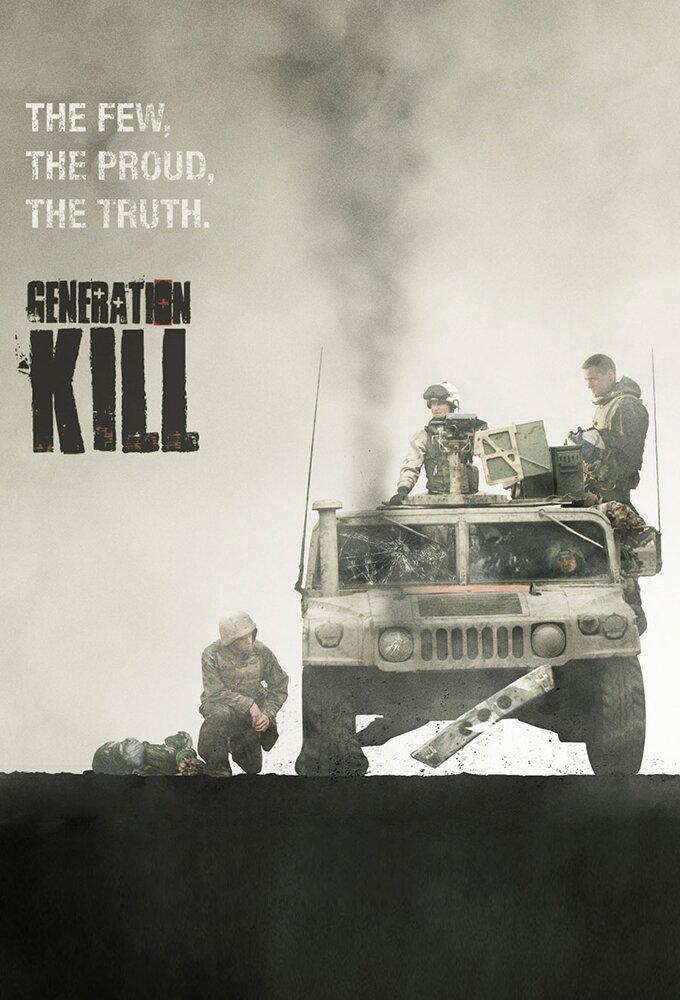
Generation Kill2008
Seven-episode HBO miniseries following a Marine reconnaissance unit in Iraq. Same DNA as Tigerland—young men in the system, gallows humour, the collision between training and reality, led by a charismatic dissenter.
But It's Iraq, not Vietnam, so if you're specifically drawn to the period, this won't scratch that itch. The first episode is slow to hook you.
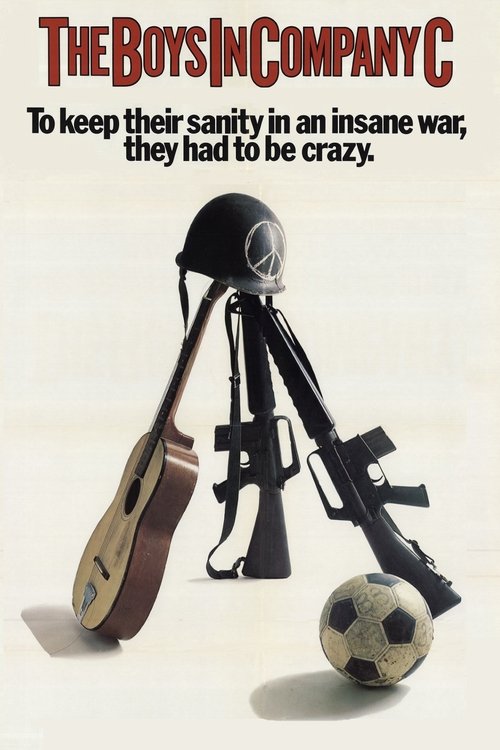
The Boys in Company C1978
An ensemble Vietnam film that moves between training and combat, tracking how war transforms a group of friends. It has Tigerland's focus on character and the psychological before the physical cost.
But It's obscure enough that it feels dated even by war-film standards. The filmmaking is functional rather than elegant, which some experience as authenticity and others as cheapness.
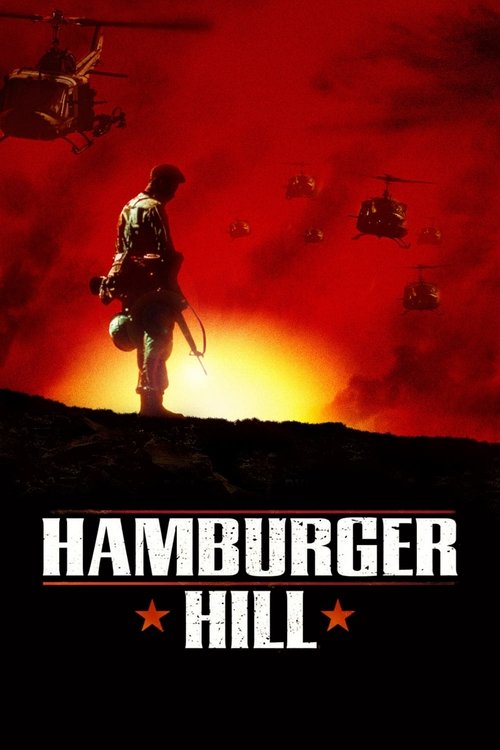
Hamburger Hill1987
A brutal, unglamorous account of a specific battle with a strong ensemble cast. It takes the grunt's-eye view seriously and doesn't flinch from the waste and confusion of combat.
But It's punishing and repetitive by design. Some viewers find that honesty powerful; others find it punishing without insight.
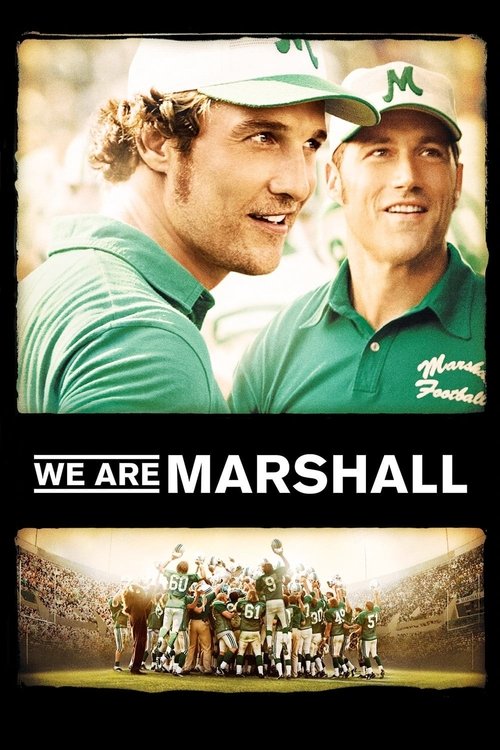
We Are Marshall2006
Matthew McConaughey leading a grief-stricken college football team after a plane crash. It's really about how groups of men rebuild identity and purpose after trauma—thematically closer to Tigerland than its sports-film surface suggests.
But The inspirational sports-movie machinery is visible. It's gentler and more uplifting than any war film, which some will find dishonest to the material.
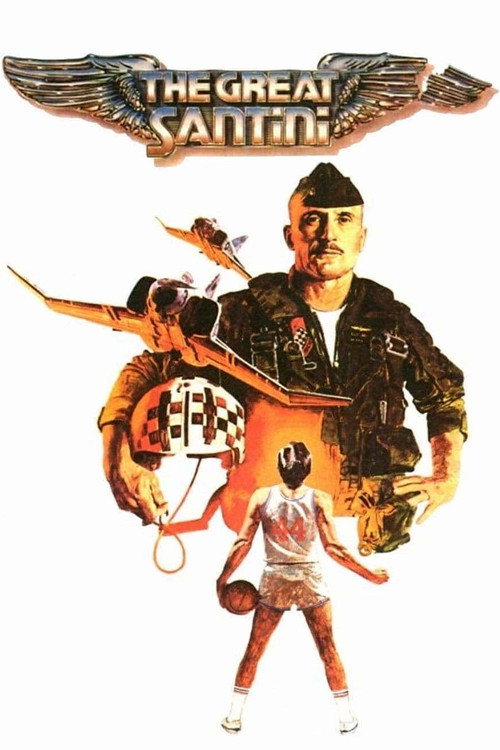
The Great Santini1979
Both examine how military culture colonizes the psyche—not just during service but as a way of being. Tigerland shows the entry; Santini shows the permanent scar it leaves.
Robert Duvall as a Marine fighter pilot whose tyranny over his family mirrors his military conditioning. It's a character study about power, obedience, and the damage of the system that demands domination, framed as a family drama rather than a war film.
But It's slow, domestic, and emotionally painful. If you're seeking action or spectacle, this is a locked room with people you'll come to resent.
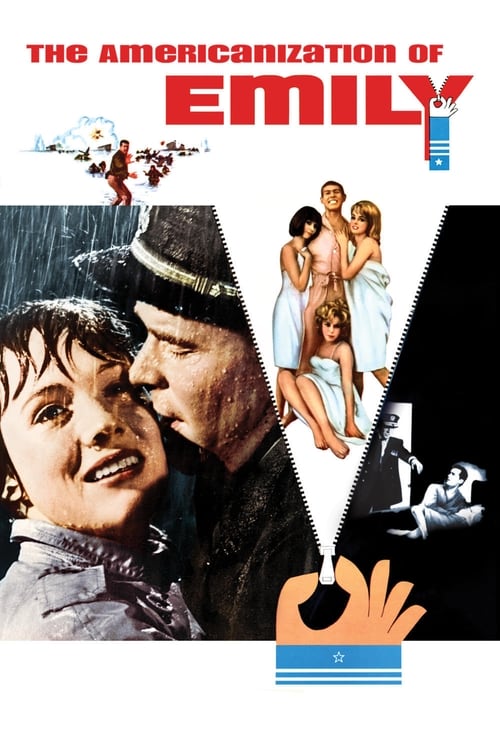
The Americanization of Emily1964
Both films are skeptical of military mythology and the narratives soldiers are fed to make sense of their own training and deployment. Emily simply deploys comedy to say what Tigerland says with silence and dread.
James Garner and Julie Andrews in a WWII romantic comedy that's actually a sharp-edged critique of how war becomes spectacle and myth. It's funny, charming, and subversive in ways that sneak up on you—the war's real only when you're not looking at the camera.
But The tonal shifts between screwball and cynicism jar some viewers. It's a 1964 film with period attitudes, and it moves quickly enough that you might miss the architecture.
People
Cast
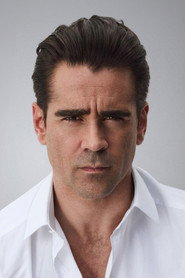 Colin FarrellPvt. Roland Bozz
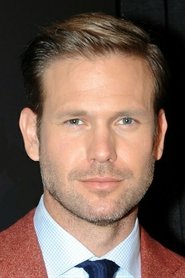 Matthew DavisPvt. Jim Paxton
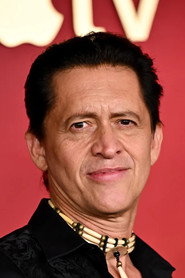 Clifton Collins Jr.Pvt. Miter
 Tom GuiryPvt. Cantwell
 Shea WhighamPvt. Wilson
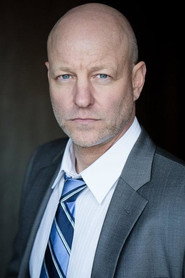 James MacDonaldStaff Sgt. Thomas
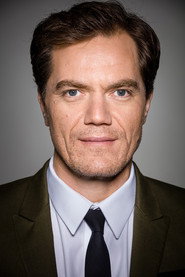 Michael ShannonSgt. Filmore
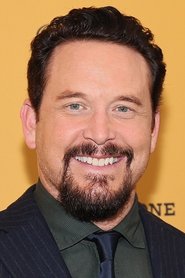 Cole HauserStaff Sgt. Cota
 Neil Brown Jr.Pvt. Jamoa Kearns
 Matt GeraldSgt. Eveland
 Russell RichardsonPvt. Johnson
 Nick SearcyCapt. Saunders
Directing
- Joel SchumacherDirector
Writing
- Michael McGrutherWriter
- Ross KlavanWriter
Production
- Arnon MilchanProducer
- Beau FlynnProducer
- Steven HaftProducer