
Film
The Americanization of Emily
A 1964 romantic comedy-drama set against the D-Day invasion, where a charming American sailor falls for an English widow while dodging a suicidal PR stunt concocted by his superior. It's warm and funny but never cynical about either love or war's actual human cost. A film about cowardice, duty, and what it means to be alive.
Should you watch it?
Watch it if you enjoy sharp, talky satire that lets a wartime comedy turn bitter at the edges, and you like romance built from quick banter and moral argument rather than sentiment.
Skip it if you want war stories with real stakes and steady momentum; its jokes about cowardice and officers' vanity can start to feel like a lecture, and the romance runs on talk more than heat.
What it asks of you: Settle in for a leisurely two hours where the jokes arrive in long conversational runs and the mood keeps sliding between farce and something more uneasy.
Not sure? Find tonight's pick in a minute.
If you liked this
M*A*S*H1970
Another anti-war comedy that finds real darkness and real laughs in the same moment. Uses humor to expose the lunacy of military bureaucracy without ever winking at the suffering underneath.
But The tone can feel scattershot—it jumps between satire and tragedy in ways that don't always land. Some of it plays as dated.

Breakfast at Tiffany's1961
Audrey Hepburn in a different kind of romantic comedy, where the real connection is between two damaged people pretending they're fine. Elegantly sad beneath the champagne and style.
But It's more a mood than a plot. If you need momentum and resolution, you'll find it frustratingly slight.

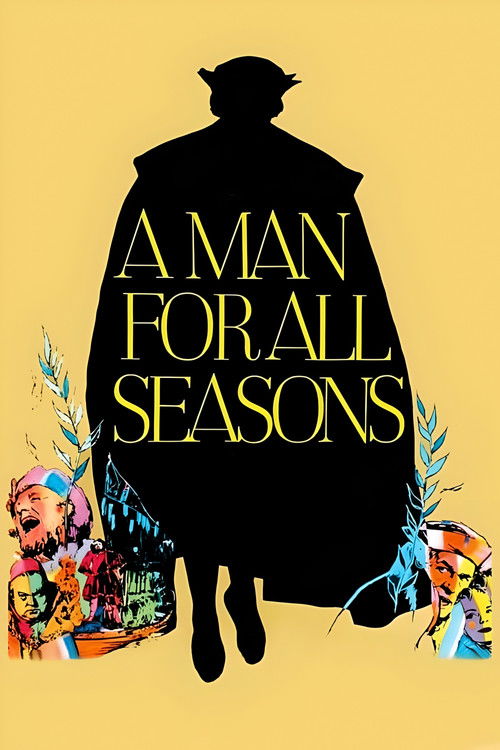
A Man for All Seasons1966
Another 1960s film about a man forced to choose between duty and conscience, but played as tragedy rather than comedy. Paul Scofield's performance is devastating and quiet.
But It's deliberately theatrical and stagey in its presentation. The pacing is measured in a way that can feel slow.
Not sure tonight? Get a pick in a minute, starting from The Americanization of Emily
The wildcard
Something you would not have found on your own.
The Best Years of Our Lives1946
Both are war films that treat romance and duty as moral problems rather than plot points. Both were made in the moment, not from nostalgia. Both trust their audience to sit with uncomfortable questions.
Three returning GIs struggle to reintegrate into civilian life in post-war America. It's both a love story and an excavation of what war actually costs—made while the wounds were still open.
But At 170 minutes, it's a serious time commitment. The pacing is deliberate and the emotional register is relentlessly earnest. Irony offers no shelter here.

More like this (7)
Singin' in the Rain1952
A film about entertainment and pretense in wartime that finds joy without dismissing the real stakes. Gene Kelly and Donald O'Connor prove that comedy and craft aren't trivial.
But The musical numbers, while brilliant, are long. If you're not in the mood for dance sequences, it will test your patience.

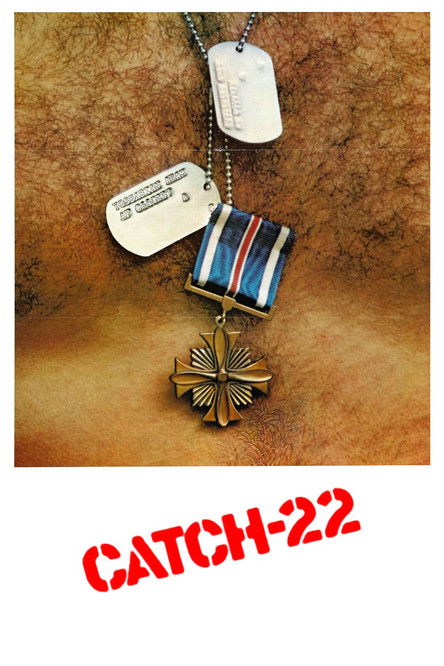
Catch-221970
The definitive adaptation of a book about military absurdity. Black comedy that escalates into genuine horror. It understands that sometimes the only sane response is to laugh.
But It's dense, chaotic, and deliberately resistant to narrative clarity. Many find it either genius or a mess—rarely anything in between.
The Third Man1949
Post-war Vienna, moral ambiguity, a man discovering the person he admired is a monster. Beautifully shot and genuinely romantic in a ruined, corrupted way.
But The zither score is distracting and precious. The structure is patient in ways that modern audiences sometimes find slow.

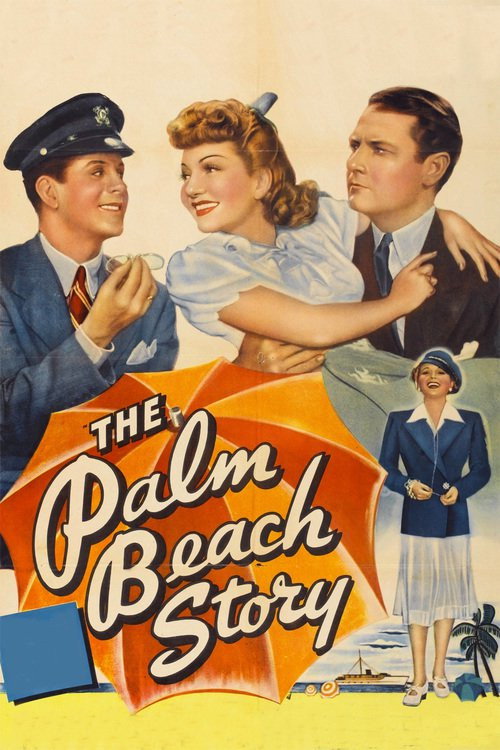
The Palm Beach Story1942
Preston Sturges at peak brilliance—screwball comedy about marriage and ambition that's genuinely smart. Fast, inventive, and surprisingly tender about commitment.
But The rapid dialogue and fast cuts are nearly overwhelming. It rewards close attention in a way that can be exhausting.
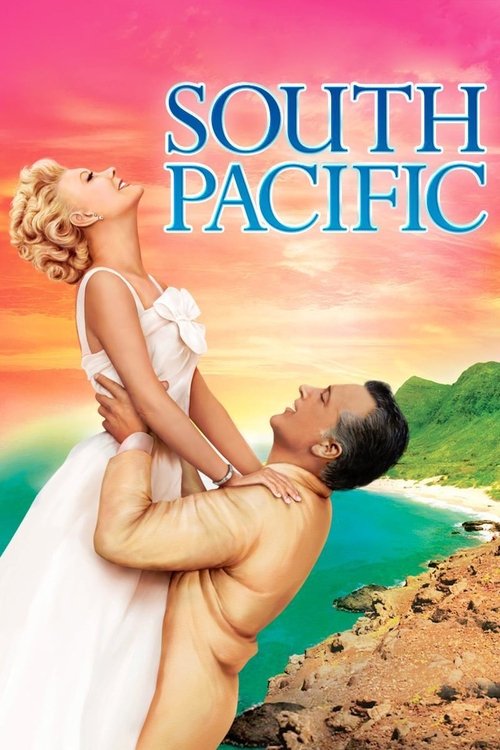
South Pacific1958
A wartime romance that doesn't shy away from the racism and sexism embedded in its own premise. The songs are beautiful and the moral questions are real.
But It's long, it's theatrical, and it contains genuinely uncomfortable racial attitudes even as it critiques them. Some will find that balance impossible to watch.
Ikiru1952
Both films argue that the smallest acts of honesty and connection matter more than grand gestures or duty. Both find their humanity in refusing propaganda—in seeing clearly what's actually in front of them.
Kurosawa's film about a dying Japanese bureaucrat who finally finds meaning while trying to build a playground. A profound meditation on what makes a life worth living and how little time we have.
But It's slow, gray, and entirely without glamour. The protagonist is ordinary and failures accumulate. There's no heroic redemption, only small grace.

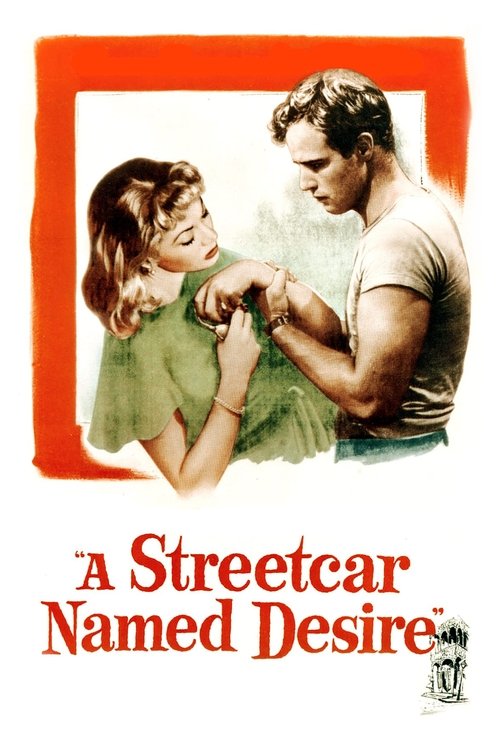
A Streetcar Named Desire1951
Like Emily, it's a film about Americans abroad (in this case, emotionally) and the collision between fantasy and reality. Both feature beautiful, damaged people who can't quite bridge the gap between who they are and who they need to be.
Marlon Brando and Vivien Leigh in Tennessee Williams' play about desire and delusion. Raw, sexual, and unafraid of human ugliness. American cinema in the moment it started to grow up.
But It's claustrophobic, ugly, and sexually charged in ways that can feel punishing. The violence is real. There's no comfort here, only truth.
People
Cast
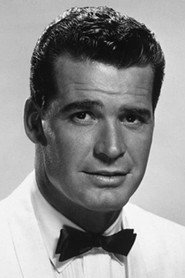 James GarnerLt. Commander Charles E. Madison
 Julie AndrewsEmily Barham
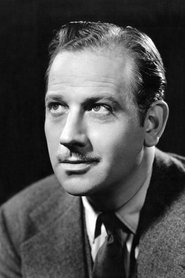 Melvyn DouglasAdmiral William Jessup
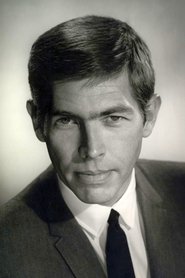 James CoburnLt. Commander Paul "Bus" Cummings
 Joyce GrenfellMrs. Barham
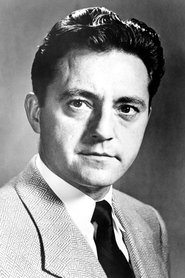 Edward BinnsAdmiral Thomas Healy
 Liz FraserSheila
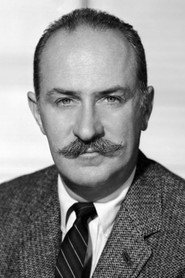 Keenan WynnOld Sailor
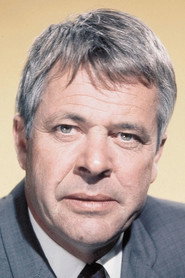 William WindomCaptain Harry Spaulding
 John CrawfordChief Petty Officer Paul Adams
 Douglas HendersonCaptain Marvin Ellender
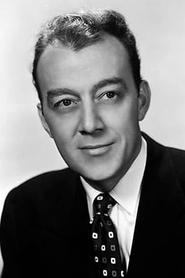 Edmon RyanAdmiral Hoyle
Directing
- Al ShenbergAssistant Director
- Arthur HillerDirector
Writing
- William Bradford HuieNovel
- Paddy ChayefskyScreenplay
Production
- John CalleyAssociate Producer
- Irene HowardCasting
- Martin RansohoffProducer
Recommended by
Mister Roberts, Love in the Afternoon, The Trouble with Angels, Keep Your Powder Dry, Tigerland