
Film
Love in the Afternoon
Other titles called Love in the Afternoon: the 1972 film.
A Parisian romance between a cynical American playboy and an innocent young woman who holds his darkest secret. Audrey Hepburn and Gary Cooper share an electric, unlikely chemistry in Billy Wilder's elegant comedy of seduction and self-deception. Witty, romantic, occasionally uncomfortable in ways that make it fascinating—a film about desire that knows desire is never simple.
Should you watch it?
Watch it if you enjoy witty, talky romances where the banter does the heavy lifting and an older charmer's vanity is gently teased, with Paris glowing in every frame.
Skip it if you need the romance to move briskly, since this one lingers, circles its jokes and runs well past two hours at a deliberately unhurried pace.
What it asks of you: Give it a long, leisurely evening of glances, pauses and talk; it rewards patience more than close tracking of plot.
Not sure? Find tonight's pick in a minute.
If you liked this
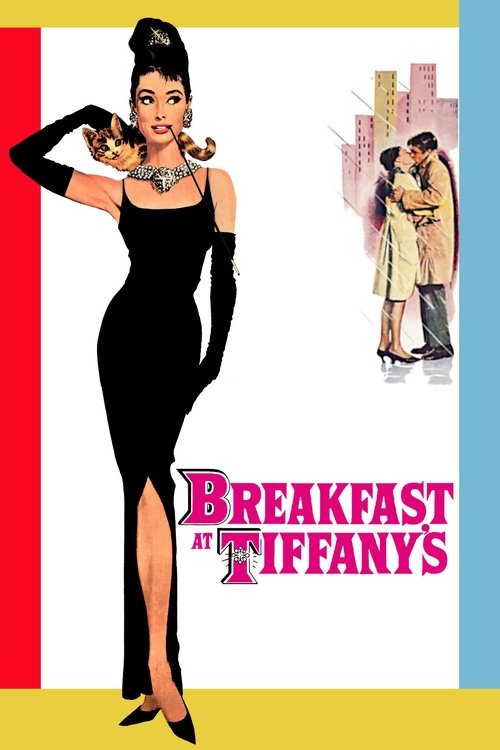
Breakfast at Tiffany's1961
Audrey Hepburn at peak luminescence, playing another young woman navigating a world of older, wealthier men. Truman Capote's New York glitters with the same romantic melancholy Wilder found in Paris. Endlessly rewatchable.
But Holly Golightly can feel more like a fantasy than a character. The film's racial attitudes are deeply uncomfortable by today's standards, and some moments haven't aged well.
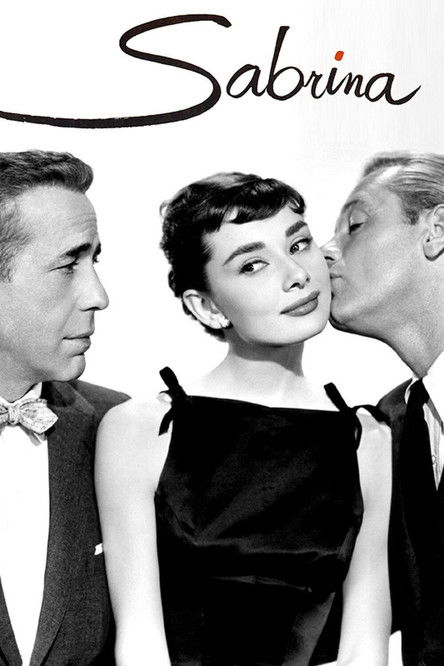
Sabrina1954
Audrey Hepburn again, caught between two men of vastly different ages and temperaments. Wilder directed this one too—same sophisticated European sensibility, same exploration of class and longing. Humphrey Bogart is wonderfully gruff.
But The romantic resolution feels a bit neat after all the class commentary. Some viewers find the pacing leisurely to the point of slow.
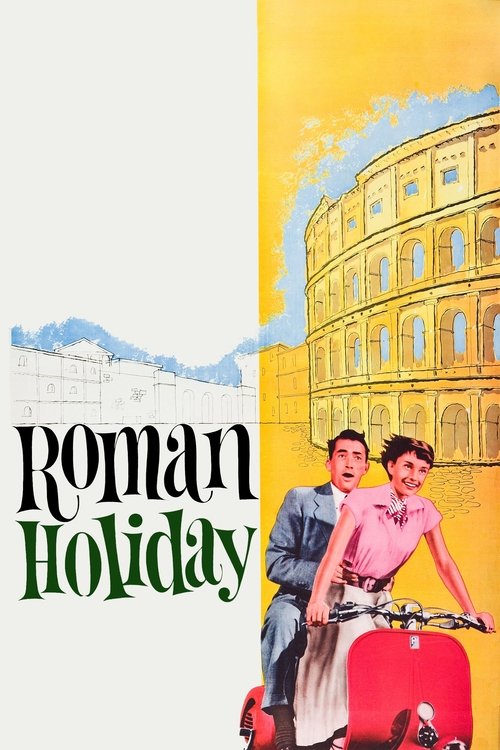
Roman Holiday1953
Audrey Hepburn's breakthrough opposite Gregory Peck. A princess meets a reporter; they fall in love over a single day in Rome. It has the same bittersweet romance and European charm, though gentler and more innocent than *Love in the Afternoon*.
But The ending is deliberately sad, which surprises people who expect a Hollywood romance. The film is slight—beautiful, but not particularly deep.
Not sure tonight? Get a pick in a minute, starting from Love in the Afternoon
The wildcard
Something you would not have found on your own.
Contempt1963
Both use glamorous women in romantic Paris to explore what men's desire actually reveals about men. Both are about the gap between romance and reality—but Godard goes to the void, while Wilder finds a joke.
Jean-Luc Godard's film-within-a-film about a marriage collapsing between a cynical American producer and his French wife. Brigitte Bardot's beauty is weaponized the way Hepburn's innocence is in Wilder—both are about male desire confronting its own emptiness. Ravishingly shot in Technicolor.
But It's deliberately slow and fragmented. Godard's style alienates viewers accustomed to narrative drive. The existential misery can feel pretentious or self-indulgent.

More like this (8)
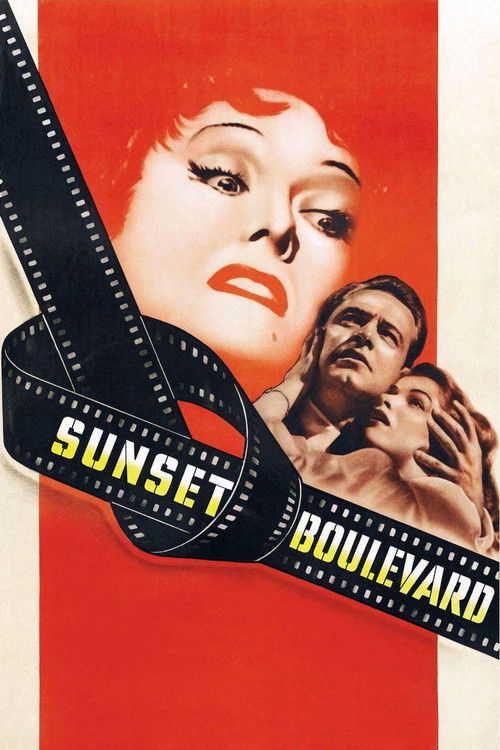
Sunset Boulevard1950
Billy Wilder's masterpiece about a young man seduced by an older woman's wealth and fame. Same director, same exploration of desire and delusion, but pitch-black instead of comic. The cynicism runs deeper.
But It's bleak in a way that can feel oppressive. Gloria Swanson's character is genuinely unsettling. Not what you want if you're looking for lightness.
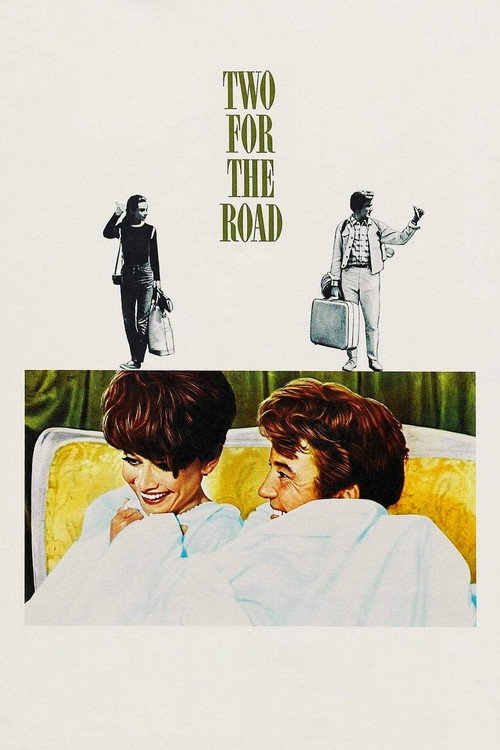
Two for the Road1967
Audrey Hepburn and Albert Finney drive through Europe while their marriage unravels and reforms. It's like *Love in the Afternoon* aged into adulthood—same European locations, same romantic sophistication, but asking harder questions about love's sustainability.
But The structure is deliberately fragmented, jumping through time. Some find it confusing rather than clever. It's also less funny than Wilder.
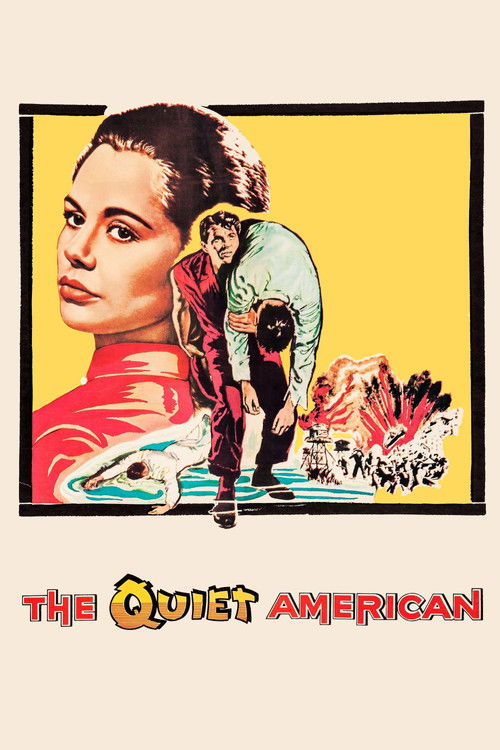
The Quiet American1958
Gary Cooper in a rare dramatic role as a man complicit in moral compromise. Made the year after *Love in the Afternoon*, it shows his range as an actor and explores similar themes of Americans abroad getting in over their heads.
But It's earnest and heavy where you might want lightness. The politics date it. Cooper fans expecting charm will find a sadder, more serious version of him.
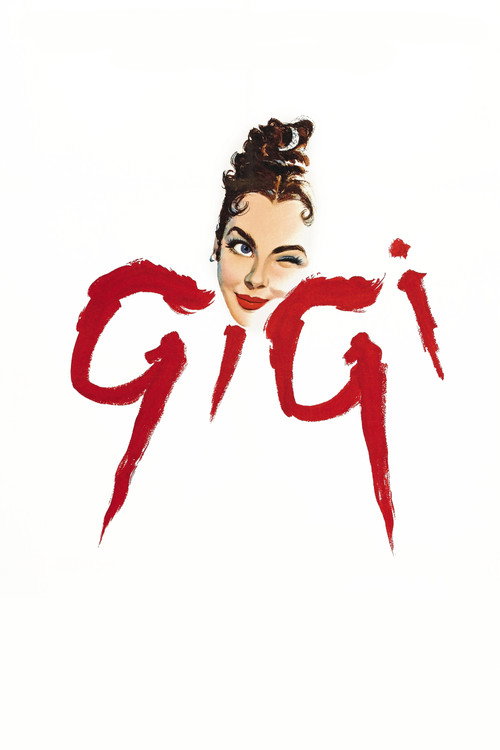
Gigi1958
Maurice Chevalier (your film's charming father figure) in another Parisian romance about a young woman groomed for an older man's pleasure. Lerner and Loewe's music is gorgeous. Same Belle Époque sensibility, but as a musical.
But The entire premise—a girl trained to be a man's mistress—feels queasy now. The production number pacing can feel glacial. It's saccharine compared to Wilder's wit.
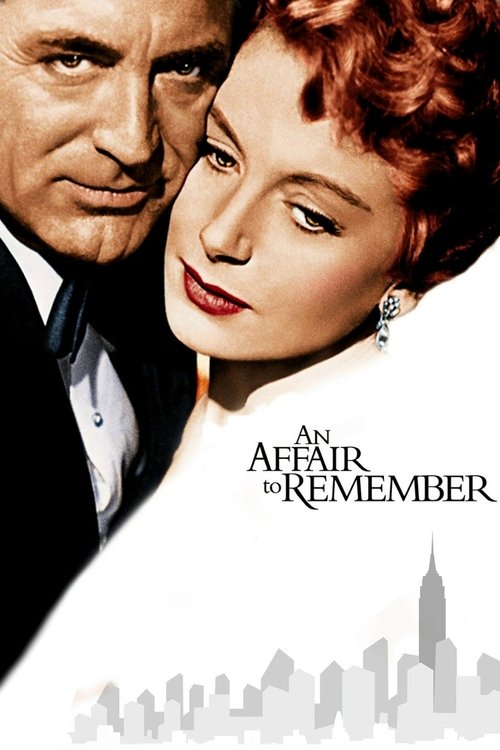
An Affair to Remember1957
Released the same year as *Love in the Afternoon*, it's also about star-crossed romance and a man learning that desire isn't enough. Cary Grant and Deborah Kerr at their most elegant. Pure romantic melodrama.
But It's unabashedly sentimental in a way that can feel manipulative. The plot hinges on a coincidence that strains credibility. If you prefer wit to tears, this isn't for you.
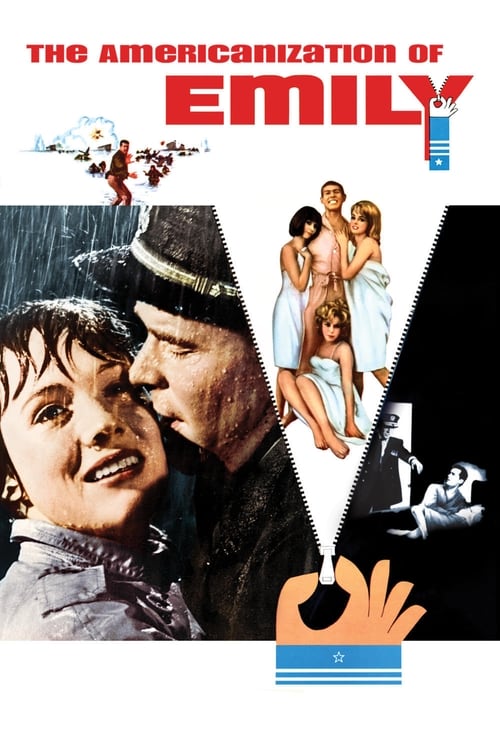
The Americanization of Emily1964
James Garner as another American abroad, charming his way through moral compromise and romance during WWII. Sharper social commentary than most comedies, with genuine emotional stakes underneath the humor.
But The WWII setting gives it a grimness that cuts against the comedy. The romance subplot can feel like a distraction from what the film really cares about.
The Servant1963
Both films about desire and class, both about younger people who understand their older lovers' weaknesses. Where Wilder finds romance, Losey finds predation and corruption—same architecture, opposite moral temperature.
Joseph Losey's chamber piece about an older gentleman hiring a young manservant who subtly inverts their power dynamic. Like *Love in the Afternoon* inverted: here it's the younger person with the real control. Claustrophobic, erotic, deeply unsettling. James Fox and Dirk Bogarde are magnificent.
But It's uncomfortable by design—the sexual and class dynamics will make you squirm. The ending offers no resolution. It's British and austere where Wilder is Parisian and charming.

The Third Man1949
A different era and genre, but the same structural heart: an American abroad discovers that charm and surface conceal something darker. Where Wilder laughs, Reed asks you to mourn. Both are about seeing through illusions, but to very different effect.
Carol Reed's postwar Vienna noir with Orson Welles and Joseph Cotten. A man discovers his best friend is a murderer—another film about disillusionment and the gap between what we believe about people and what they are. Graham Greene's script is poetry. The zither score is unforgettable.
But It's atmospheric to the point of slowness. The romance is peripheral to the plot. Black-and-white postwar Vienna is bleaker than Parisian romance, and the cynicism cuts deeper than comedy can reach.

People
Cast
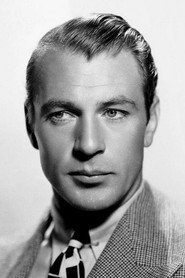 Gary CooperFrank Flannagan
 Audrey HepburnAriane Chavasse / Thin Girl
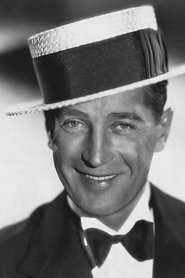 Maurice ChevalierClaude Chavasse
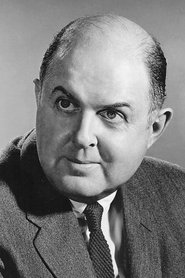 John McGiverMonsieur X
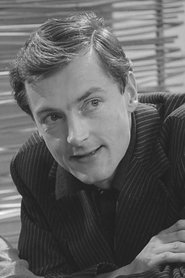 Van DoudeMichel
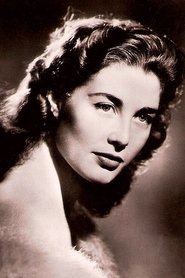 Lise BourdinMadame X
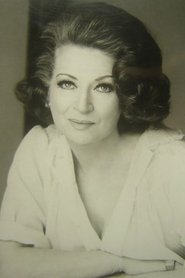 Olga ValéryHotel Guest with Dog
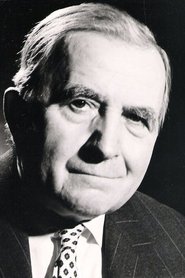 Paul BonifasPolice Chief (uncredited)
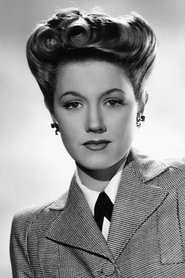 Audrey LongBrunette (uncredited)
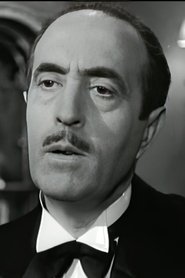 Charles LemontierGeneral (uncredited)
- Eve MarleyTandemist (uncredited)
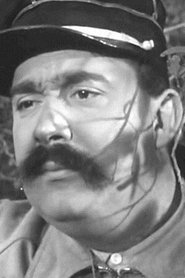 MoustacheButcher (uncredited)
Directing
- Paul FeyderAssistant Director
- Ray Taylor Jr.Assistant Director
- Billy WilderDirector
- Paul FeyderFirst Assistant Director
- Lucie LichtigScript Supervisor
- Winifred GibsonScript Supervisor
- Alain BoudetSecond Assistant Director
- Noël HowardSecond Unit Director
Writing
- Claude AnetNovel
- Billy WilderScreenplay
- I. A. L. DiamondScreenplay
Production
- Doane HarrisonAssociate Producer
- Lee KatzAssociate Producer
- William SchorrAssociate Producer
- Christian FerryLocation Manager
- Billy WilderProducer
- Edward DoddsProduction Manager
Recommended by
Irma la Douce, Sabrina, Anna Karenina, Man Is Not a Bird, Populaire, Love with the Proper Stranger