
Film
Man Is Not a Bird
Dušan Makavejev's debut is a portrait of ordinary longing in communist Yugoslavia—a middle-aged engineer bumbling toward romance with a young woman while the world hums indifferently around them. Shot in crisp black-and-white, it's tender and wry by turns, a film that finds the comedy and ache in human awkwardness. For anyone curious about East European cinema or who appreciates small, human stories told with formal grace.
If you liked this
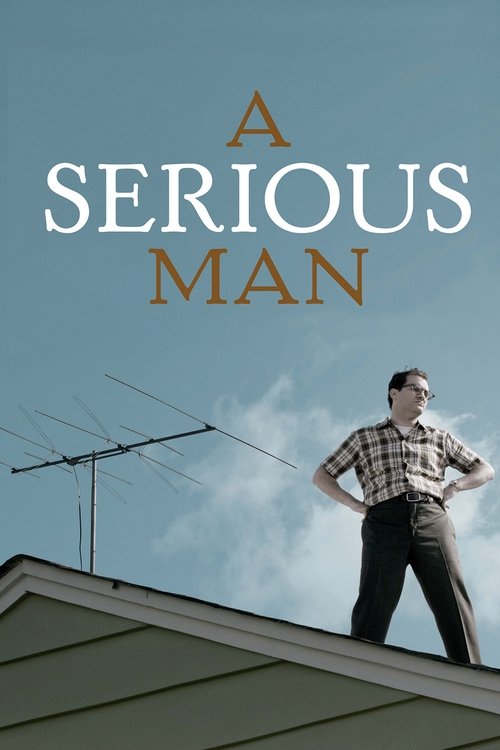
A Serious Man2009
The Coen Brothers' portrait of a man adrift in his own life, wrestling with cosmic indifference and his own inability to connect. Like Makavejev, they find dark comedy in existential bewilderment.
But Deliberately frustrating. Nothing resolves; the protagonist remains stuck, which some find nihilistic rather than moving.
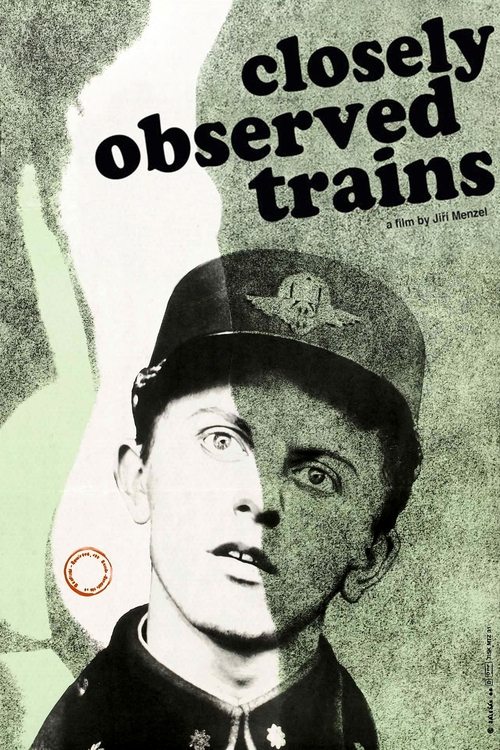
Closely Watched Trains1966
Jiří Menzel's Czech masterpiece about a railway worker's coming-of-age under Nazi occupation. Same era, same region, same blend of intimate romance and social texture. Funny without ever letting you forget what's at stake.
But Wartime setting and sexual violence. The film handles both with care, but they're not light notes.
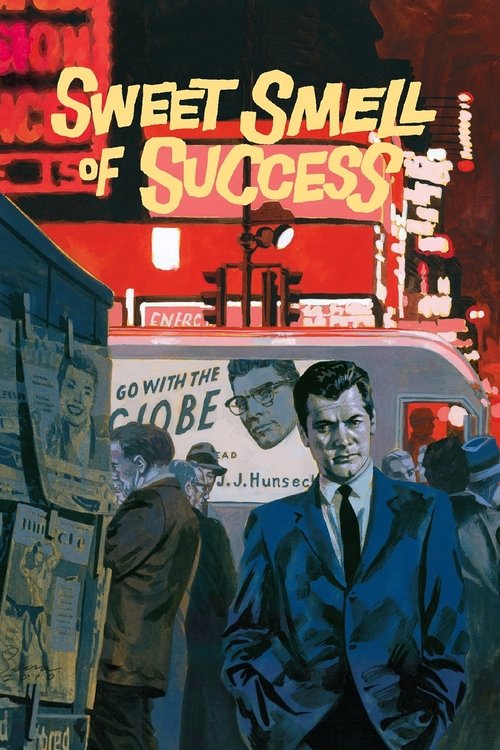
Sweet Smell of Success1957
Lehman and Mackendrick's acid portrait of Manhattan ambition and the people it corrupts. A man pursuing someone he can't have, swallowed by a world that doesn't care. Poisonous and beautiful.
But Deeply cynical. There are no heroes here, and the dialogue is baroque enough to feel exhausting if you're not in the mood.
Not sure tonight? Get a pick in a minute, starting from Man Is Not a Bird
The wildcard
Something you would not have found on your own.
Tokyo Story1953
Both use formal precision and apparent simplicity to excavate the loneliness underneath ordinary life. Both trust the audience to feel what isn't said.
Ozu's masterpiece about aging parents visiting their children in Tokyo. No plot to speak of—just people sitting, talking, missing each other. Makavejev learned from this: how to make stillness and ordinariness unbearably moving.
But It is fundamentally plotless. If narrative momentum matters more to you than the weight of a glance or the texture of a room, this will feel like nothing happening for two hours.

More like this (7)
Stalker1979
Tarkovsky's hypnotic meditation on desire and futility. A guide leads two men through a mysterious zone toward a room that grants wishes—or does it? Obsessive, patient, philosophically ambitious.
But Glacially slow. At 163 minutes, it demands an almost monastic attention. Impatience here feels like a failure of nerve, but it is still impatience.

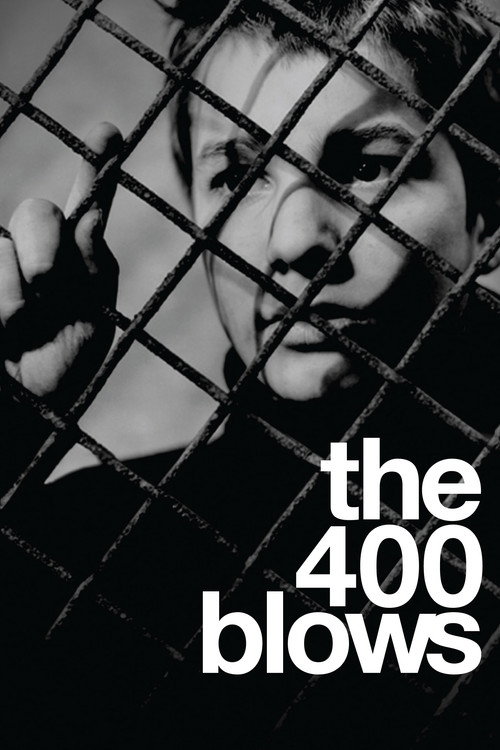
The 400 Blows1959
Truffaut's portrait of a boy lost between childhood and adolescence, between the world's indifference and his own fumbling desire to be seen. Tender without sentiment. One of cinema's great achievements.
But The sadness is steady and unglamorous. If you need narrative momentum or clear resolution, this will feel like drift.
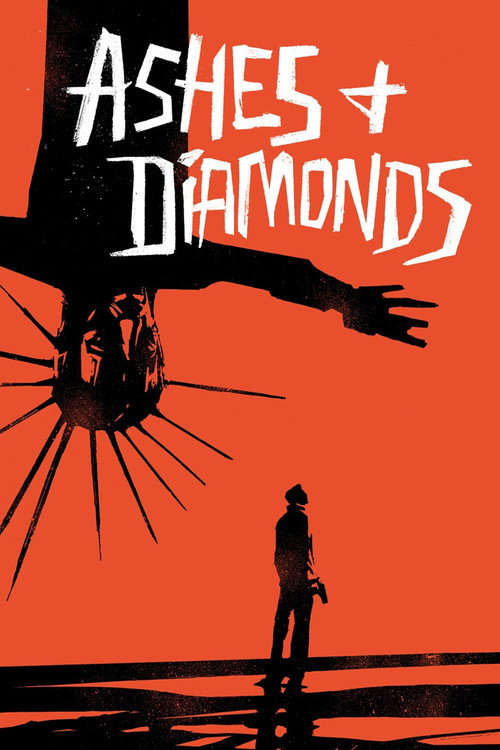
Ashes and Diamonds1958
Wajda's Polish masterpiece: a young resistance fighter's last night before the war ends, caught between ideology and desire. Visually stunning, morally complicated, burningly alive.
But Historical context helps. The politics can feel opaque if you don't know post-war Polish history, and that distance might flatten the emotional stakes.
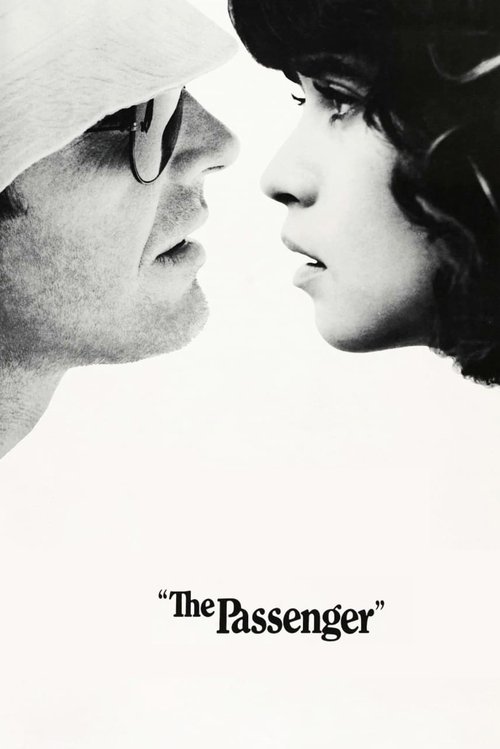
The Passenger1975
Antonioni's meditation on identity and the desire to escape yourself. Jack Nicholson assumes a dead man's life and is slowly consumed by it. Formally perfect and deeply, quietly unsettling.
But Remote. Nicholson's performance is deliberately flat, and the film offers no psychological comfort or explanation for what drives him.
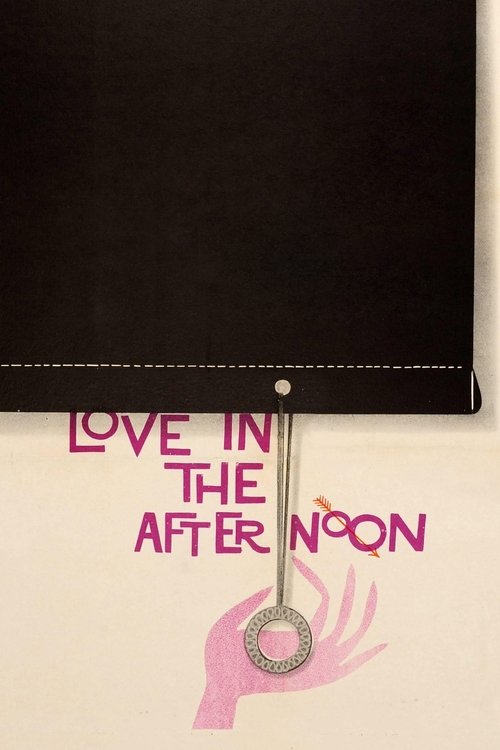
Love in the Afternoon1957
Billy Wilder's elegant comedy about an older man and a younger woman in Paris. Lighter than Makavejev, but equally attuned to the gap between desire and reality, and the comedy that lives there.
But The age gap may read differently now. Wilder makes it work, but it's undeniably present.
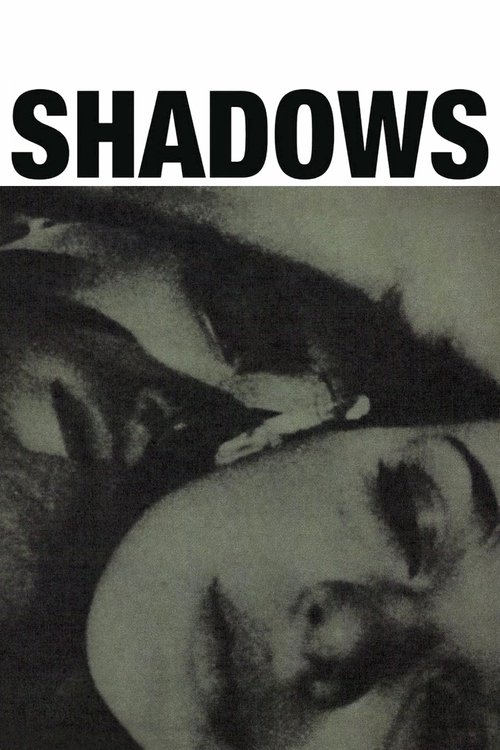
Shadows1960
Cassavetes' improvised jazz-inflected film about young people in New York searching for connection and identity. Grainy, restless, alive. Early American cinema unafraid of mess and incompleteness.
But The improvisation sometimes feels like improvisation. The editing can be bewildering, the plot deliberately shapeless.
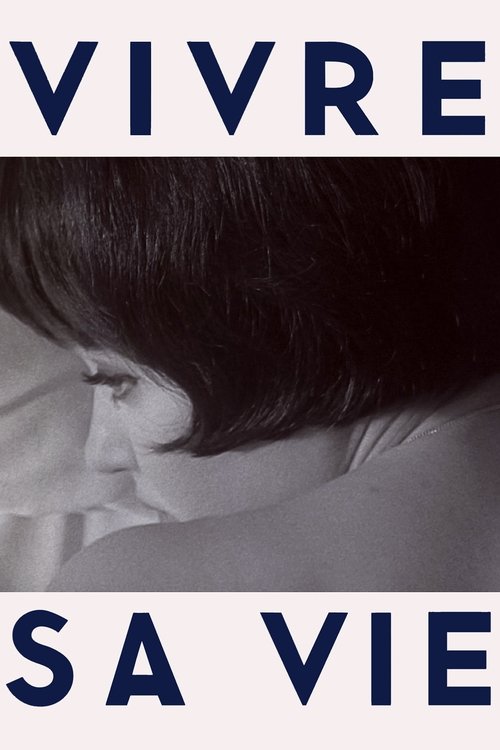
Vivre Sa Vie1962
Both Makavejev and Godard were filmmakers interested in how cinema itself shapes our understanding of bodies, desire, and what it means to be watched. Both use formal innovation to unhinge conventional storytelling about romance and sex.
Anna Karina in 12 scenes as a young woman drifting through Paris, from cinema ticket seller to sex worker. Godard frames it as tragedy and philosophical inquiry. A document of beauty and alienation in the modern city.
But Formally experimental in ways that can feel mannered. Godard's intellectual detachment and the film's episodic structure keep you at a distance, which is the point but not everyone's idea of a night out.
People
Cast
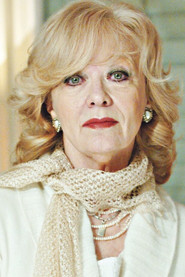 Milena DravićRajka
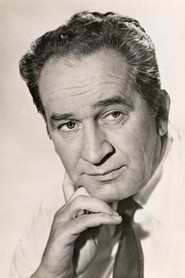 Janez VrhovecJan Rudinski
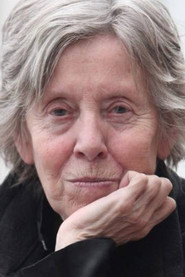 Eva RasBarbulova žena
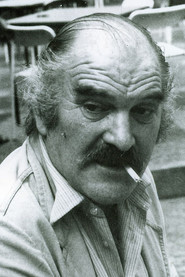 Stole AranđelovićBarbulović aka Barbul
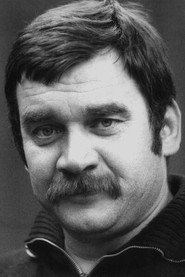 Boris DvornikBoško, vozač kamiona
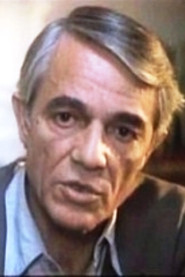 Dušan AntonijevićŽelezničar
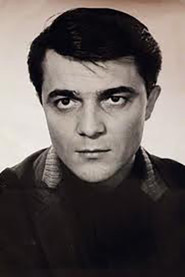
 Živojin PavlovićSused