
Film
The 400 Blows
Truffaut's debut is less a story than a temperature reading of what it feels like to be twelve and unseen by every adult around you. Antoine lies, skips school, steals — not from malice but drift — and the film watches him with a clear, unsentimental eye. Loose, plotless, quietly devastating, and one of the most influential films ever made. Essential, not easy.
If you liked this
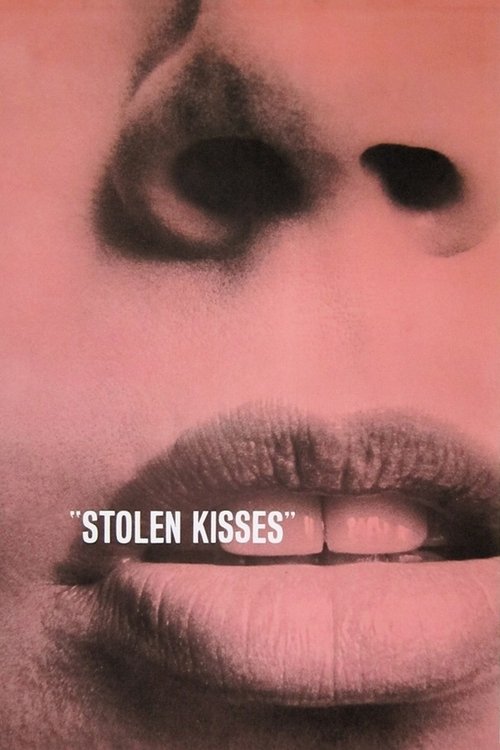
Stolen Kisses1968
Truffaut picked Antoine back up a decade later, older but no less adrift, drifting through jobs and love affairs with the same restless tenderness. It's the natural next stop if you fell for the character rather than just the film.
But Looser and warmer than the original — less anguish, more wandering charm. If you wanted more heartbreak, this softens it.
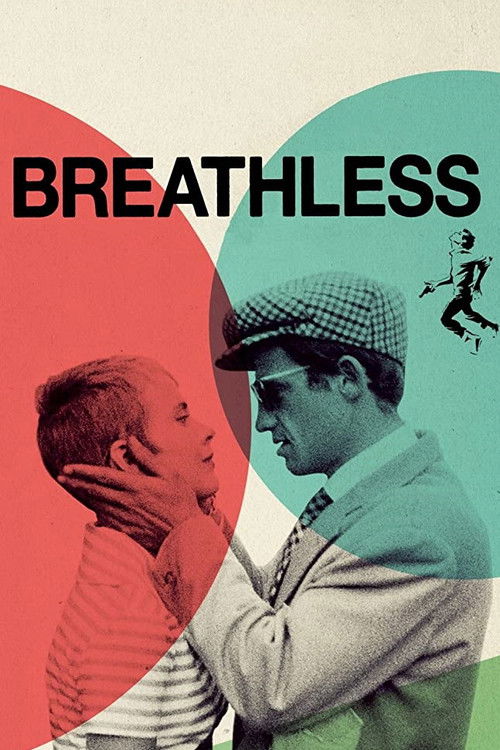
Breathless1960
Godard's jump-cut answer to the same moment in French cinema — reckless, cool, in love with its own rule-breaking. Watching it beside Truffaut's film shows you the two temperaments of the New Wave side by side.
But Cynical and stylish where Truffaut is tender; if you loved the humanity of Antoine, this can feel chilly by comparison.
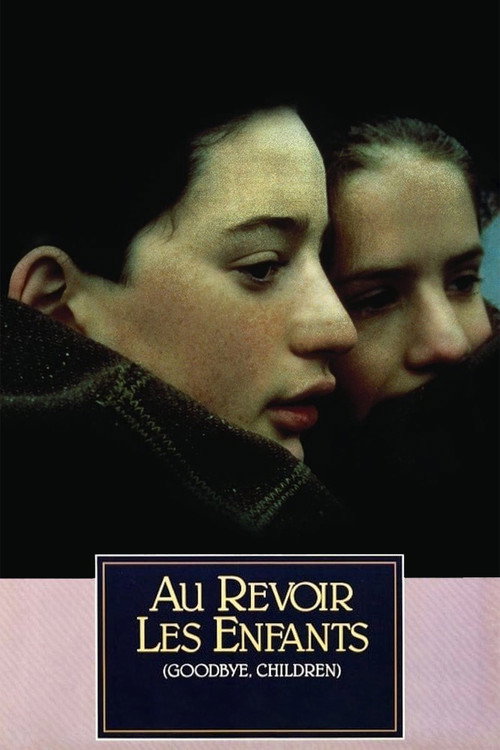
Au Revoir les Enfants1987
Louis Malle's own memory-piece about being a boy under occupation, told with the same unshowy clarity and dread of adult authority closing in. Quietly devastating rather than sentimental.
But Slower and heavier with historical weight — this is memory turned toward atrocity, not adolescence.
The wildcard
Something you would not have found on your own.
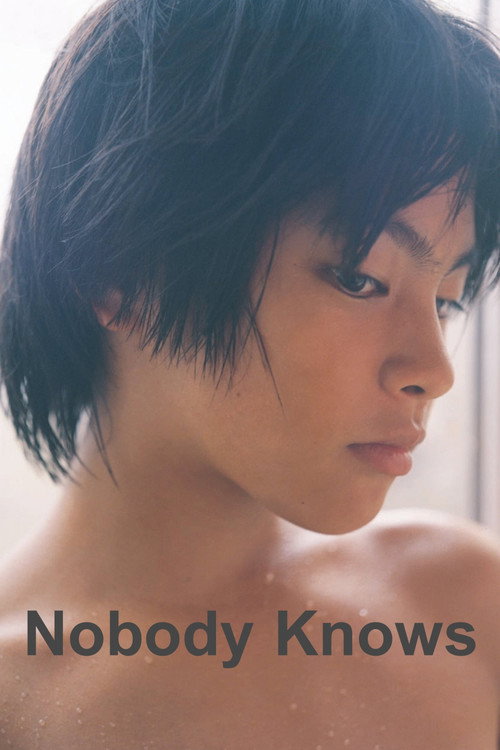
Nobody Knows2004
Both films trust a child's face to carry the entire story and refuse to explain or excuse the adults around them. Kore-eda takes Truffaut's non-judgmental camera and pushes it toward something almost unbearably tender.
Kore-eda's four siblings, abandoned by their mother in a Tokyo apartment, survive on their own logic and quiet dignity. Patient, understated, and one of the most heartbreaking films about childhood neglect ever made.
But Slower and sadder still, with almost no relief — it asks for real patience and delivers real grief.
More like this (7)
Kes1970
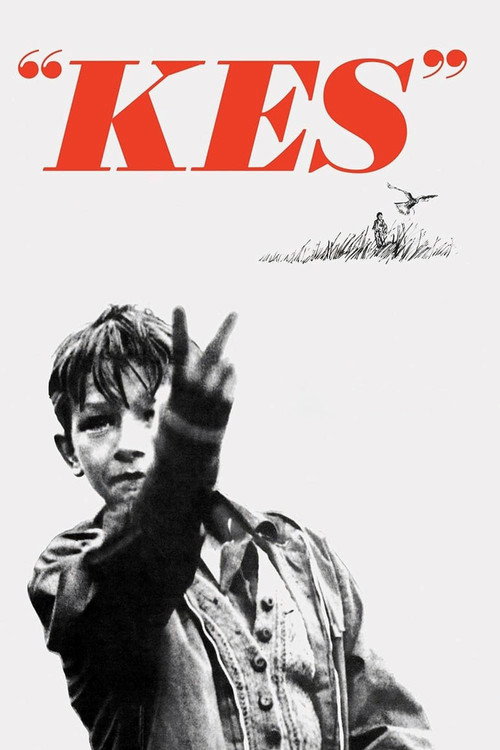
Ken Loach's boy is failed by school, home and everyone in between, same as Antoine, but the accent and grime are Yorkshire, not Paris. Unsparing and full of unexpected tenderness.
But Thick regional dialect and bleak realism throughout — no stylistic lightness to offset the sadness.
My Life as a Dog1985no page yet
A Swedish boy shipped off to relatives while his mother is dying, and finding his own oddball survival logic — funnier and stranger than it sounds, with the same clear-eyed sympathy for a kid nobody quite sees.
But Whimsical touches sit next to real grief; some find the tonal mixing hard to settle into.
Boyhood2014
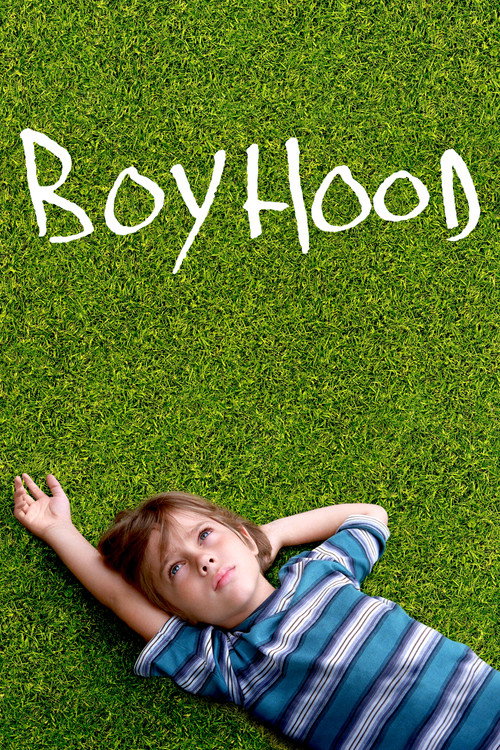
Linklater filmed the same actor for twelve years, watching an ordinary boy grow up in something closer to real time than any coming-of-age film has managed before or since.
But Nearly three hours long and deliberately plotless throughout — its power is cumulative, not immediate.
Cinema Paradiso1988
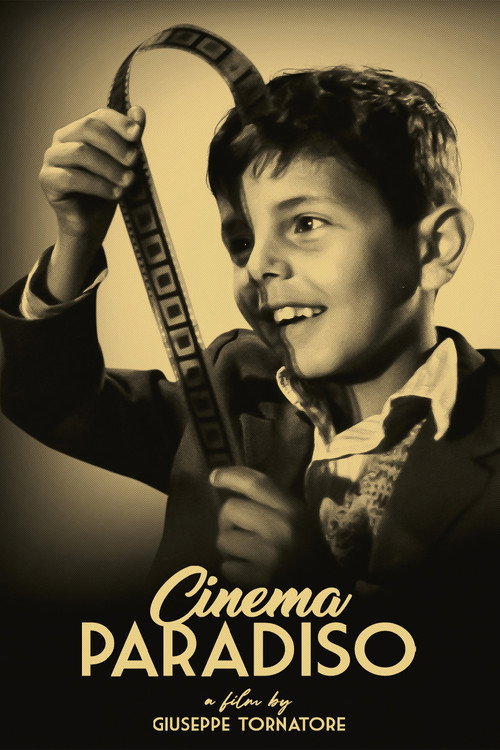
A warmer, more romantic Italian cousin — childhood, cinema and a small-town projectionist standing in for every absent father figure. Where Truffaut is cool-eyed, this one weeps openly and means it.
But Sentimental in a way Truffaut deliberately avoids — if that restraint was the appeal, this may feel manipulative.
Fish Tank2009
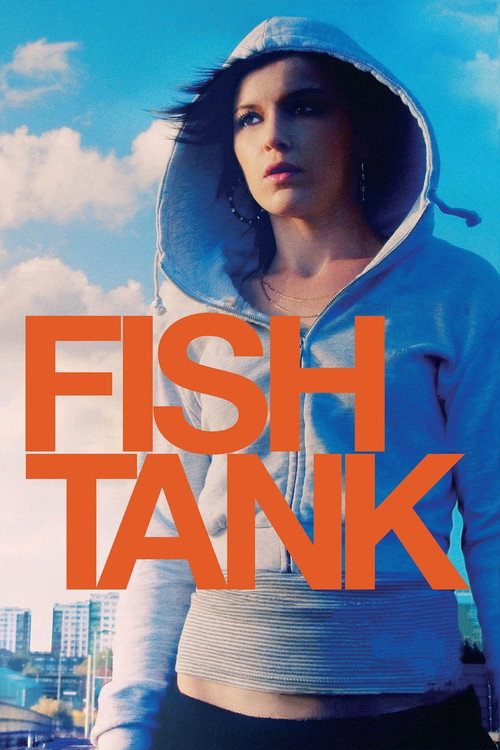
Andrea Arnold's teenage girl in an Essex estate has Antoine's same coiled anger at a world offering her nothing, filmed with the same handheld immediacy and refusal to look away.
But Rawer and more sexually charged than Truffaut's film — this is adolescence with sharper edges and real danger.
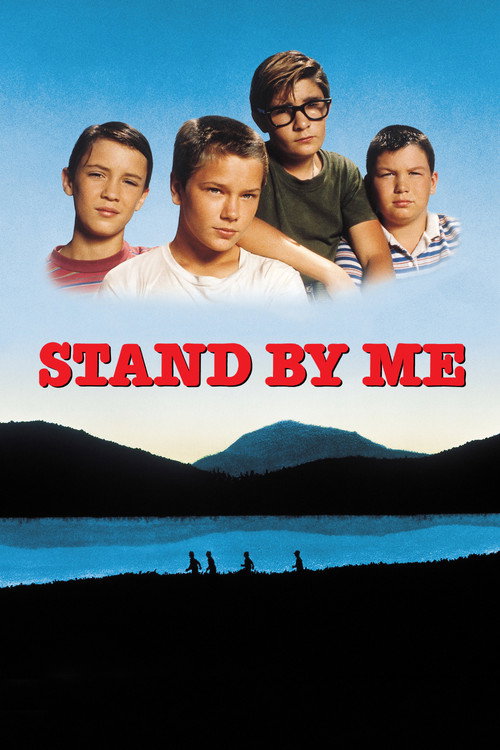
Stand by Me1986
American, sunnier, funnier — but still boys wandering unsupervised toward something bigger than they understand, with adults mostly absent or useless. The friendship at its centre has real ache underneath the jokes.
But Nostalgic and narratively shaped where Truffaut's film refuses catharsis — this one wants to move you cleanly, not leave you unsettled.
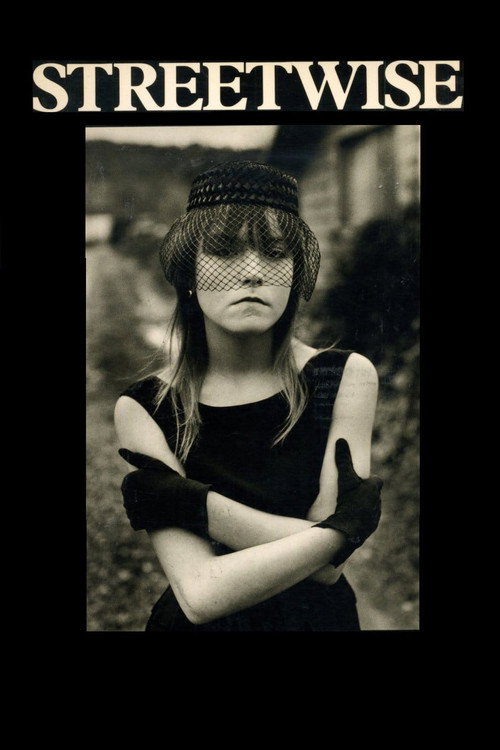
Streetwise1984
Strip away the fiction and this is the documentary version of Antoine's world — actual abandoned kids photographed with the same patient, non-judgmental eye. It's what The 400 Blows would look like if nobody had scripted the ending.
A documentary about homeless teenagers surviving on the streets of Seattle, shot with the same intimate, unhurried attention Truffaut gave Antoine — except these kids are real, and the film never blinks.
But No fictional distance to soften it — this is nonfiction, and some of what happens to these kids is genuinely hard to watch.
People
Cast
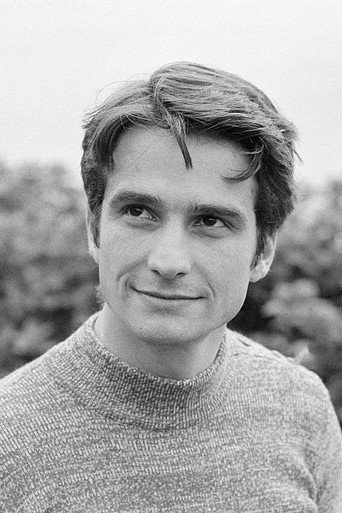 Jean-Pierre LéaudAntoine Doinel
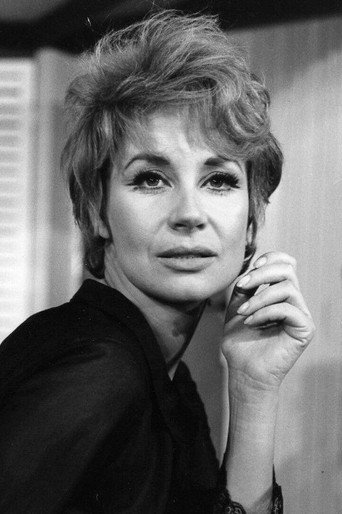 Claire MaurierGilberte Doinel
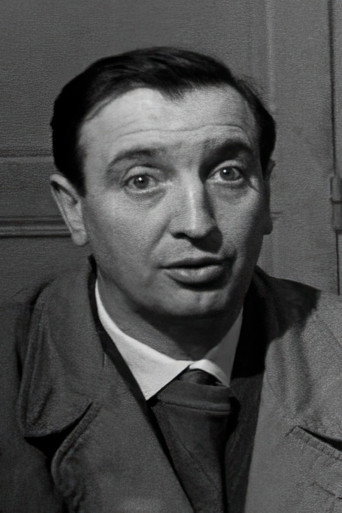 Albert RémyJulien Doinel
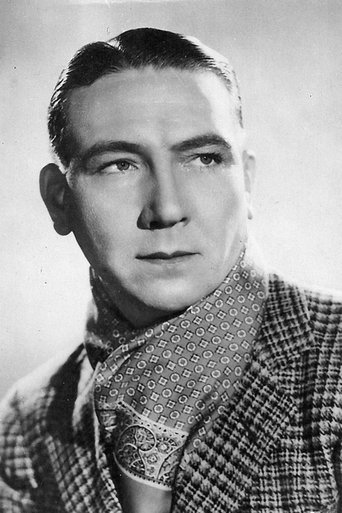 Georges FlamantMr. Bigey
- Patrick AuffayRené
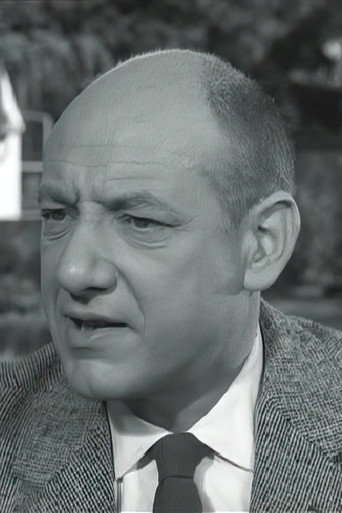 Robert BeauvaisDirecteur de l'école
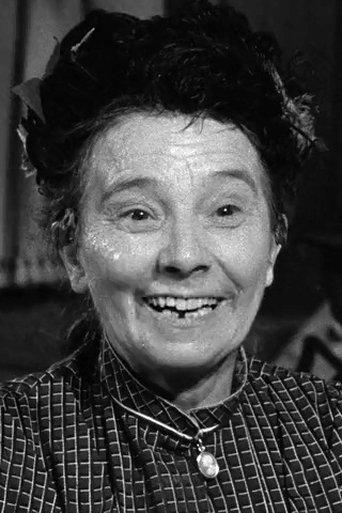 Yvonne ClaudieMme Bigey
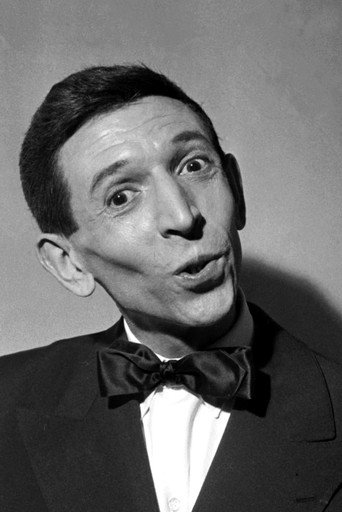 Pierre ReppProfesseur d'anglais
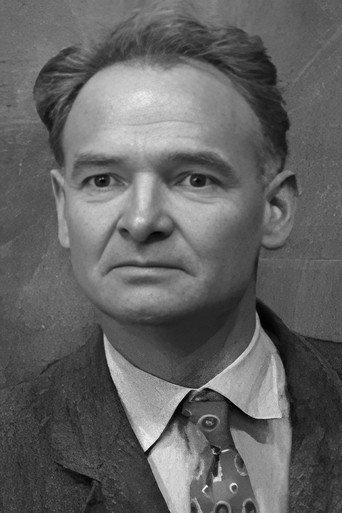 Guy DecombleProfesseur de français
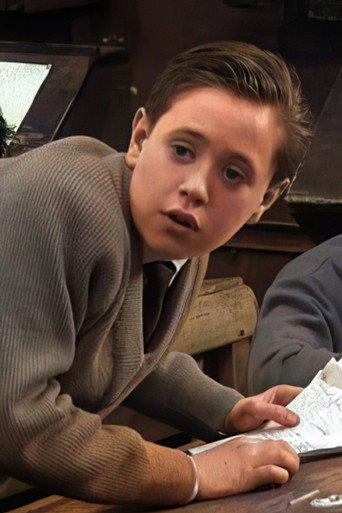 Daniel CouturierBetrand Mauricet
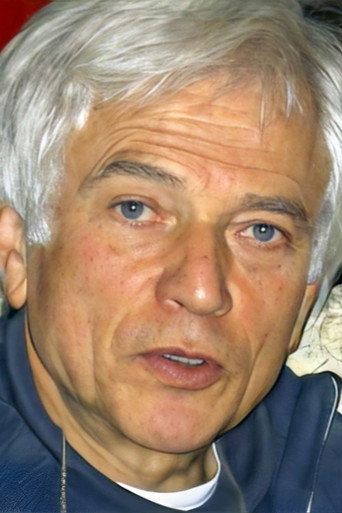 François NocherEnfant
 Richard KanayanEnfant
Directing
- Philippe de BrocaAssistant Director
- François TruffautDirector
- Jacqueline PareyScript Supervisor
- Alain JeannelSecond Assistant Director
- Francis CognanySecond Assistant Director
- Robert BoberSecond Assistant Director
Writing
- François TruffautAdaptation
- Marcel MoussyAdaptation
- Marcel MoussyDialogue
- François TruffautScreenplay
Production
- Roland NoninAdministration
- Robert LachenayAssistant Unit Manager
- François TruffautProducer
- Georges CharlotProduction Manager
- Luce DeussProduction Secretary
- Jean LavieUnit Manager
Recommended by
PEN15, Boyhood, The Sandlot, Bicycle Thieves, Freaks and Geeks, Dawson's Creek, Fish Tank, Rushmore, The Florida Project, Happy Days, Eighth Grade, To Be and to Have, Short Term 12, Zero for Conduct, Welcome to the Dollhouse, Kids, Pather Panchali, Persepolis, Stolen Kisses, Breathless, Scum, Jules and Jim, Aparajito