
Film
Up the Down Staircase
A young English teacher arrives at an underfunded New York high school convinced she can change lives, only to discover a system designed to exhaust idealism. Sandy Dennis plays Sylvia with affecting vulnerability as she navigates indifferent colleagues, hostile bureaucracy, and students who've learned not to hope. It's a wry, sometimes heartbreaking look at education's real weight—not inspirational, but honest.
Should you watch it?
Watch it if you love workplace dramas where the bureaucracy is as much a character as the people, and you enjoy a sharp, sardonic tone that still believes in the hard work of reaching one stubborn kid.
Skip it if you want a brisk plot with clear stakes, since this 1967 film is episodic and talky, built from small frustrations that accumulate rather than one driving story.
What it asks of you: Settle in for just over two hours of loosely strung classroom and staff-room vignettes, with a mood that stays wry and weary, so give it steady attention rather than background noise.
Not sure? Find tonight's pick in a minute.
If you liked this
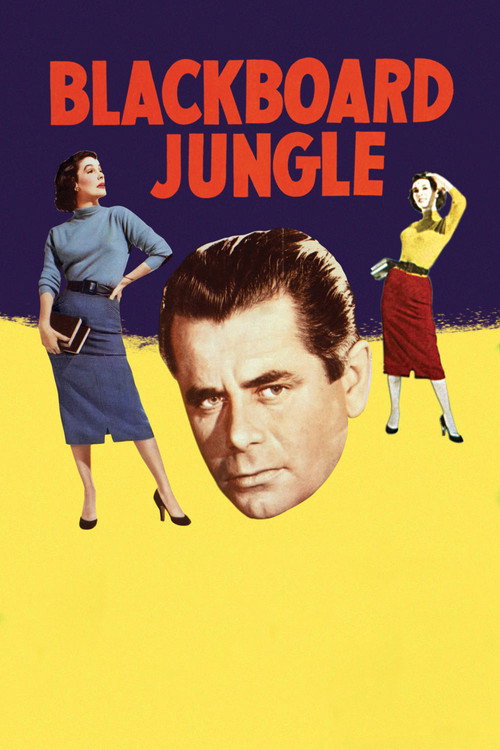
Blackboard Jungle1955
The original American film about a teacher battling a hostile classroom. Glenn Ford's wariness and determination predate Sylvia's struggle by twelve years, setting the template that Up the Down Staircase both honors and complicates.
But The racial and sexual politics are very much of the 1950s—some elements feel patronizing now, and the jazz score adds a distance that softens the real friction the story contains.
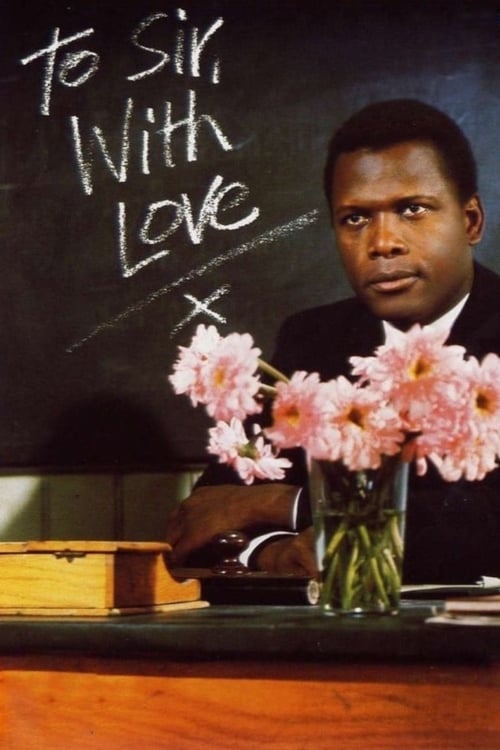
To Sir, with Love1967
Sidney Poitier as a teacher fighting the same system in the same era, but his film believes in triumph in a way that Up the Down Staircase refuses to. Both understand the machinery; they just disagree on whether one person can break it.
But It's more sentimental and more optimistic—if you want the bleaker vision of what teaching actually costs, this will feel like a compromise with the audience.
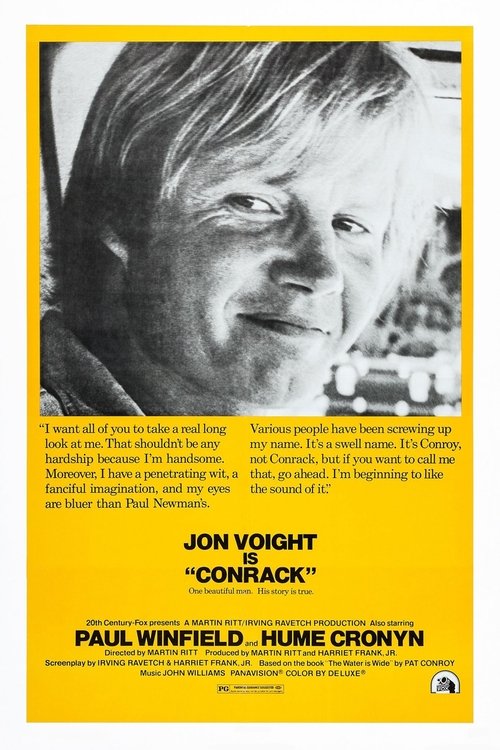
Conrack1974
Jon Voight as a teacher on an island, fighting the same institutional indifference and discovering the same thing: that caring isn't enough without resources. The setting is different, the stakes are higher, the emotional register is rawer.
But It's more of an underdog triumph than Staircase allows itself to be. If you want to sit with the failure rather than see someone overcome it, this will feel like it betrays its own premise.
Not sure tonight? Get a pick in a minute, starting from Up the Down Staircase
The wildcard
Something you would not have found on your own.
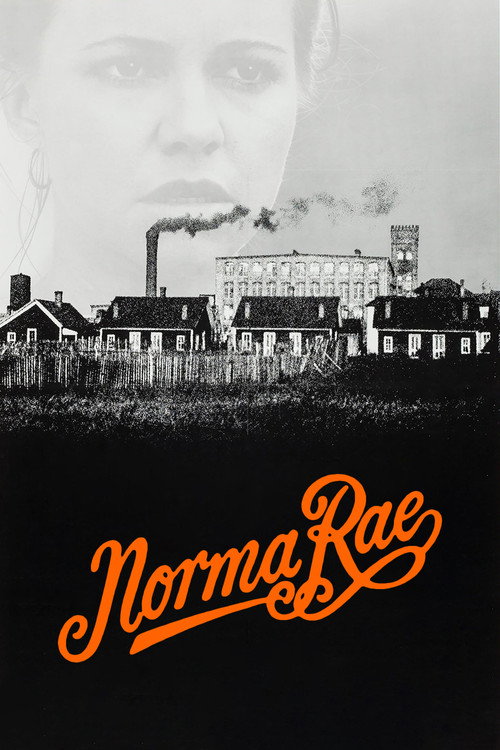
Norma Rae1979
Both follow someone discovering institutional resistance, but where Sylvia retreats into small personal victories, Norma Rae learns that personal change requires systemic confrontation.
Sally Field as a mill worker learning to organize, to speak, to demand. Like Staircase, it's about someone discovering that the system cannot be negotiated with—but instead of crushing her hope, she channels it into collective action. Same awakening, opposite response.
But It's a labor film from the late '70s, which means some of the filmmaking feels dated, and the class politics are explicit rather than embedded. Not everyone wants their drama served with ideology on the side.
More like this (8)
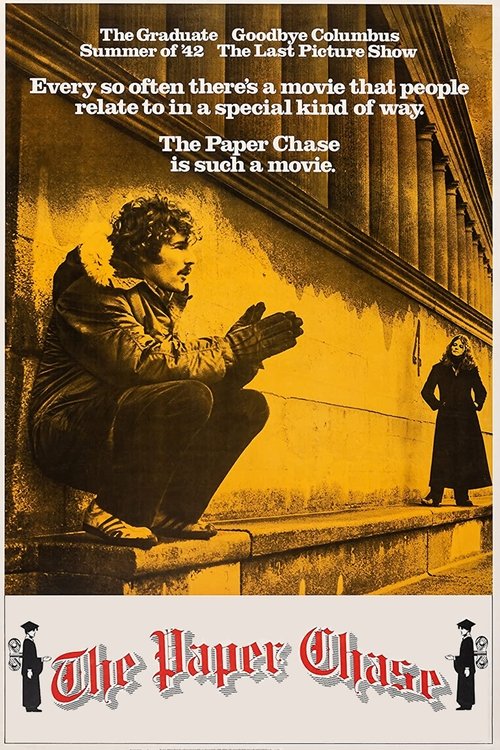
The Paper Chase1973
Timothy Bottoms as a law student, but the real focus is John Houseman's professor—the system that grinds and the people who've learned to survive it by becoming granite. It's about institutional power from the other side of the desk.
But It's male-centered and competitive rather than compassionate. The emotional landscape is colder, and some viewers will find the Harvard world too rarefied to care about.
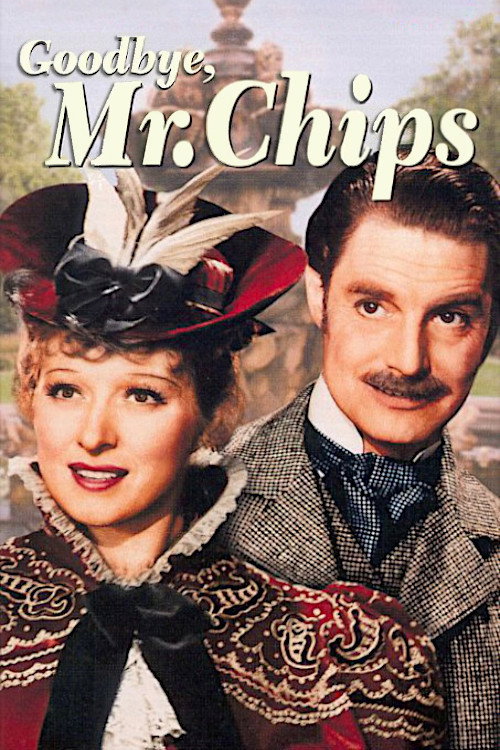
Goodbye, Mr. Chips1939
Robert Donat in a film about a lifetime in teaching—how the work changes you, how you change it. A gentle counterpoint to Staircase: not every teacher burns out in the first year, and this is a meditation on what lasting commitment looks like.
But It's sentimental in the way 1939 British films can be, and the whole worldview assumes teaching is a calling rather than a job. Some will find it too rose-tinted to bear.
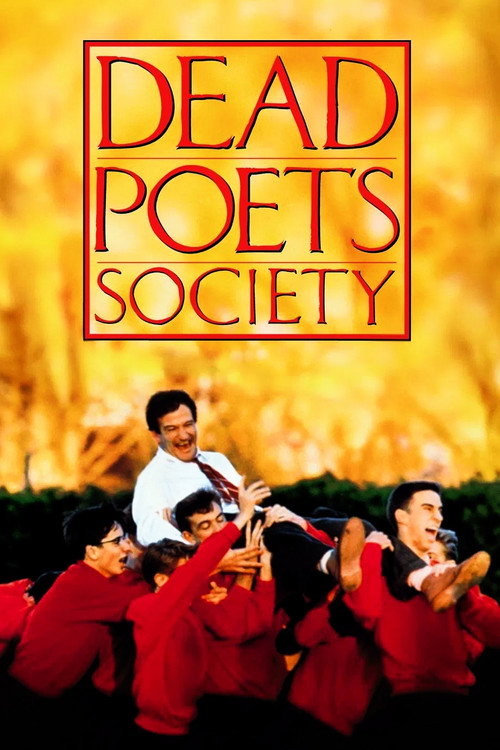
Dead Poets Society1989
Robin Williams as a teacher who breaks the system by refusing to follow it. It's the inverse of Staircase's exhaustion—this one imagines what happens when a teacher has charisma and permission to improvise, and it's intoxicating.
But It's fundamentally more optimistic and relies on a great deal of romantic myth-making about what teaching is. If you want the unglamorous truth, this film will feel like it's selling you something.
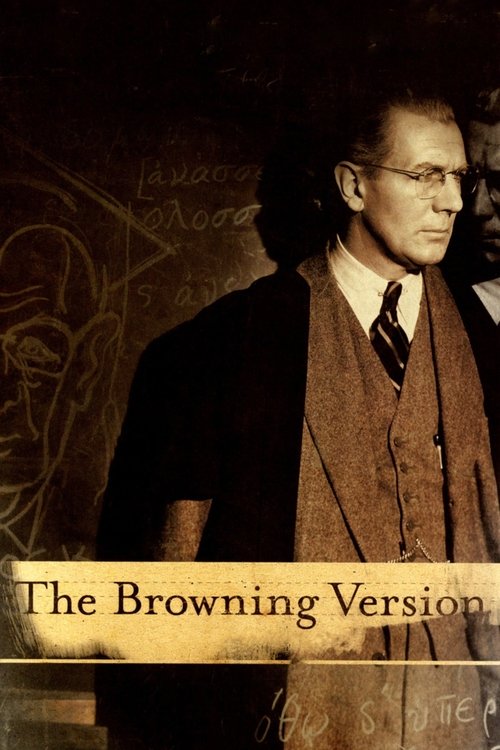
The Browning Version1951
Michael Redgrave as a classics master approaching retirement, reflecting on a lifetime of failures and small victories. It's intimate and devastating—about a man who stayed in the system and was ground by it, but found meaning anyway.
But It's very British, very mannered, and emotionally restrained. Modern audiences sometimes find the controlled performance style distant rather than moving.
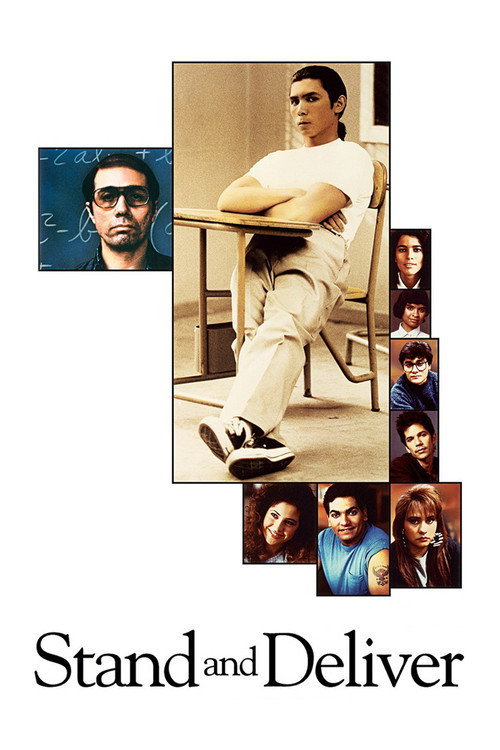
Stand and Deliver1988
Edward James Olmos as a real teacher who refused the system's limits. Staircase shows why the system breaks people; this shows what happens when someone refuses to accept that equation. Inspiring without being dishonest.
But It's a triumph narrative, which means it requires belief in individual heroism—something Up the Down Staircase deliberately interrogates. You have to want to be uplifted.
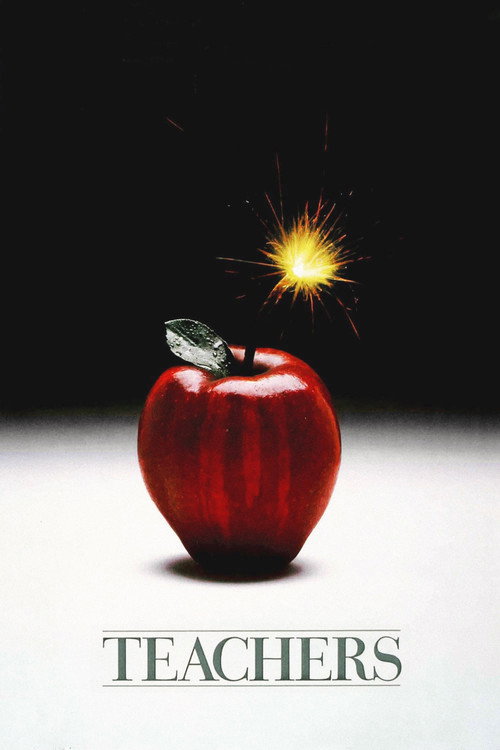
Teachers1984
Nick Nolte and a sprawling ensemble in a satire of American public education that finds dark comedy in the same bureaucratic crushing that Staircase treats with urgency. It's meaner and funnier, less heartbroken and more angry.
But The tone is cynical almost to the point of misanthropy, and it doesn't offer the emotional anchor that makes Staircase so affecting. Some viewers will find it nihilistic rather than clarifying.
Ikiru1952
Both explore the spiritual cost of bureaucratic systems, but Ikiru expands the question outward—it's not just schools, it's the machinery of modern life itself, and whether meaning survives it at all.
Kurosawa's devastating masterpiece: a Japanese bureaucrat with months to live searching for meaning in a life spent serving a system that consumed him. Like Staircase, it asks what happens when someone realizes the work has no purpose—but it does so with transcendent philosophical depth and visual poetry.
But It's a 1952 Japanese film in black and white, and it moves slowly. The melancholy is bone-deep; this is not entertainment in any conventional sense. You will need to surrender to sadness.

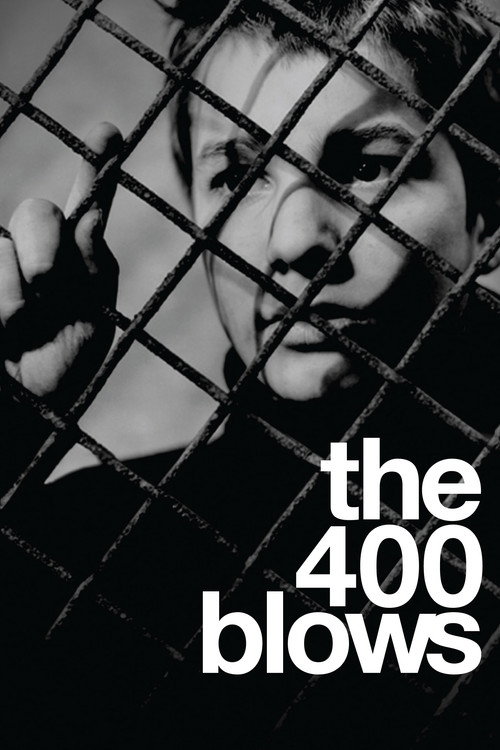
The 400 Blows1959
Where Staircase shows a teacher breaking against the system, The 400 Blows shows what the system does to the students—both are about the machinery of education, but from opposite sides of the cruelty.
Truffaut's portrait of a boy trapped in an educational system that has no use for him—the student's perspective on exactly what Staircase shows from the teacher's side. Tender and mournful, and filmed with such visual grace that the cruelty of the system becomes almost unbearable.
But It's a 1959 French New Wave film, and it's about a child's alienation from every adult authority. Some will find the narrative style too loose, and watching it requires patience with ambiguity rather than resolution.
People
Cast
 Sandy DennisSylvia Barrett
 Patrick BedfordPaul Barringer
 Eileen HeckartHenrietta Pastorfield
 Ruth WhiteBeatrice Schacter
 Jean StapletonSadie Finch
 Sorrell BookeDr. Bester
 Roy PooleMr. McHabe
 Florence StanleyEllen Friedenberg
- Ellen O'MaraAlice Blake
 Jeff HowardJoe Ferone
- Vinnette CarrollThe Mother
- Martha GreenhouseMrs. Kagan
Directing
- Don KranzeAssistant Director
- Robert MulliganDirector
Writing
- Bel KaufmanNovel
- Tad MoselScreenplay
Production
- Alixe GordinCasting
- Alan J. PakulaProducer
- Tony MajorProduction Assistant
- George JustinProduction Supervisor