
Film
My Mother's Castle
- Action
- Light-hearted
A luminous French coming-of-age film about a boy's desperate love for a hillside cottage and the secret path that might reunite him with it. Warm, funny, achingly nostalgic—the kind of film that makes you remember why summer matters. Pagnol's autobiographical tale celebrates small rebellions, family bonds, and the geography of childhood longing.
If you liked this
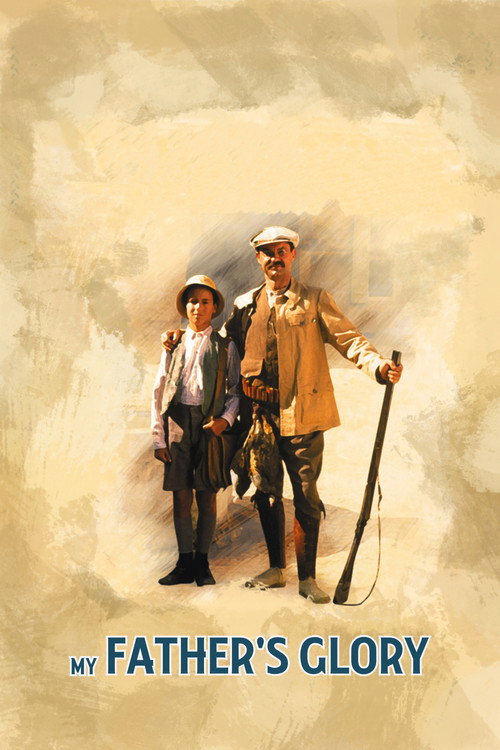
My Father's Glory1990
The companion piece to this film, charting Marcel's earlier years and the origins of his cottage obsession. Same director, same warmth, same gift for making provincial France feel like paradise. Watch both.
But If you haven't seen this one first, you might feel like you're joining mid-story—though both films work as standalones with equal grace.
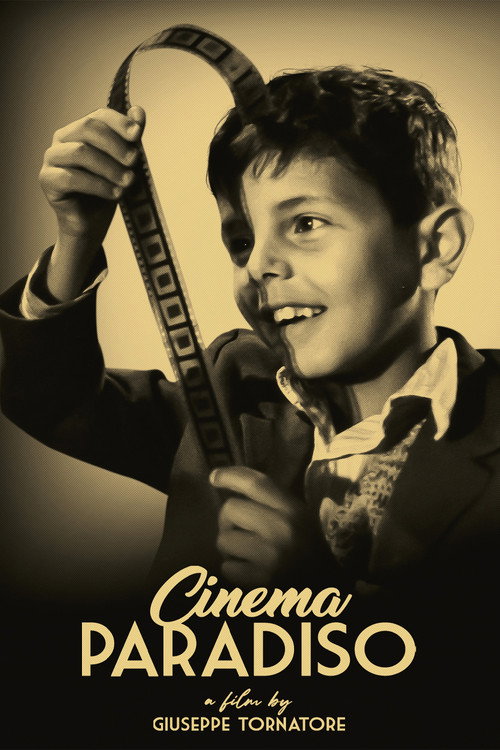
Cinema Paradiso1988
Another achingly nostalgic memoir about a boy's formative years in a small place, built on longing and the magic of small discoveries. Italian instead of French, but the emotional architecture is identical: childhood as a golden country.
But The sentimentality can feel heavy-handed if you're in a cynical mood, and the film occasionally indulges in melodrama where subtlety might serve better.
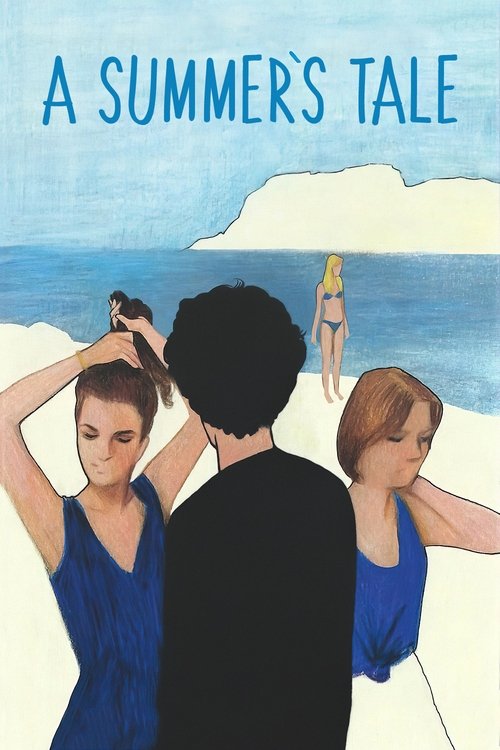
A Summer's Tale1996
Rohmer's sun-drenched romance about a young man's summer on the Brittany coast. The same unhurried pacing, the same faith in conversation and landscape to carry the emotional weight. Utterly French, utterly civilized.
But Plot happens slowly, almost imperceptibly. If you need narrative momentum or clear stakes, this film might feel like watching someone else's vacation.
Not sure tonight? Get a pick in a minute, starting from My Mother's Castle
The wildcard
Something you would not have found on your own.
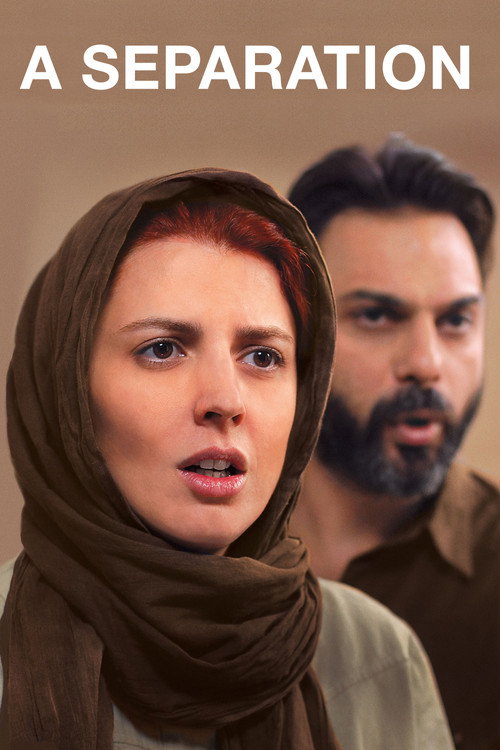
A Separation2011
Both films anchor their deepest emotional stakes in how children experience family dissolution and belonging. Where Pagnol's boy seeks refuge in a cottage, Asghar Farhadi's child is caught between two parents. Same wound, different geographies.
An Iranian family drama that mirrors Pagnol's structure in surprising ways: a marriage dissolving, a young child's perspective as the emotional center, arguments about loyalty and home. Shot with documentary clarity but built on deep emotional archaeology. The connection isn't obvious until you see it.
But It's austere and unbearably tense—the antithesis of My Mother's Castle's pastoral warmth. Some viewers find the relentless domestic conflict exhausting rather than cathartic.
More like this (7)
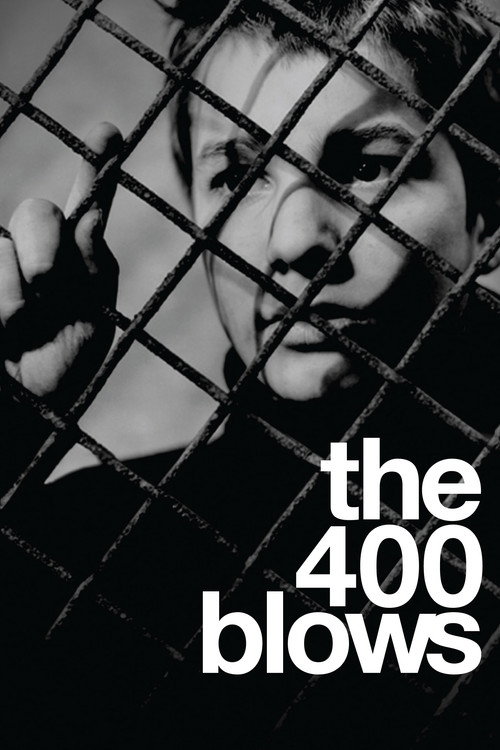
The 400 Blows1959
Truffaut's masterpiece about a neglected boy finding solace and rebellion in the Paris streets. Like Pagnol's film, it trusts childhood experience completely and finds both comedy and genuine heartbreak in small moments.
But It's darker and more austere than My Mother's Castle—less a celebration of family than an indictment of parental indifference. The tone is grittier.
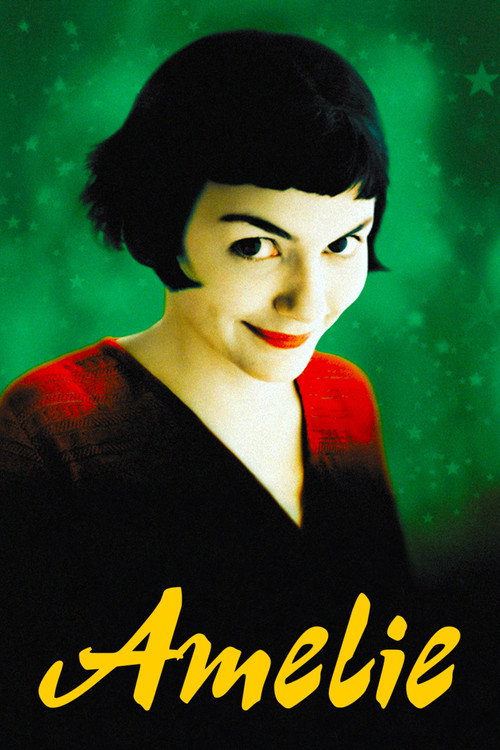
Amélie2001
A whimsical love letter to Paris and small acts of magic in ordinary life. The same delighted eye for detail, the same belief that charm and kindness matter. Jeunet's visual style is baroque where Pagnol is spare, but the heart is kindred.
But The quirk can tip into cuteness, and some viewers find the relentless whimsy exhausting rather than enchanting by the film's end.
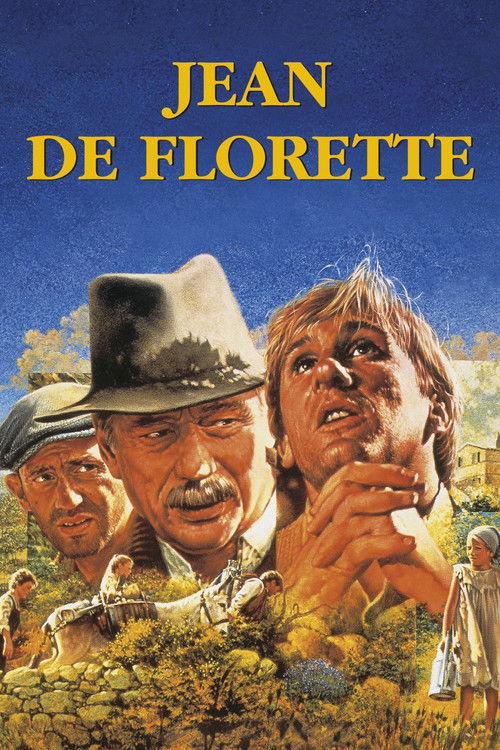
Jean de Florette1986
Claude Berri's masterwork set in Provence, about a man's desperate fight to survive in the hills his family loves. It shares Pagnol's reverence for rural France and the mythology of the land, but told as tragedy rather than comedy.
But It's a long film (two hours-plus) and densely plotted. The tone is elegiac and bitter—the opposite of My Mother's Castle's joy.
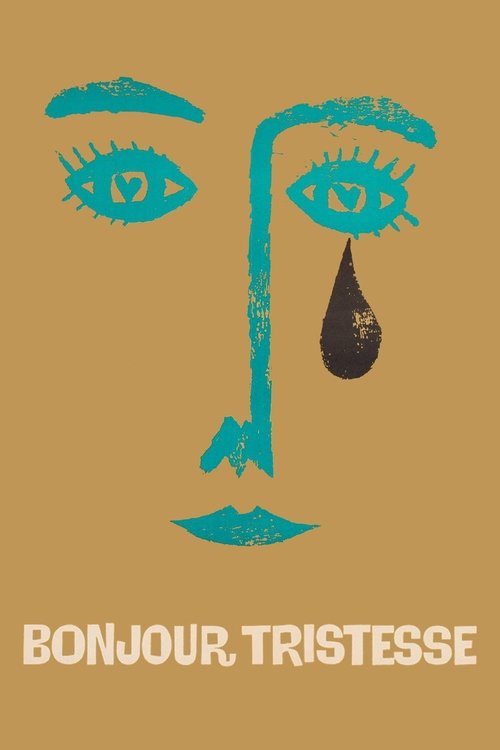
Bonjour Tristesse1958
Preminger's adaptation of Françoise Sagan, set on the French Riviera with a girl navigating desire and family politics in summer. The same sense of a particular time and place as a character itself, shot in gorgeous VistaVision.
But It's thoroughly of its era—the sexual politics will feel dated, and the protagonist can read as petulant rather than sympathetic to modern eyes.
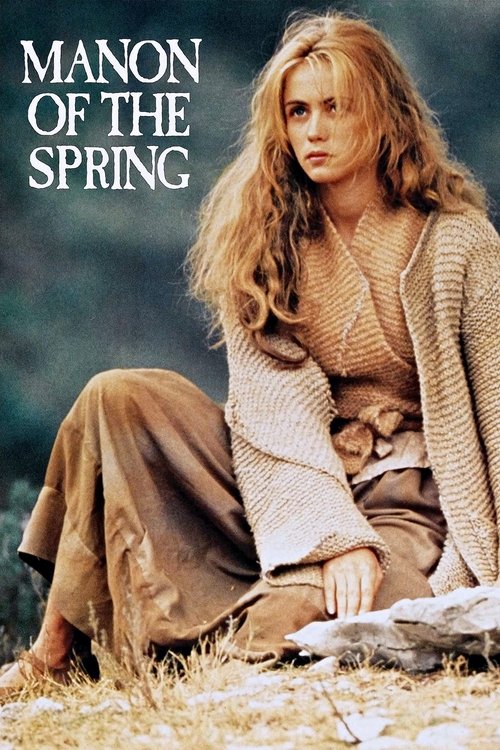
Manon of the Spring1986
The sequel to Jean de Florette, continuing the story of Provence's land and secrets. If you respond to that film's landscape-as-destiny approach, this deepens and resolves the mythology beautifully.
But You really do need to see Jean de Florette first, and even then the revenge plot hinges on contrivances that strain credibility.
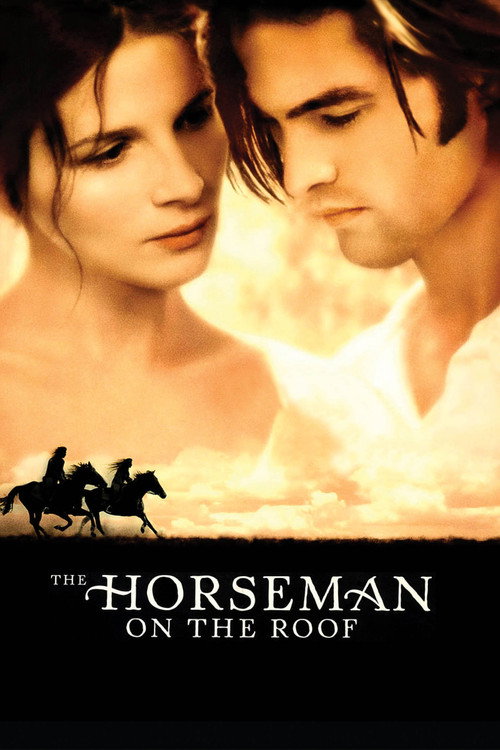
The Horseman on the Roof1995
Berri again, this time an adventure-romance set in 19th-century Provence. Swashbuckling and romantic, with that same painterly love of the landscape. A different register from My Mother's Castle, but the same geographical poetry.
But The plot is overcomplicated and the pacing occasionally draggy. It works best if you surrender to the atmosphere rather than expecting tight storytelling.
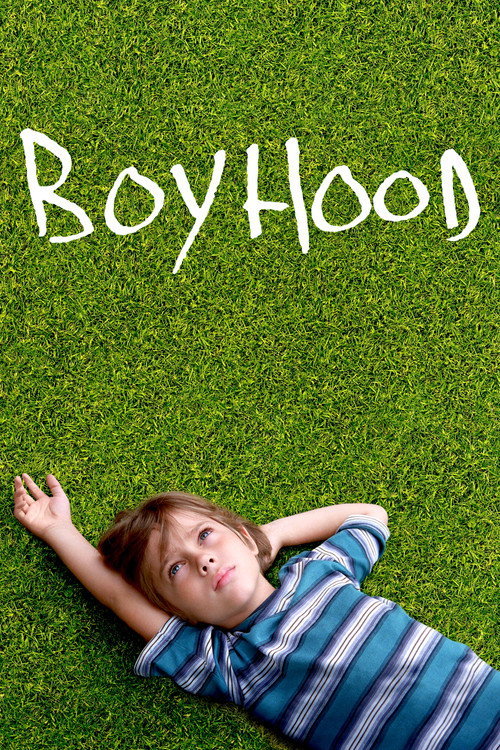
Boyhood2014
Both are autobiographical meditations on growing up in a specific place and time, but while Pagnol celebrates his childhood, Linklater documents his without romance. One says 'this was paradise.' The other says 'this is what it was like.'
Richard Linklater shot this film over twelve years, watching his actor grow from age six to eighteen. It's an American variation on the Pagnol project—memory, time, the small accumulations that make a childhood. Extraordinarily patient, extraordinarily moving.
But Three hours long and deliberately anti-dramatic. Scenes of boredom, bad parenting, and ordinary American alienation. If you want narrative shape and resolution, you won't find it here.
People
Cast
 Philippe CaubèreJoseph Pagnol
 Nathalie RousselAugustine Pagnol
 Didier PainUncle Jules
 Thérèse LiotardAunt Rose
 Julien CiamacaMarcel Pagnol
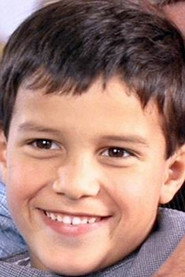 Victorien DelamarePaul Pagnol
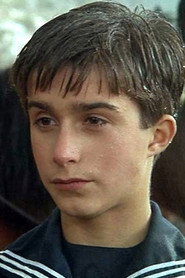 Joris MolinasLili des Bellons
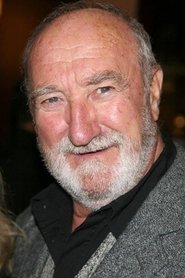 Pierre MaguelonFrançois, father of Lili
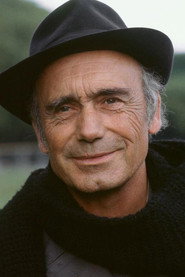 Paul CrauchetEdmond des Papillons, aka Mond des Parpaillouns
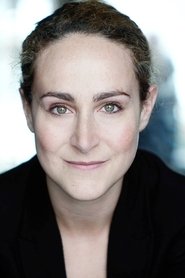 Julie TimmermanIsabelle Cassignol
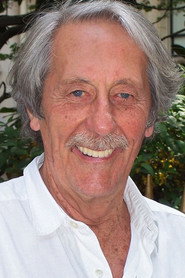 Jean RochefortAdolphe Cassignol, aka Loïs de Montmajour
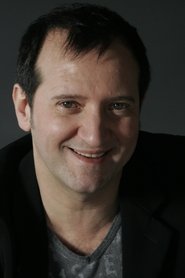 Philippe UchanBouzigue, hunting whip
Directing
- Yves RobertDirector
Writing
- Marcel PagnolNovel
- Jérôme TonnerreScreenplay
- Yves RobertScreenplay
Production
- Gérard MoulévrierCasting
- Alain PoiréProducer