
Film
Violette
A portrait of French writer Violette Leduc and her transformative relationship with Simone de Beauvoir in postwar Paris. Emmanuelle Devos brings quiet intensity to a woman clawing toward literary recognition from profound shame and obscurity. It's a film about how one person's belief in you can reshape your sense of what's possible. Deliberately paced, emotionally austere, for viewers drawn to character studies about art, ambition, and female friendship.
If you liked this
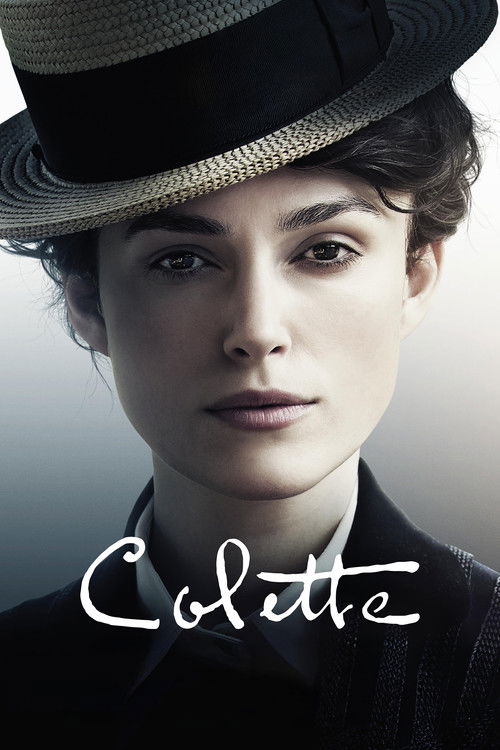
Colette2018
Another French woman writer fighting for recognition and autonomy in a male-dominated literary world. Keira Knightley's performance captures the same hunger to be seen, heard, and taken seriously that drives Violette.
But Colette leans toward period glamour and scandal where Violette stays intimate and unglamorous. If you want spectacle, this won't deliver it.
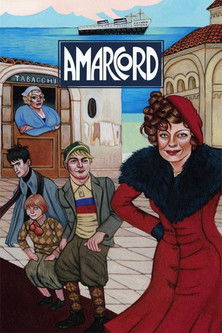
Amarcord1973
Fellini's portrait of a town and its people in fascist Italy shares Violette's interest in memory, shame, and the messy reality beneath official narratives. Both films hold multiple lives in focus with tenderness and dark comedy.
But Amarcord is episodic and dreamlike rather than narrative. It requires patience with oblique storytelling and won't spell out its meaning.
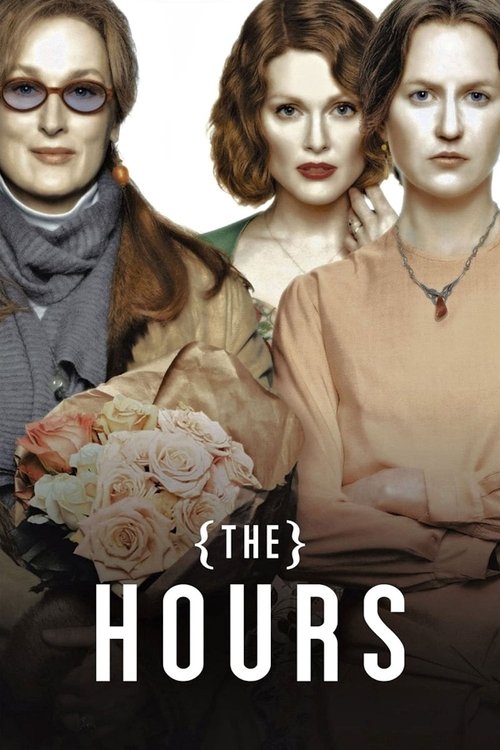
The Hours2002
Three women writers across different eras, all wrestling with identity and mortality. Nicole Kidman's Woolf and Meryl Streep's Clarissa both grapple with the gap between inner life and outer achievement, as Violette does.
But The Hours can feel more like a literary puzzle box than lived experience. Some find its structure clever rather than moving.
Not sure tonight? Get a pick in a minute, starting from Violette
The wildcard
Something you would not have found on your own.
Mulholland Drive2001
Both explore female identity fractured by need and ambition, and the eroticism of one woman's belief in another. Both women in each story want to merge with or become the other.
Lynch's film about desire, identity, and female friendship in Hollywood mirrors Violette's themes of performance, the hunger to be recognized, and the impossible love between two women. Both ask: who are we when no one is looking?
But It's radically non-linear and deliberately obscure. If you need clarity or conventional narrative, this will frustrate you profoundly.

More like this (7)
A Prophet2009
Jacques Audiard makes character studies about transformation and survival in confined spaces. Like Violette, it watches someone build dignity and agency through will and intelligence against overwhelming odds.
But It's set in a men's prison and is far grittier and more violent. Tonally it's much harsher, with fewer moments of grace.

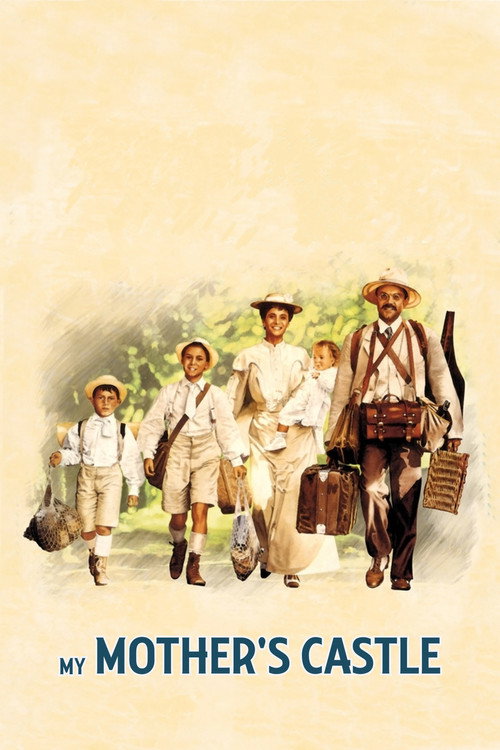
My Mother's Castle1990
Agnès Varda's documentary about her relationship with her mother offers a parallel meditation on aging, identity, and the bond between two women. It's similarly unsentimental and searching.
But It's a documentary rather than drama, more fragmentary and essayistic than narrative. Some find Varda's style arch and self-conscious.
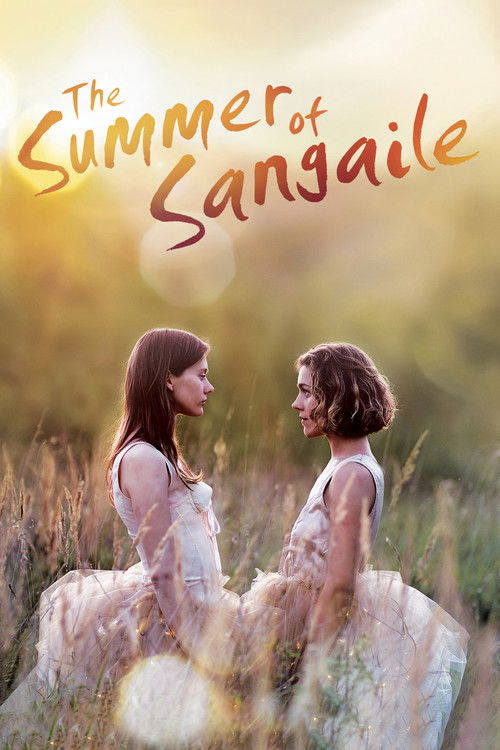
The Summer of Sangaile2015
A Lithuanian film about two young women discovering desire and ambition in their friendship. It has Violette's interest in female intimacy and the transformative power of being truly seen by another person.
But It's a debut with uneven pacing and some melodramatic moments. The film's formal control isn't always steady.
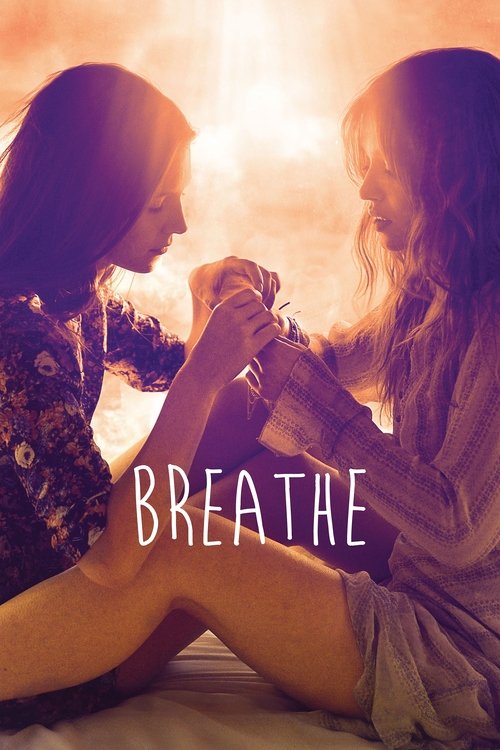
Breathe2014
Mélanie Laurent's debut about an intense friendship between two teenage girls has the same sense of emotional vertigo and dependency that animates Violette and Simone's relationship.
But It's focused on younger characters and adolescent psychology, which can feel distant from Leduc's adult struggles. Some find it overwrought.
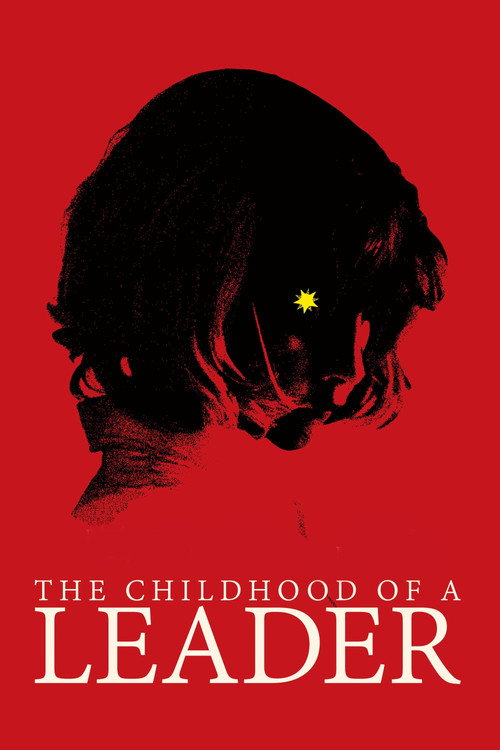
The Childhood of a Leader2016
Brady Corbet's film about fascism and psychology moves with Violette's deliberateness, building meaning through repetition and visual language rather than plot. Both are about how personality forms under pressure.
But It's extremely slow and demands active interpretation. The fascist subject matter is bleak and there's no emotional payoff for enduring it.
Stalker1979
Both films treat desire as the true subject rather than its object. What matters is not whether the wish is granted but what the desire itself reveals about who we are.
Tarkovsky's film about a man guiding others toward a room that might grant wishes is slower and stranger than Violette, but shares its metaphysical patience: the real journey is internal. Both films trust you to sit with longing.
But It's 163 minutes of deliberately paced philosophical science fiction in Russian. It makes no concessions to plot or entertainment. Many find it impenetrably boring.

Synecdoche, New York2008
Both follow artists convinced that confession and exposure equal truth, and both films examine the cost of that conviction—what gets lost when you turn your life into material.
Charlie Kaufman's film about an artist trying to capture lived experience through art shares Violette's central obsession: can you transform pain into meaning? Both are about the impossible work of making art from yourself.
But It's baroque, self-pitying, and structurally chaotic. Many people find it more self-indulgent than profound. Fair warning: it's also deliberately depressing throughout.

People
Cast
 Emmanuelle DevosViolette Leduc
 Sandrine KiberlainSimone de Beauvoir
 Olivier GourmetJacques Guérin
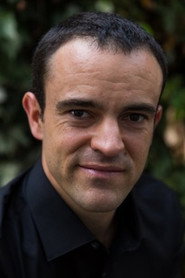 Frans BoyerLe jeune paysan
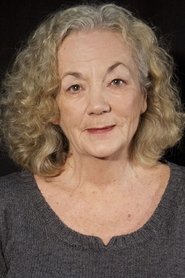 Catherine HiegelBerthe Leduc
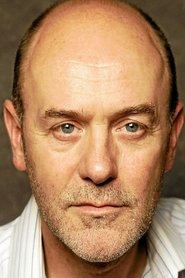 Jacques BonnafféJean Genet
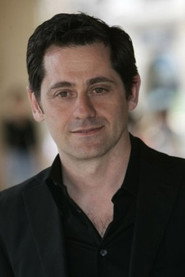 Olivier PyMaurice Sachs
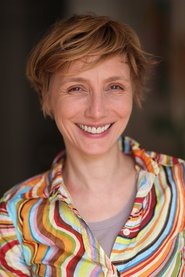 Nathalie RichardHermine
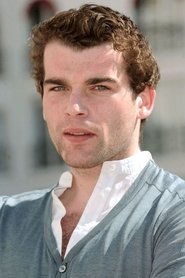 Stanley WeberLe jeune maçon
 Jean ToscaneMonsieur Motté
 Nicole ColchatMadame Belaval
 Fabrizio RongioneYvon Belaval
Directing
- Martin ProvostDirector
Writing
- Marc AbdelnourScreenplay
- Martin ProvostScreenplay
- René de CeccattyScreenplay
Production
- Brigitte MoidonCasting
- Marie-France MichelCasting
- Olivier RausinCo-Producer
- Gilles SacutoProducer
- Miléna PoyloProducer