
Film
Colette
A biographical drama about Colette, the French writer who ghostwrote bestsellers for her husband before claiming her own name and voice. Keira Knightley anchors a handsome period piece about ambition, desire, and the cost of invisibility. It's intimate rather than sweeping—focused on one woman's refusal to remain uncredited. For anyone drawn to stories about women reclaiming authorship and agency.
Should you watch it?
Watch it if you enjoy literary period dramas about a creative woman fighting for credit and her own voice, with lush costumes and sharp, wry dialogue.
Skip it if you want a fast, plot-driven story, since this one lingers in drawing rooms and is more interested in manners and marriage than in incident.
What it asks of you: Settle into a leisurely, talky film just under two hours, warm and witty rather than heavy, its pace set by manners and conversation.
Not sure? Find tonight's pick in a minute.
If you liked this
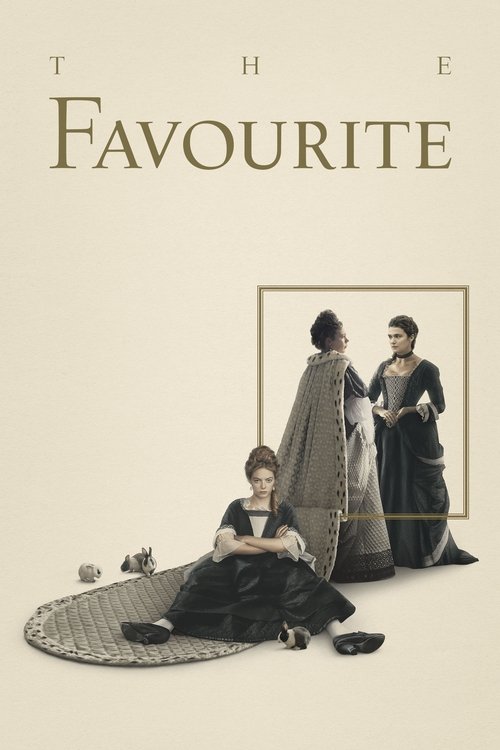
The Favourite2018
Yorgos Lanthimos's baroque comedy about women maneuvering for power within a rigid system. Like Colette, it's visually lush, wickedly funny about desire and ambition, and centered on female agency in a world designed to suppress it.
But The tone is arch and mannered in ways that won't appeal if you prefer emotional directness. It's also deeply strange in its humour.
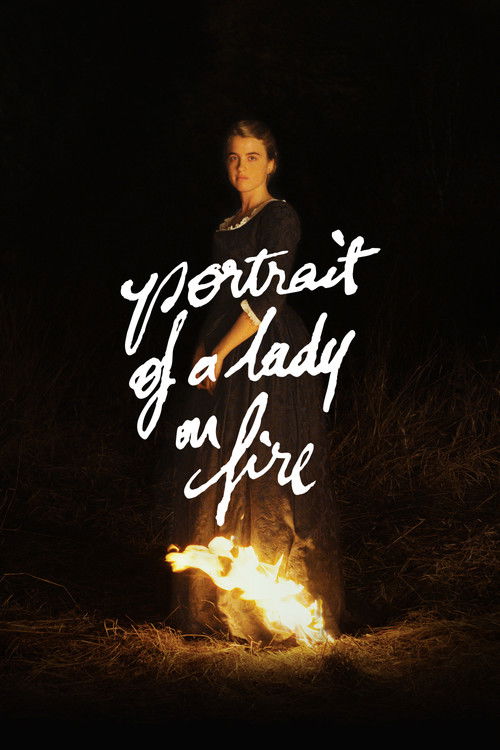
Portrait of a Lady on Fire2019
Céline Sciamma's film about a female painter and her subject falling in love while creating art together. It shares Colette's interest in women's creative work, forbidden desire, and the intimacy between two people who truly see each other.
But It's quieter and more meditative than Colette. The pacing is deliberate; some find it too slow.
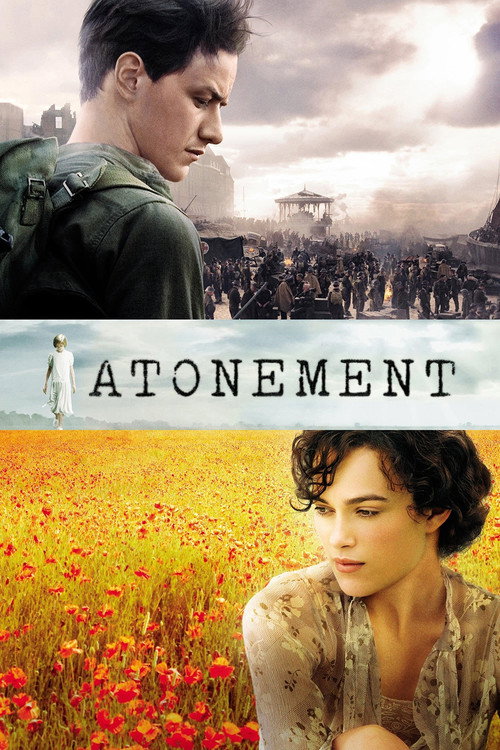
Atonement2007
A period drama that examines how storytelling shapes identity and truth. Like Colette, it's gorgeously composed and deeply interested in the power and danger of narrative—who gets to tell the story, and what gets erased.
But It's darker and more tragic. If you're looking for something lighter or more triumphant, this will disappoint.
Not sure tonight? Get a pick in a minute, starting from Colette
The wildcard
Something you would not have found on your own.
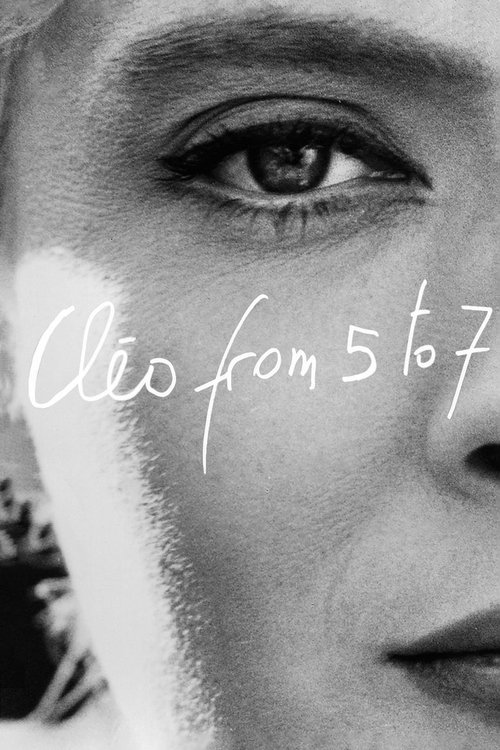
Cléo from 5 to 71962
Both are films about women's consciousness and visibility. Colette moves through history demanding her name on the page; Cléo moves through a single day discovering her own presence. One is biographical, the other phenomenological—but both ask: what does a woman's inner life look like when she finally gets to define it?
Agnès Varda's real-time film follows a woman waiting for medical results, moving through Paris in anxiety and self-discovery. Like Colette, it's fascinated by female interiority and the gap between how women are seen and how they see themselves. It's also formally inventive—a 90-minute film that feels like a conversation between the camera and its subject.
But There is almost no plot in the conventional sense. It's meditative and observational; if you need narrative momentum, it will feel static.
More like this (7)
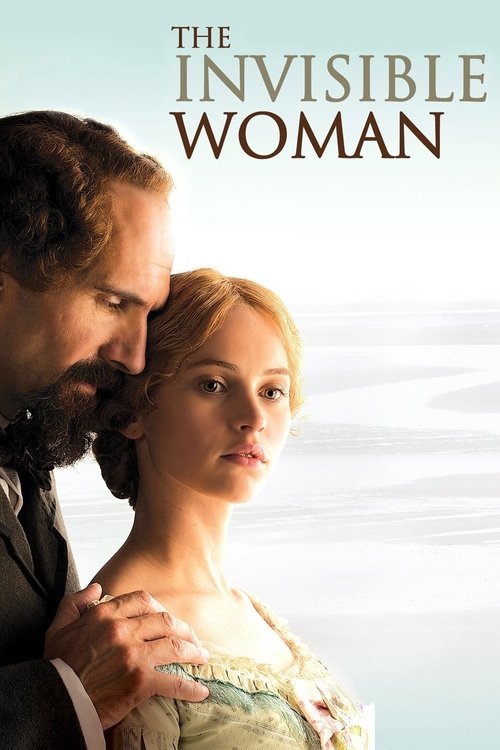
The Invisible Woman2013
Ralph Fiennes directs this film about Charles Dickens's affair with a young actress. Another story about a woman living in the shadow of a famous man's reputation, grappling with her own worth and visibility.
But It's somewhat conventional in its approach. The film is competent but not particularly bold in how it tells its story.
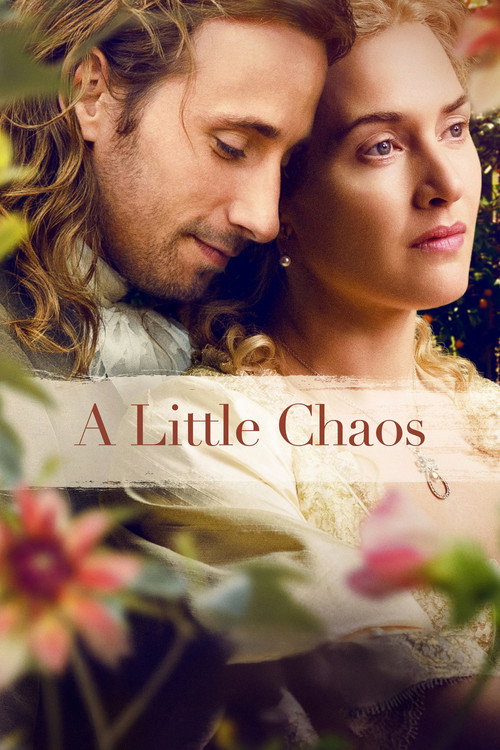
A Little Chaos2015
Kate Winslet plays a landscape architect in 18th-century France who creates beauty and demands recognition. It has similar themes of female ambition and artistry, plus genuine chemistry between its leads.
But It's lighter and more romantic than Colette. Some may find it too genteel or predictable.
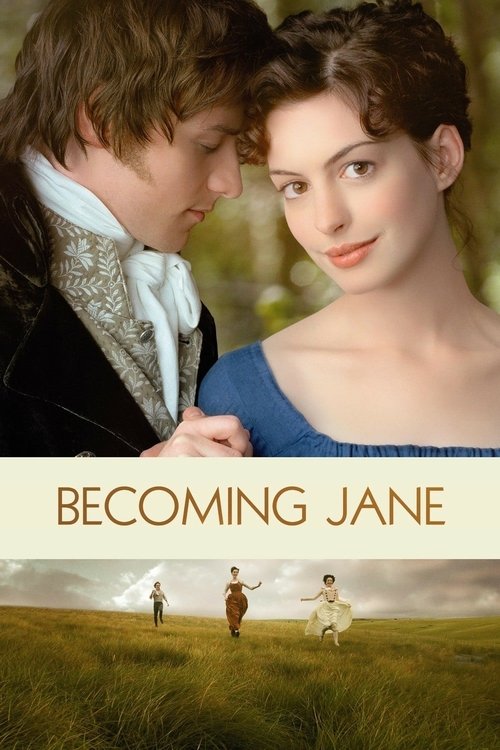
Becoming Jane2007
Another biopic about a female writer finding her voice, with attention to how circumstance and desire shape art. James McAvoy brings intensity to the male lead, as Dominic West does in Colette.
But It leans harder into romance than into the writing itself. The film sometimes prioritizes the love story over the intellectual journey.
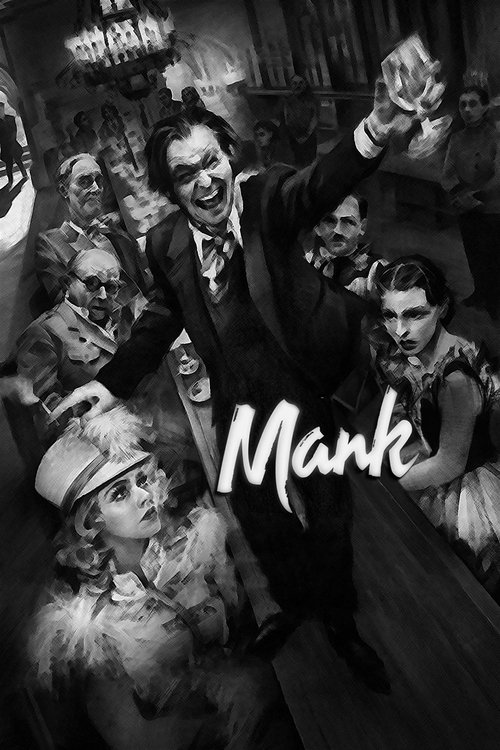
Mank2020
David Fincher's black-and-white film about Herman Mankiewicz, the uncredited screenwriter of Citizen Kane. It directly engages with questions of authorship, credit, and the machinery that erases creators. A thematic match for Colette.
But It's dense and conversational, heavy on dialogue. The visual style, while striking, is deliberately cold and distancing.
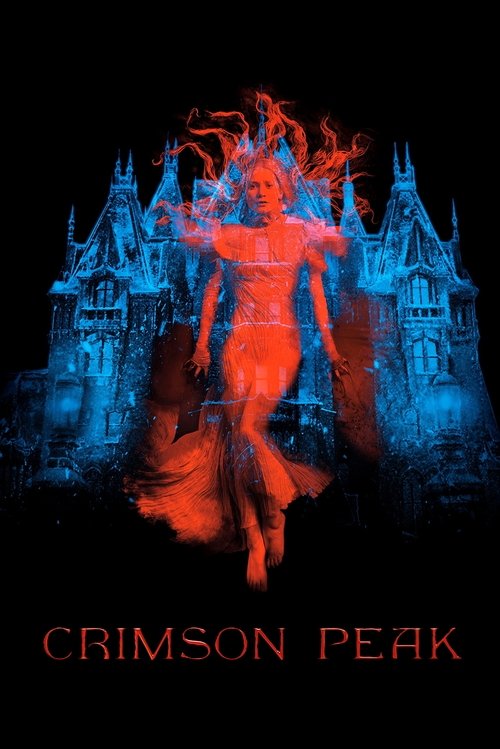
Crimson Peak2015
Guillermo del Toro's gothic romance where the heroine is an aspiring writer thrust into danger and mystery. It shares Colette's visual richness and interest in female creativity, though in a very different genre.
But It's a horror film with supernatural elements. If you want realism grounded in history, this pivots away sharply.
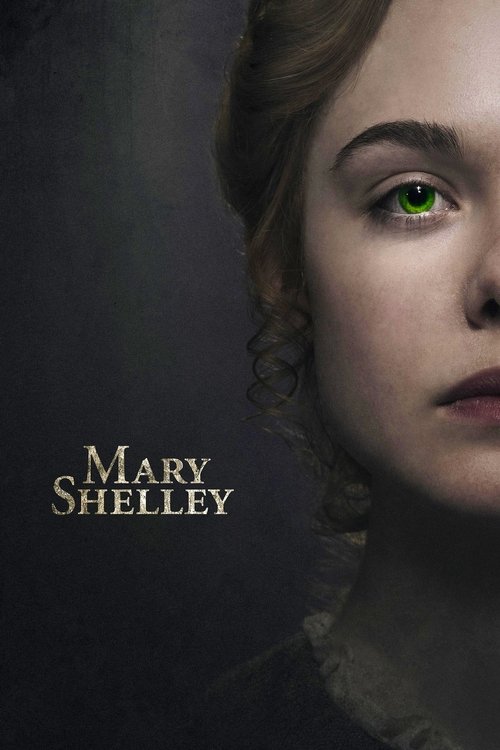
Mary Shelley2017
A biopic about the author of Frankenstein, exploring how trauma, desire, and circumstance shaped one of literature's most iconic works. Another film about a woman writer fighting for recognition and autonomy.
But It's uneven in execution and less polished than Colette. Some scenes feel overwrought, others underdeveloped.
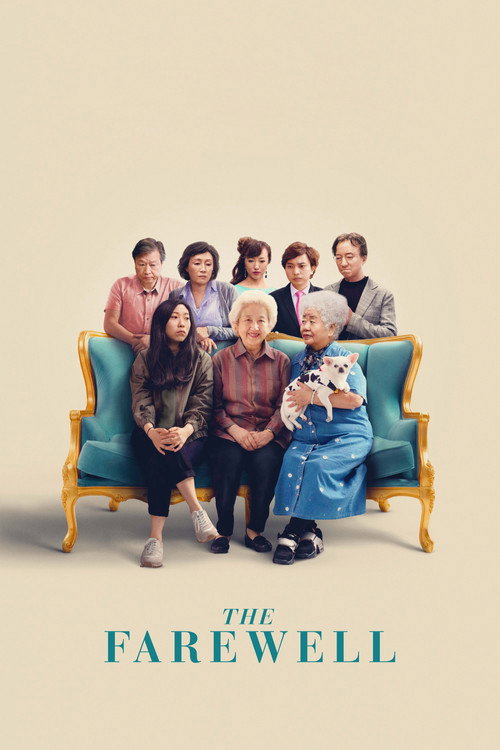
The Farewell2019
Both films are about the stories we tell and the stories we withhold—and who gets to decide which is which. Colette is about claiming narrative authority over your own life; The Farewell is about the lies we tell in love. One is about visibility, the other about protective silence. But both understand that authenticity is never simple.
Lulu Wang's film about a Chinese family deceiving their dying matriarch follows multiple perspectives and languages as family members negotiate loyalty, honesty, and identity. It shares Colette's interest in how people create narratives and hide truths—but filters it through immigrant experience and cultural translation. Warm, funny, achingly human.
But It's not a period piece or a Western story. If you want another European historical drama, this is a departure. The tone shifts between comedy and grief without warning.
People
Cast
 Keira KnightleyColette
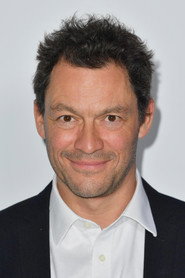 Dominic WestWilly
 Denise GoughMissy
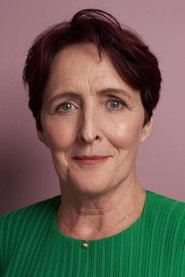 Fiona ShawSido
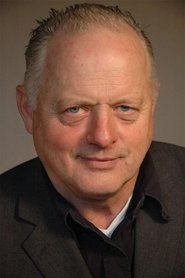 Robert PughJules
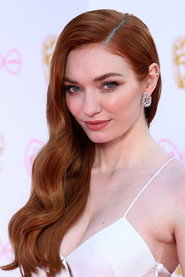 Eleanor TomlinsonGeorgie Raoul-Duval
 Ray PanthakiVeber
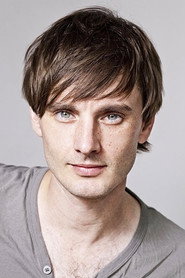 Dickie BeauWague
 Jake GrafGaston De Caillavet
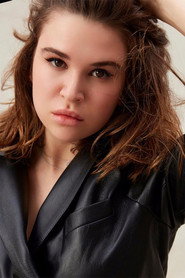 Polina LitvakLily
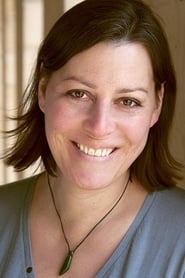 Rebecca RootRachilde
 Máté HaumannCount Muffat
Directing
- Wash WestmorelandDirector
- Joe GearyFirst Assistant Director
- Rowena LadburyScript Supervisor
- Tom BrowneSecond Assistant Director
- Bence NagyThird Assistant Director
- Hugo Le GourrierecThird Assistant Director
Writing
- Rebecca LenkiewiczScreenplay
- Richard GlatzerScreenplay
- Wash WestmorelandScreenplay
- Richard GlatzerStory
Production
- Richard RáczAssistant Location Manager
- Eszter VogelAssistant Production Manager
- István HáriAssistant Unit Manager
- Susie FiggisCasting
- Kirsty KinnearCasting Associate
- Caroline LevyCo-Producer
- David MinkowskiCo-Producer
- Dominic BuchananCo-Producer
- Ildikó KeményCo-Producer
- Lisa ZambriCo-Producer
- Mary BurkeExecutive Producer
- Norman MerryExecutive Producer
- Svetlana MetkinaExecutive Producer
- Grant WolstenholmeFirst Assistant Accountant
- Tamás BalázsiFirst Assistant Accountant
- David HinojosaHead of Production
- Jeffrey StottHead of Production
- Joanna LaurieHead of Production
- Katalin BaranyiLocal Casting
- Dávid FillenzLocation Assistant
- Krisztián NémethLocation Assistant
- Arisztotelész StergiuLocation Manager
- Dorina PapPayroll Accountant
- Györgyi BalogPayroll Accountant
- Tarn HarperPost Production Accountant
- Ashley KingPost Production Coordinator
- Christine VachonProducer
- Elizabeth KarlsenProducer
- Gary Michael WaltersProducer
- Michel LitvakProducer
- Pamela KofflerProducer
- Stephen WoolleyProducer
- Ashley KingProducer's Assistant
- Martha HoodProducer's Assistant
- Sydney FoosProducer's Assistant
- Veronika KaraProduction Accountant
- Katalin SkutsProduction Coordinator
- Felícián KeresztesProduction Manager
- Joanne DixonProduction Supervisor
- Linda PresquarSecond Assistant Accountant
- Ágnes GecsTravel Coordinator
- Szilvia MiczekTravel Coordinator
- Csaba BenedekUnit Manager
Recommended by
Hannah Arendt, Portrait of a Lady on Fire, Ammonite, Miss Potter, To Walk Invisible, The Last Station, Mary Shelley, Violette, Marie Curie