
Film
Mank
Mank is a love letter to old Hollywood filtered through rage and booze. David Fincher's black-and-white dive into the writing of Citizen Kane uses every trick of 1930s cinema to tell the story of a brilliant, self-destructive screenwriter trying to salvage his legacy before it's too late. It's for people who love movies about movies, and who find moral compromise darkly funny.
Should you watch it?
Watch it if you love films about the making of films, with sharp, gossipy dialogue, black-and-white craft that imitates old Hollywood, and a bitter, witty protagonist who talks his way through studio politics.
Skip it if you want a brisk plot with clear momentum, since much of its 132 minutes is spent in flashback and in sitting-room arguments about who controls the story.
What it asks of you: It asks for patience and close attention to talk, moving between timelines at a deliberate pace, and it rewards you more for lingering over period detail than for following a single driving story.
Not sure? Find tonight's pick in a minute.
If you liked this
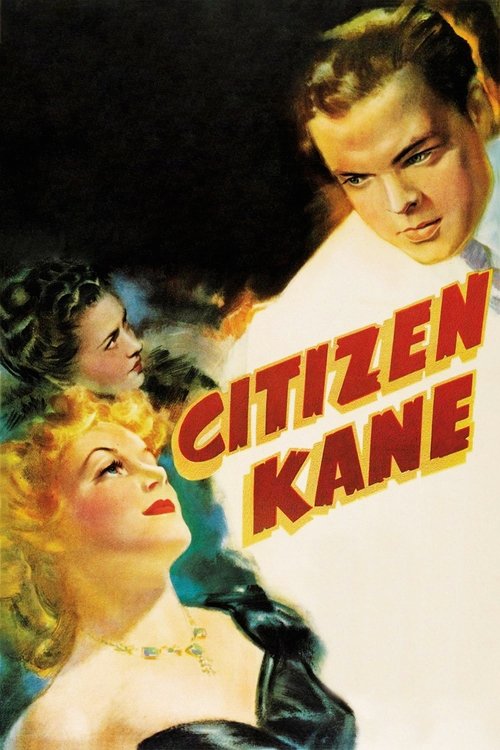
Citizen Kane1941
The film that Mank is about—necessary viewing to appreciate the screenplay battle at the heart of the story, and Welles's genius is still staggering. A masterpiece about power and loss that holds up completely.
But It's from 1941 and moves at a 1941 pace. If you need constant action and quick cuts, the long scenes and deliberate storytelling will test your patience.
The Social Network2010
Fincher and screenwriter Aaron Sorkin's previous collaboration about genius, ego, and the cost of creation. Sharp, bitter, and wickedly entertaining, with dialogue that crackles like Mank's does.
But It's about Facebook and young men in hoodies, not Old Hollywood glamour. If you're not interested in startup culture, the subject matter might feel lightweight despite the execution.

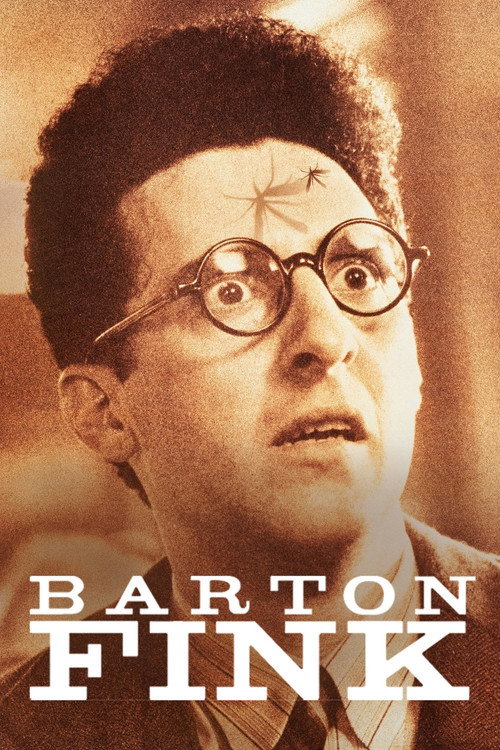
Barton Fink1991
The Coen Brothers' nightmare about a playwright crushed by Hollywood's indifference and his own pretensions. It understands the specific agony of a writer's soul being slowly murdered for a paycheck.
But It gets increasingly surreal and uncomfortable. Some find the third act alienating rather than cathartic, and it's bleaker than Mank by a significant margin.
Not sure tonight? Get a pick in a minute, starting from Mank
The wildcard
Something you would not have found on your own.
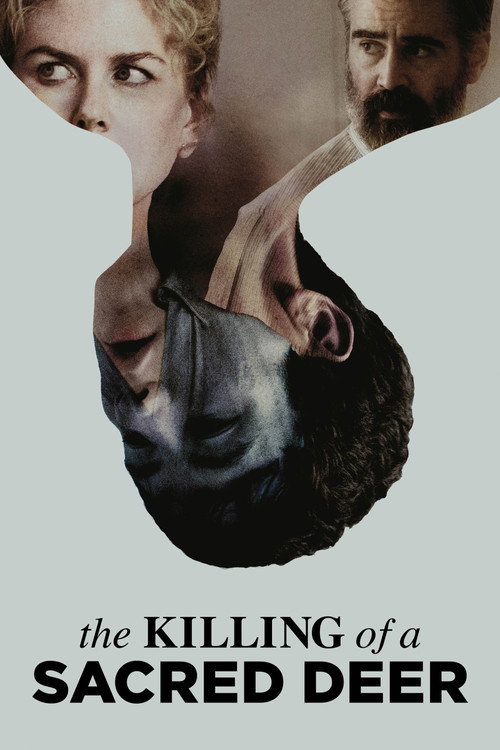
The Killing of a Sacred Deer2017
Both are about brilliant men whose intelligence becomes a trap, and both understand that some forms of ruin are self-inflicted and irreversible.
Yorgos Lanthimos makes a modern tragedy about guilt, obligation, and the brutal cost of ambition in an utterly austere register. Like Mank, it's about smart men destroying everything because they cannot admit they were wrong, but it does it through genre horror instead of period drama.
But It's deeply uncomfortable, morally nihilistic, and moves with inexplicable slowness. The style is alienating by design. If you watch Mank for its wit, this will feel punitive.
More like this (8)
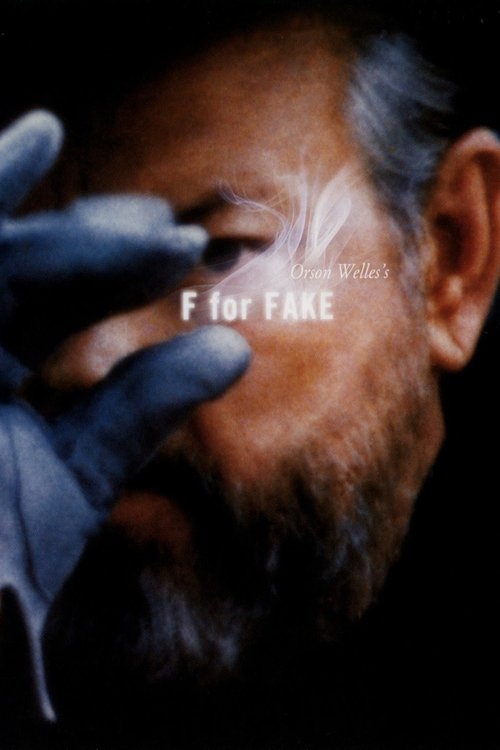
F for Fake1973
Welles himself, making a documentary about deception and art that's playful, metatheatrical, and obsessed with the lies cinema tells. A fascinating counterpoint to how Mank imagines him.
But It's formally experimental and sometimes plotless. If you expect traditional documentary structure, you'll spend the runtime annoyed rather than delighted.
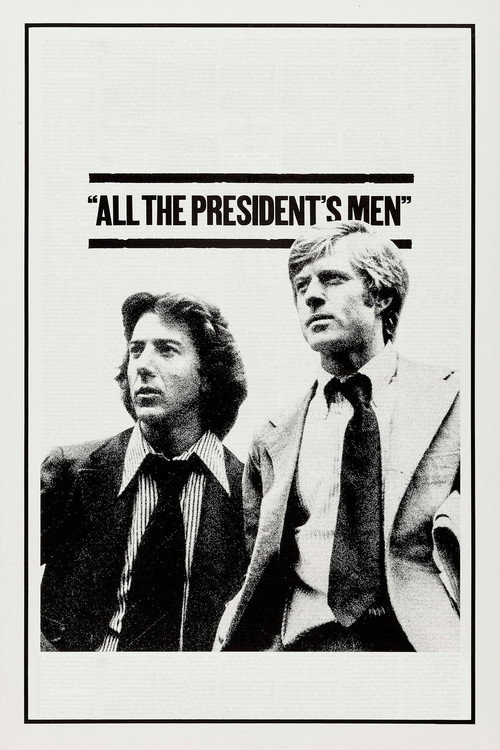
All the President's Men1976
Another procedural about the messy, unglamorous work of writing truth. Pakula's slow-burn investigation shares Mank's fascination with how important work actually gets made in rooms we never see.
But It's very 1970s in pacing and aesthetic. Long stretches are just reporters making phone calls, which sounds boring and is, if you're not invested in the journalism.
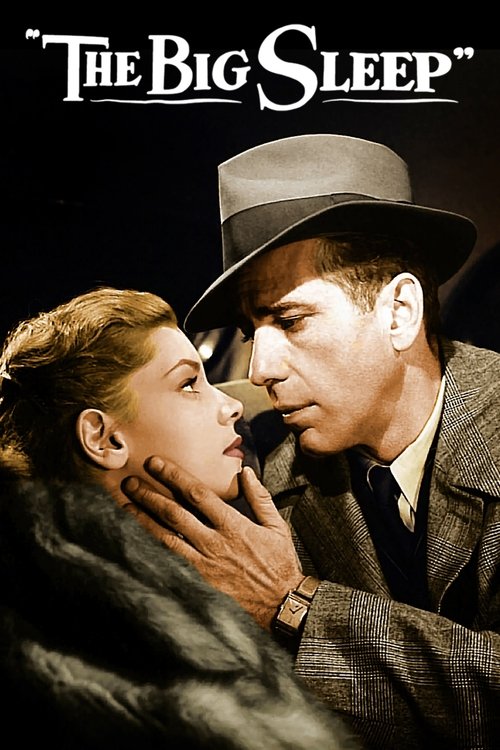
The Big Sleep1946
Bogart and Bacall in Hawks's definitive noir, the kind of sharply-written, morally compromised Hollywood product that Mank mourns. It's just clever and cool and sexy.
But The plot is notoriously confusing—even the filmmakers disagreed on who murdered whom. If narrative clarity matters to you, this will frustrate you.
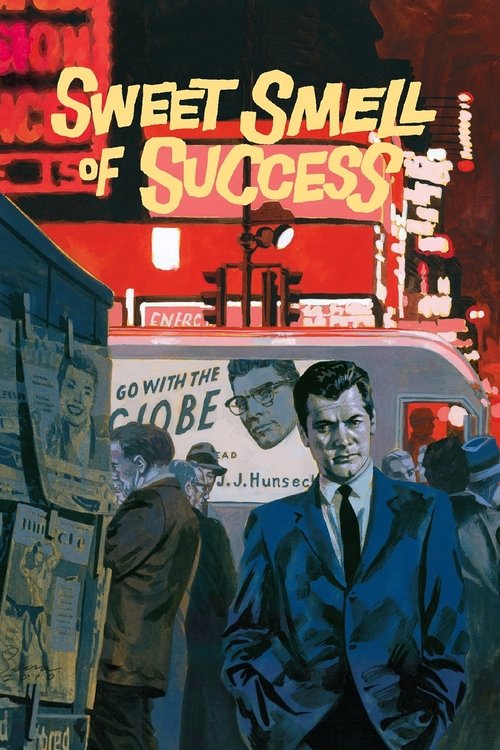
Sweet Smell of Success1957
A vicious, gorgeously shot portrait of men poisoning each other in New York's nightlife. The dialogue is Shakespearean in its toxicity, and it shares Mank's contempt for people corrupted by proximity to power.
But It's bleak and airless, with no characters to root for. The misanthropy is complete, which some find bracing and others find exhausting.
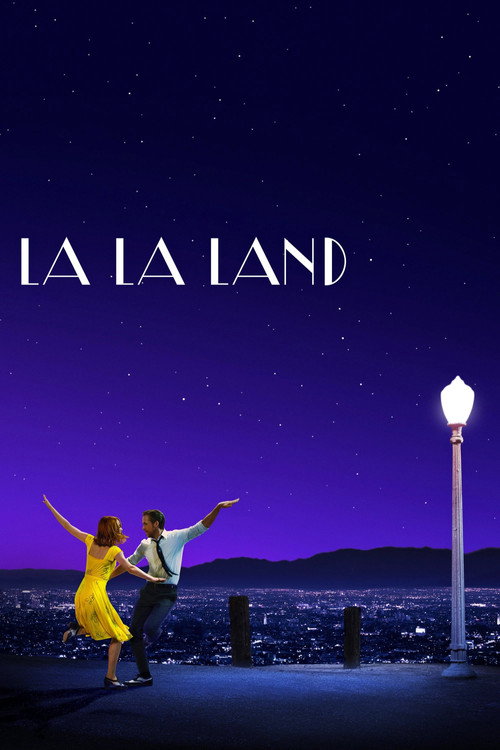
La La Land2016
Damien Chazelle's love letter to Old Hollywood and classical cinema, shot in gorgeous colour with the kind of craft Fincher admires. It's romantic about the movies in a way that complements Mank's bitterness.
But It's sentimental where Mank is cynical. If you found it saccharine, watching it after Mank will feel like an argument with a friend.
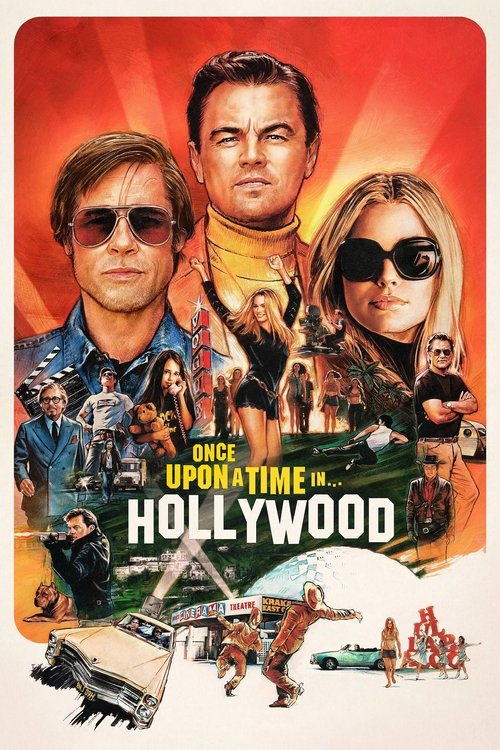
Once Upon a Time... in Hollywood2019
Tarantino's long, drifting love letter to 1960s Hollywood, full of character detail and the pleasure of watching skilled people work. It shares Mank's ornate nostalgia and obsession with filmmaking as craft.
But It's slow, self-indulgent, and the third act pivots in a way some find gimmicky. If you want plot momentum, this movie will feel like three hours of hanging around.
Synecdoche, New York2008
Both films are obsessed with the moment when a man's greatest work becomes indistinguishable from his greatest delusion, and both tell that story through intricate formal games.
Charlie Kaufman's only directorial feature—a vast, collapsing metaphor about an aging theatre director building a life-sized replica of New York inside a warehouse. It's about art consuming the artist, and about the lies we tell ourselves to justify failure, with a formal inventiveness that matches Mank's.
But It's a three-hour fever dream that resists interpretation. Some find it profound and some find it pretentious, and there's no middle ground. The narrative logic operates on dream logic.

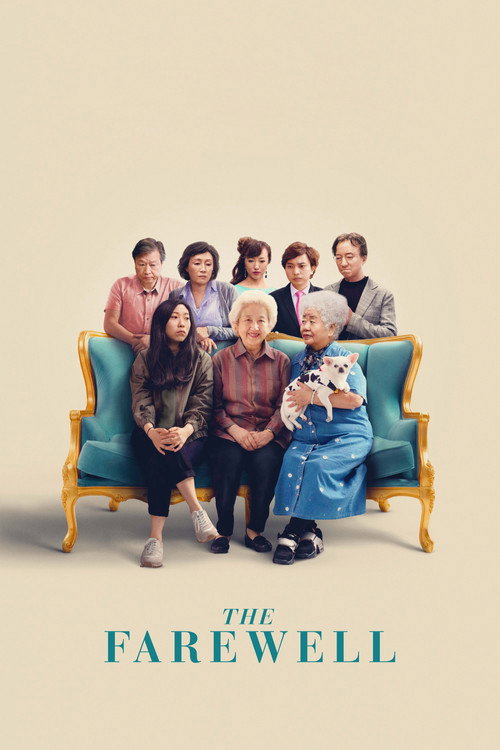
The Farewell2019
Both understand that the stories we tell about ourselves are often more important than what's true, and both find that darkly, humanely funny.
Lulu Wang's film about a Chinese family keeping a fatal diagnosis secret from its matriarch is a completely different story in a completely different register—but it shares Mank's fascination with how we construct narratives to protect ourselves, and the cost of those lies. Warm, funny, and heartbreaking in a way Mank cannot afford to be.
But It's deeply intimate and personal rather than sweeping and historical. If you're watching for the spectacle and rage of Mank, this will feel small.
People
Cast
 Gary OldmanHerman Mankiewicz
 Amanda SeyfriedMarion Davies
 Lily CollinsRita Alexander
 Arliss HowardLouis B. Mayer
 Tom PelphreyJoseph Mankiewicz
 Sam TroughtonJohn Houseman
 Ferdinand KingsleyIrving Thalberg
 Tuppence MiddletonSara Mankiewicz
 Tom BurkeOrson Welles
 Joseph CrossCharles Lederer
 Jamie McShaneShelly Metcalf
 Toby Leonard MooreDavid O. Selznick
Directing
- David FincherDirector
- Richard GoodwinFirst Assistant Director
- Jean-Paul ChrekyScript Supervisor
- Sharron Reynolds-EnriquezScript Supervisor
- Samantha Smith McGradySecond Assistant Director
Writing
- Jack FincherScreenplay
Production
- Eric K. YunAssistant Production Coordinator
- Andrea McKeeAssociate Producer
- Adam PennyBackground Casting Director
- Tom MartoranoBackground Casting Director
- Laray MayfieldCasting
- Anna MaywormCasting Assistant
- Audrey LoebCasting Assistant
- Peter MavromatesCo-Producer
- William DoyleCo-Producer
- Venus VenturaFirst Assistant Accountant
- Teresa Jaime DrapkinPayroll Accountant
- Kyle SteenoPost Production Coordinator
- Ceán ChaffinProducer
- Douglas UrbanskiProducer
- Eric RothProducer
- Susan MurphyProduction Accountant
- Jameson EverettProduction Assistant
- Karla TorresProduction Coordinator
- Nicholas RoertgenProduction Secretary
- Karla TorresProduction Supervisor
- Ashleigh TuckerTravel Coordinator
- Allen KupetskyUnit Production Manager
Recommended by
The Kid Stays in the Picture, The Artist, Big Eyes, Casting By, The Bad and the Beautiful, Hollywood, Across the Universe, Colette, Hope Gap, Hyde Park on Hudson, Behind the Candelabra, Selena, A Complete Unknown, Ballets Russes, A Good Woman, The Real Rooneys, Florence Foster Jenkins, The Glorias, The Exception, Burning, Design Is One, After the Ball, Going in Style, You Can't Go Home Again, A Special Relationship, Here and Now, The Wolf at the Door, Labor Day, Mrs. Henderson Presents, Isadora, Love Is the Devil: Study for a Portrait of Francis Bacon