
Film
The Glorias
Julie Taymor's ambitious, playfully non-linear portrait of Gloria Steinem moves between her childhood, young adulthood, and later years to chart a radical life in feminism, journalism, and activism. It's visually inventive and deliberately theatrical rather than earnestly biographical—sometimes exhilarating, sometimes restless. For those who love unconventional approaches to historical figures and want to understand the woman behind the icon.
Should you watch it?
Watch it if you like biographies that bend their own structure, splitting one life across four actresses and letting memory wander between decades, with Julianne Moore anchoring the middle.
Skip it if you want a conventional, chronological cradle-to-career biopic; at nearly two and a half hours, its fragmented, drifting structure can feel long and loose.
What it asks of you: Expect a long, restless shape that jumps between eras and places rather than building in a straight line, so patience pays off more than momentum.
Not sure? Find tonight's pick in a minute.
If you liked this
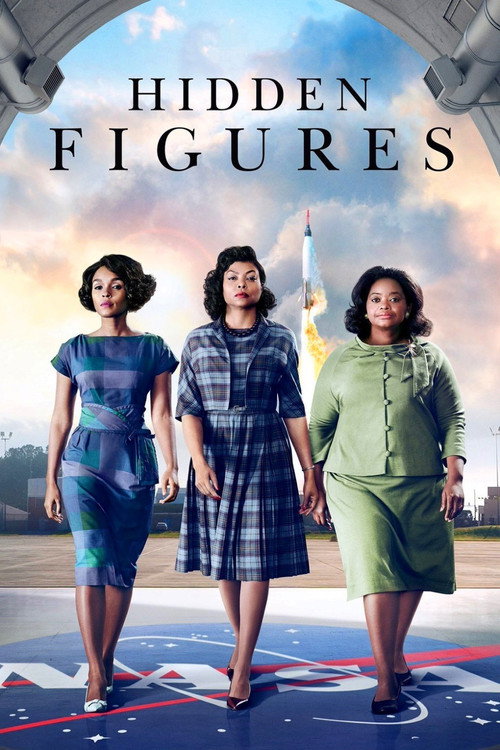
Hidden Figures2016
A sharper, more focused biography of unsung women reshaping American history. Its structure is tighter, its emotional beats more precise, and the ensemble cast work allows multiple perspectives on systemic change.
But It's more conventional in form—less stylistically adventurous than Taymor's approach, which some may find safer or less visually interesting.
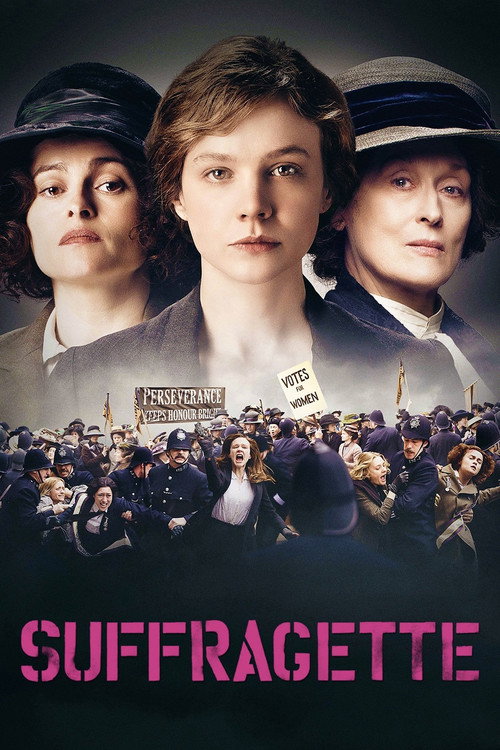
Suffragette2015
Examines the suffrage movement through the eyes of an ordinary woman radicalized into activism. The anger and sacrifice feel visceral, and it builds to genuine stakes that justify its intensity.
But It's grittier and angrier in tone, and the period setting might feel more distant than Steinem's more recent era. Some find it heavy-handed.
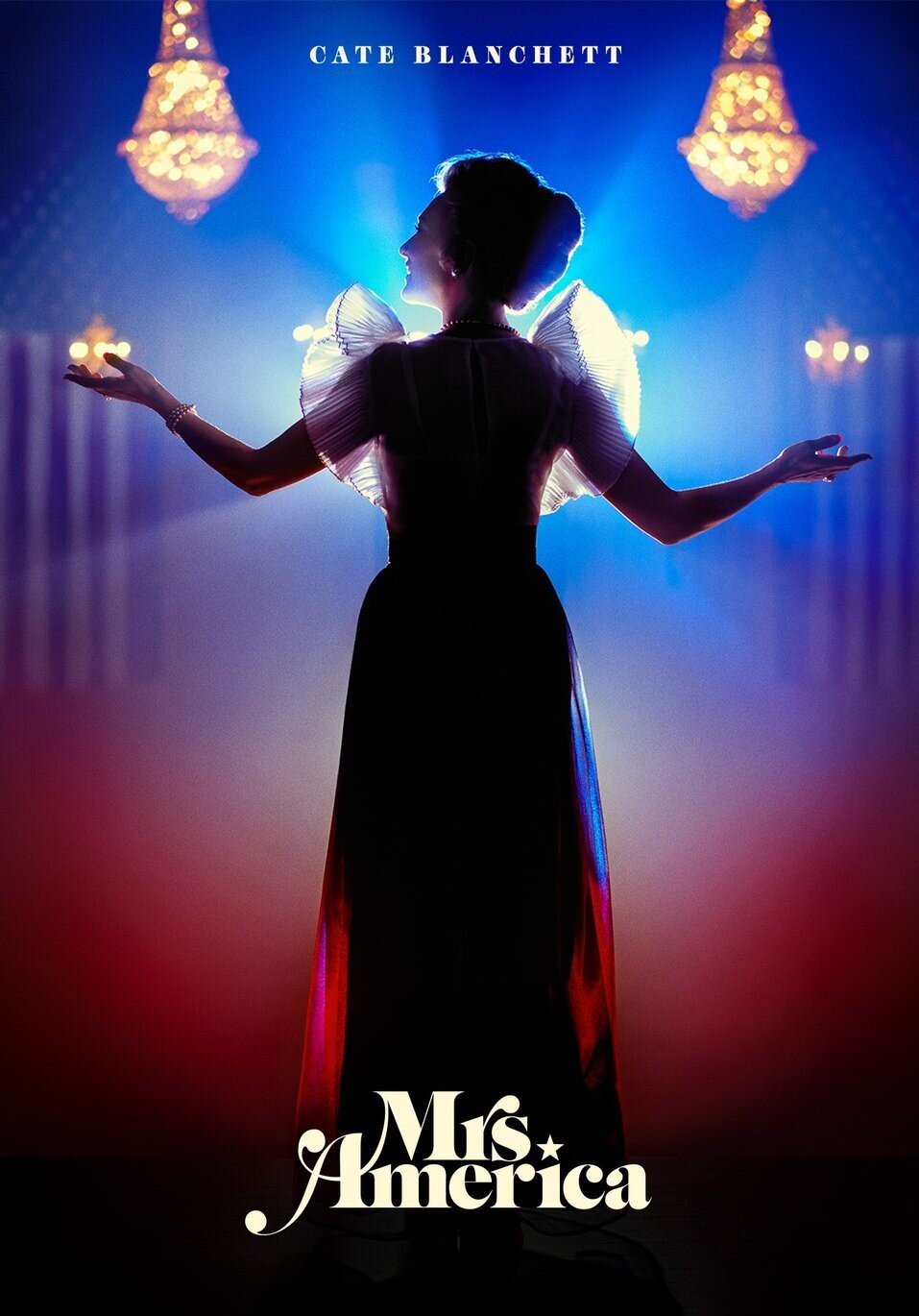
Mrs. America2020
A serialized reframing of the ERA fight as dramatic conflict, with Steinem appearing alongside other architects of change. Nine episodes let ideas breathe and stakes accumulate in ways a film cannot.
But It's explicitly about the *opposition* to feminism—Phyllis Schlafly dominates the narrative, which frustrates viewers wanting Gloria's story front-and-center.
Not sure tonight? Get a pick in a minute, starting from The Glorias
The wildcard
Something you would not have found on your own.
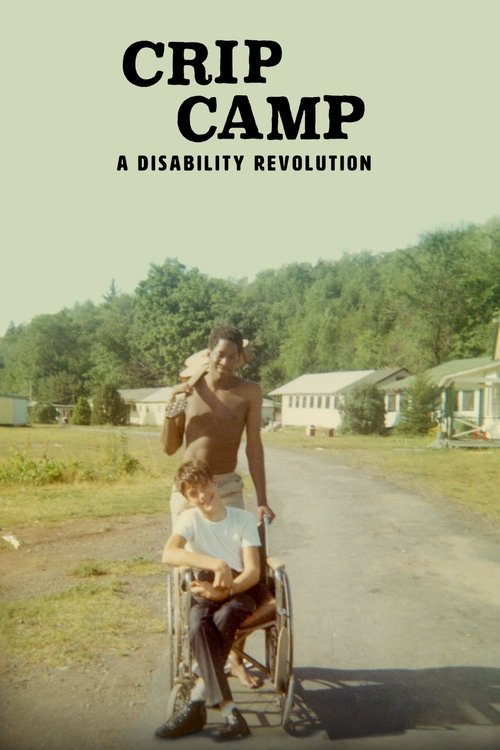
Crip Camp: A Disability Revolution2020
Both track how marginalized people organize themselves into history-makers. Crip Camp shows the method Steinem practiced: personal connection, consciousness-raising, refusal to ask permission.
A documentary about disability activists who built a political movement from a summer camp. It has the same DNA as feminist organizing—grassroots, urgent, joyful, intersectional, about liberation not charity.
But Documentary form means less dramatic shaping. If you want arc and catharsis, this refuses it—it wants you to see how movements actually build.
More like this (7)
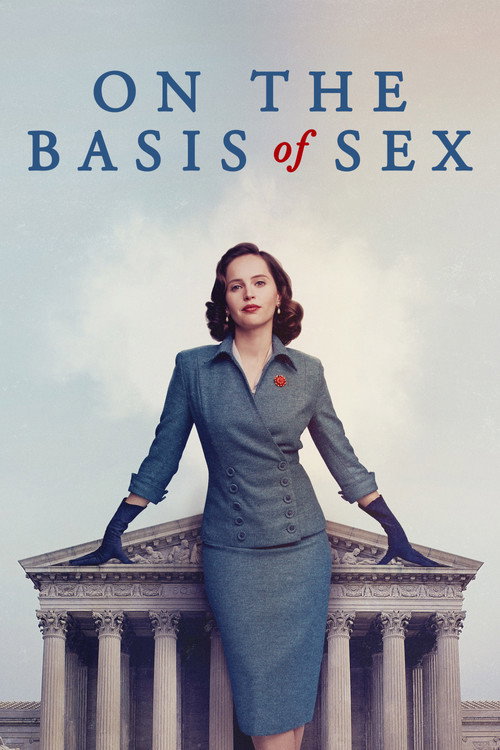
On the Basis of Sex2018
Ruth Bader Ginsburg's biography focuses on one woman, one transformative legal battle. Clearer stakes, tighter narrative, and a profound sense of what one person's determination can reshape.
But Narrower in scope than The Glorias—less interest in the texture of a life, more in a single crusade.
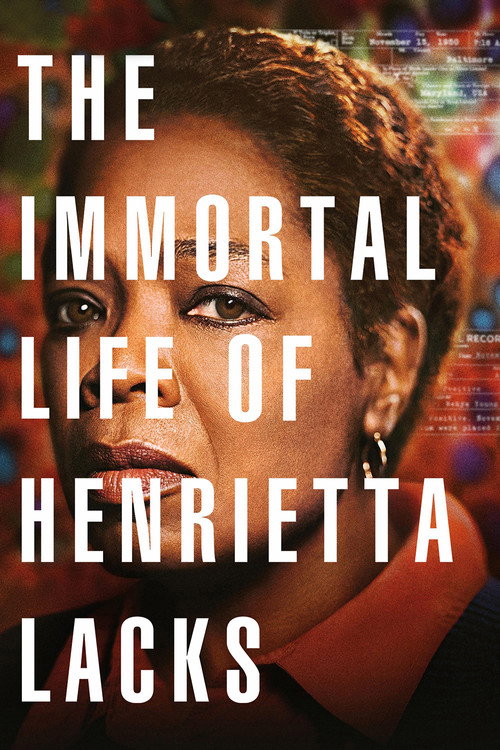
The Immortal Life of Henrietta Lacks2017
Moves between timelines to uncover erasure and injustice. It shares Taymor's willingness to jump through time, but anchors the jumps in a clearer emotional and ethical investigation.
But The jumps between past and present can feel disorienting. Some viewers find it frustratingly uneven in pace and tone.
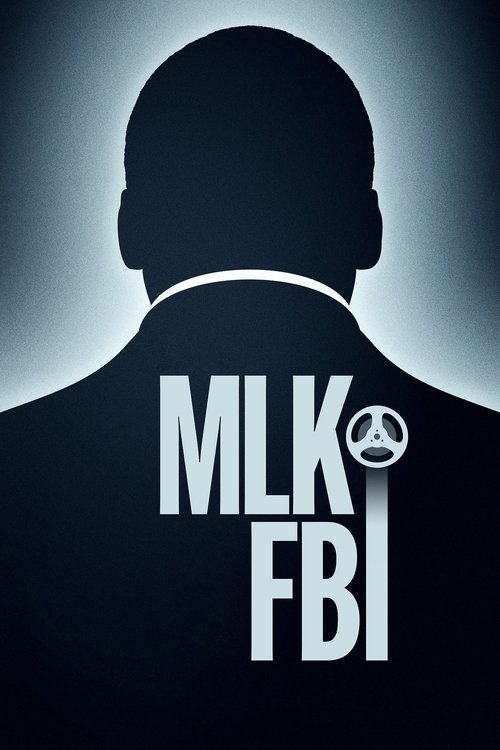
MLK/FBI2020
A 1960s activist under state surveillance, examined through declassified documents. Contemporary in subject, urgent in argument, and intellectually rigorous without being pedantic.
But It's austere and deliberately unglamorous. Don't come for inspiration—come for clarity about how power operates against dissent.
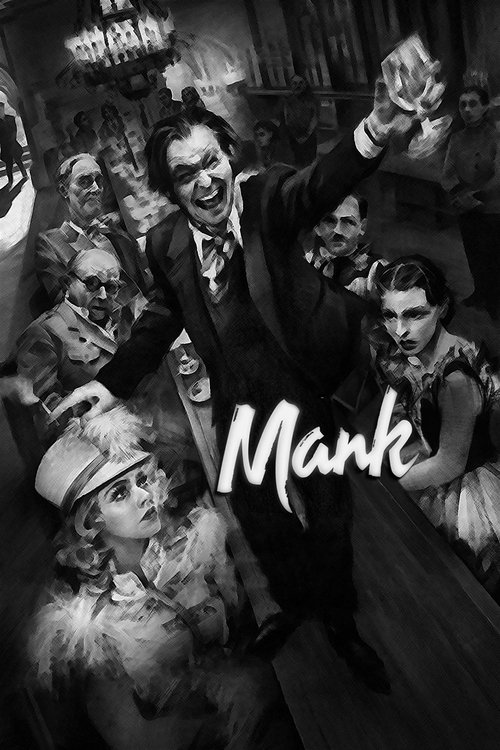
Mank2020
Released the same year as The Glorias, this is Fincher at his most playful with biography—fractured, digressive, about how stories get made and told. A companion piece to how Taymor approaches myth-making.
But Black-and-white cinematography and deep studio history knowledge help. Some find it self-indulgent or overstuffed with tangents.
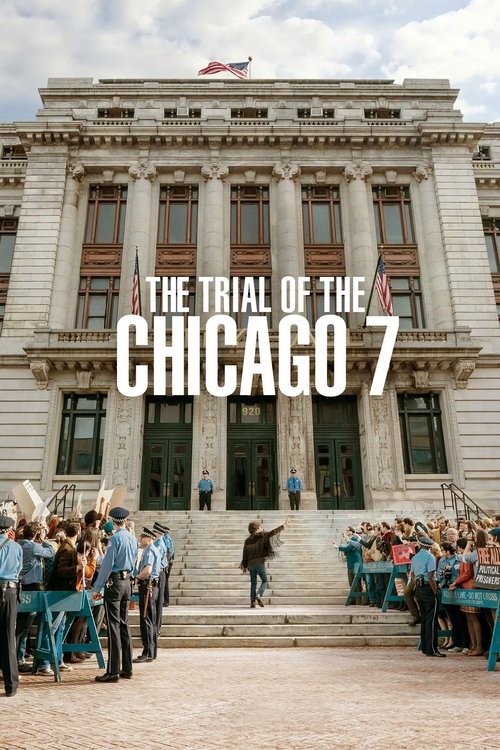
The Trial of the Chicago 72020
Sorkin examines activism, protest, and the machinery of state response through a courtroom. It's urgent, ensemble-driven, and makes political conflict dramatically compelling without simplifying it.
But Ensemble cast means characters stay broad. Some find it polished to glossiness—morally clear in ways real protest movements often aren't.
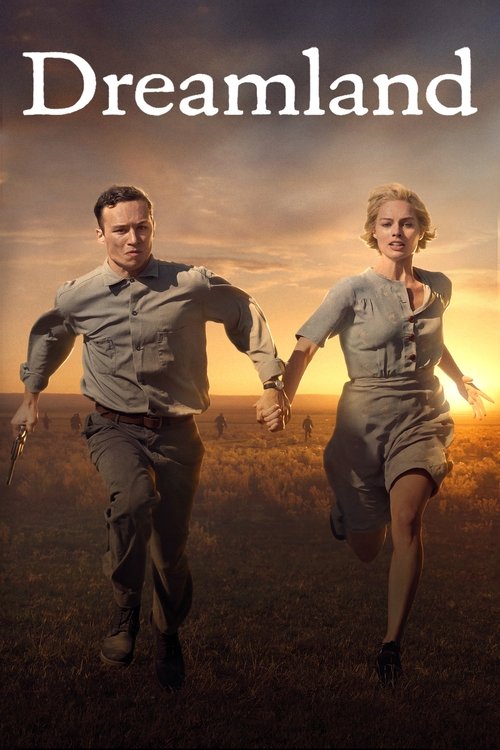
Dreamland2019
A small independent film about a young woman in rural America who chooses freedom and self-determination. Humble in scope but radical in its refusal to punish her for wanting more.
But It's quiet and deliberately undramatic. The story is thin on plot—mostly atmosphere and character, which can feel slow or slight to some viewers.
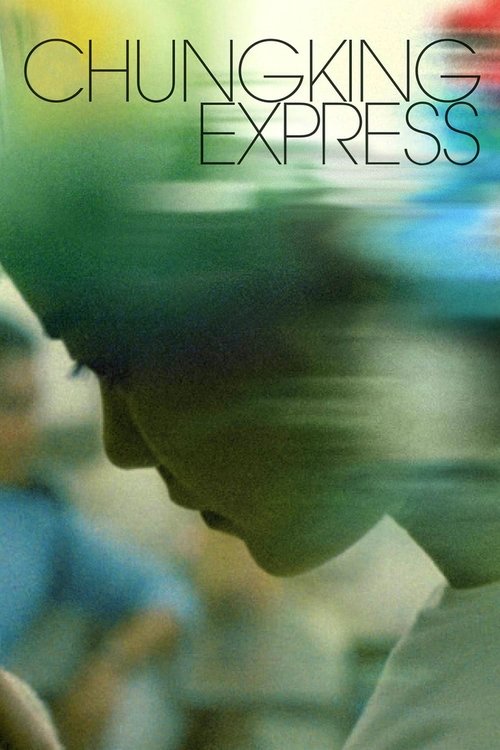
Chungking Express1994
The Glorias celebrates Steinem's refusal to be contained by other people's expectations of what a woman should be. Chungking Express makes that refusal—choosing yourself, your freedom, your strange desire—feel like the most beautiful thing a woman can do. Different eras, different media, same quiet radicalism.
Wong Kar-wai's neon-soaked romance in Hong Kong is gorgeously, deliriously alive in its visuals and emotional texture. A complete tonal departure—but watch how it treats female independence and desire as the story's beating heart.
But It's oblique, romantic, sensory rather than political. If you want ideas argued or activism depicted, this is silent on both. The film moves like a dream, not like narrative.
People
Cast
 Julianne MooreGloria Steinem
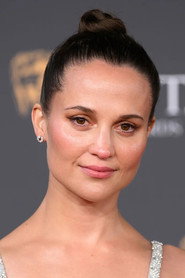 Alicia VikanderYoung Gloria Steinem
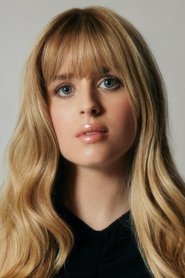 Lulu WilsonTeenage Gloria Steinem
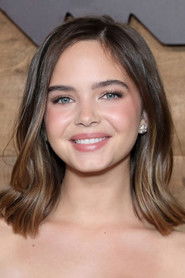 Ryan Kiera ArmstrongChild Gloria Steinem
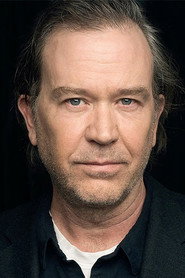 Timothy HuttonLeo Steinem
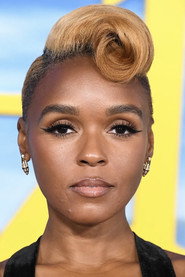 Janelle MonáeDorothy Pitman Hughes
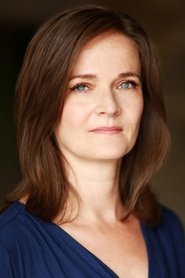 Enid GrahamRuth Steinem
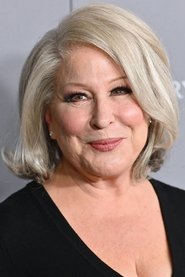 Bette MidlerBella Abzug
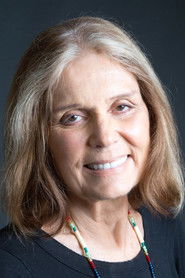 Gloria SteinemGloria
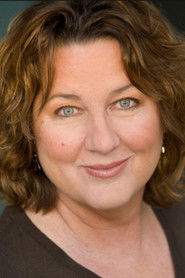 Peggy SheffieldWoman Biker
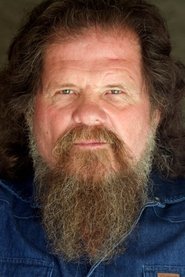 Tom ProctorMale Biker
- Korbi DeanWaitress
Directing
- Julie TaymorDirector
Writing
- Gloria SteinemBook
- Julie TaymorScreenplay
- Sarah RuhlScreenplay
Production
- Bernard TelseyCasting
- Lee GenickCasting
- Tiffany Little CanfieldCasting
- Amy RichardsExecutive Producer
- David KernExecutive Producer
- Gloria SteinemExecutive Producer
- Marcela A. BrownExecutive Producer
- Mickey LiddellExecutive Producer
- Pete ShilaimonExecutive Producer
- Regina K. ScullyExecutive Producer
- Alex SaksProducer
- Gregg TemkinProducer
- Julie TaymorProducer
- Lynn HendeeProducer