
Film
Citizen Kane
Citizen Kane is the ur-text of American ambition-movies: a fractured biography of a newspaper tycoon reconstructed from the half-true memories of everyone who failed to truly know him. It's less whodunit than tone poem about wealth and emptiness, shot with show-off deep-focus camerawork that still dazzles film students. Essential viewing, and, against all its textbook reputation, a genuinely moving, intimate character study.
If you liked this
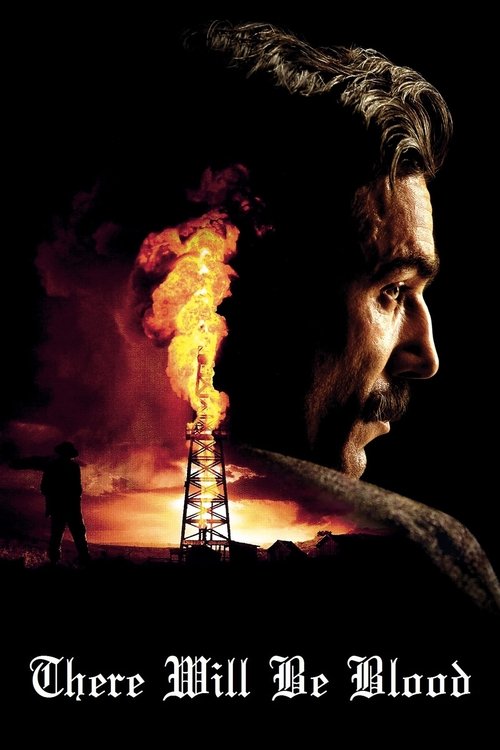
There Will Be Blood2007
Another self-made American titan whose success curdles into total isolation — Paul Thomas Anderson channels Welles's operatic scale into oil instead of newsprint, with Daniel Day-Lewis matching Kane's monstrous charisma.
But It's slower and meaner, ending on pure venom rather than Kane's wounded sadness — bring patience.
The Social Network2010
A modern Rosebud story — a brilliant, wounded young man builds an empire to fill a hole a girl, a club, or a father left in him, told through the same fractured, competing-testimony structure.
But Colder and faster than Welles's film, all dialogue and depositions — less visual poetry, more legal drama.

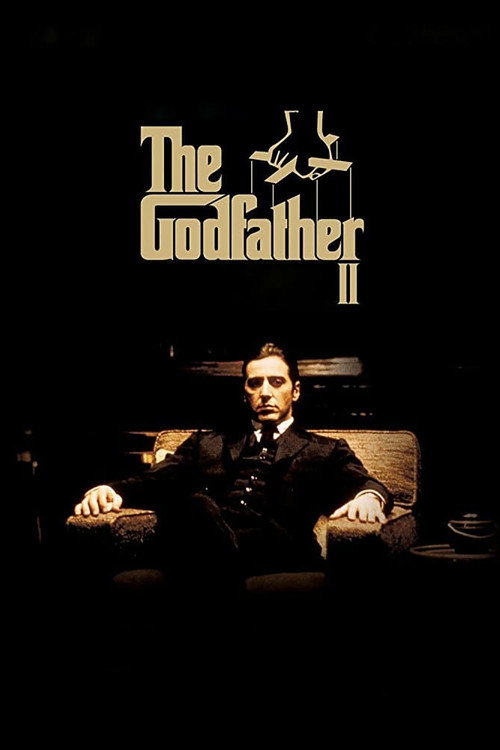
The Godfather Part II1974
Coppola's dual-timeline epic asks the same question Kane does — what does power cost the man who wanted it — and answers with the same aching loneliness at the top.
But Three and a half hours of slow-burn dynastic tragedy; if you want Kane's zip and wit, this is a heavier meal.
The wildcard
Something you would not have found on your own.
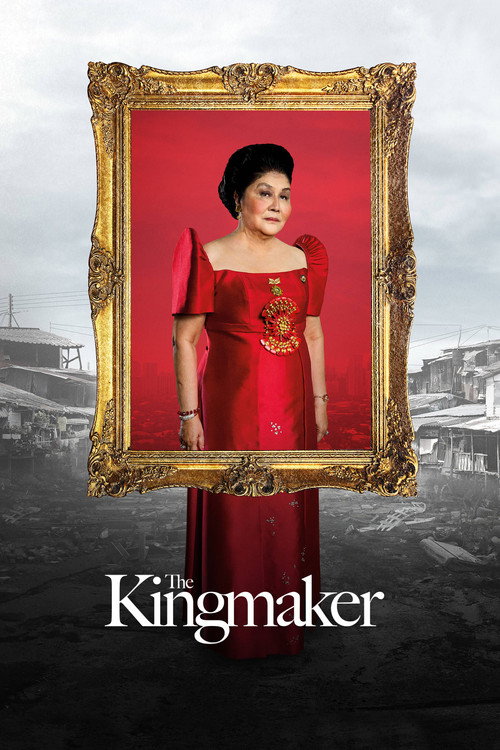
The Kingmaker2019
Both are studies of a wealthy self-mythologiser insisting, against all evidence, that they were misunderstood — one imagined, one alive and giving interviews.
A real Kane: Imelda Marcos, filmed today, still curating her own myth in marble halls, surrounded by the wreckage of a fortune she insists was virtue. It's Kane's psychology with the fiction stripped away.
But There's no Rosebud, no tidy tragic irony — just an unrepentant real person, which is less satisfying and more unsettling than fiction.
More like this (8)
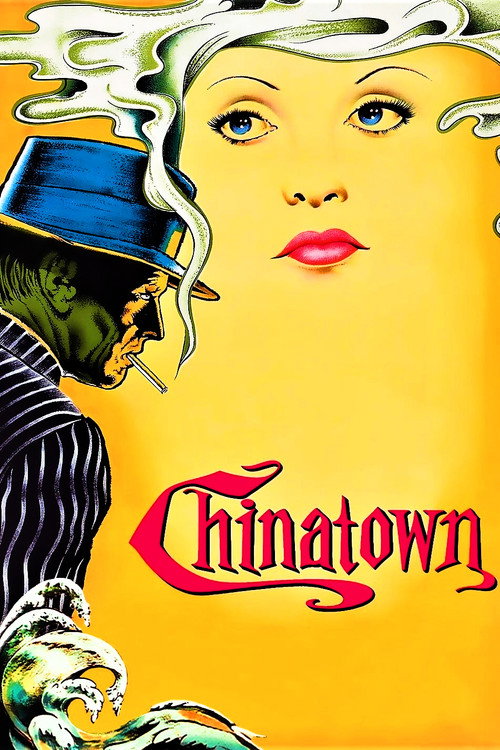
Chinatown1974
Los Angeles noir with the same interest in the rot beneath American wealth and civic power, shot with the same confident, controlled visual intelligence that made Kane a textbook.
But A detective story first, character study second — the emotional wound belongs to someone else, not the tycoon.
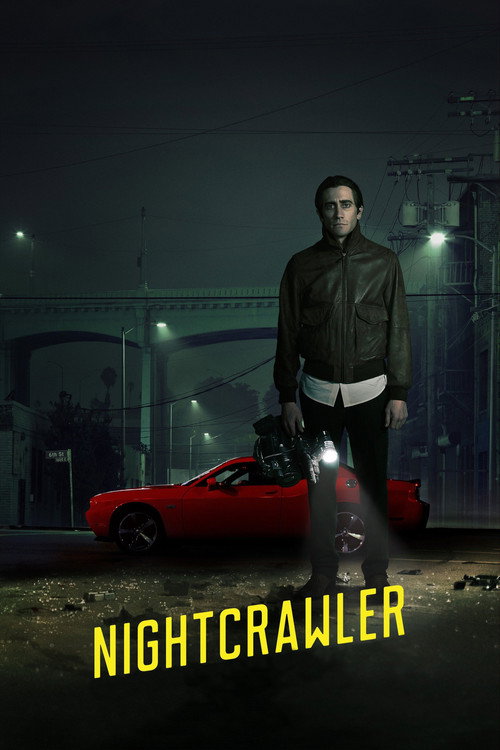
Nightcrawler2014
A nasty little cousin of Kane's newsroom scenes — media as a machine rewarding the wrong instincts, built around a magnetic, hollow man who believes his own myth.
But Much smaller and pulpier than Kane's grand tragedy; this is B-movie neon, not Xanadu marble.
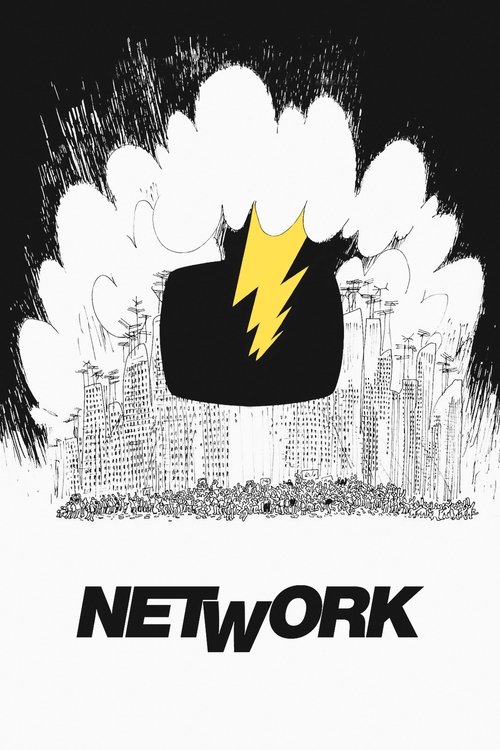
Network1976
If Kane is the newspaper baron who built the myth, this is the medium eating itself alive a generation later — furious, prophetic satire of the same media hunger.
But Shouty and theatrical where Kane is composed and cool; the satire is broad, not subtle.
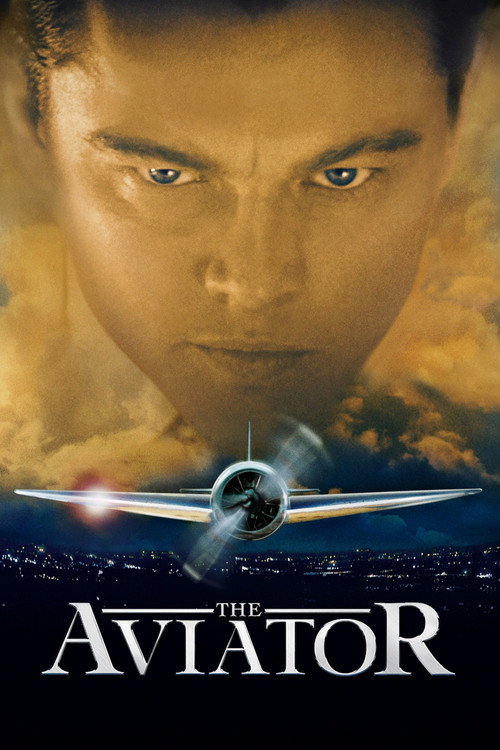
The Aviator2004
Another brilliant, wealthy man undone by his own compulsions and childhood ghosts, with Scorsese borrowing Welles's visual ambition scene for scene.
But Runs long and occasionally mistakes spectacle for insight — the decline is shown more than felt.
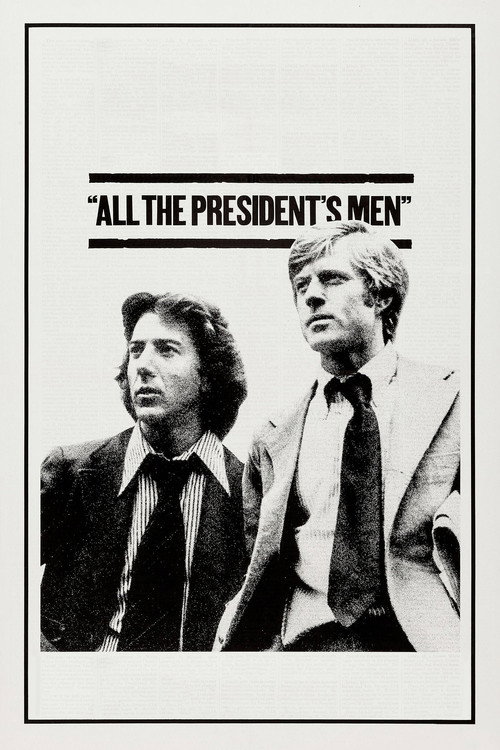
All the President's Men1976
The other side of the newsroom Kane ran — the grind and idealism of journalism itself, with no tycoon anywhere near the story, a good contrast piece.
But Procedural and deliberately unglamorous; there's no Xanadu, no myth-making, just two reporters and phone calls.
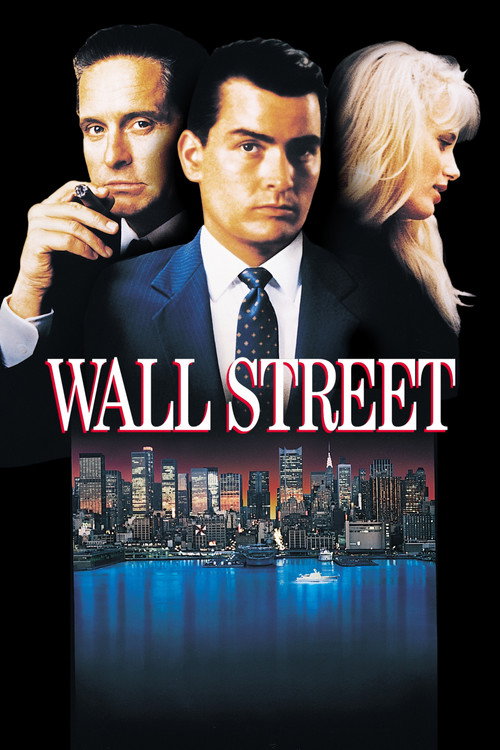
Wall Street1987
Greed as inheritance and disease, a mentor-monster relationship echoing Kane's own hollow mentorships, wrapped in eighties gloss instead of 1940s shadow.
But More morality play than tragedy — it wants you to learn a lesson, where Kane just wants you to feel the loss.
The Power and the Glory1933no page yet
Preston Sturges's screenplay is the disputed but widely cited blueprint for Kane's fractured 'narratage' structure — same skeleton, eight years earlier, with none of the flesh.
A largely forgotten Spencer Tracy vehicle built on the exact device Kane made famous — a man's life reconstructed after his death through the testimony of those who knew him, flashbacks and all.
But A creaky early-talkie melodrama with none of Welles's visual daring — the idea is the whole show.
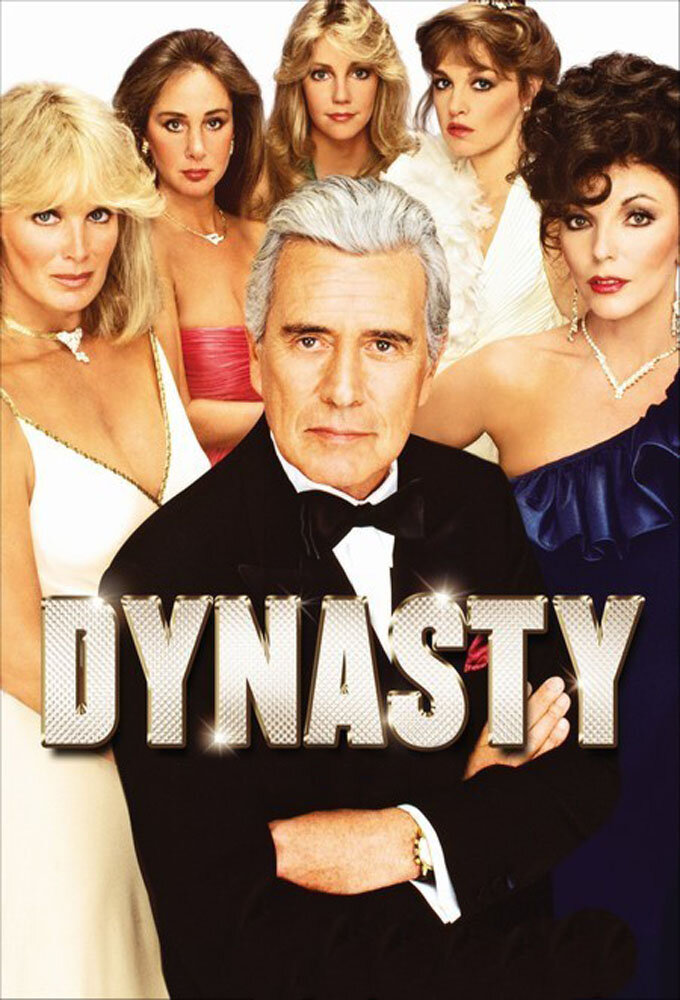
Dynasty1981
Strip Kane's psychological weight away and you're left with its plot engine — a media-and-oil dynasty's wealth curdling into loneliness and betrayal — which Dynasty spins into eighty hours of pure spectacle.
The same engine — oil money, a cavernous mansion, a family devouring itself over inheritance and image — running at full soap-opera throttle, with shoulder pads instead of shadows.
But Gloriously trashy where Kane is austere; if you want subtlety or restraint, it will grate within an episode.
People
Cast
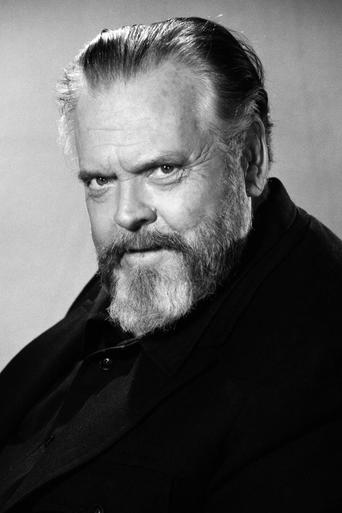 Orson WellesCharles Foster Kane
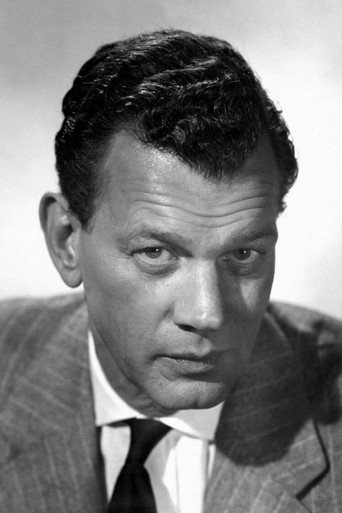 Joseph CottenJedediah Leland
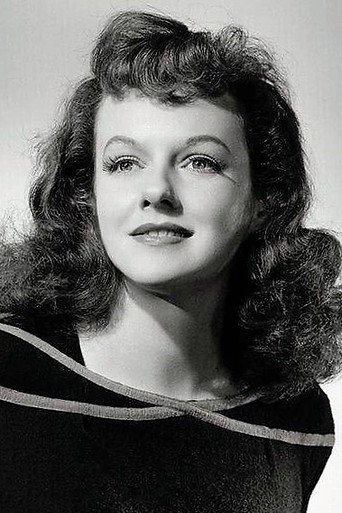 Dorothy ComingoreSusan Alexander Kane
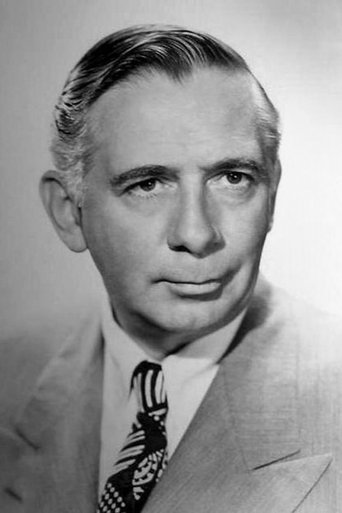 Ray CollinsJim W. Gettys
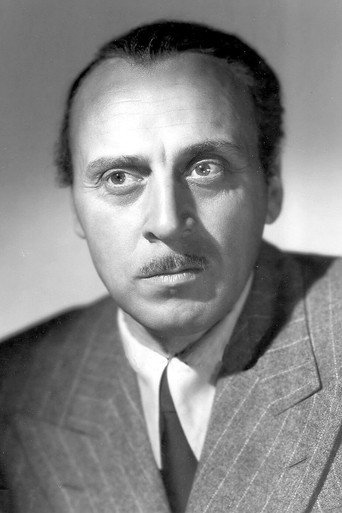 George CoulourisWalter Parks Thatcher
 Agnes MooreheadMary Kane
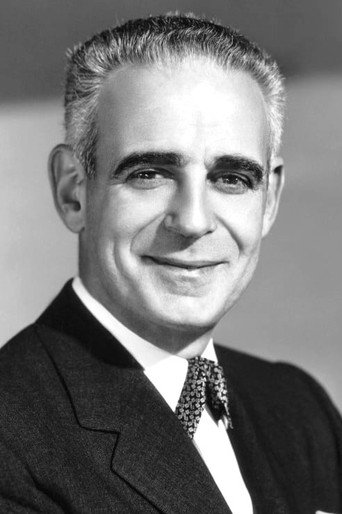 Paul StewartRaymond
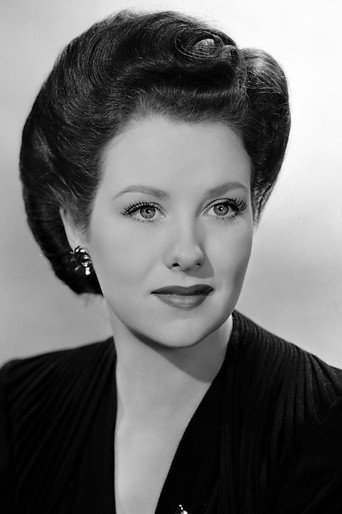 Ruth WarrickEmily Norton Kane
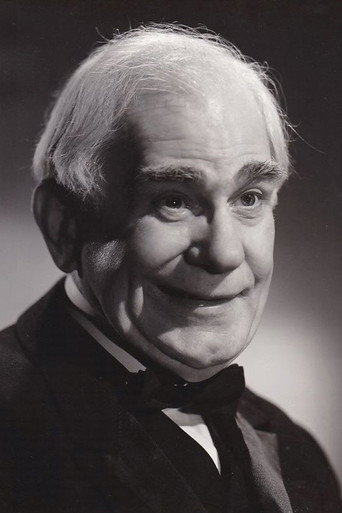 Erskine SanfordHerbert Carter
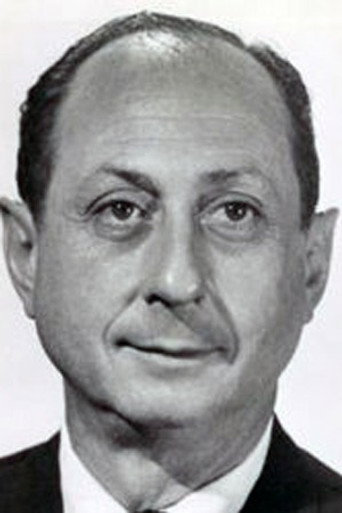 William AllandJerry Thompson/Narrator
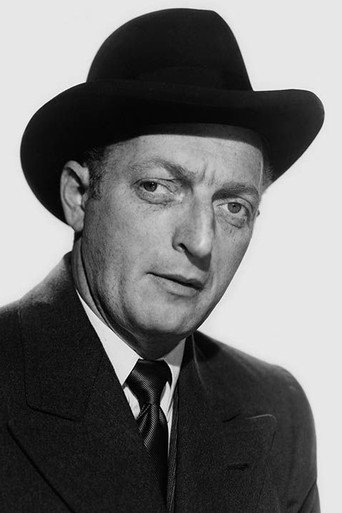 Everett SloaneMr. Bernstein
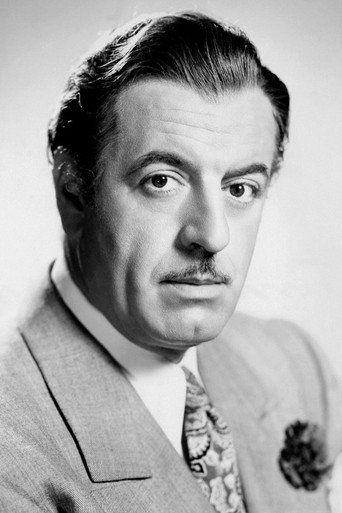 Fortunio BonanovaSignor Matiste
Directing
- Orson WellesDirector
Writing
- Herman J. MankiewiczScreenplay
- Orson WellesScreenplay
Production
- Orson WellesProducer
Recommended by
There Will Be Blood, The Aviator, The Social Network, A Face in the Crowd, WeCrashed, Super Pumped, The Founder, Deadline - U.S.A., All the King's Men, The Trial, Nixon, Meet John Doe, The Bad and the Beautiful, The Killers, The Great Gatsby, I'm Not There, Velvet Goldmine