
Film
The Front Page
Other titles called The Front Page: the 1974 film.
A 1931 newspaper comedy about an editor and reporter chasing a story about an escaped convict who may be innocent. Shot through with rapid-fire dialogue, cynicism about justice and the press, and genuine warmth beneath the chaos. For anyone who loves fast-talking characters, moral ambiguity, and the particular energy of early sound cinema.
Should you watch it?
Watch it if you love fast-talking newsroom comedies where wisecracks collide at full speed, and the cynicism of old-school reporters feels like a sport rather than a lecture.
Skip it if the dialogue is relentlessly overlapping and talky, and its early-sound stage roots show in stagey pacing and a static look that may feel dated to modern eyes.
What it asks of you: Be ready to keep up with a torrent of overlapping lines across a brisk run of about 100 minutes that rarely pauses to let the mood breathe.
Not sure? Find tonight's pick in a minute.
If you liked this
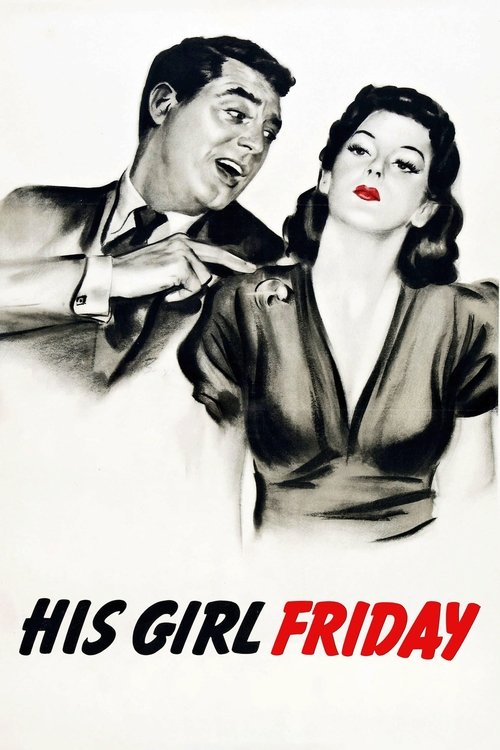
His Girl Friday1940
The official remake, with Rosalind Russell as the reporter. Faster, funnier, and sharper—Russell's energy is electric, and the gender swap adds fresh complications to the romance and power dynamics.
But Remakes can feel redundant if you've just seen the original. This one improves on it, which some find dispiriting rather than delightful.
The Asphalt Jungle1950
A different kind of newspaper story—a crime film told with documentary clarity and humanity. John Huston directing. It's about competence, desperation, and the way small plans grow too big. Shares The Front Page's love of procedural detail and flawed people.
But Less funny. More interested in tragedy than redemption. Slower paced—it builds dread rather than laughs.

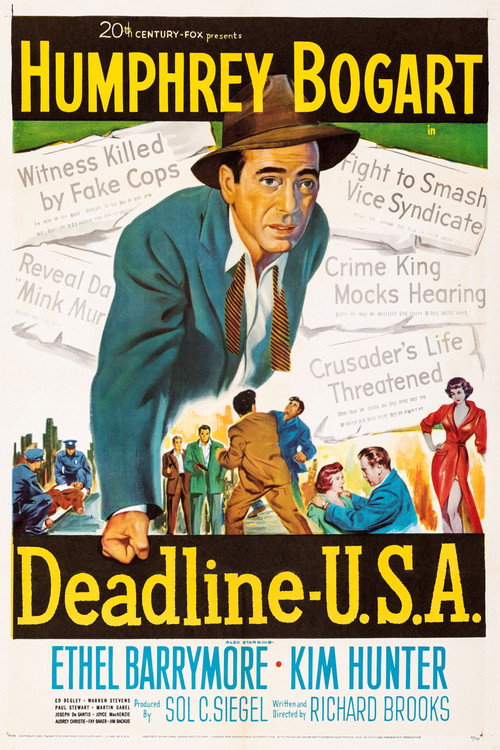
Deadline - U.S.A.1952
Humphrey Bogart as an editor fighting a crime boss and a failing newspaper on his last day. Same world, same stakes, same collision between what's right and what sells papers. Bogart's exhaustion is the emotional core.
But It's a straight drama wearing a newspaper hat, not a comedy. The tone is elegiac, almost defeated. Less fun than The Front Page, even when it wins.
Not sure tonight? Get a pick in a minute, starting from The Front Page
The wildcard
Something you would not have found on your own.
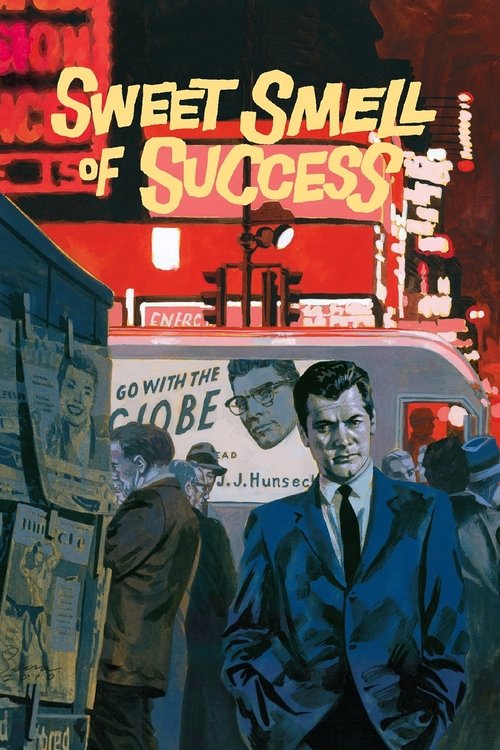
Sweet Smell of Success1957
Both map the same moral ecosystem—newspapers, ambition, the bending of truth for advantage—but The Front Page believes in decency underneath, while this doesn't believe in anything.
The same cynical universe as The Front Page—press, corruption, the machinery of reputations—but transformed into noir. Burt Lancaster's columnist is Burns through a darker mirror: what happens when the editor stops having a conscience at all.
But It's brutal and has no warmth. The dialogue is baroque and sometimes hard to follow. Nobody wins, and that includes you.
More like this (7)
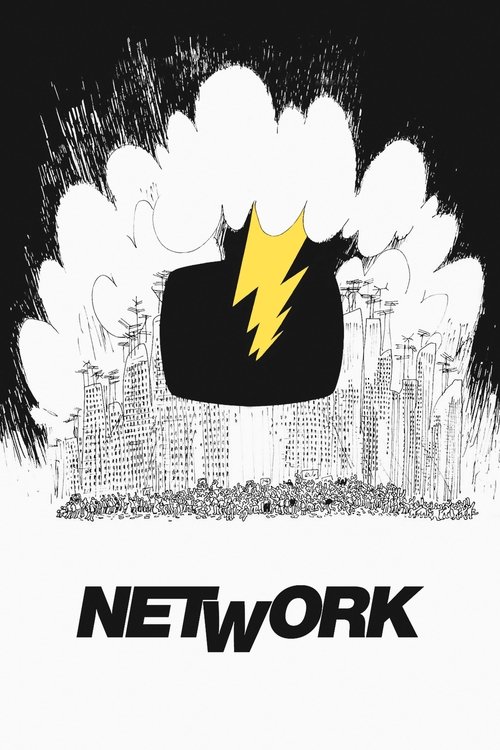
Network1976
Television instead of newspapers, but the same machinery: chasing ratings, blurring truth and entertainment, cynical people in expensive suits. Paddy Chayefsky's script is furious and prophetic. Peter Finch's news anchor is a modern cousin to Burns.
But Savage and exhausting. It's not cynicism worn lightly—it's a howl. If you like The Front Page's warmth, this will feel bleak and punishing.
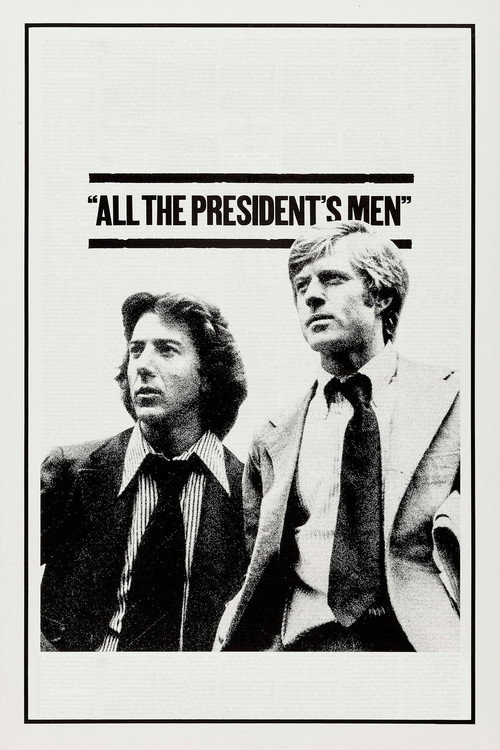
All the President's Men1976
Woodward and Bernstein, The Washington Post, Watergate. It's the newspaper thriller done right: two reporters discovering something vast, their editor (Jason Robards) as the moral centre. Procedural, intelligent, genuinely thrilling.
But It's more serious than funny. The stakes are real and heavy. If you want comedy and romance mixed in, this is pure craft and consequence.
Spotlight2015
A Boston Globe investigation into Catholic Church abuse. Another ensemble of journalists doing unglamorous work, checking facts, making calls, building truth from small pieces. Slow, methodical, and quietly powerful.
But Completely humourless. Modern and solemn. It's about victims and institutional evil, not clever reporters outwitting editors. Different register entirely.

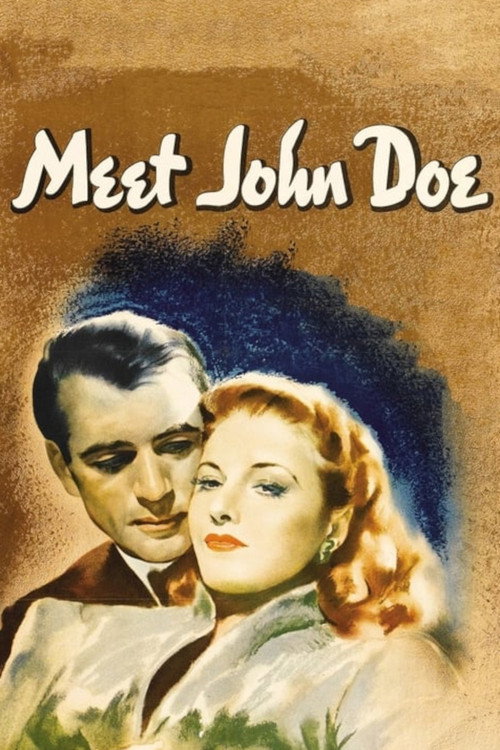
Meet John Doe1941
Frank Capra directing Gary Cooper and Barbara Stanwyck in a newspaper story about manufacturing a hero. It's funny, romantic, and keeps asking whether the truth matters if the lie feels good. Stanwyck's reporter is wonderful.
But Capra's sentimentality can curdle into something sour. The ending divides people sharply. Some find it moving, others find it manipulative.
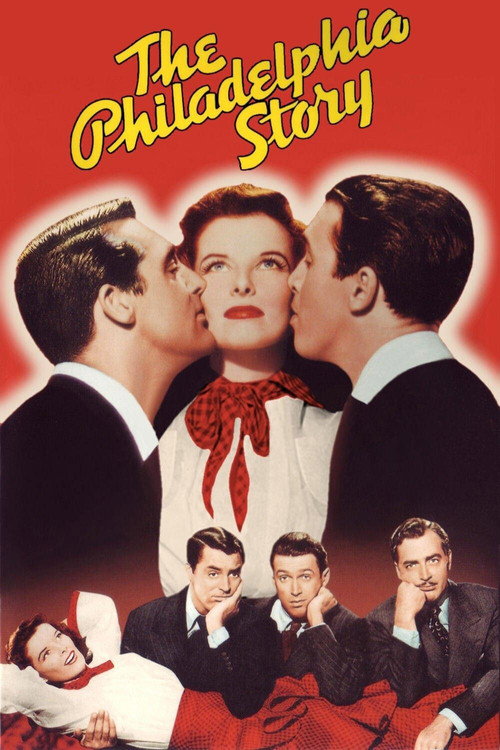
The Philadelphia Story1940
Not about newspapers, but the same energy: fast dialogue, a cynical reporter (James Stewart) tangled up with his ex-wife (Katharine Hepburn), champagne and schemes. Romance and comedy and the pleasure of watching smart people talk.
But It's lighter and slighter than The Front Page. If you want real stakes and moral questions, this is elegant fluff about rich people.
The Killing1956
Both are about a plan coming together through discipline and luck, told through overlapping scenes of ordinary people doing specific jobs. But one is a comedy about men who care, the other is a tragedy about men who don't.
Stanley Kubrick's debut: a heist film told in fragments, with the same rapid assembly of small scenes building to a scheme. The procedural logic, the way competence and chance collide, the ensemble cast each playing their angle. Different world, same structure.
But It's cold and technical. No heroes, just operators. If you watch The Front Page for the humanity and the laughs, this will feel like watching a watch being taken apart.

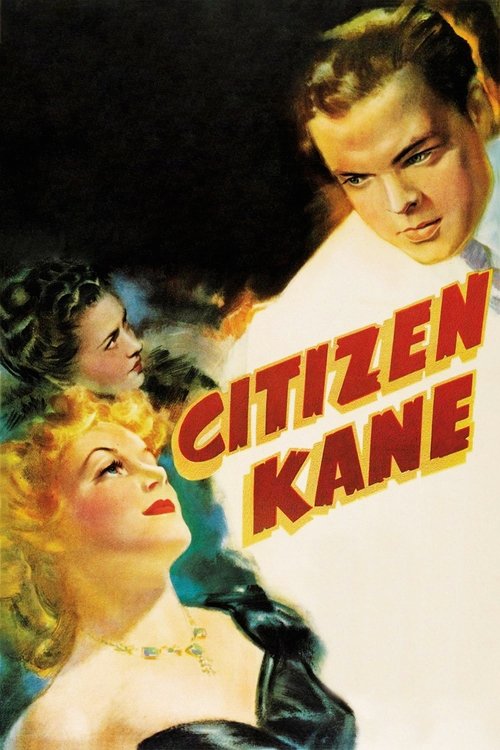
Citizen Kane1941
Both are obsessed with the machinery of the press and what it does to people. Welles shows you the owner; The Front Page shows you the editor. One says power corrupts, the other says ambition is human and complicated.
Orson Welles investigating a newspaper empire from the inside. It's a different angle—the power behind the press rather than the people in it—but it shares The Front Page's fascination with how reputations are made and sold. Formal innovation wrapped in a story about ambition.
But It's a monument, which can feel like a lecture. The formal trickery sometimes obscures rather than clarifies. If you want warmth and humour, this is intellectual and cold.
People
Cast
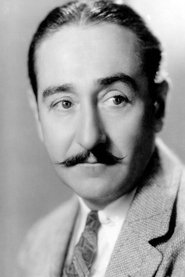 Adolphe MenjouWalter Burns
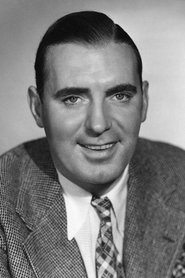 Pat O'BrienHildy Johnson
 Mary BrianPeggy Grant
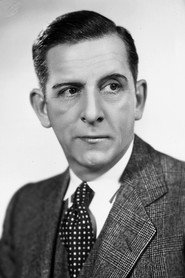 Edward Everett HortonBensinger
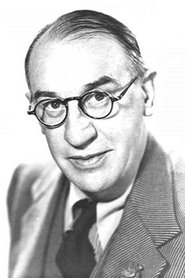 Walter CatlettMurphy
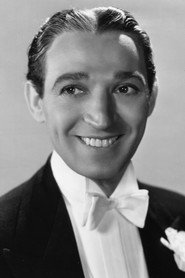 George E. StoneEarl Williams
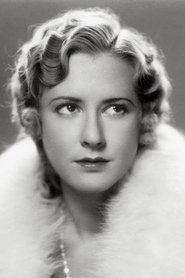 Mae ClarkeMolly
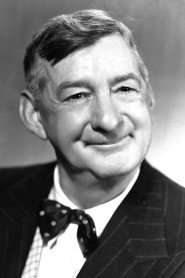 Slim SummervillePincus
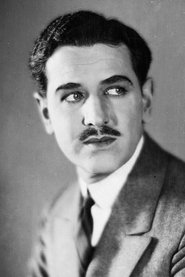 Matt MooreKruger
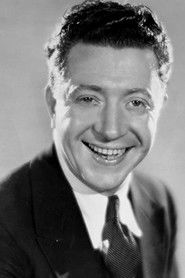 Frank McHughMcCue
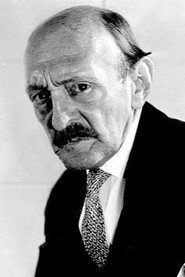 Clarence WilsonSheriff Hartman
- Fred HowardSchwartz
Directing
- Nate WattAssistant Director
- Lewis MilestoneDirector
Writing
- Bartlett CormackAdaptation
- Ben HechtWriter
- Charles MacArthurWriter
Production
- Howard HughesProducer
- Lewis MilestoneProducer
- Charles StallingsProduction Manager
Recommended by
Nothing Sacred, Bombshell, Reckless, After Office Hours, Scandal Sheet, Merrily We Live, Sky Devils