
Film
After Office Hours
A brisk 1935 screwball that pairs Clark Gable's cynical editor with Constance Bennett's society reporter in a murder investigation that's really an excuse for banter and deception. It's fleet, charming, and lightly comedic—the kind of film that treats crime as a pretext for two smart people to spar. Perfect if you want Old Hollywood glamour without the weight.
Should you watch it?
Watch it if you enjoy quick 1930s newsroom banter, where a glamorous, sharp-tongued heroine and fast talk carry a murder plot along lightly and keep it bright.
Skip it if you want a tense, suspenseful thriller, since the mystery is a light backdrop to romance and wisecracks rather than something to grip you.
What it asks of you: Little of your attention beyond keeping up with the quick back-and-forth; at barely over an hour, it moves briskly and never lingers on its darker corners.
Not sure? Find tonight's pick in a minute.
If you liked this
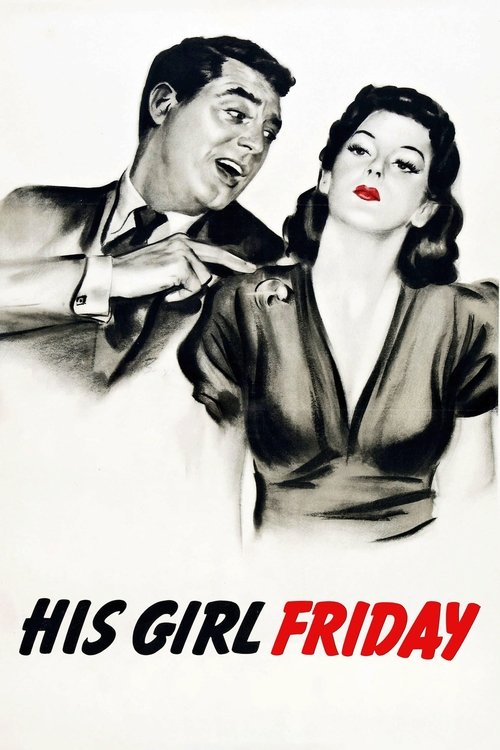
His Girl Friday1940
The definitive newspaper comedy: faster, sharper, and built entirely on the electricity between Cary Grant and Rosalind Russell. If you liked the editor-reporter dynamic in After Office Hours, this perfects it.
But The rapid-fire dialogue is genuinely exhausting if you're not in the mood for constant verbal sparring. Some find it dated or male-gazey.
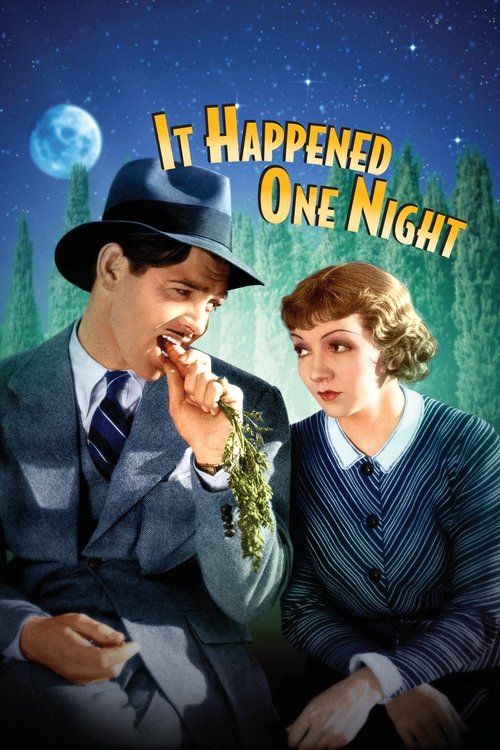
It Happened One Night1934
Gable again, this time with Claudette Colbert, in the film that basically invented the romantic screwball formula. Chemistry, wit, and a road trip that never stops moving.
But The class dynamics feel uncomfortable now in places. Also, if you don't buy their bickering as foreplay, the whole thing collapses.
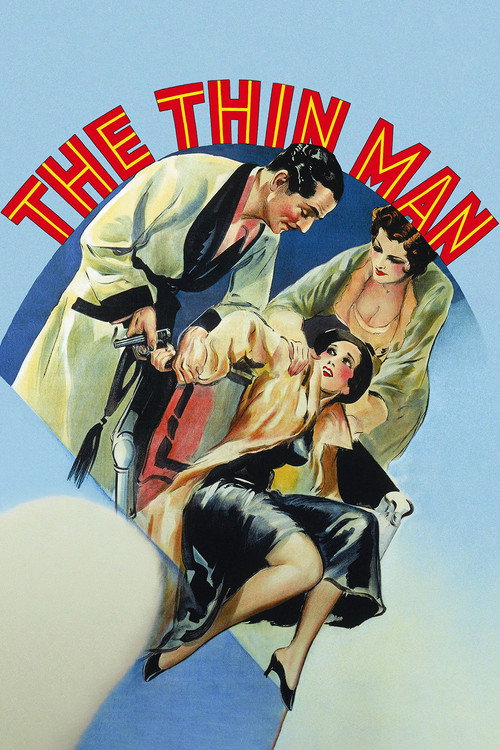
The Thin Man1934
William Powell and Myrna Loy investigating a murder while getting progressively drunk and flirting. It's funny, adult, and proves that crime plots are just vehicles for great dialogue and chemistry.
But The mystery itself is almost irrelevant. If you want a proper whodunit, you'll be disappointed.
Not sure tonight? Get a pick in a minute, starting from After Office Hours
The wildcard
Something you would not have found on your own.
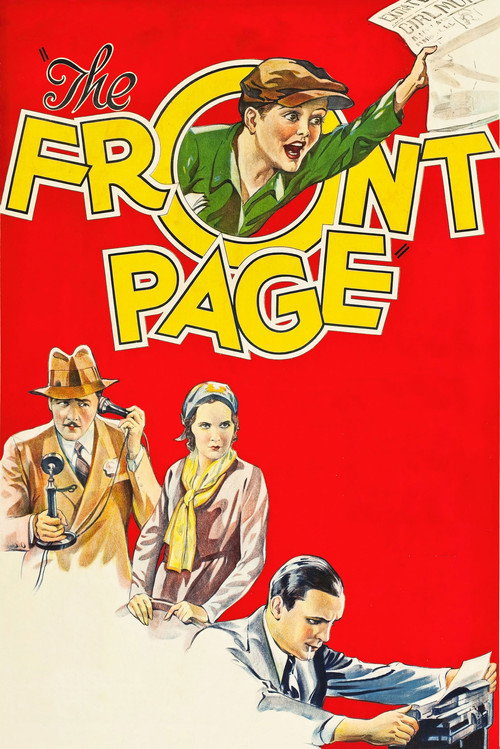
The Front Page1931
The spiritual ancestor: the film that established the tough-talking editor, the scheming reporter, and the murder plot as excuse for repartee and deception.
The original newspaper-world screwball, which After Office Hours learned from. Streetwise, profane, and faster than anything else from 1931—Adolphe Menjou and Pat O'Brien are magnificent.
But It's denser and darker than the 1935 film, with harder edges and a cynicism about journalism that can feel grim. The pacing assumes you're keeping up.
More like this (8)
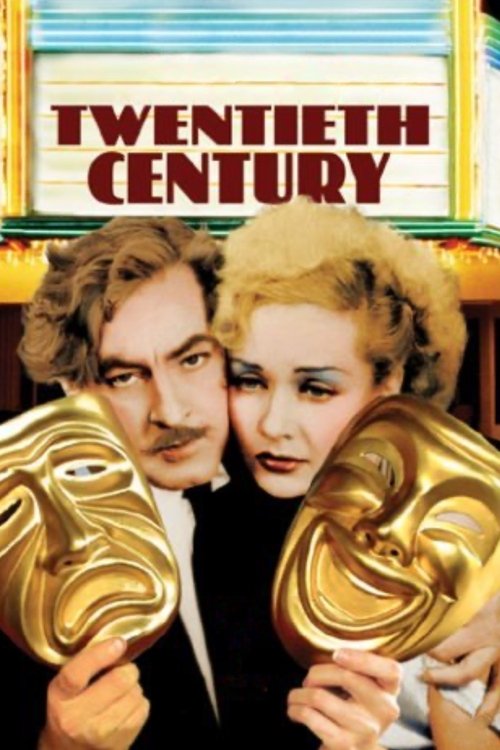
Twentieth Century1934
John Barrymore and Carole Lombard on a train, scheming and performing for each other. Peak screwball energy—theatrical, farcical, genuinely hilarious.
But It's all surface and charm. No depth, no stakes that matter. Some find it shallow.
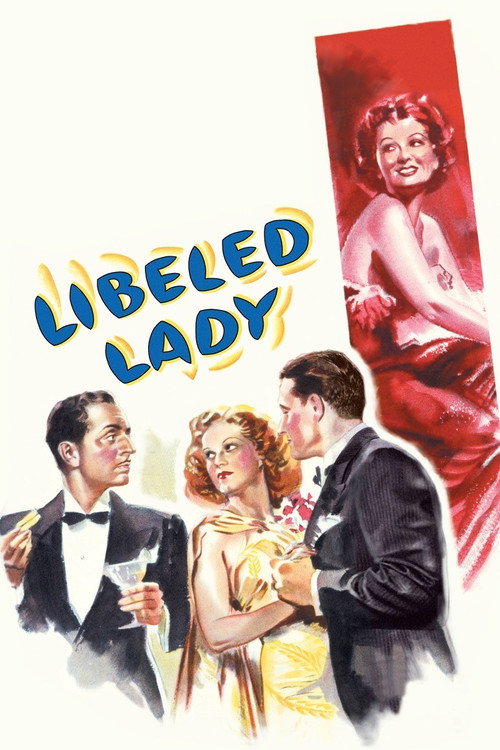
Libeled Lady1936
William Powell, Jean Harlow, Spencer Tracy, and Myrna Loy tangled in a plot that barely holds together but doesn't need to. Elegant, fast, and wickedly funny.
But The plot is nonsensical and the humor depends on a kind of romantic cruelty that won't land if you're in the wrong mood.
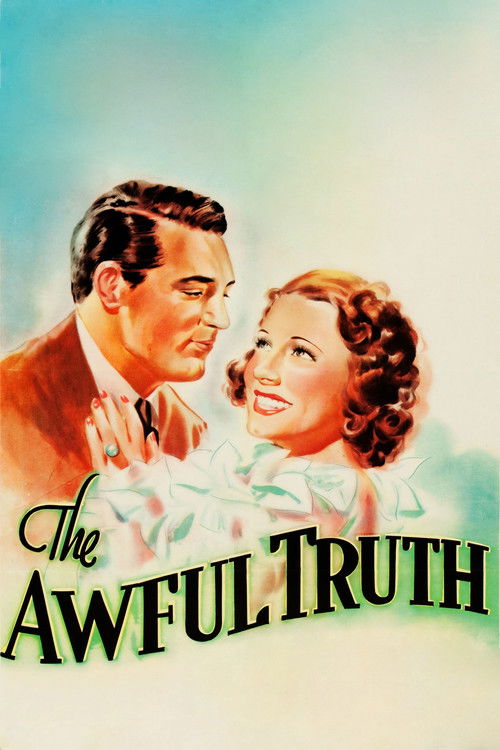
The Awful Truth1937
Cary Grant and Irene Dunne divorcing then trying to sabotage each other's new relationships. Leo the dog steals every scene. Pure, effervescent joy.
But It's entirely about people behaving badly and being rewarded for it. If you want characters you respect, look elsewhere.
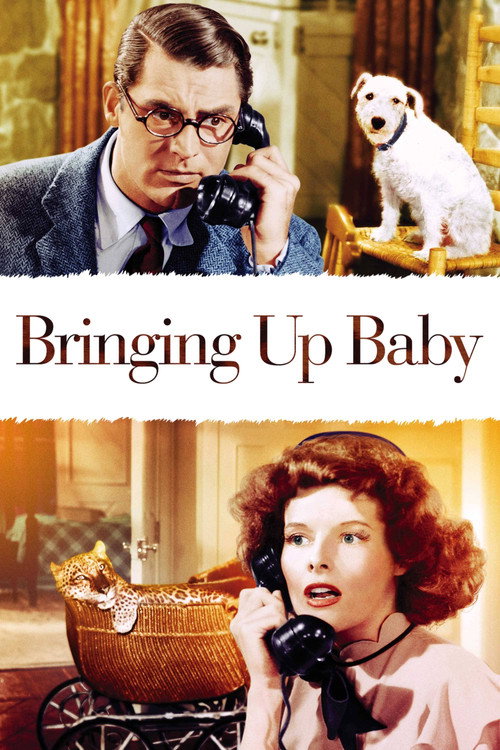
Bringing Up Baby1938
Cary Grant and Katharine Hepburn chasing a leopard and falling in love through chaos. The screwball at its most anarchic and inventive. Essential viewing.
But The pacing is relentless and the logic is dream-logic. If you need things to make sense, you'll hit a wall.
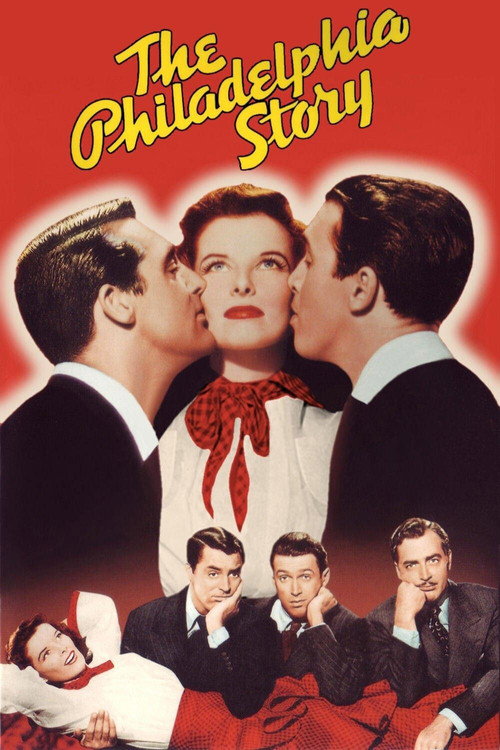
The Philadelphia Story1940
Cary Grant, James Stewart, and Katharine Hepburn in a marriage-and-journalism comedy of remarkable sophistication. Funny, romantic, and genuinely intelligent.
But It's been canonized to death and can feel overfamiliar. Also, its gender politics are dated in subtle ways.
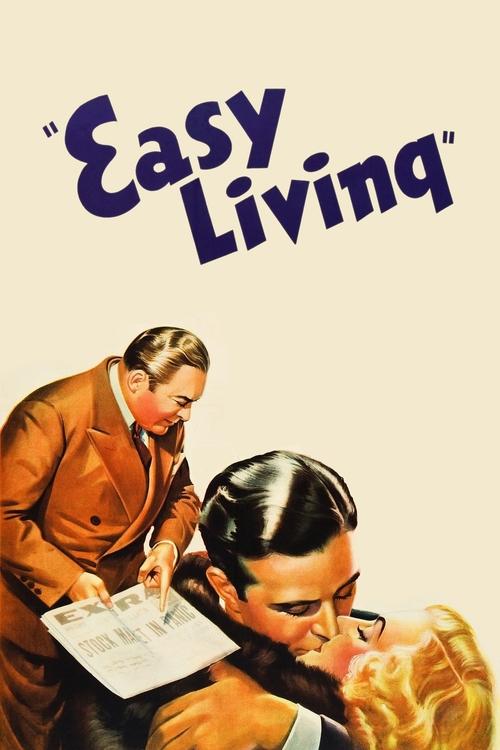
Easy Living1937
Jean Arthur inherits a fur coat and chaos ensues. A sweet, funny, underrated screwball with a real heart and a great ensemble.
But It's gentler and less sharp than its peers. Some find it slight.
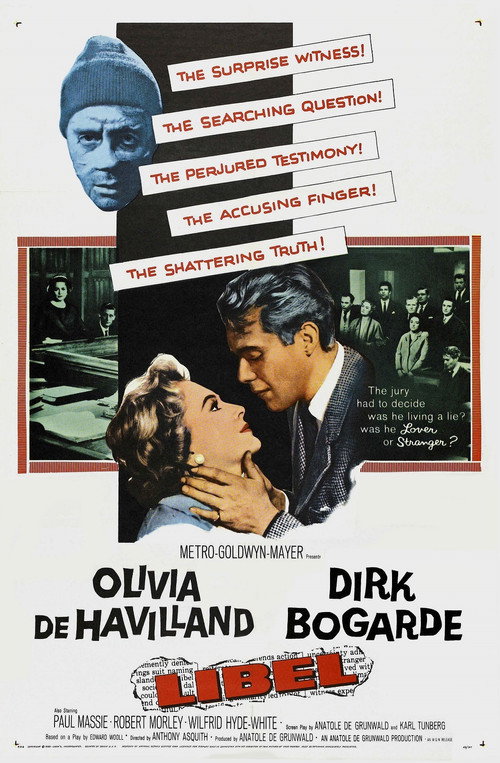
Libel1959
Same DNA: a superficially entertaining plot (murder, accusation) that's really a vehicle for smart dialogue and the pleasure of watching attractive people outwit each other. Just grown up and British.
A Dirk Bogarde courtroom drama about a man accused of being a wartime imposter. High-gloss British legal thriller that proves screwball's descendants went serious without losing elegance.
But It's ponderous where After Office Hours is fleet. The wit is subtle instead of snappy. Also nearly two and a half hours.
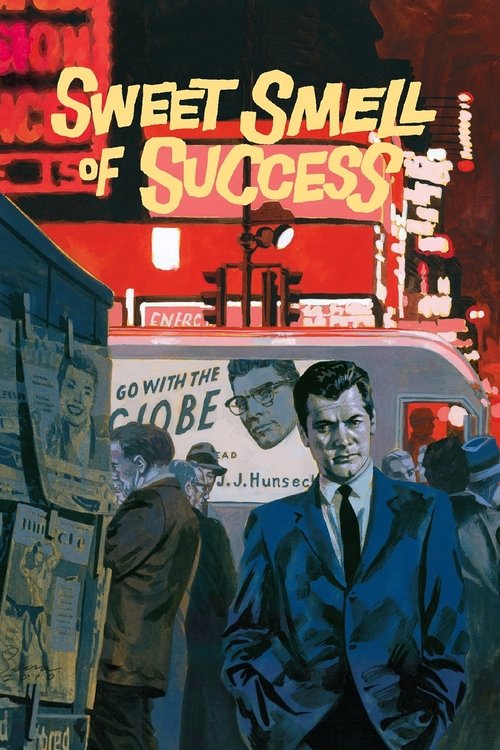
Sweet Smell of Success1957
Takes the newspaperman and the scheme and the acid dialogue, strips away the charm and the happy ending, and asks what screwball comedy looks like when nobody's actually good.
Burt Lancaster as a Broadway columnist, Tony Curtis as a hustler. The screwball's dark twin: all the wit and speed, none of the lightness. Crackling, nasty, hypnotic.
But It's pitch-black and cynical to an almost punishing degree. The 'romance' is a con. If you need warmth or hope, it will leave you cold.
People
Cast
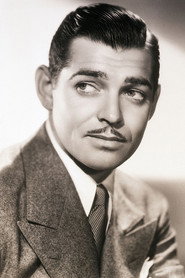 Clark GableJim Branch
 Constance BennettSharon Norwood
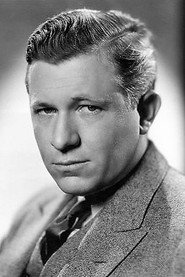 Stuart ErwinHank Parr
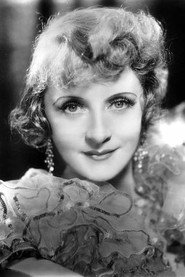 Billie BurkeMrs. Norwood
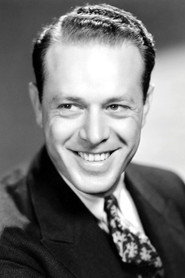 Harvey StephensTommy Bannister
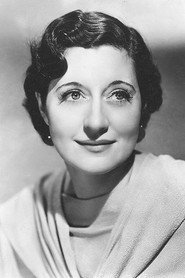 Katharine AlexanderJulia Patterson
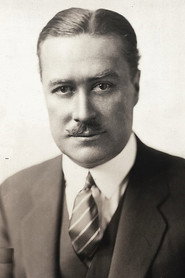 Hale HamiltonHenry King Patterson
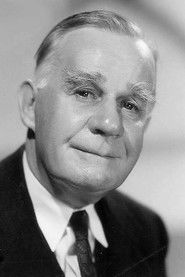
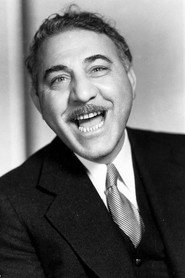 Henry ArmettaItalian Diner Owner
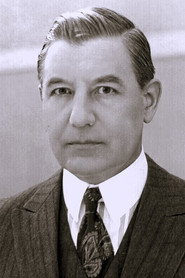 Charles RichmanJordan
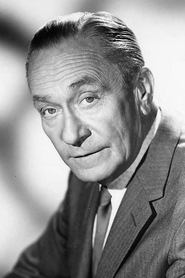 William DemarestPolice Detective (uncredited)
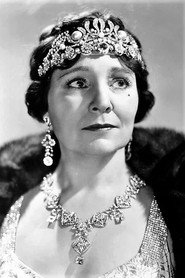 Margaret DumontMrs. Murchison (uncredited)
Directing
- Robert Z. LeonardDirector
Writing
- Herman J. MankiewiczScreenplay
- Dale Van EveryStory
- Laurence StallingsStory
Production
- Bernard H. HymanProducer
- Robert Z. LeonardProducer