
Film
Libel
A man convinced he's discovered an imposter baronet brings a libel case in 1950s London, unleashing a courtroom drama tangled with identity, war trauma, and the price of accusation. Bogarde carries twin roles with magnetic precision. It's a thinking person's thriller that trades spectacle for psychological intrigue and the grinding machinery of British justice.
If you liked this
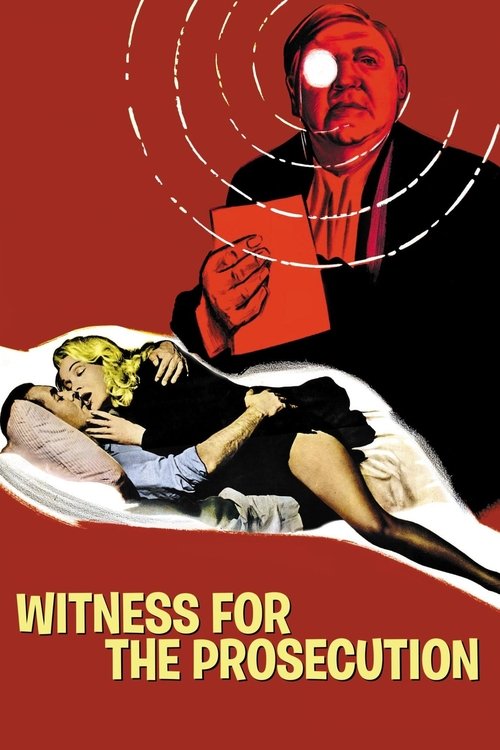
Witness for the Prosecution1957
Agatha Christie's courtroom masterpiece: a murder trial undone by a final twist that recontextualizes everything you've watched. Like Libel, it's a puzzle where the law itself becomes the stage, and secrets matter more than facts.
But The pacing is deliberate—this is a film that trusts silence and lets scenes breathe. If you need constant momentum, it'll feel slow.
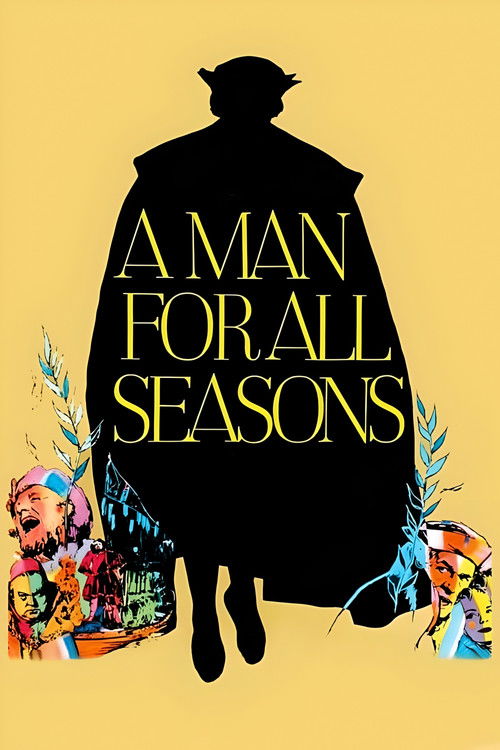
A Man for All Seasons1966
A trial of conscience disguised as a political drama. More dialogue than action, more ideas than plot—a man's integrity measured against institutional power. Both films ask what happens when one person stands alone against the weight of law and society.
But The moral stakes are perhaps too clear; the film knows which side you should be on. Some find it didactic rather than ambiguous.
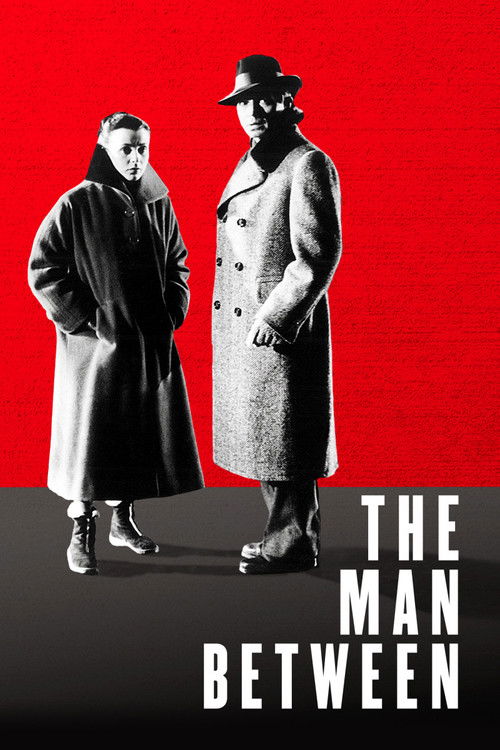
The Man Between1953
Bogarde in Cold War Berlin, caught between two worlds and two loyalties. Like Libel, it's a noir-tinged character study where identity itself becomes compromised, and trust is a luxury nobody can afford.
But It's understated to the point of opacity in places. The plot meanders; you have to want to sit with moral ambiguity rather than resolve.
Not sure tonight? Get a pick in a minute, starting from Libel
The wildcard
Something you would not have found on your own.
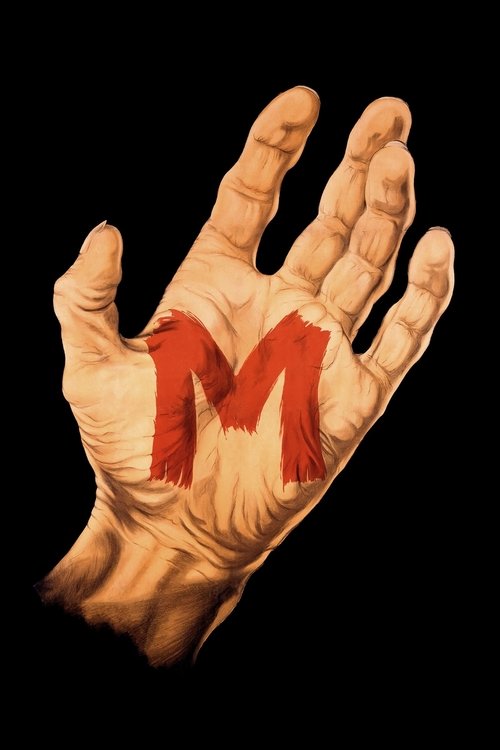
M1931
Both use legal and investigative machinery to explore how we determine guilt when perception itself is unreliable. Neither film trusts simple answers.
Fritz Lang's masterpiece about a city hunting a child murderer—a procedural told from multiple angles, where the camera's neutrality forces you to confront uncomfortable sympathies. Both films understand that truth emerges from competing testimonies, not certainty.
But It's German cinema from 1931, subtitled, and the subject matter is bleak without relief. No catharsis, only moral exhaustion.
More like this (8)
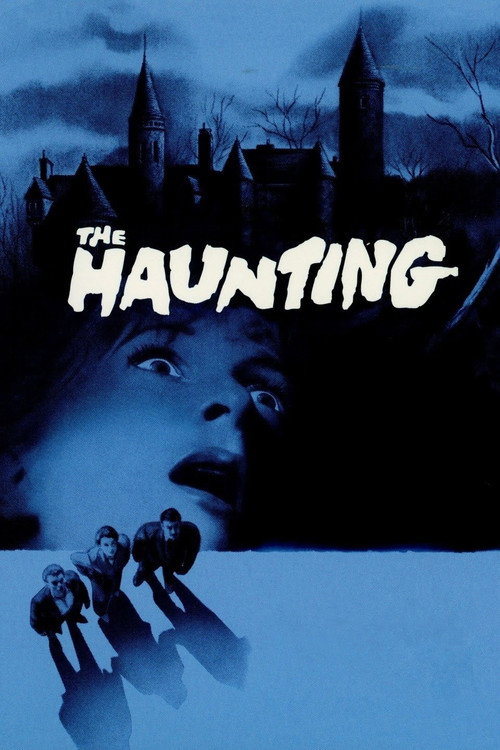
The Haunting1963
A psychological mystery where the real terror is internal: is the house haunted or is the protagonist unraveling? Shares Libel's interest in unreliable perception and the slippery nature of truth.
But It's a ghost story that may not deliver ghosts. The ambiguity infuriates people who want definitive answers.
Rope1948
Hitchcock's real-time locked-room thriller about two men and their secret, performed almost like a stage play. Tension builds from dialogue and moral pressure rather than action—much like the courtroom sequences in Libel.
But The gimmick of shooting in (nearly) continuous takes is visible and sometimes distracting. The staginess some love, others find claustrophobic.

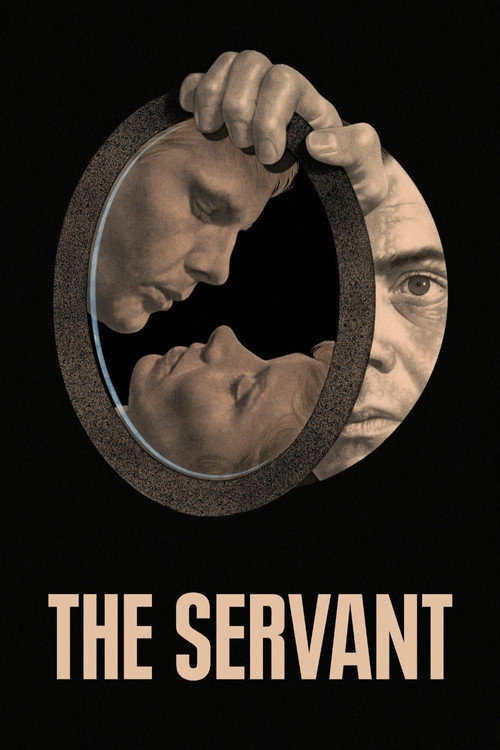
The Servant1963
Bogarde again, this time in a psychological power struggle where servant and master swap places and identities blur. A claustrophobic study of class, manipulation, and who really holds the upper hand.
But It's deliberately unsettling and offers no comfort. The ambiguous ending leaves many viewers feeling cheated rather than challenged.
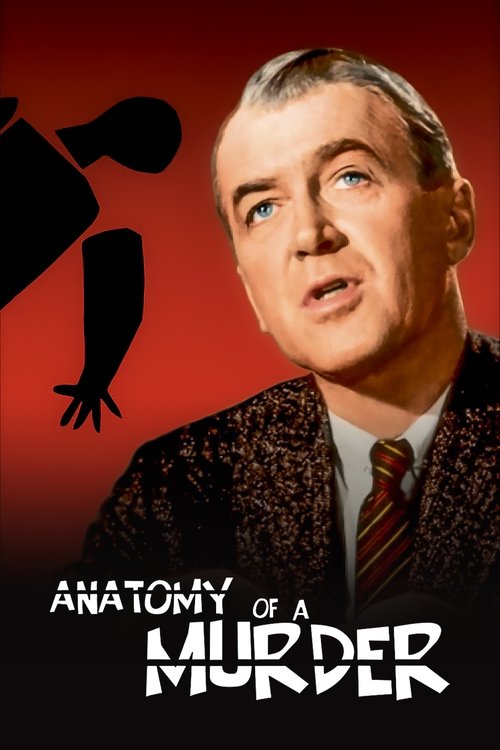
Anatomy of a Murder1959
Released the same year as Libel and equally fascinated by the courtroom as moral battleground. Lengthy, meticulous, and concerned with how truth is constructed rather than simply revealed.
But Nearly three hours of legal procedure. If you want dramatic crescendos rather than procedural detail, it's exhausting rather than gripping.
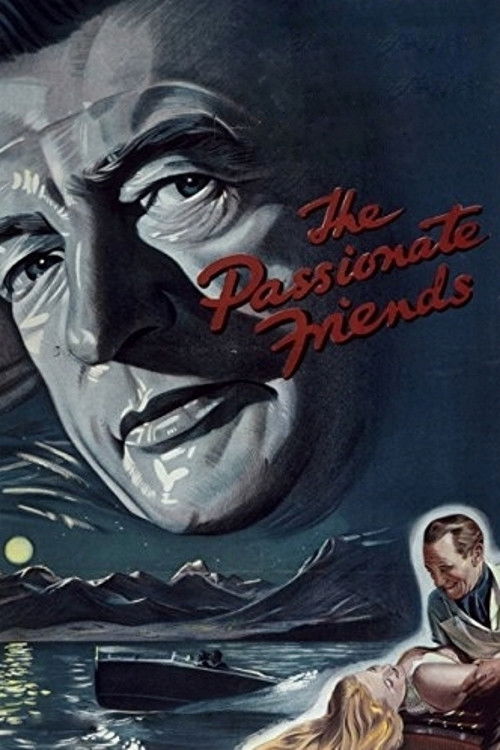
The Passionate Friends1949
A British domestic drama where an affair threatens a marriage and a man's social standing. Governs the same emotional terrain—respectability, secrets, and what people owe to society versus themselves.
But The melodrama underneath feels dated. Modern audiences often find the emotional restraint more frustrating than affecting.
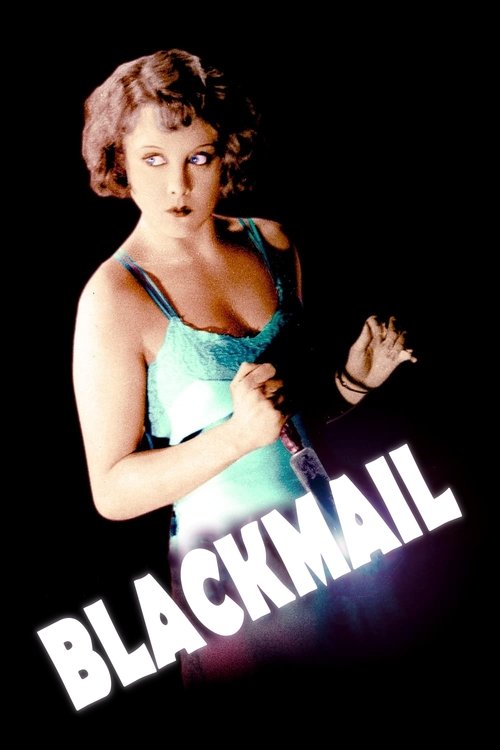
Blackmail1929
Hitchcock's first sound film about a woman blackmailed over a killing. Early cinema but electrically tense, driven entirely by secrets and the anxiety of exposure—the seed from which Libel's psychological thriller grows.
But It's nearly a century old and shows its age in pacing and technique. The special effects feel quaint, which some find charming and others find distracting.
The Third Man1949
Both films use a single accusation—a man is not who he claims—as the engine for everything. Both understand that once doubt is planted, certainty becomes impossible.
A man arrives in Vienna to find his old friend dead—or is he? A masterclass in how identity collapses under scrutiny. The great performances are invisible; the real actor is the city itself, paranoid and fragmented.
But The zither score is distracting to modern ears. The moral ambiguity extends to the ending, which some find unsatisfying rather than sophisticated.

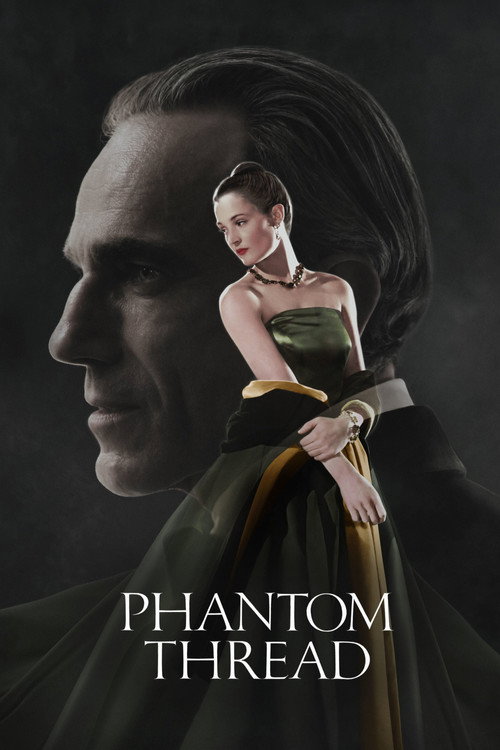
Phantom Thread2017
Both explore identity as performance and the terror of exposure. Both suggest that the carefully built self—the title, the reputation, the public face—is more fragile than we admit.
A contemporary film about a man of meticulously constructed identity threatened by a woman who sees through it. Paul Thomas Anderson transforms obsessive control into psychological drama. Like Libel, it's less interested in plot than in how people manufacture and defend false selves.
But It's glacially paced and the protagonist is deeply unsympathetic. If you need to like someone to invest in their story, this won't work.
People
Cast
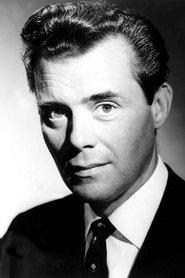 Dirk BogardeSir Mark Loddon / Frank Welney / Number Fifteen
 Olivia de HavillandLady Margaret Anne Loddon
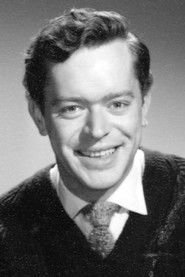 Paul MassieJeffrey Buckenham
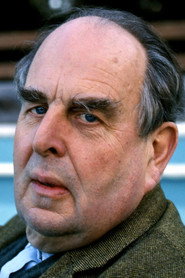 Robert MorleySir Wilfred
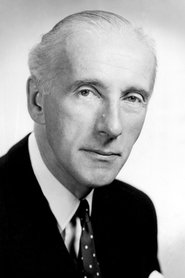 Wilfrid Hyde-WhiteHubert Foxley
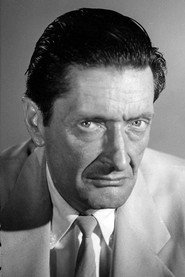 Anthony DawsonGerald Loddon
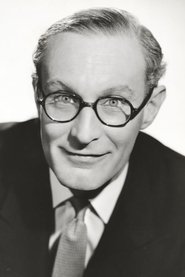 Richard WattisThe Judge
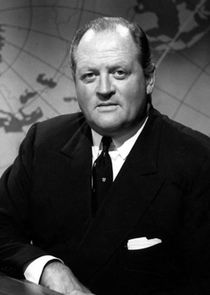 Richard DimblebyHimself
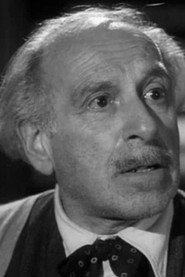 Martin MillerDr. Schrott
 Millicent MartinMaisie
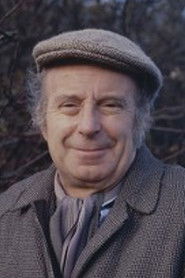 Toke TownleyAssociate
- Deering WellsEditor
Directing
- David MiddlemasAssistant Director
- Anthony AsquithDirector
Writing
- Edward WoollOriginal Story
- Anatole de GrunwaldScreenplay
- Karl TunbergScreenplay
Production
- Pierre RouveAssociate Producer
- Irene HowardCasting
- Roy ParkinsonExecutive In Charge Of Production
- Anatole de GrunwaldProducer