
Film
Blackmail
Other titles called Blackmail: the 2018 film.
Hitchcock's first talkie is a sleek London thriller about a young woman coerced into silence after a terrible night with a charming stranger. It pivots on blackmail, class anxiety, and the terror of exposure—shot with visual wit that makes dialogue feel almost optional. Essential viewing for anyone curious how cinema learned to speak.
Should you watch it?
Watch it if you are fascinated by how a director wrings suspense from a quiet, uneasy domestic dilemma, and you are curious to see sound cinema still finding its nerve.
Skip it if you want brisk pacing and modern performance styles, since the acting is stagey and the opening stretches out before the tension properly tightens.
What it asks of you: Roughly eighty-six minutes of unhurried setup, with silent-film staging still lingering beside early sound dialogue, so you need patience for both the pictures and the talk.
Not sure? Find tonight's pick in a minute.
If you liked this
Rope1948
Hitchcock's most technically audacious chamber piece: two killers, one apartment, ninety minutes of real time, and a camera that almost never cuts. Suffocating, brilliant, and proof that constraint breeds invention.
But The dialogue can feel mannered and the central conceit—perfect timing for an unbroken take—occasionally shows its seams. A demonstration of technique that sometimes outweighs character.

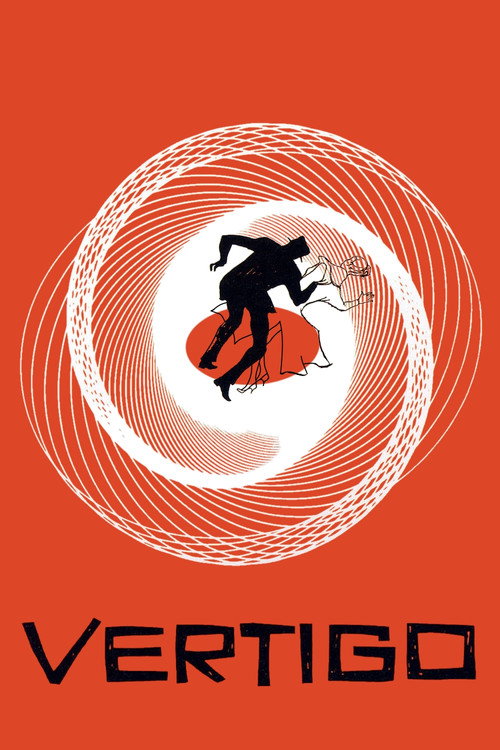
Vertigo1958
Hitchcock's most obsessive film: a man becomes dangerously fixated on recreating a lost woman. Visually hypnotic, psychologically complex, and it rewards multiple viewings as its own themes about obsession and cinema itself click into place.
But It moves slowly and asks you to sit with discomfort rather than resolve it cleanly. The central twist, once known, changes how you watch it—and some find that diminishing.
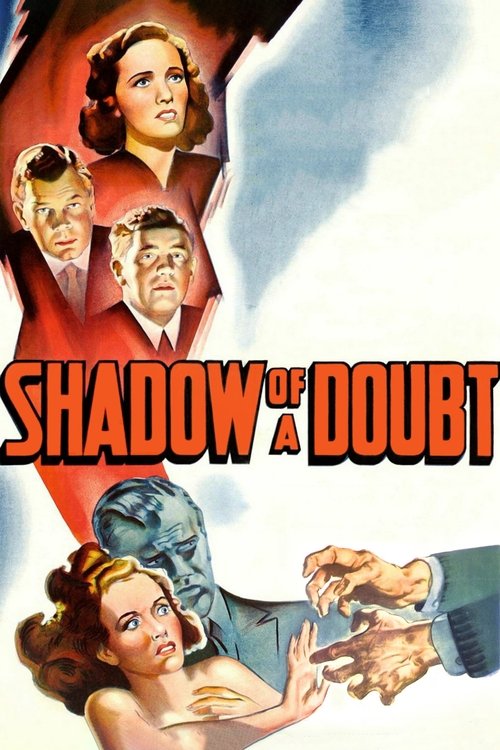
Shadow of a Doubt1943
Hitchcock called this his personal favourite. A serial killer returns to his small hometown and befriends his adoring niece. The horror comes from intimacy and trust shattered, not from jump scares. Deeply American and deeply sad.
But Its pacing is deliberate in the American small-town manner. If you want propulsive thriller beats, you'll find the first act slow.
Not sure tonight? Get a pick in a minute, starting from Blackmail
The wildcard
Something you would not have found on your own.
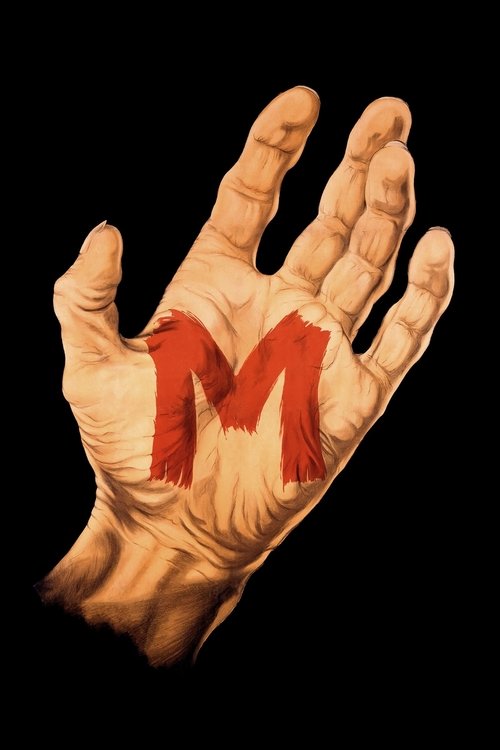
M1931
Both are early sound thrillers using voice and audio as weapons. Both pivot on blackmail and the terror of exposure. Both are about how civilization cracks when ordinary people are pushed.
Fritz Lang's masterpiece about the manhunt for a child murderer in Weimar Berlin. Shot with documentary urgency and moral complexity that Blackmail only hints at. A city turning on itself, suspicion as contagion, language as evidence. Essential.
But It's German Expressionism in its most severe form—shadowed, harsh, psychologically brutal. Also nearly two hours of mounting dread without catharsis.
More like this (8)
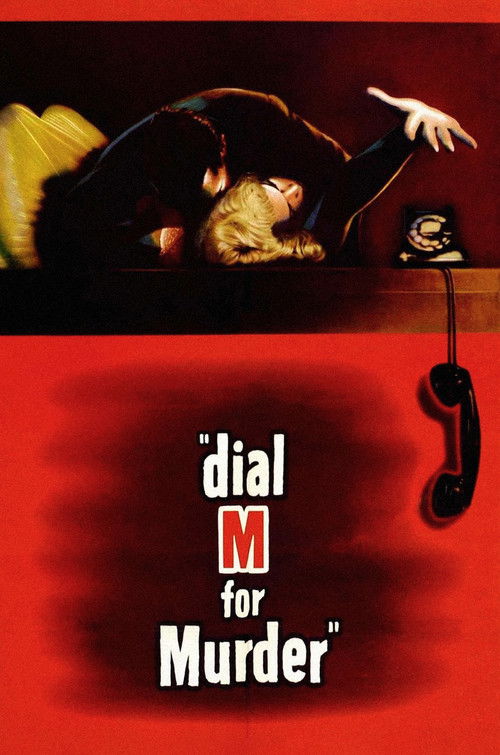
Dial M for Murder1954
A brilliant locked-room mystery about a husband plotting his wife's murder. Stagey and ingenious in equal measure, constructed like a Swiss watch and played with dark comedy. Full of Hitchcock's best mechanical plotting.
But It was shot in 3D for theatrical release and some moments feel composed for that gimmick. Also quite stage-bound—three rooms and a lot of talk.
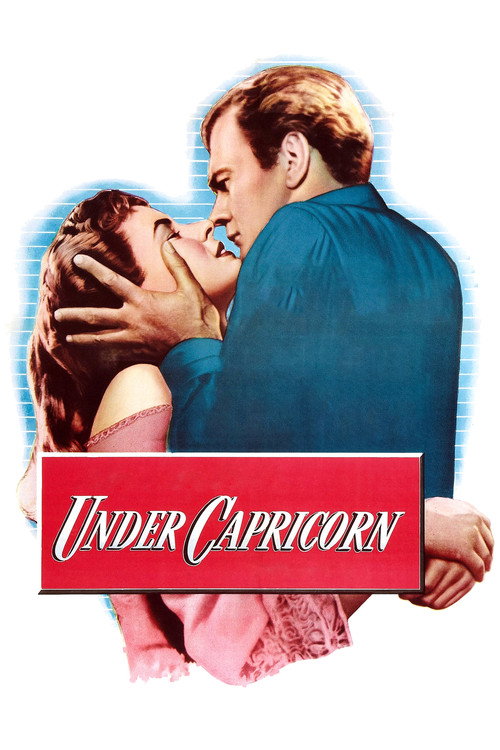
Under Capricorn1949
Hitchcock in Australia, making a Gothic psychodrama about a woman trapped in a loveless marriage with a man haunted by past violence. Visual and emotional rather than plot-driven; strange and rewarding.
But It's baroque and slow and doesn't resolve the way a thriller usually does. Some find it overwrought; others see that as precisely the point.
The Lodger: A Story of the London Fog1927
Hitchcock's first feature (before Blackmail). A mysterious lodger, a serial killer loose in London, and pure visual storytelling—all suspense conveyed through image rather than title cards. The DNA of everything he'd later perfect.
But It's silent, which means you're reading as much as watching. No dialogue to carry exposition. Requires attention.

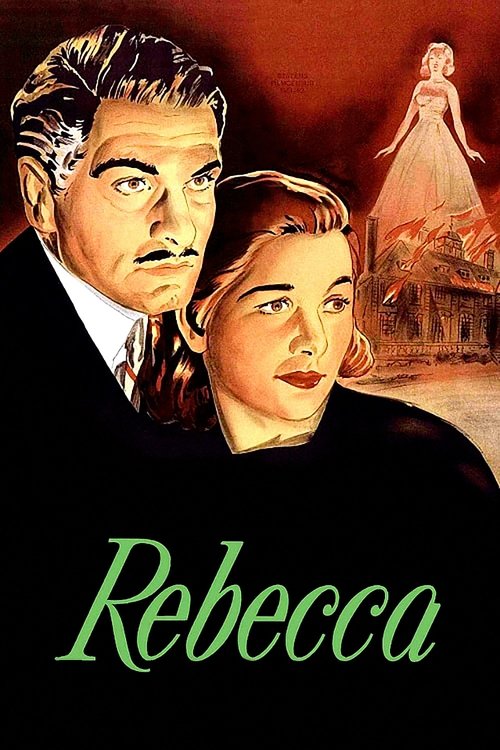
Rebecca1940
Hitchcock's only Best Picture winner. A new bride enters her husband's grand house haunted by the memory of his first wife. Gothic, romantic, psychologically intricate, with one of cinema's great opening monologues.
But The second half can feel baggy compared to the mounting dread of the first. Also steeped in a particular vision of class and femininity that doesn't always hold up.
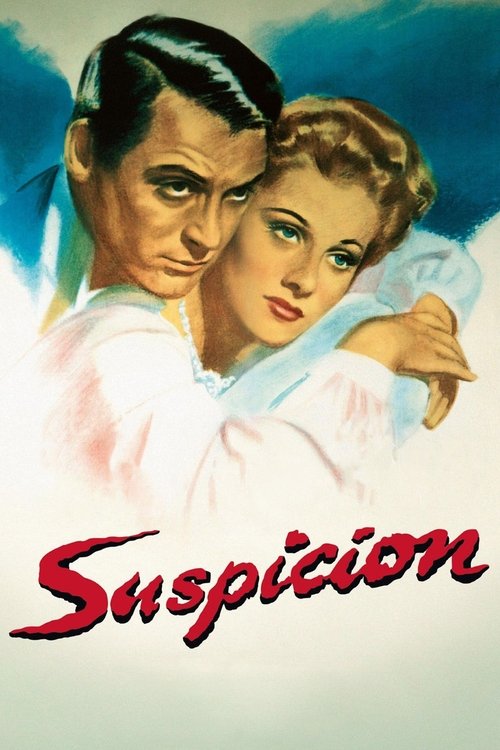
Suspicion1941
Cary Grant as a charming man a wife slowly comes to suspect of murder. Paranoia and intimacy tangled together. Grant against type and the chemistry is electric, the ending genuinely bold for its era.
But The studio forced a compromise ending that undercuts the film's own logic. It's still worth watching, but you'll feel the hand of the censors in the final act.
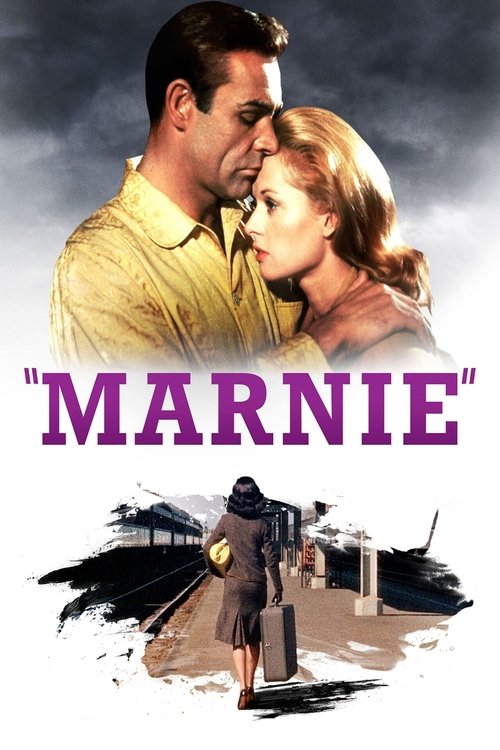
Marnie1964
Tippi Hedren as a compulsive thief and liar, pursued by Sean Connery in a role that's psychologically dark and weirdly erotic. Color cinematography, a deep dive into trauma and control, Hitchcock at his most baroque.
But The sexual politics are murky by design—a man 'healing' a woman through obsession. Also, the rear projection is noticeable and the premise hangs on outdated psychology.
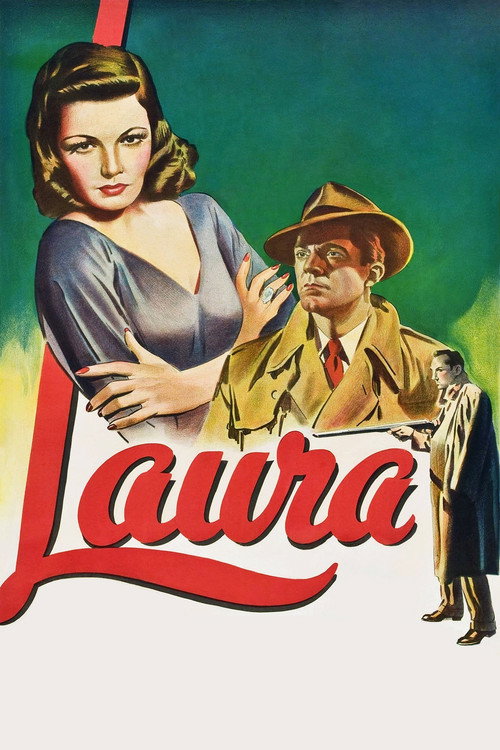
Laura1944
Like Blackmail, it's about a man and woman bound by secrecy and unspoken desire. Both use their era's visual language—shadow, light, framing—to convey the unsayable. Both understand that the camera can accuse.
Otto Preminger's geometric noir about a detective falling for the portrait of a dead woman. All style and suggestion—the opposite of exposition-heavy. A mystery that's really about obsession and the stories we tell ourselves about strangers.
But The plot is secondary to mood and cinematography. If you want a tightly wound thriller with clear stakes, you'll find it frustratingly oblique.
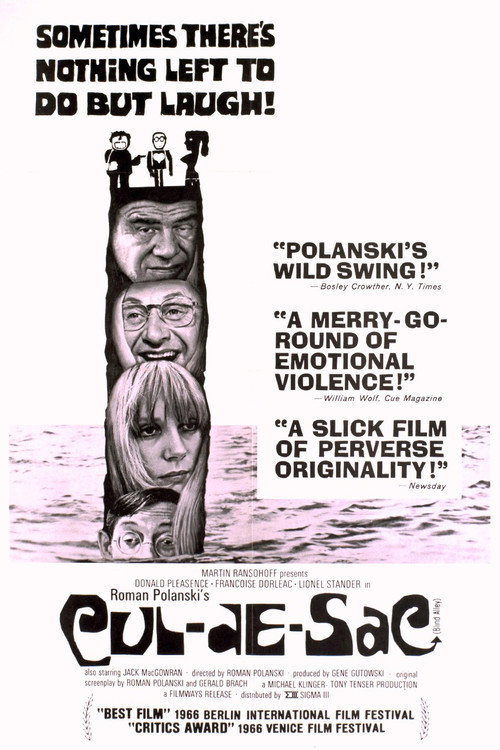
Cul-de-sac1966
Both trap characters in rooms and force moral compromise through proximity and shame. Both understand that the worst threat often comes from civility cracking, from the polite mask slipping. Both use location—a space—as a character itself.
Roman Polanski's queasy one-location thriller about a couple and two criminals trapped together by circumstance and tide. Darkly funny, psychologically vicious, and utterly unpredictable. Cinema as a pressure cooker.
But It's bleak and nasty in ways that don't resolve comfortably. Also deliberately artificial—a stageplay filmed with Kafkaesque anxiety rather than naturalism.
People
Cast
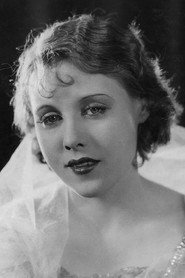 Anny OndraAlice White
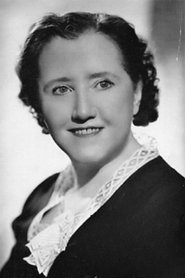 Sara AllgoodMrs. White
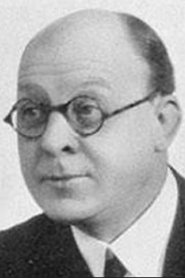 Charles PatonMr. White
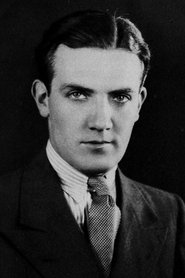 John LongdenDetective Frank Webber
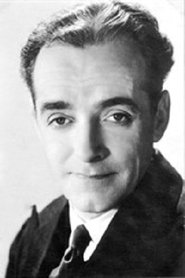 Donald CalthropTracy
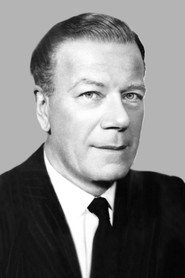 Cyril RitchardThe Artist
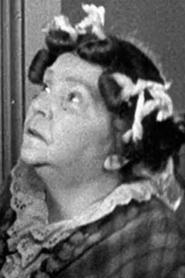 Hannah JonesThe Landlady
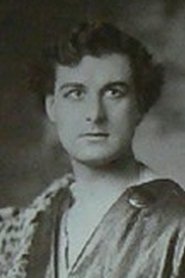 Harvey BrabanThe Chief Inspector
- Ex-Det. Sergt. BishopThe Detective Sergeant
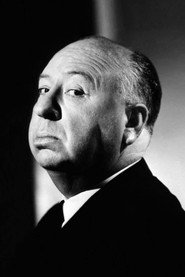 Alfred HitchcockMan on Subway (uncredited)
- Johnny AshbyBoy (uncredited)
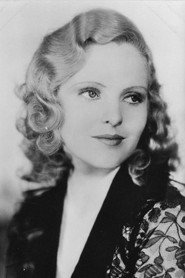 Joan BarryAlice White (voice) (uncredited)
Directing
- Frank MillsAssistant Director
- Alfred HitchcockDirector
Writing
- Benn W. LevyDialogue
- Alfred HitchcockScreenplay
- Charles BennettTheatre Play
- Michael PowellWriter
Production
- John MaxwellProducer
Recommended by
Footlight Parade, Body and Soul, The Prince and the Pauper, Backroads, Aurangzeb, Swing You Sinners!, A Cottage on Dartmoor, Henry VIII and His Six Wives, Trip to Mars, Palmy Days, Spanish Eyes, The Ticket of Leave Man, Suspense, An Unseen Enemy, Libel