
Film
Suspense
Other titles called Suspense: the 1946 film, the 1949 series (CBS), the 1962 series (BBC One).
A 1913 silent film where a mother and baby are trapped in an isolated house with an intruder closing in. Directed by and starring Lois Weber, this eleven-minute thriller moves with remarkable speed and ingenuity, building genuine dread through editing, performance, and clever use of domestic space. Essential viewing for anyone curious about how cinema learned to frighten.
Should you watch it?
Watch it if you love early silent cinema where a single trapped situation is built through tight cutting, rising dread and the raw inventiveness of a filmmaker discovering what the camera can do.
Skip it if you need modern pacing, sound, or fully developed characters, since this eleven-minute silent piece runs on pure suspense and its figures are sketched rather than explored.
What it asks of you: Eleven minutes of silent footage, so it asks for almost no time but full attention to visual cues, with intertitles and a tension that builds without any dialogue to lean on.
Not sure? Find tonight's pick in a minute.
If you liked this
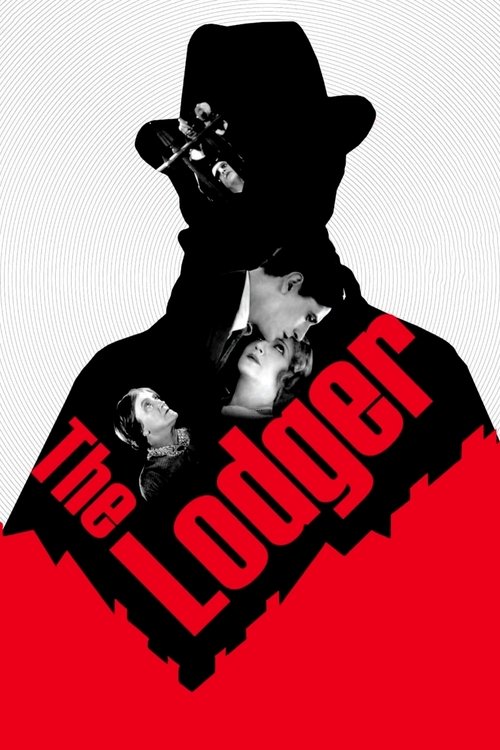
The Lodger: A Story of the London Fog1927
Hitchcock's first thriller, equally concerned with suspicion and cinema itself. A lodger may be a murderer; the film twists every shadow and staircase into threat. Silent filmmaking at its most inventive.
But The pacing is deliberate in ways that ask patience. Some moments feel stagy compared to later thrillers.
Nosferatu1922
German Expressionism meets vampire horror in this hypnotic, visually stunning nightmare. The creature is unforgettable; the atmosphere of dread never lifts. Proof that silent horror can be genuinely terrifying.
But The print quality varies wildly depending on which version you find. The slowness of early cinema may frustrate those used to modern pacing.

The Phantom Carriage1921
A Swedish masterpiece about a man given one night to see how his cruelty haunted those he loved. Spiritually profound and cinematically inventive, with genuine scares and real emotional weight beneath the supernatural trappings.
But It's somber and morally serious in ways that can feel heavy. Not a film for escapism—it demands something from you.

Not sure tonight? Get a pick in a minute, starting from Suspense
The wildcard
Something you would not have found on your own.
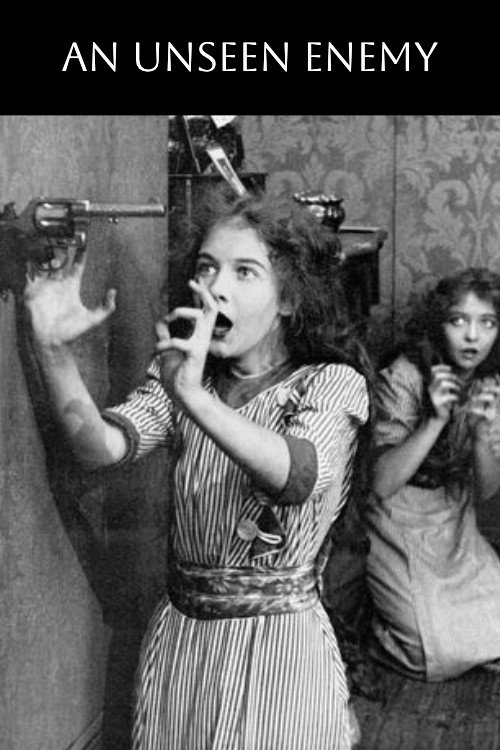
An Unseen Enemy1912
Both are one-reelers built on a single siege scenario; both trust editing and composition over plot to generate terror. Suspense may be answering or improving Griffith's template.
D.W. Griffith's one-reel thriller about two sisters besieged in their home. It predates Suspense and may have influenced it—proof that the home-invasion panic was already cinema's obsession. A direct ancestor watching its descendant.
But At ten minutes, it's even more compressed than Suspense. The surviving print is degraded and hard to read; you need to work to follow it.
More like this (8)
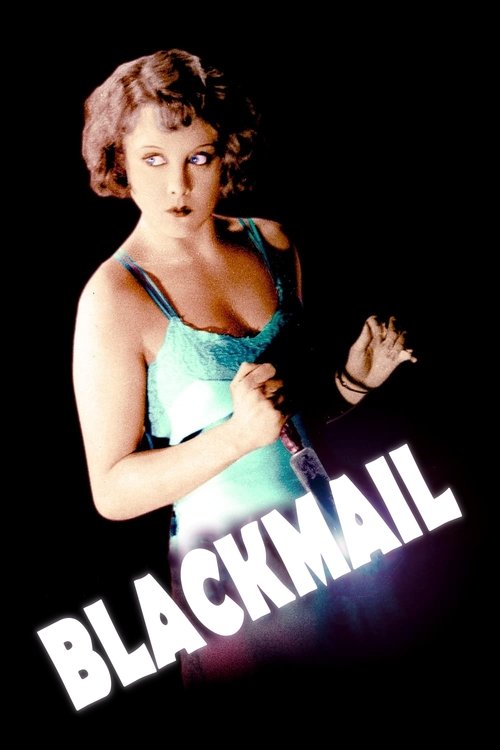
Blackmail1929
Hitchcock's first talkie, but the thrills come from silent cinema technique. A woman blackmailed after defending herself builds tension through ordinary London locations and the fear of exposure. Shockingly modern in its psychology.
But The dialogue scenes feel primitive compared to the silent sequences. Some dated attitudes toward women creep in, though the film itself complicates them.
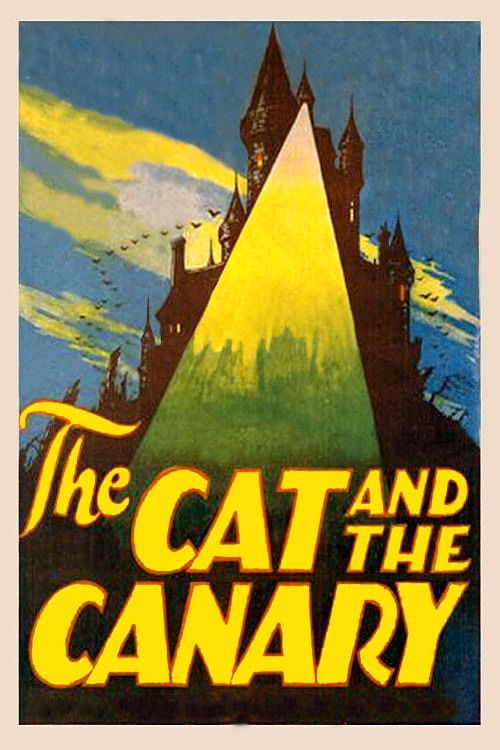
The Cat and the Canary1927
A comedy-thriller about heirs trapped in a spooky mansion, waiting to learn who inherits. Paul Leni's direction is playful and visual; it moves fast and knows when to laugh at itself. Pure entertainment that invented the house-of-secrets trope.
But The humor is of its era and not everyone's taste. The plot mechanics are silly if you're in the wrong mood for them.
Pandora's Box1929
A woman of dangerous charisma leaves destruction in her wake across Weimar Berlin. Louise Brooks is mesmerizing; Pabst's direction is sensual and morally unflinching. The film moves like a thriller even as it studies desire and consequence.
But It's sexually frank for 1929 and morally gray in ways that can be unsettling. The ending is bleak—this is not a comforting film.

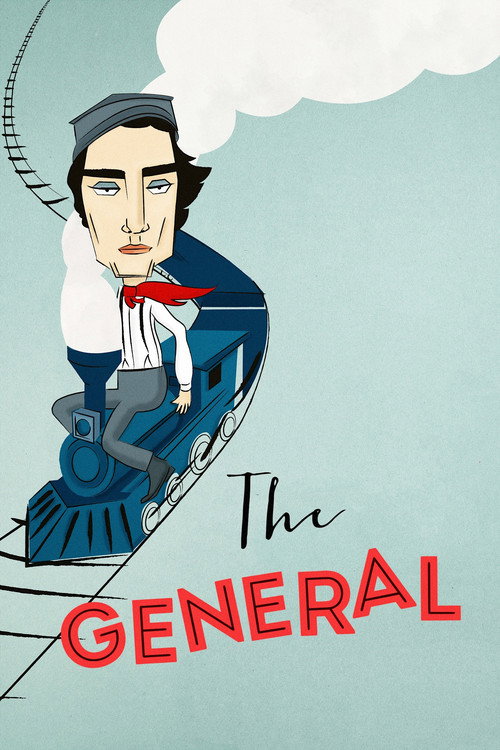
The General1926
Buster Keaton as a Confederate engineer pursuing a stolen locomotive. It's a comedy, but structured like a chase thriller with genuine stakes and remarkable stunts. The pace is relentless; the visual storytelling is flawless.
But The Civil War context is uncomfortable and never interrogated. If you need humor spelled out, Keaton's deadpan won't land.
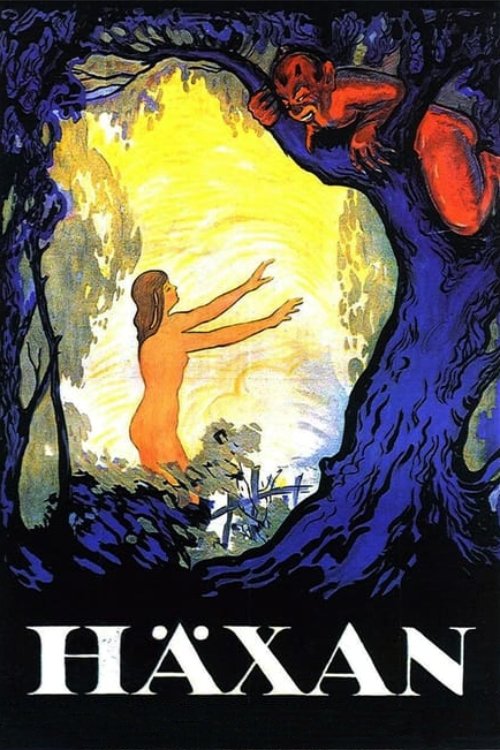
Häxan1922
A documentary-fantasia about witchcraft that recreates medieval torture and demonic possession with horrifying detail. Visually inventive and genuinely disturbing, it blurs fact and nightmare in ways that feel genuinely modern and transgressive.
But It's graphic in its depiction of violence and suffering. The theories about witchcraft are dated, though the film's attitude toward them is skeptical.
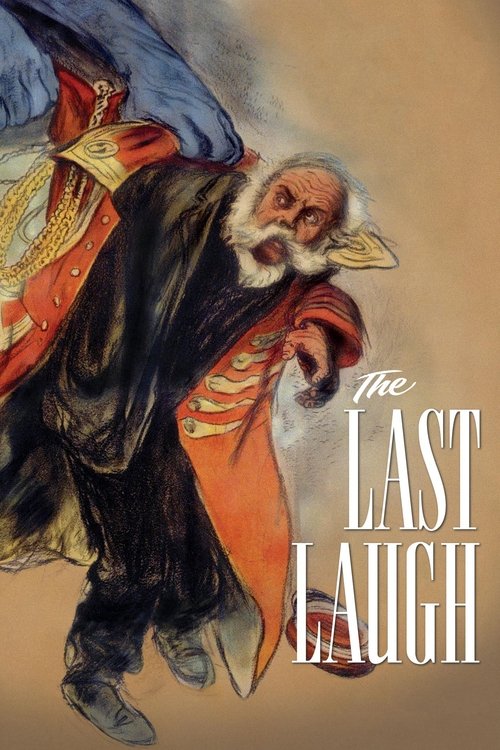
The Last Laugh1924
An elderly doorman loses his job and status. F.W. Murnau's camera doesn't stop moving, following the man's humiliation with unchoreographed fluidity. It's a tragedy told entirely through image, proving cinema needs no dialogue for heartbreak.
But It's relentlessly sad and offers no comfort. The ending pivot is abrupt and some find it glib given what came before.
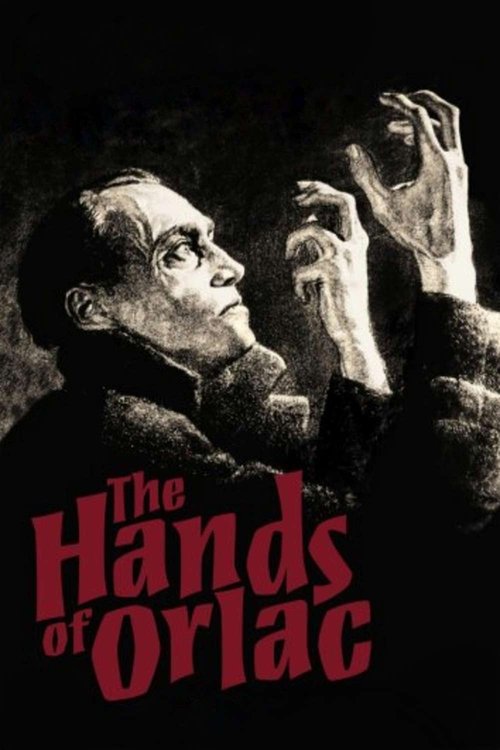
The Hands of Orlac1924
Both trap protagonists in scenarios where fear of an unseen threat is weaponized by circumstance and chance. Both are eleven minutes (or close) of pure concentrated dread. Both use domestic or enclosed space as the engine of terror.
A pianist's hands are grafted from a murdered man's corpse; he fears they will drive him to kill. This is psychological horror through surgical body horror—a nightmare logic that feels dreamlike and deeply unnerving. The shadows and performances are exquisite.
But It's a horror film, genuinely creepy in ways that aren't for everyone. The plot requires you to accept its irrational premise without question.
Intolerance: Love's Struggle Throughout the Ages1916
Both are about vulnerability—trapped people, closing threats, the speed of destruction. But where Suspense is an eleven-minute panic attack, Intolerance asks whether the threat is civilizational. Suspense in miniature; Suspense as history.
D.W. Griffith's four-hour epic intercuts four historical stories of persecution across centuries. It's visually staggering and thematically ambitious, but beneath it runs a thriller's logic: people in danger, suspense about who will survive. Epic scale, intimate stakes.
But Four hours of 1916 cinema is an endurance test. Griffith's politics are appalling and woven into the film's DNA. Some stories land better than others and the whole can feel uneven.

People
Cast
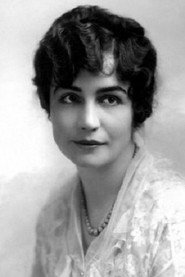 Lois WeberThe Wife
 Val PaulThe Husband
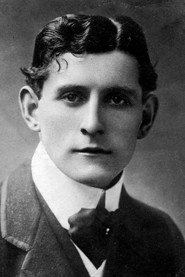 Douglas GerrardThe Pursuer
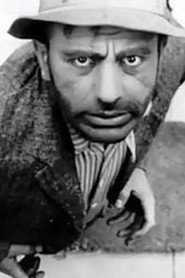 Sam KaufmanThe Tramp
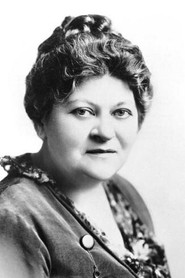 Lule WarrentonMamie - The Maid (uncredited)
Directing
- Lois WeberDirector
- Phillips SmalleyDirector
Writing
- Lois WeberWriter