Television series
Suspense
Other titles called Suspense: the 1913 film, the 1946 film, the 1949 series (CBS).
- Thriller
- Dip in and out
A BBC anthology series where each episode is a self-contained thriller, written by both established and emerging writers of the early 1960s. Suspense trades spectacle for psychological tension and ingenuity—stories turn on character, circumstance, and small moral compromises. It's rewarding for anyone who loves tight plotting and the particular pleasure of watching a trap close.
If you liked this
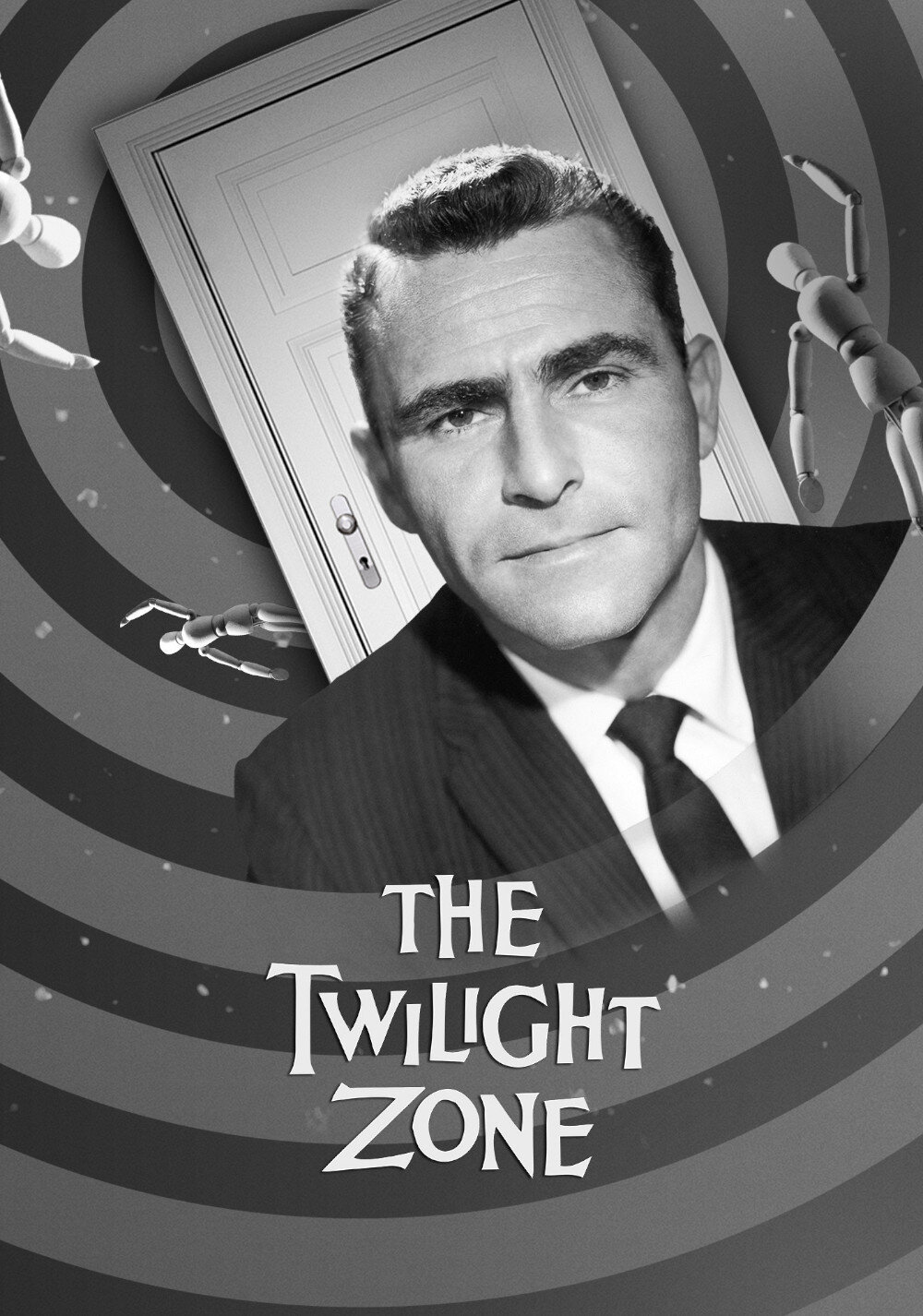
The Twilight Zone1959
Anthology excellence with psychological teeth. Like Suspense, it trusts viewers to follow complex ideas and moral ambiguities. Each episode lands a complete story in 25 minutes without wasting a breath.
But Uneven quality across seasons; some episodes feel dated in their messaging or rely too heavily on twist endings that don't quite land.
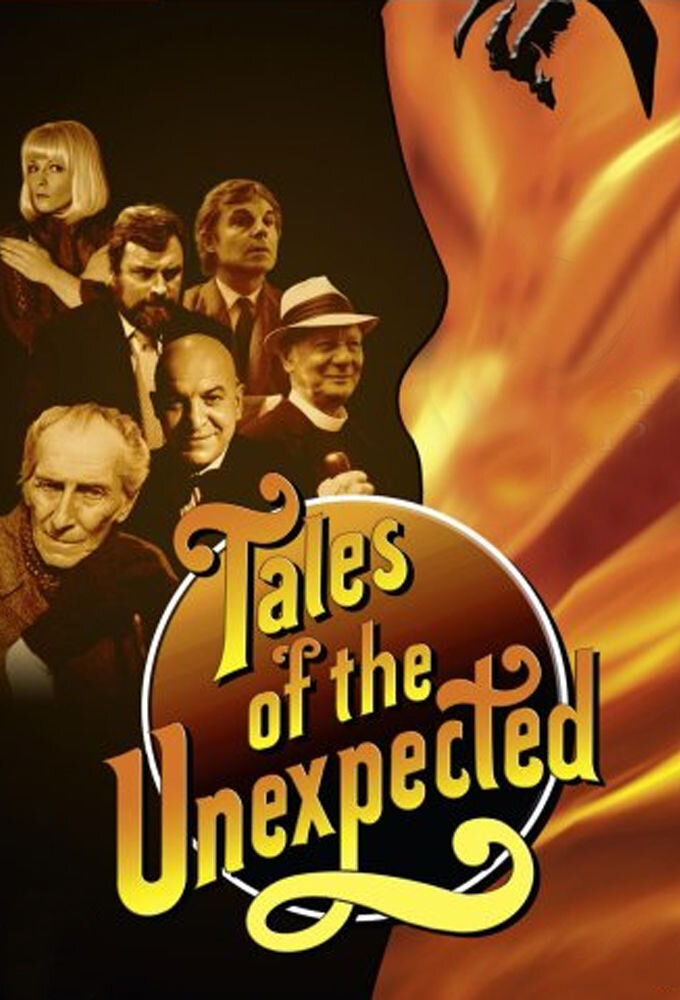
Tales of the Unexpected1977
Roald Dahl's wit and cruelty in an anthology format. Both series excel at finding horror in ordinary situations and ordinary people. The same intelligence and dark humor runs through both.
But The '70s and '80s production values feel stagey to modern eyes; some stories are more cute than genuinely unsettling.
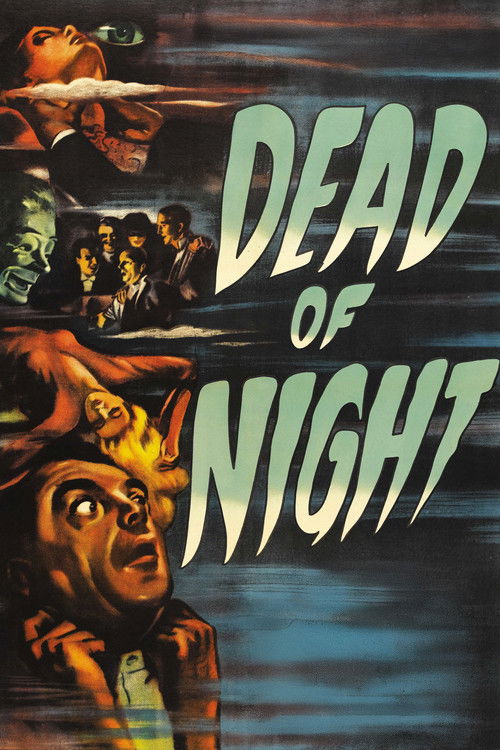
Dead of Night1945
A portmanteau horror film that proves the anthology format can build cumulative dread. Like Suspense, it uses multiple writers and stories to explore how fear works. Genuinely eerie without needing gore.
But It's in black and white and predates modern pacing expectations; the frame story may feel more quaint than suspenseful to current viewers.
Not sure tonight? Get a pick in a minute, starting from Suspense
The wildcard
Something you would not have found on your own.
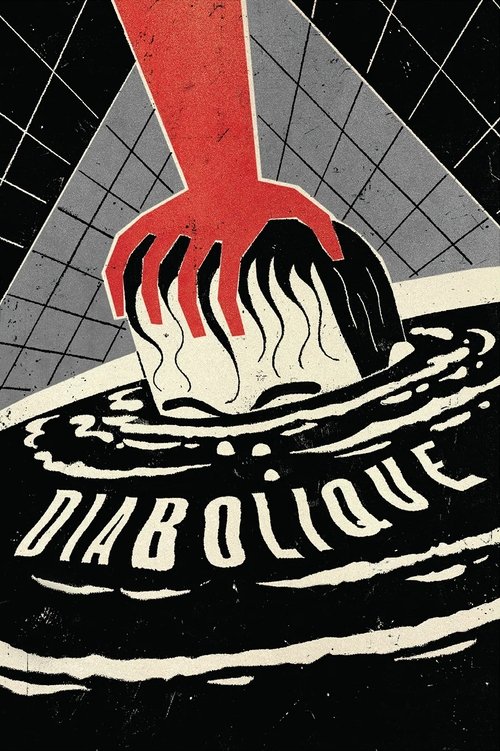
Diabolique1955
Both Suspense and this film are built on the architecture of suspense itself: how to make an audience afraid through intelligence rather than spectacle. Both believe in the power of a single strong idea to carry a story.
A French thriller that achieves suspense through psychology and framing rather than action. It proves that the techniques of tension—withholding information, building dread, the power of suggestion—are timeless. Mesmerizing and cruel.
But It's a film, not an anthology, and it's in French with subtitles. The pacing is slow by modern standards; it asks you to sit with discomfort.
More like this (6)
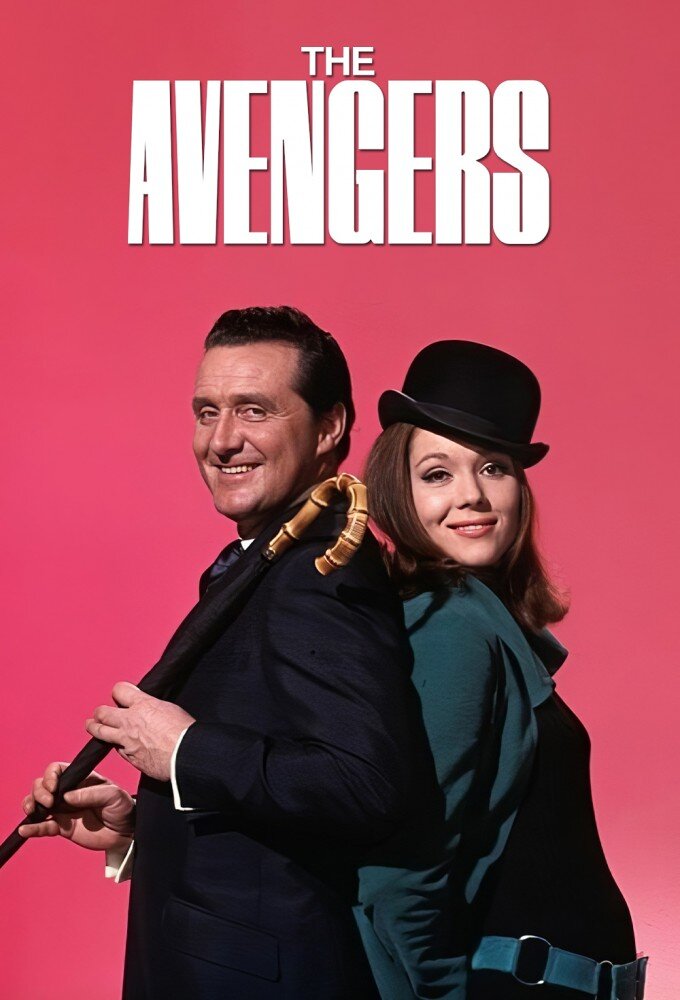
The Avengers1961
British TV thriller from the same era, with similar wit and style. It's more action-oriented than Suspense but shares the intelligence, the elegance, and faith in the audience to keep up.
But The early seasons are rougher than the polished later run; it tips toward camp, which is either its charm or its weakness depending on what you want.
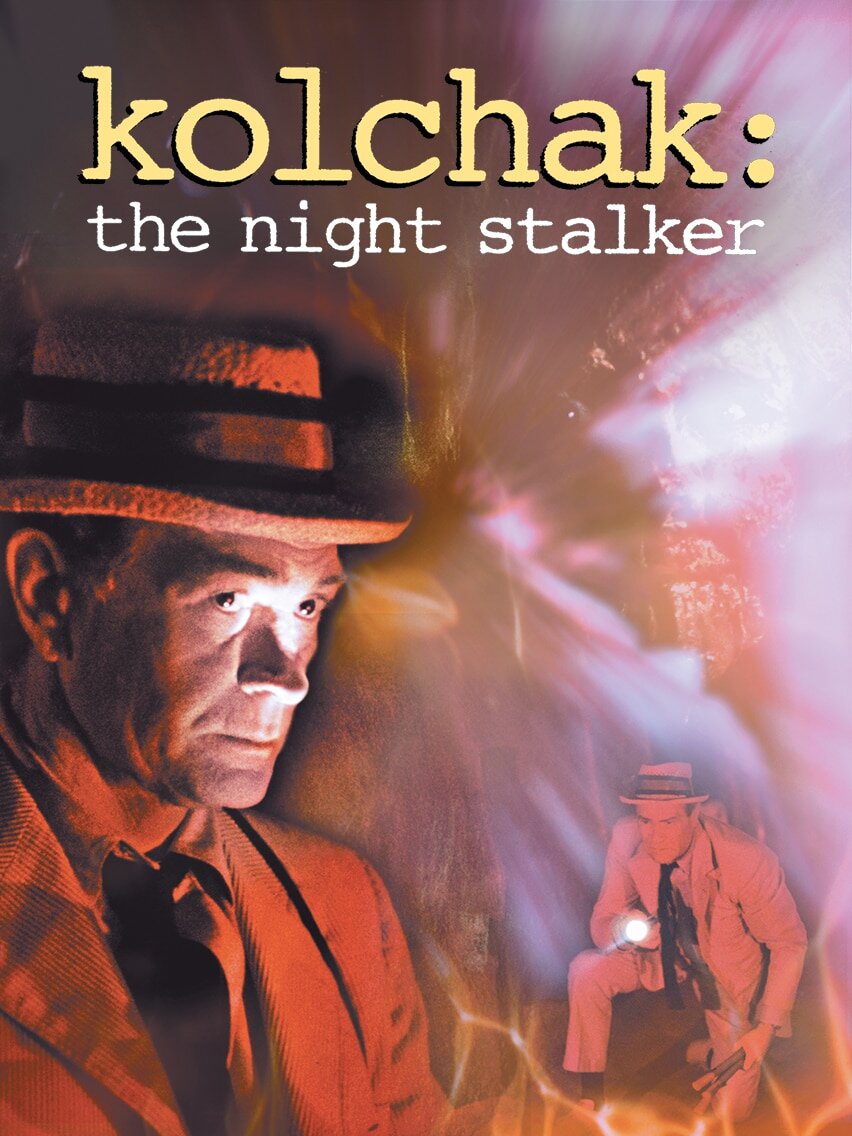
Kolchak: The Night Stalker1972
A reporter investigates the impossible week after week. Like Suspense, it's episodic storytelling built on tight premises and solid writing. Pulpy but clever, with real stakes despite the fantastic premise.
But Effects and production values are cheap even for the '70s; the tone wobbles between horror and adventure, sometimes to its detriment.
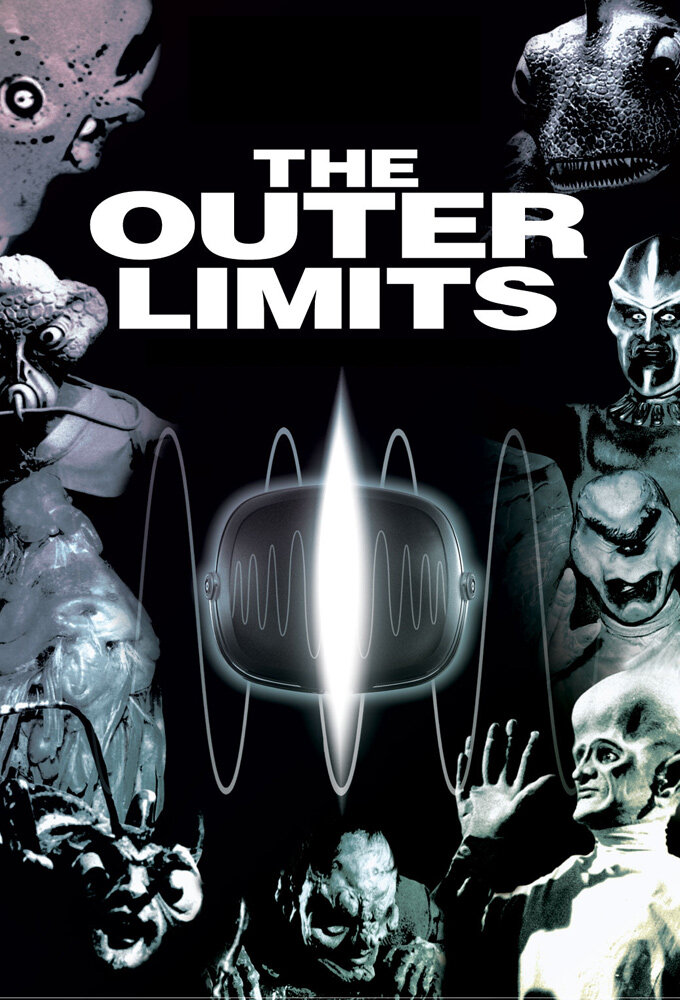
The Outer Limits1963
Science-fiction anthology with similar DNA to Suspense: self-contained episodes, strong writers, ideas that matter more than budget. Thoughtful plotting under the genre wrapper.
But Pacing drags in places; some episodes lean on monster-of-the-week formula rather than genuine suspense or character insight.
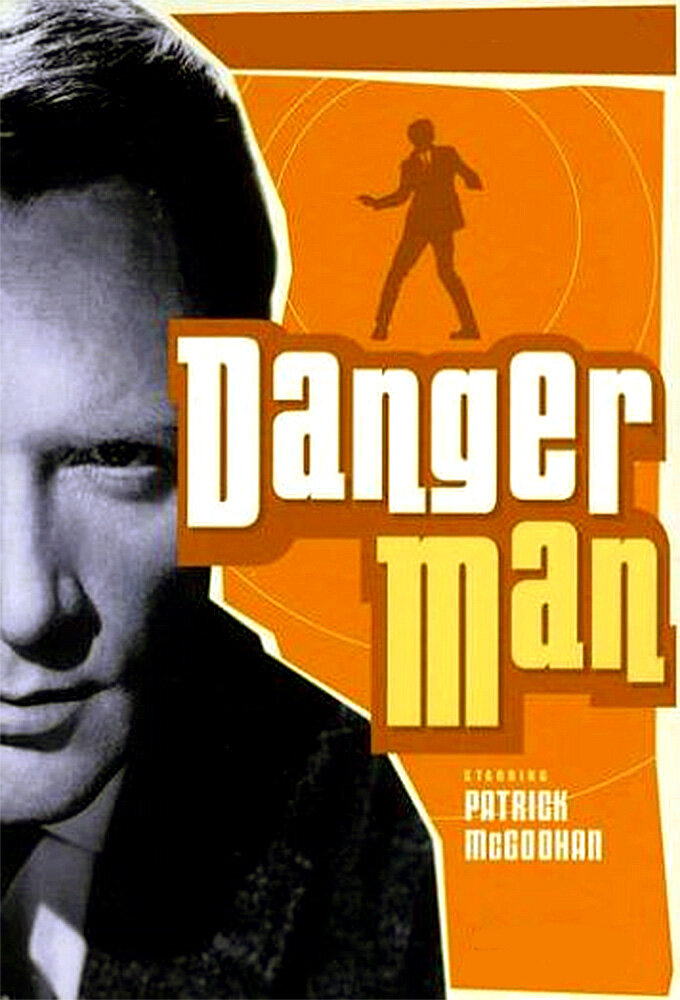
Danger Man1960
Spy thriller anthology with intelligence and style. Quick episodes, sharp plotting, the same belief that a good idea and solid writing beat expensive set pieces. Good company for Suspense.
But It's a spy show, so if espionage doesn't interest you, the premise may feel thin; some episodes are forgettable filler between stronger entries.
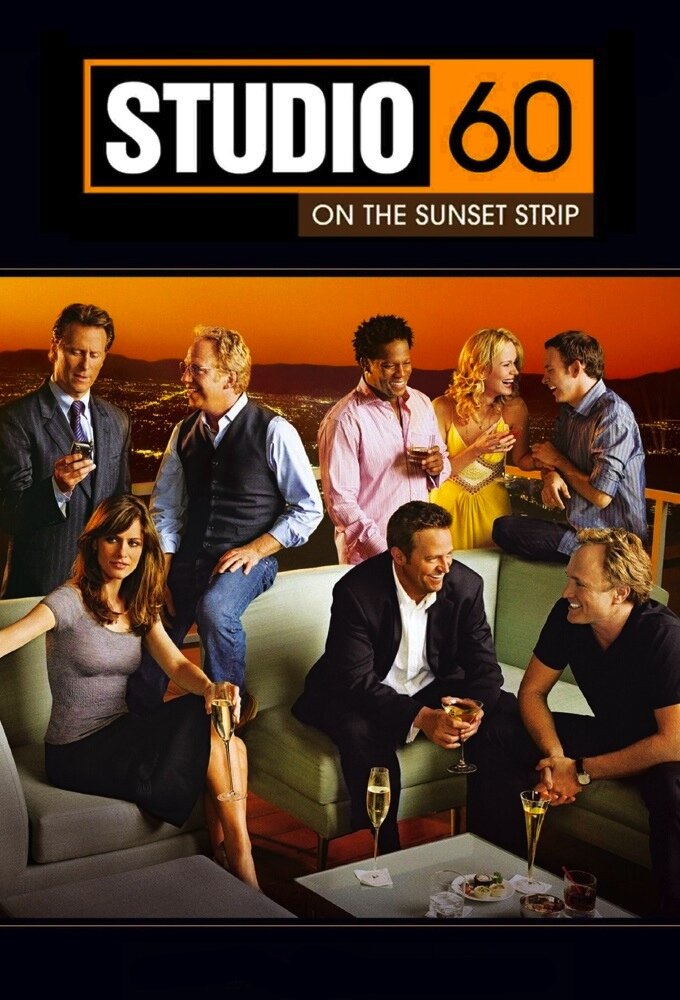
Studio 60 on the Sunset Strip2006
An American anthology series that predates Suspense, with similar ambitions: serious writers, live TV performance, stories that trust the audience. A foundational influence on the form itself.
But Extremely variable in quality and tone; finding good episodes requires patience and research; the live TV aesthetic feels very remote now.
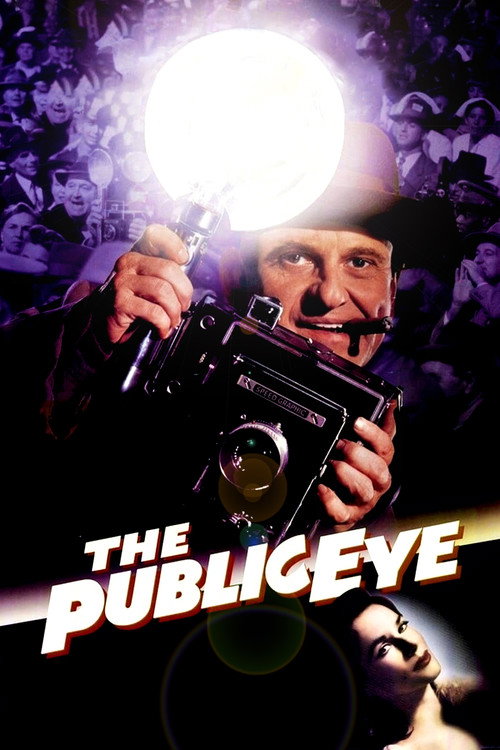
The Public Eye1992
Both trust that suspense lives inside character, not outside it. Both suggest that the real thriller is what someone might do, given pressure and circumstance, not what happens to them. The threat is internal.
A photographer in '80s New York gets tangled in obsession and violence. It's a psychological thriller disguised as a character study, with the tension of Suspense but the depth of a film willing to spend time on how people break. Visually gorgeous and genuinely unsettling.
But It's slow and introspective; if you want plot momentum, you'll be frustrated. The mood is bleak without the relief of spectacle or humor.