
Television series
Tales of the Unexpected
Other titles called Tales of the Unexpected: the 1979 series (ITV1).
- Mystery
- Dip in and out
A 1977 anthology series where William Conrad's measured voice guides you through tales of suspense, science-fiction, and mystery, each landing a sharp twist. Think Twilight Zone's smarter cousin—more grounded, occasionally nasty, consistently clever. Perfect if you enjoy being unsettled rather than spooked.
Should you watch it?
Watch it if you like tight, self-contained stories built with clockwork precision, and you enjoy a host who introduces each one with wry, knowing relish.
Skip it if you need sustained character development or a deep, ongoing arc, since each hour-long episode is a standalone sketch with little room for lasting characters.
What it asks of you: Eight hour-long episodes in one season make a short commitment; the pace is unhurried, each story taking its time to lay out its puzzle.
Not sure? Find tonight's pick in a minute.
If you liked this
The Twilight Zone1959
The clear ancestor: bite-sized stories that bend reality with precision. Every episode lands differently—some funny, some heartbreaking, some genuinely disturbing. Rod Serling's narration has the same authority as Conrad's.
But The production values feel archaic now, and some episodes move slowly by modern standards. A few haven't aged well in their attitudes.
Night Gallery1969
Rod Serling returned with a darker, weirder sibling: stories often built on genuine dread rather than clever premises. Beautifully shot, occasionally surreal, willing to go to uncomfortable places. Narrated by Serling himself.
But Uneven quality across episodes. Some vignettes feel padded; others feel like they wanted to be something longer.
The Outer Limits1963
Science-fiction anthology that prioritizes atmosphere and practical effects over easy answers. Stories about aliens, time, and technology that often end ambiguously. Janos Prohaska's creature work is genuinely creepy.
But The dialogue can be clunky, and some premises feel thin when stretched across an hour. The 1960s pacing takes adjustment.
Not sure tonight? Get a pick in a minute, starting from Tales of the Unexpected
The wildcard
Something you would not have found on your own.
Alfred Hitchcock Presents1955
Both use an authoritative host to frame morally complicated stories. Both understand that the best twist is the one that reframes everything, not surprises. Both prove the twist-ending form was perfected in the 1950s-70s.
Alfred Hitchcock personally introduced each episode of these suspense stories, and his dry, sardonic humour sets a completely different tone than Conrad's authority. Stories are shorter, punchier, darker in intent. Essential viewing.
But The half-hour format feels brisk compared to Tales' hour-long stretches. Some stories resolve too quickly; you want to stay in the discomfort longer.
More like this (6)
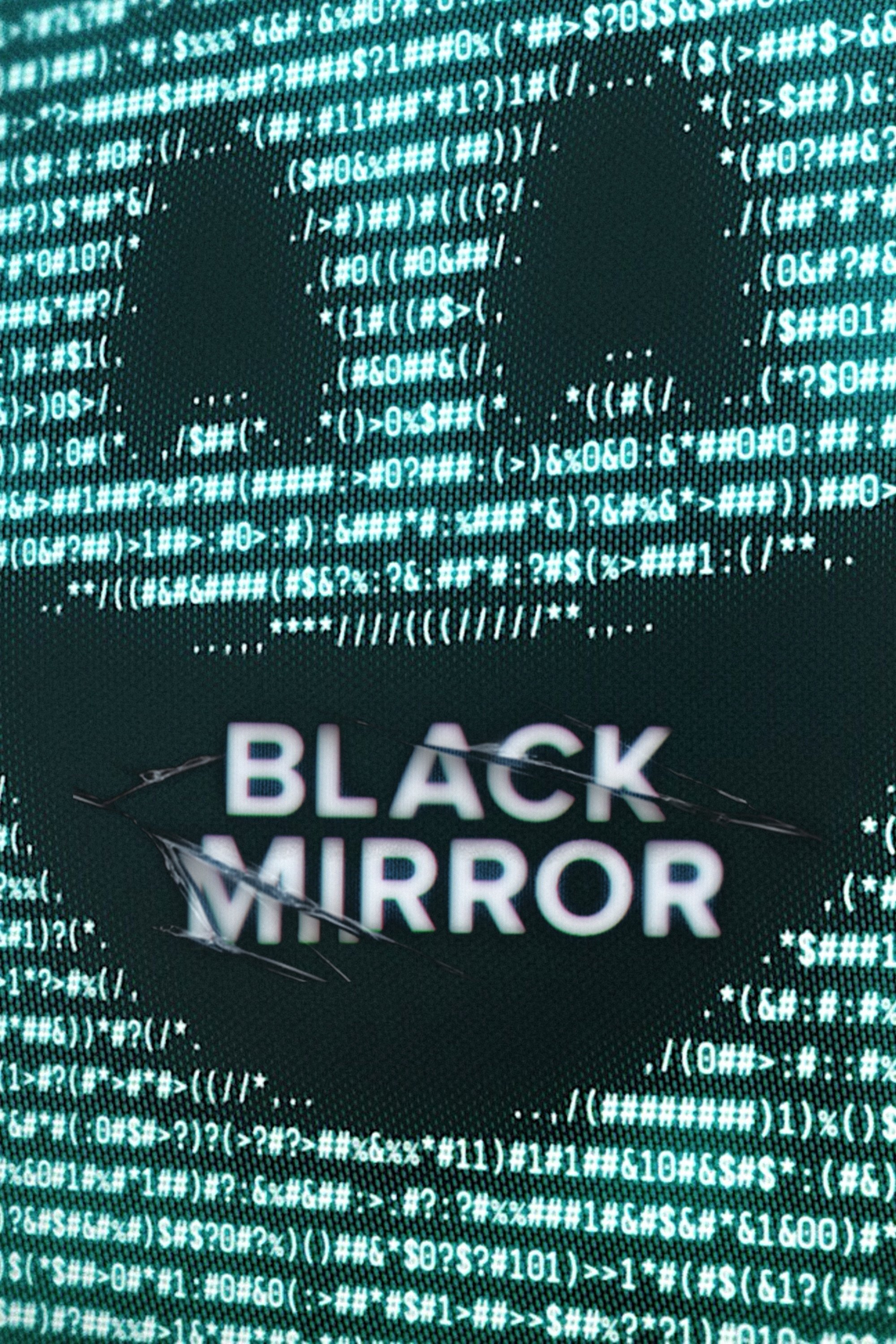
Black Mirror2011
Modern anthology with the same DNA: self-contained stories using speculative premises to explore human nature. Sharp, sometimes funny, often bleak. High production values and excellent casting in every episode.
But Some episodes are overstuffed with ideas and don't know when to end. The bleakness becomes repetitive if you binge too many at once.
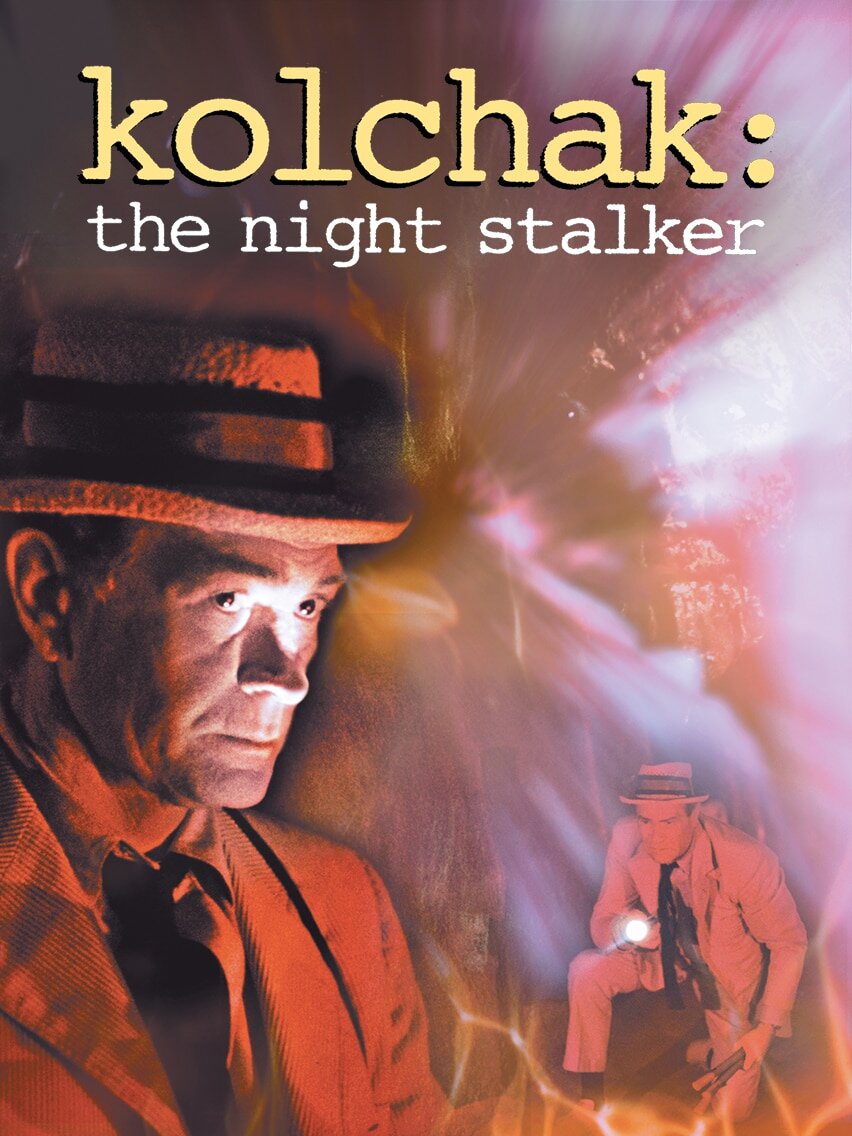
Kolchak: The Night Stalker1972
A journalist chases the unexplained across America, each episode a small mystery. Creepy without relying on gore, weird without being absurd. Darren McGavin's perfect as the obsessed outsider. Genuinely spooky in places.
But The episodes can feel repetitive—same structure, slightly different monster. The resolution often feels too easy given how unsettling the setup was.
The Outer Limits1995
A thoughtful 90s reboot with better production than the original, still using science-fiction to examine moral questions. Episodes like 'The Sandkings' and 'The Invisible Man' are genuinely excellent.
But Inconsistent. Some episodes are clever and unnerving; others feel like low-budget sci-fi filler. You'll want to skip around.
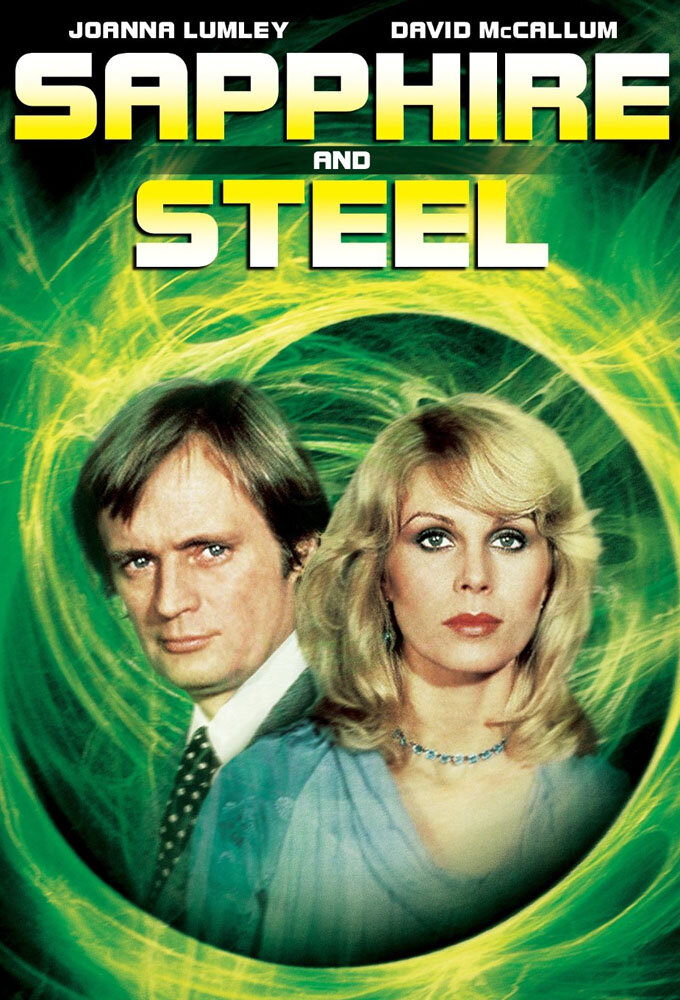
Sapphire and Steel1979
British anthology-adjacent series where two agents (they're not human, exactly) face supernatural oddities. Dreamlike, sometimes deliberately obscure, genuinely unsettling. Joanna Lumley and David McCallum have wonderful chemistry.
But The plotting is intentionally cryptic. If you need everything explained, you'll find it frustrating. Episodes are slow-burn and assume your patience.
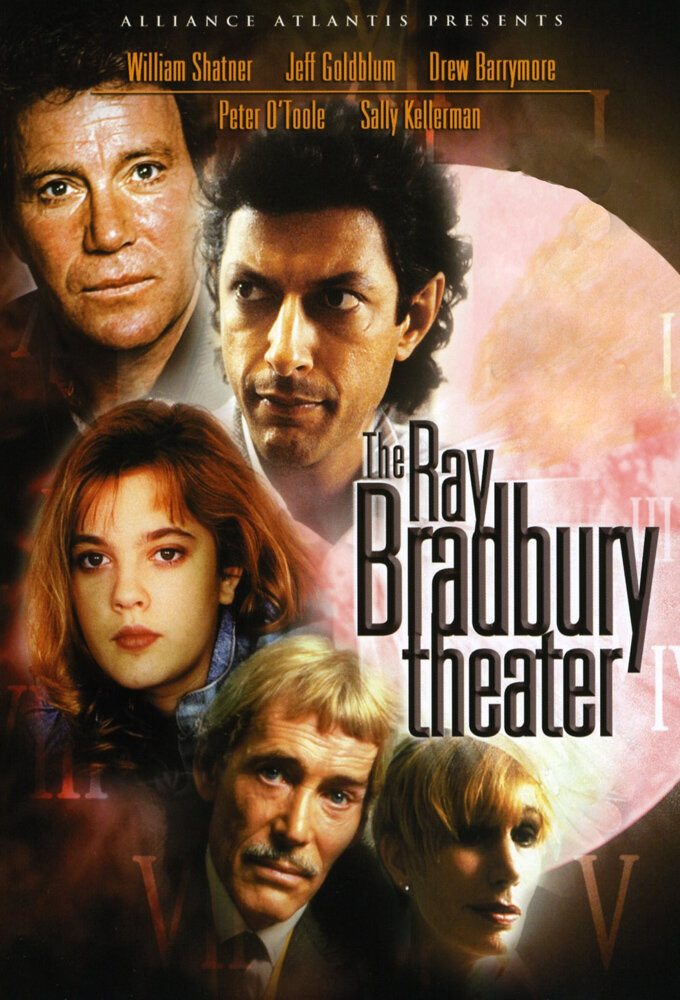
The Ray Bradbury Theater1985
Bradbury's short stories adapted to screen with style and precision. Stories about memory, time, loneliness, and small terrors. Each one is complete and thoughtful, never cheap.
But Tone varies wildly—some episodes are melancholy, others almost humorous. If you're after consistency, this scattered approach might feel scattered.
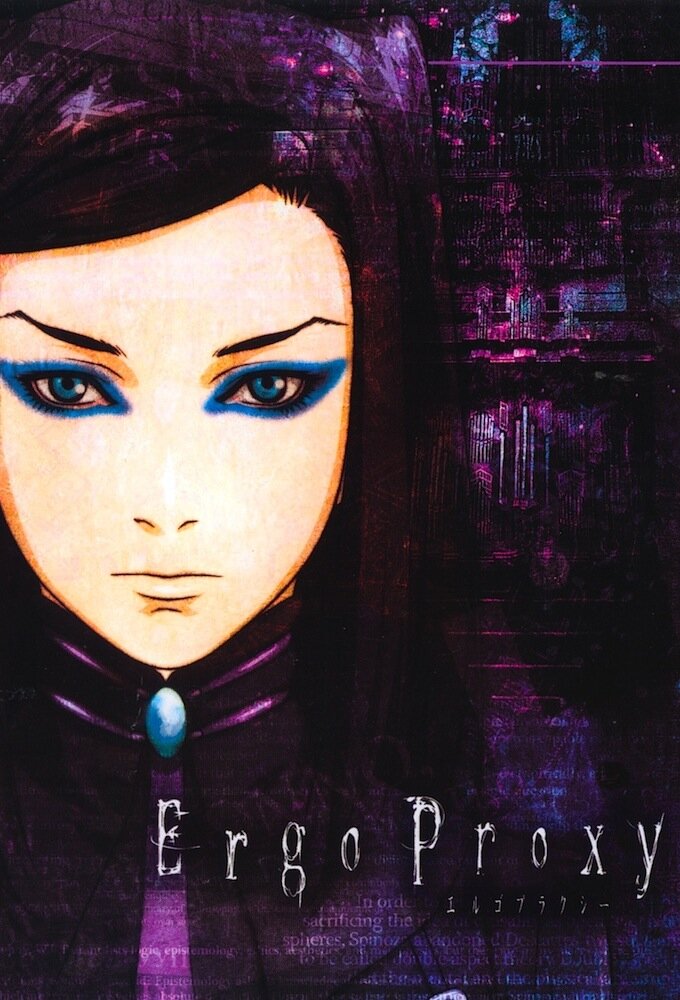
Ergo Proxy2006
Same underlying structure—each episode a different moral or existential scenario—but wildly different medium and aesthetic. Where Tales is reassuringly grounded in '70s Americana, Ergo Proxy is abstract and futuristic. Same engine, completely different world.
A cyberpunk anime where two characters wander a post-apocalyptic world, encountering philosophical puzzles and strange creatures. Visually stunning and deeply thoughtful. Each episode stands alone but builds toward something larger.
But It's meditative and slow. If you want plot momentum, you'll find it frustrating. Animation style is deliberately dated and won't appeal to everyone.
People
Cast
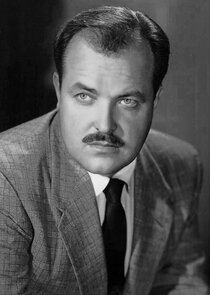 William ConradHost
Production
- Quinn MartinExecutive Producer
- John WilderProducer
- William Robert YatesProducer
Recommended by
The House That Dripped Blood, The Omega Factor, Fantasy Island, One Step Beyond, Thriller, Suspense, The Immortal, Thriller, Probe, The Unexplained, The Alfred Hitchcock Hour, The Loretta Young Show, Suspense