
Television series
The Loretta Young Show
- Social drama
- Dip in and out
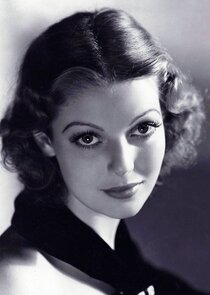
A groundbreaking anthology series where Loretta Young introduces standalone dramas, each a complete story in thirty minutes. She hosts from her home, often appearing in the episode itself. It's intimate, elegant television—the kind of thing that feels like a friend dropping by to share a secret. For anyone curious how storytelling worked before the binge, or who loves the discipline of the short form.
If you liked this
The Twilight Zone1959
Rod Serling's anthology of science fiction and suspense, each episode a perfect story with a twist. The template for everything that followed; these stories have aged beautifully and still surprise.
But Black and white and deliberately paced. Some episodes drag, and if you need constant action or humor, this is too quiet for you.

Alfred Hitchcock Presents1955
Half-hour suspense stories hosted by Hitchcock himself, who often appears in them. Masterful plotting, dark wit, and the pleasure of a perfectly constructed trap sprung in twenty-two minutes.
But The tonal whiplash between Hitchcock's campy hosting and genuinely dark stories can feel jarring. Some episodes are dated in their assumptions.
Tales of the Unexpected1977
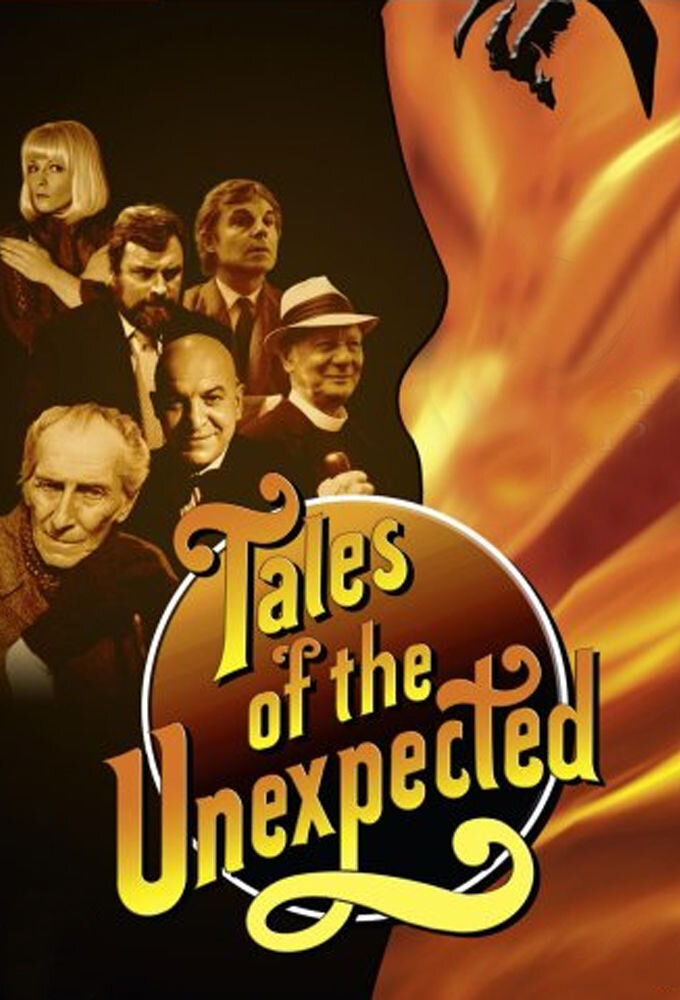
Roald Dahl hosting anthology tales with a vicious sense of humor and genuine darkness. Each story has real bite; they punish you for assuming you know where things are going.
But The humor is often cruel, and some stories feel thin. The 1970s production values might look cheap to modern eyes.
Not sure tonight? Get a pick in a minute, starting from The Loretta Young Show
The wildcard
Something you would not have found on your own.
The Philco Television Playhouse1948
The DNA you're looking for: Loretta Young's show came after this and learned everything from it. This is the prototype.
Live anthology predating everything here, sometimes called the greatest television ever made. Adaptations of stories and plays, shot live, with Marlon Brando, Paul Newman, and writers who became legends.
But It's *live* from 1948. Technical chaos is part of the experience. And finding episodes is genuinely difficult—many are lost or only exist as kinescope recordings.
More like this (5)
Studio 60 on the Sunset Strip2006
Live drama anthology from CBS's golden age, broadcast live and often performed only once. Ambitious storytelling in real time, with extraordinary actors doing theater for the camera.
But It's genuinely live television—technical glitches, flubbed lines, and performances that sometimes collapse. And the scripts are uneven.
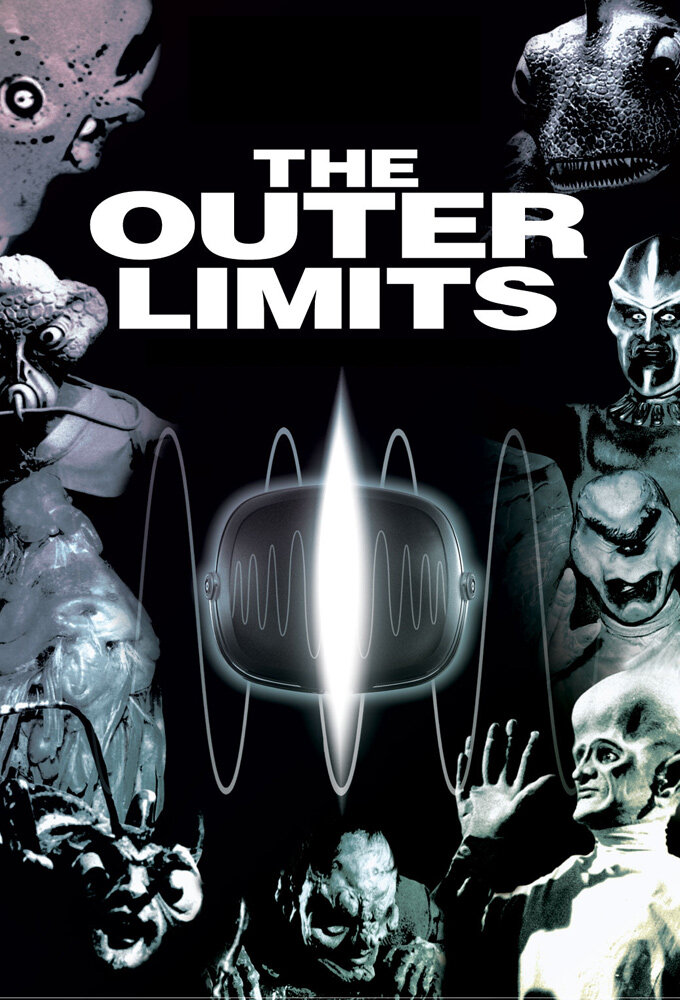
The Outer Limits1963
Science fiction anthology with a more cinematic bent than Twilight Zone, featuring elaborate creatures and concepts. It takes its weird premises seriously, which makes them land harder.
But Some episodes are genuinely silly, and the monster-of-the-week structure wears thin. The dialogue can be leaden.
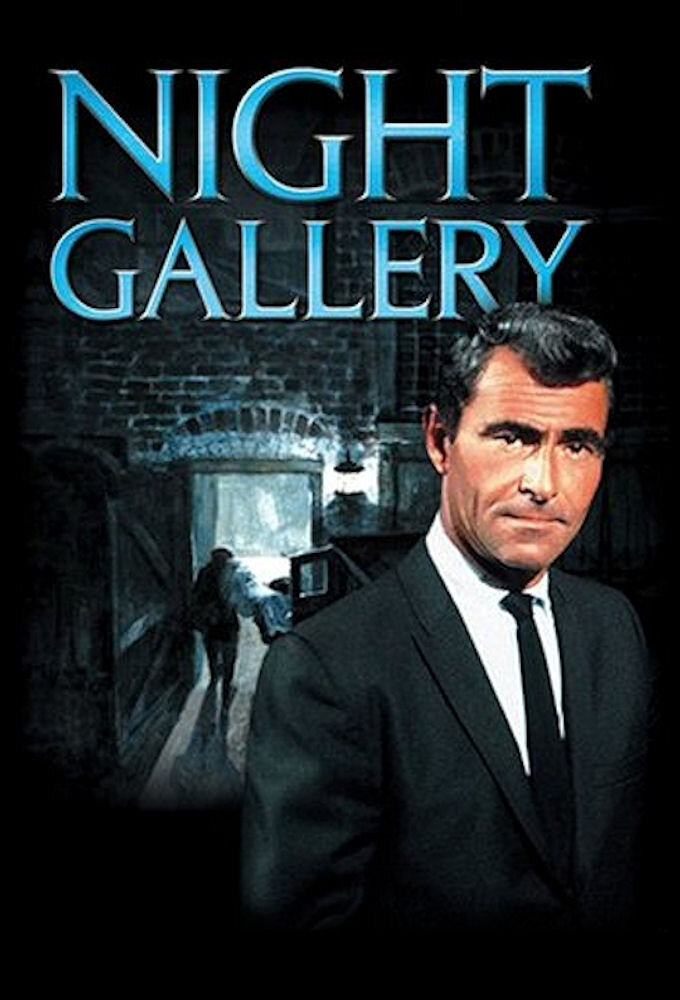
Night Gallery1969
Rod Serling's darker follow-up to Twilight Zone, introduced by paintings that hint at horror. More explicitly macabre, with a visual sophistication that elevated the horror anthology.
But Serling's narration can overwhelm the stories rather than frame them. Some episodes are pretentious without earning it.
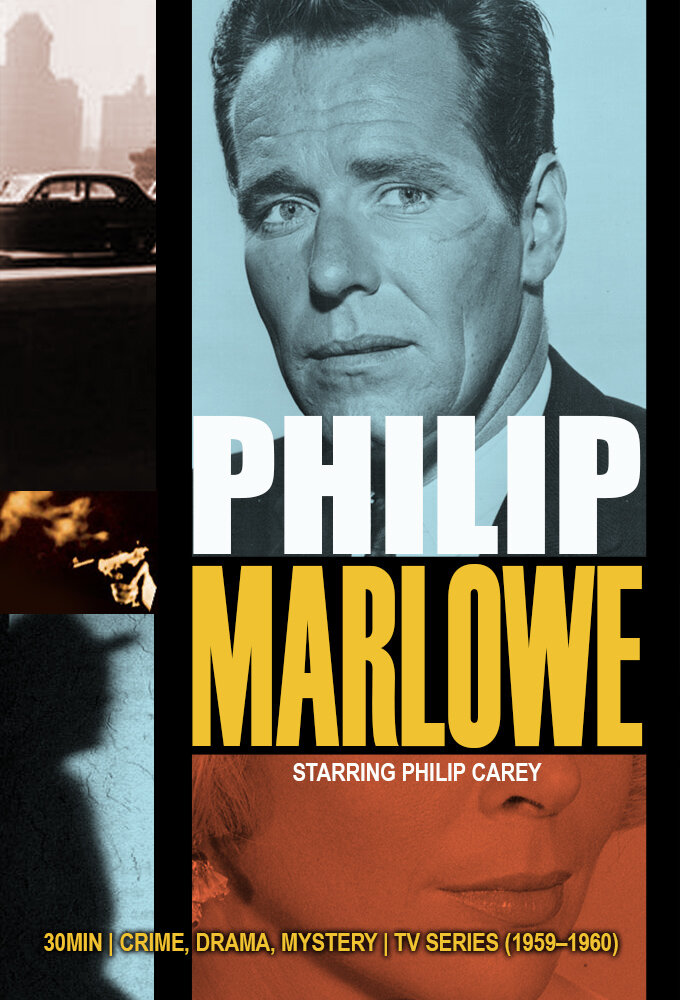
Philip Marlowe1959
Adaptations of Raymond Chandler stories with Philip Carey as Marlowe, each episode a self-contained case. Faithful to Chandler's world and tone, shot on film with real style.
But The cases are often slight, and watching someone solve a mystery in thirty minutes can feel rushed. The sexism of the era dates it.
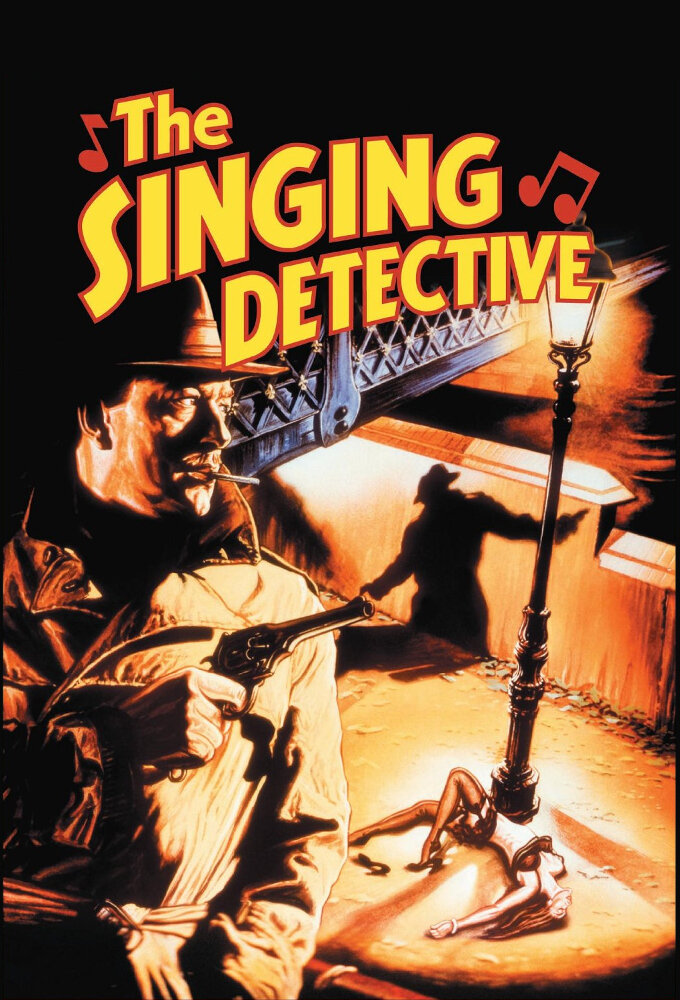
The Singing Detective1986
Like Loretta Young's show, it's deeply intimate TV about the act of telling stories. But where hers was elegant restraint, this is maximalist and strange—the same impulse, inverted by time and one man's obsession.
A six-hour British miniseries where a bedbound crime writer hallucinates and remembers his life while solving a mystery. Surreal, funny, heartbreaking, and completely assured in its strangeness. Dennis Potter's masterpiece.
But Tonally all over the map—noir, musical, confession, nightmare. Characters break into song. If you want consistency, this will infuriate you.
People
Cast
Recommended by
General Electric Theater, Armstrong Circle Theatre, Four Star Playhouse