Television series
Four Star Playhouse
- Drama
- Dip in and out
A rotating anthology series from 1952 where four major Hollywood stars—Charles Boyer, David Niven, Ida Lupino, and Dick Powell—each headlined episodes spanning comedy, drama, and everything between. It's a master class in mid-century technique and star power, built on the assumption that charisma and craft could carry a half-hour. Addictive if you love old Hollywood.
If you liked this
The Twilight Zone1959
Anthology series that perfected the form: tight storytelling, genuine surprise, and the freedom to shift tone wildly from week to week. Each episode is a complete, polished thought.
But Some episodes feel dated in their social messaging, and the pacing can feel slow by modern standards. Not every one lands.
Alfred Hitchcock Presents1955
Another anthology that prizes craft and execution over spectacle. Hitchcock's influence on every frame, tight narratives, and that delicious dark wit make it endlessly rewatchable.
But The plots are often straightforward and can feel predictable if you've seen a lot of genre television. Tone is uniformly dark—no tonal variety like Playhouse offered.
Studio 60 on the Sunset Strip2006
Live anthology drama from the same era, equally invested in strong acting and intelligent writing. If you want to see what television could do when it was treated seriously, this is it.
But The live broadcast nature means technical glitches and occasionally wobbly performances. Entirely dramatic—no comedy to break the tension.
Not sure tonight? Get a pick in a minute, starting from Four Star Playhouse
The wildcard
Something you would not have found on your own.
The Millionaire Matchmaker2008
Both are star-driven anthology series that use the guest cast as the entire draw. Both trust that American actors at this level don't need monsters or twists—their faces and voices are enough.
An anthology with a brilliant central device: a different person receives a check for a million dollars each week, and we watch how it transforms them. Same DNA as Four Star Playhouse—star-driven, morally curious—but with a narrative engine that gives each episode shape.
But The moral lessons can feel heavy-handed and dated. It's less interested in entertainment than in teaching you something.

More like this (6)
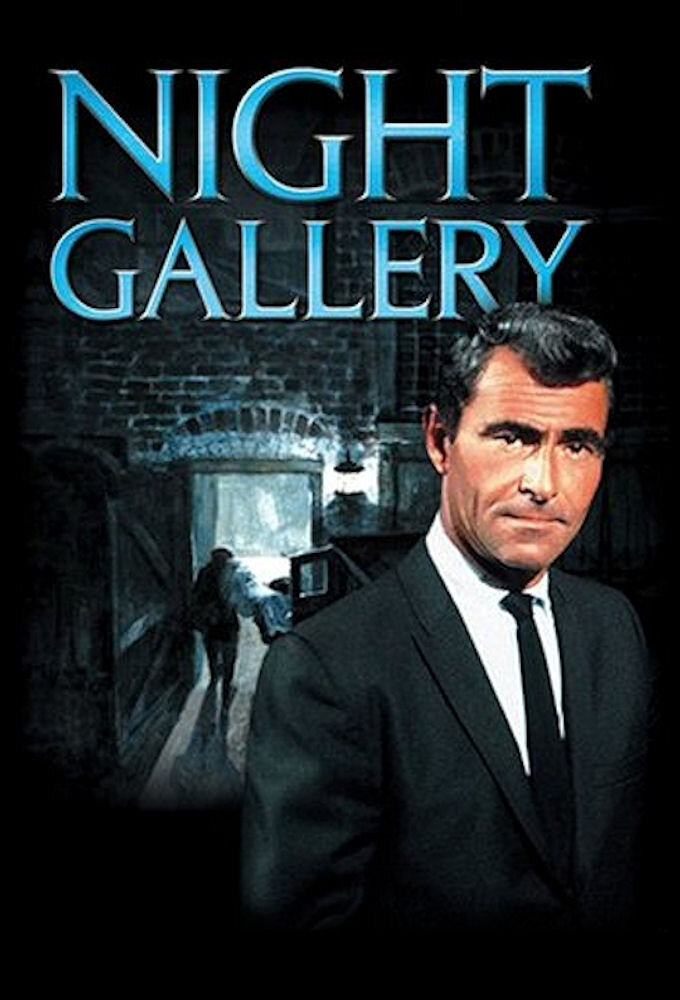
Night Gallery1969
Rod Serling's follow-up to Twilight Zone, using horror instead of sci-fi. Short, eerie, visually inventive, and anchored by excellent guest stars doing their best work.
But Uneven quality across episodes. Some stories are genuinely chilling; others collapse under their own ambition.
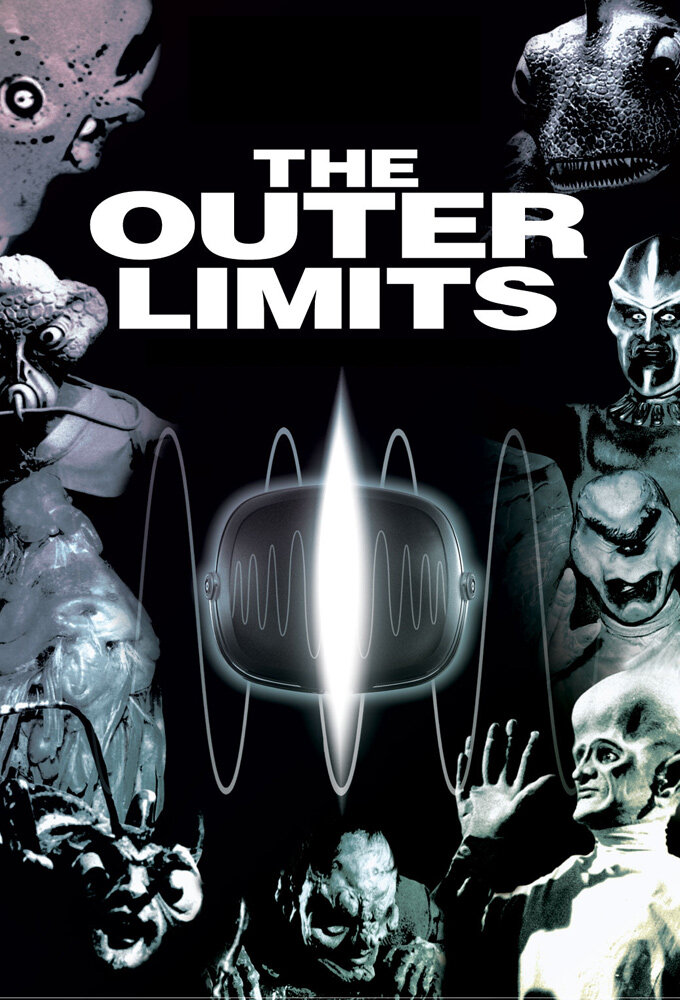
The Outer Limits1963
Sci-fi anthology with a visual flair that still impresses. Monster designs are imaginative, stories take real risks, and it refuses to treat the genre as throwaway.
But Some episodes rely heavily on '60s television camp. The dialogue can veer into unintentional comedy.
Tales of Tomorrow1951
Early science fiction anthology with real ambition and surprisingly sharp writing. A direct contemporary of Four Star Playhouse, it shows what live television could achieve.
But Technical limitations are obvious. Some episodes are barely preserved, and the picture quality suffers for it.
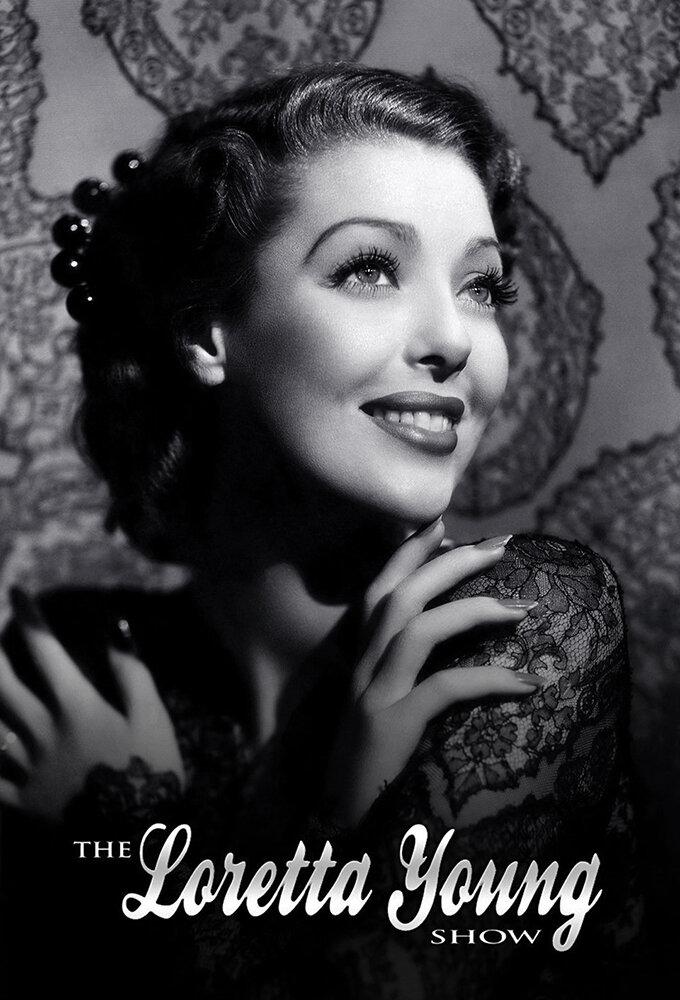
The Loretta Young Show1953
Rotating anthology with a star of immense charm and professionalism at the center. Mix of comedy and drama, all brightly executed and deeply pleasurable to watch.
But The formula becomes repetitive after a while. Light entertainment, so there's nothing here that cuts deep.
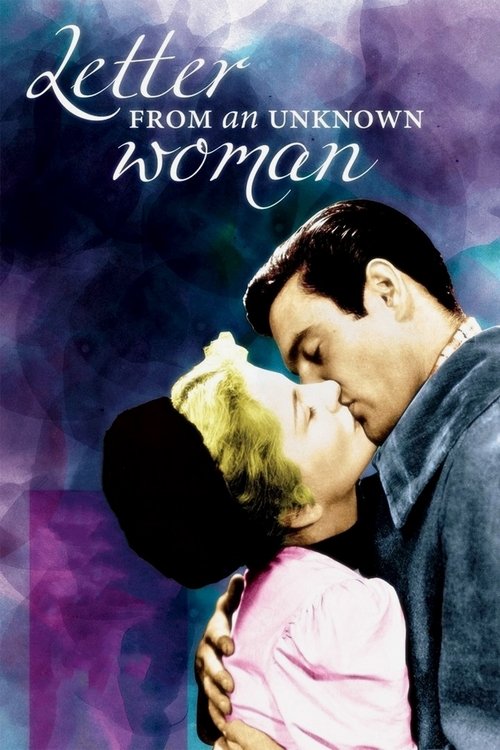
Letter from an Unknown Woman1948
Like Four Star Playhouse, it's built on the assumption that a great actor performing authentically is enough to fill every second of your attention. Both are about watching intelligence and craft in real time.
Max Ophüls' masterpiece about memory and performance, featuring Joan Fontaine and Louis Jourdan in a narrative that unfolds like a piece of music. If you love watching skilled actors inhabit a moment, this is the summit.
But It's slow by any standard. No plot momentum, just emotion and framing. If you need things to happen, this will frustrate you.
Column South1953
Both assume that execution, charm, and craft are enough—that you don't need spectacle or innovation. They're comfortable being exactly what they are, and that comfort is its own kind of mastery.
A minor Western starring Audie Murphy that does exactly what it sets out to do—no ambition beyond being entertaining for ninety minutes. It's the feature-film equivalent of an anthology episode: modestly scaled, well-executed, utterly confident in its own entertainability.
But It's not trying to be important. If you watch Westerns for revisionism or deconstruction, you'll find this frustratingly straight.