
Television series
Night Gallery
- Supernatural horror
- Dark fantasy
- Dip in and out
Rod Serling's darker, more visceral follow-up to The Twilight Zone. Each episode opens on a mysterious painting in an empty gallery, then spirals into horror, the supernatural, or psychological dread. It's uneven—some sketches land as clever horror-comedy, others misfire—but when it works, it's genuinely unsettling. For anyone who loved Twilight Zone but wanted it nastier and weirder.
Should you watch it?
Watch it if you love old-fashioned anthology chills where each self-contained tale hangs on a single eerie image and Rod Serling's grave narration does most of the work.
Skip it if you need a continuing story or modern pacing, since these are stand-alone episodes with a creaky 1960s rhythm and some sketches that land more as oddities than scares.
What it asks of you: Roughly half an hour per story, with a slow build, a patient gaze at a painting, and a willingness to accept a dated look and a sometimes uneven mix of tones.
Not sure? Find tonight's pick in a minute.
If you liked this
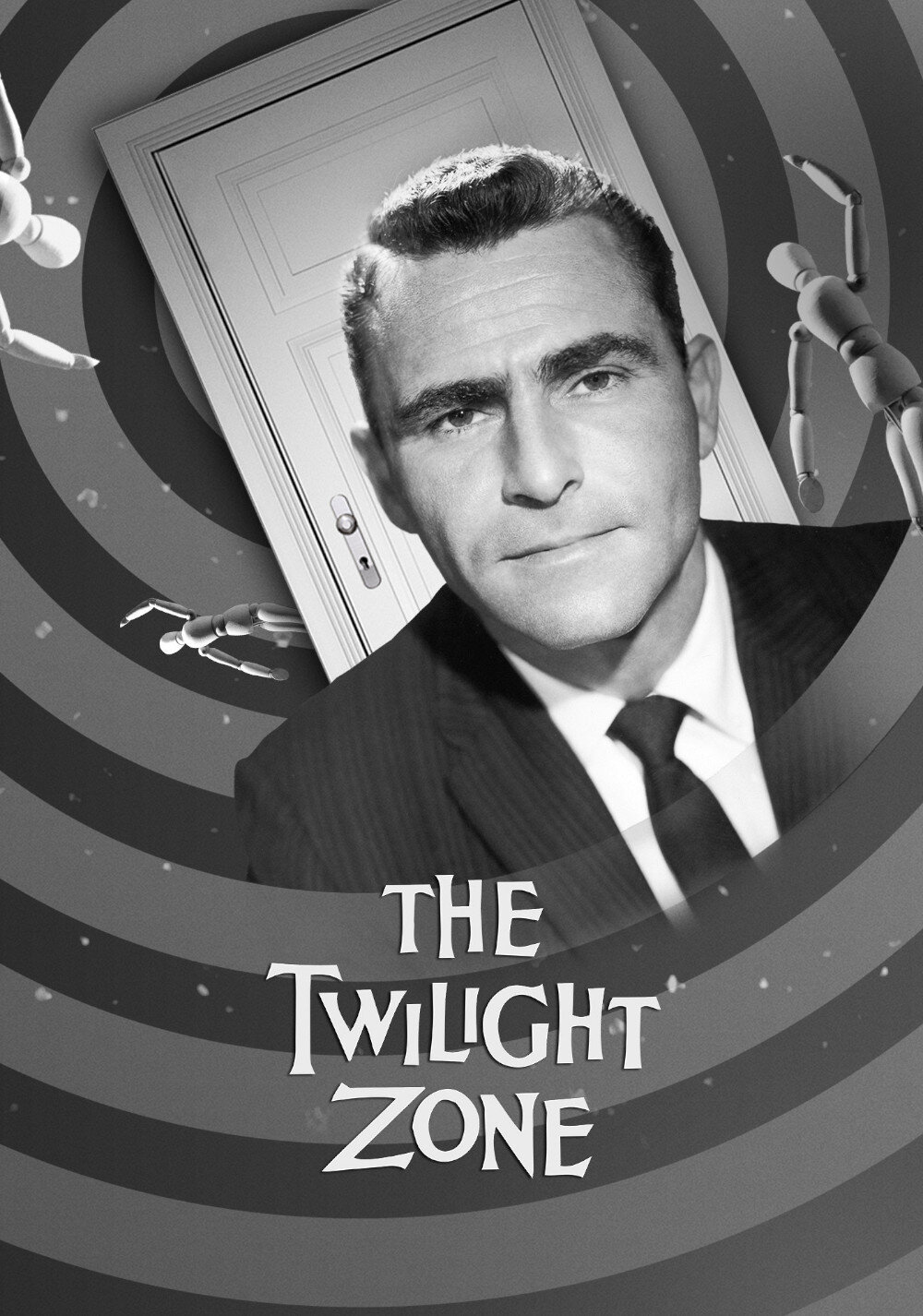
The Twilight Zone1959
If you loved Night Gallery's structure and Serling's narration, this is where it started. Tighter writing, more consistent, equally inventive. A masterpiece that feels fresher than you'd expect.
But Some episodes are dated and slow by modern standards. The twist-ending formula can feel predictable once you've seen a few.
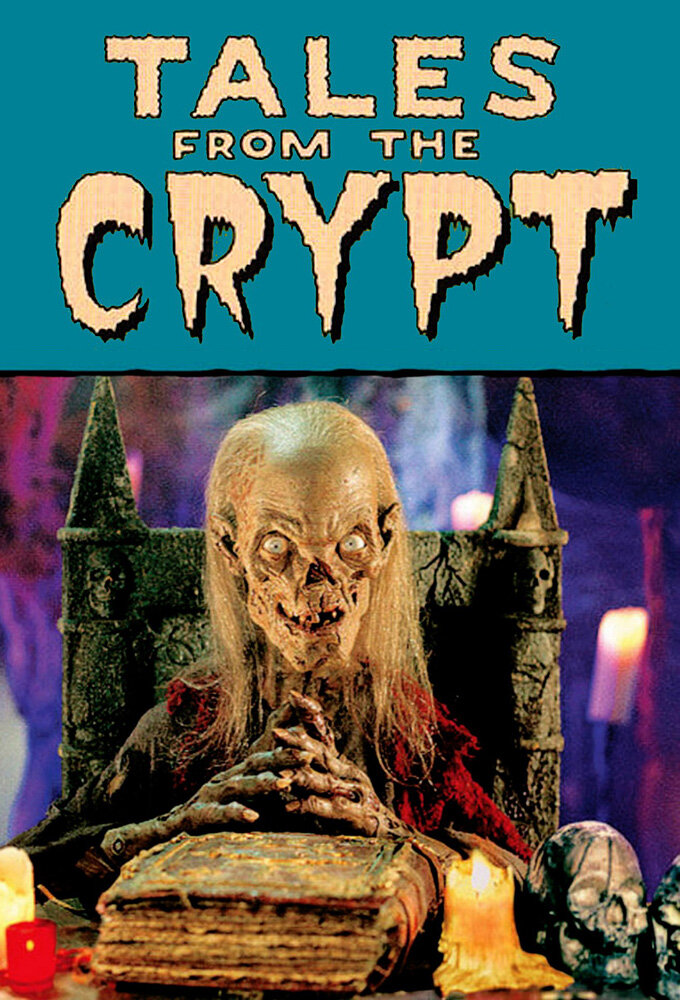
Tales from the Crypt1989
Darker, funnier, nastier than Night Gallery. Hosted by a cackling Crypt Keeper, it finds comedy and horror in the same breath. Pure entertainment that doesn't apologize for being trashy.
But The horror-comedy tone won't appeal if you want genuine scares. Some episodes lean too hard on cheap gore and punchlines.
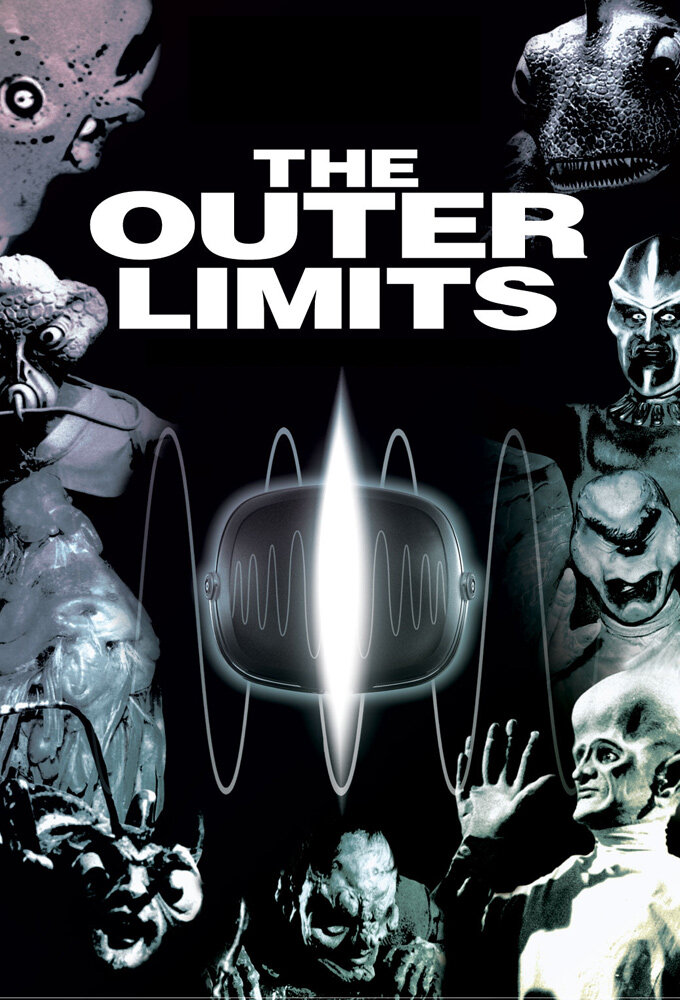
The Outer Limits1963
Sci-fi horror anthology with atmosphere to spare. Each episode opens on a creepy control panel, then delivers body horror, alien dread, psychological terror. Wildly inventive creature design for the era.
But Budgets show their age in effects and sets. Pacing can drag; not every episode earns its runtime.
Not sure tonight? Get a pick in a minute, starting from Night Gallery
The wildcard
Something you would not have found on your own.
The Cabinet of Dr. Caligari1920
Both Night Gallery and Caligari use visual design as the primary storyteller—the painting, the warped sets—before any plot arrives. Both are interested in how what we see first shapes what we believe.
A masterpiece of German Expressionism: painted sets, twisted angles, pure dread from the frame itself. An early horror film that still works. Silent, but hypnotic and genuinely unsettling.
But Silent film with no dialogue. Distorted, nightmarish visuals might feel dated or hard to parse. Requires patience and active watching.

More like this (5)
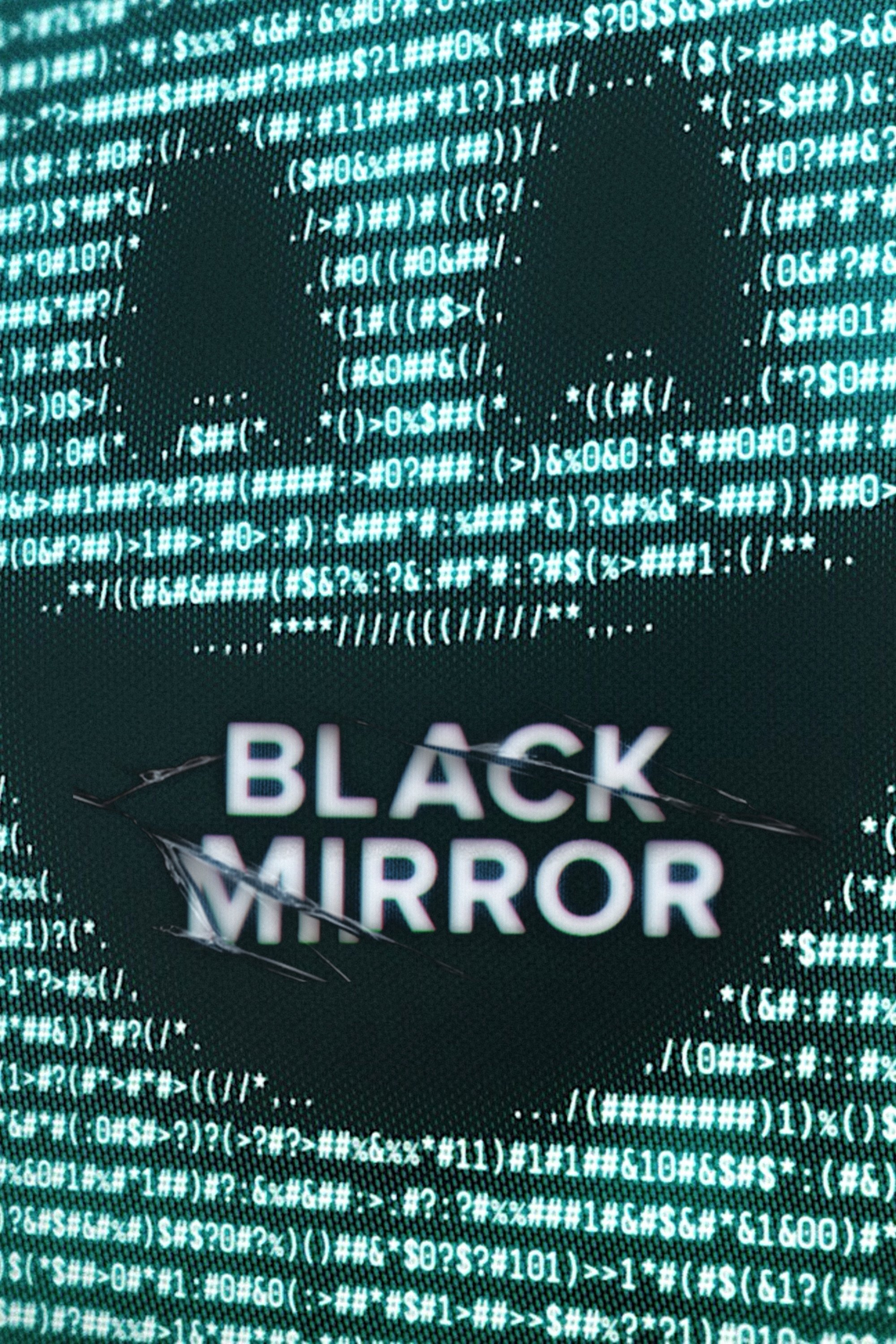
Black Mirror2011
Modern anthology that shares Night Gallery's DNA: each episode is a self-contained nightmare, often tech-driven rather than supernatural. Smart, disturbing, no filler. Feels like what Serling would make today.
But The bleak tone never lets up. Some episodes are nihilistic to the point of exhaustion; there's no warmth to balance the dread.
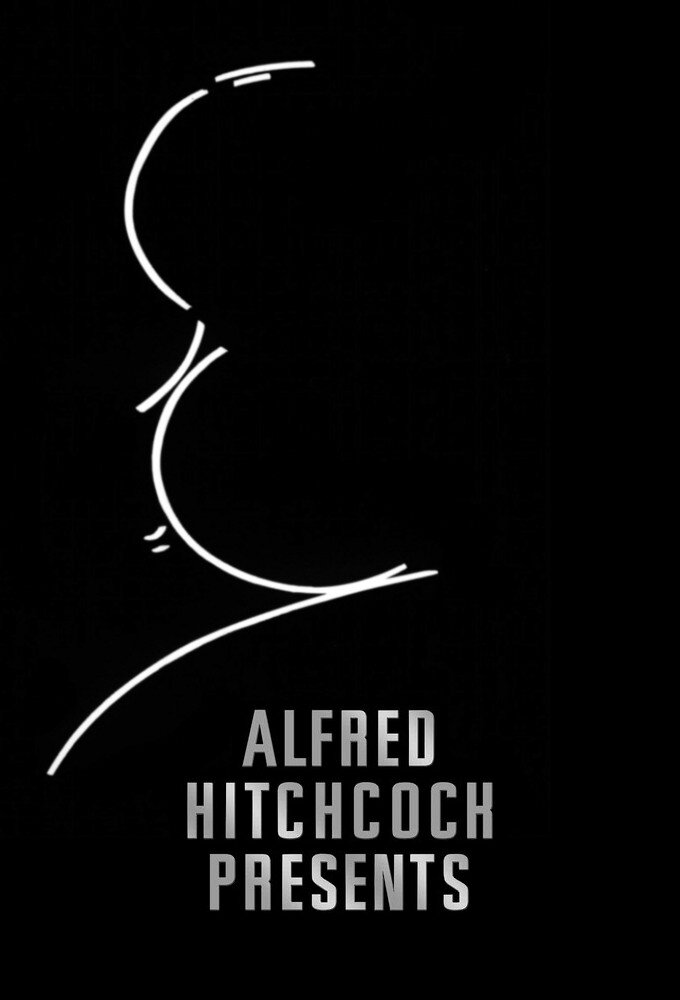
Alfred Hitchcock Presents1955
Serling's contemporary and inspiration. Tense, darkly funny, brilliantly structured. Hitchcock's introductions are iconic. Every episode moves with purpose.
But Less interested in the supernatural or horror than in murder, betrayal, and suspense. If you want monsters, this isn't it.
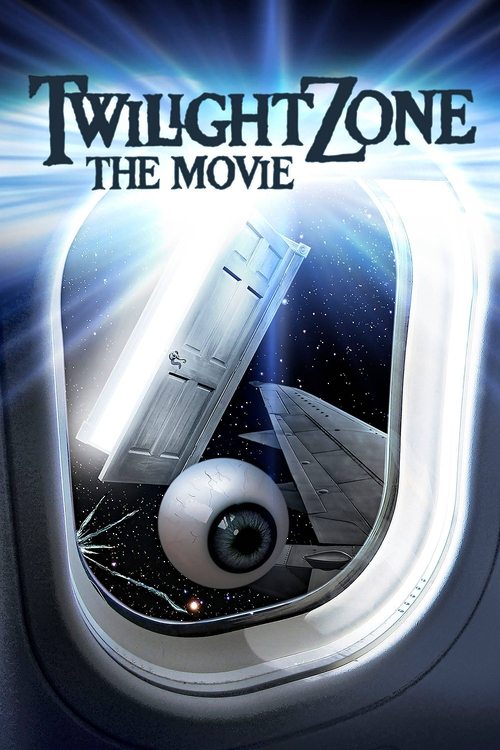
Twilight Zone: The Movie1983
Four directors, four wild takes on Twilight Zone stories. Joe Dante's is hilarious and horrifying, John Landis's is genuinely heartbreaking. More cinematic ambition than TV could offer.
But Uneven. Some segments feel bloated; the ending is marred by tragedy that overshadows the film itself. Mixed quality across the board.
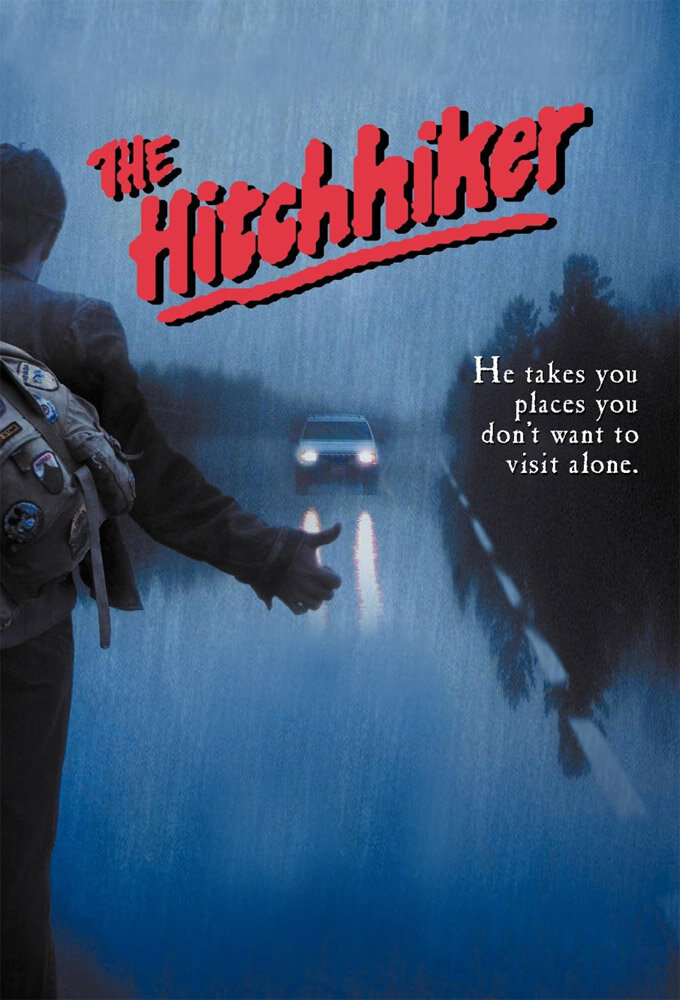
The Hitchhiker1983
Lean, dark, and economical. Each episode is a twisted morality play. No host, no framing device—just pure dread. Severely underrated gem from the early cable era.
But Low budget and minimal production can feel cheap. Some stories are more predictable than others; consistency varies.
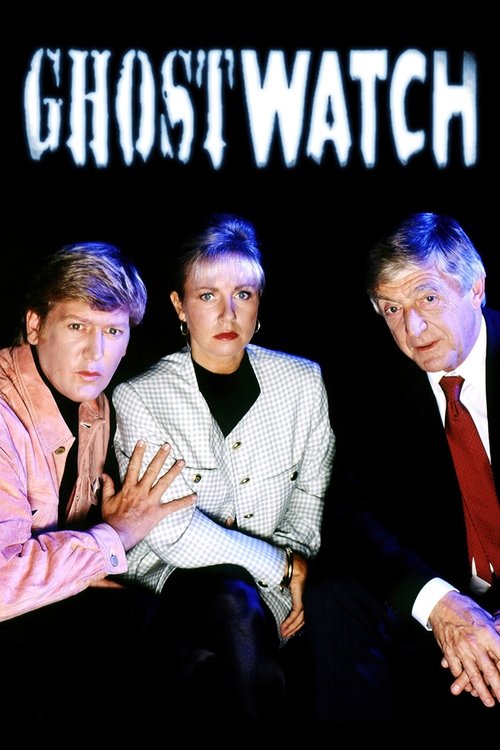
Ghostwatch1992
Like Night Gallery's opening painting, Ghostwatch uses a framing device—the 'live' broadcast—to make you believe something impossible is happening. Both turn format itself into the horror.
A BBC broadcast presented as live investigation of a haunted house. Terrifying found-footage before that was a genre. Feels like a genuine newscast spiraling into chaos. One of the scariest things ever made for television.
But Slow burn that doesn't pay off until the final minutes. Shot as a real broadcast, so it's a lot of talking and mundane investigation. Some will find it tedious.
People
Cast
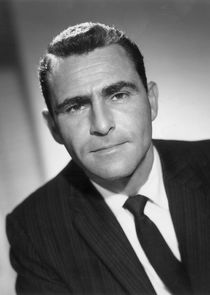 Rod SerlingHost
Directing
- Jack DoranAssistant Director
- Lester Wm. BerkeAssistant Director
- Ralph SariegoAssistant Director
- Robert GilmoreAssistant Director
Writing
- Rod SerlingCreator
Production
- Jack LairdProducer
- Rod SerlingProducer
Recommended by
The Twilight Zone, R.L. Stine's The Haunting Hour, Eerie, Indiana, Alfred Hitchcock Presents, The Strain, Dark Shadows, The Outer Limits, Werewolf, General Electric Theater, Friday the 13th: The Series, Dark Shadows, Banacek, Amazing Stories, The Ray Bradbury Theater, Tales from the Darkside, In Search of....., Body Bags, Twilight Zone: The Movie, Tales from the Darkside: The Movie, My Ghost Story, Hold That Ghost, Bite Size Terror, Masters of Horror, The Hitchhiker, The Booth at the End, Strange Invaders, Ghoulies, The Thing That Couldn't Die, Beyond Belief: Fact or Fiction, Campfire Tales, Irwin Allen's Voyage to the Bottom of the Sea, Mystery of the Wax Museum, Fantasy Island, Alan Garner's The Owl Service, Tales of the Unexpected, One Step Beyond, Poltergeist: The Legacy, Kolchak: The Night Stalker, How Awful About Allan, Thriller, In Search of Ancient Astronauts, Fireside Theatre, Hammer House of Horror, The Sixth Sense, Thriller, Fear Itself, The Unexplained, The Alfred Hitchcock Hour, Don't Be Afraid of the Dark, Tales of Tomorrow, Four Star Playhouse, The Loretta Young Show, Haunted, Suspense, Charlotte, Holidays, Haunts of the Very Rich, Grim Prairie Tales