
Television series
Banacek
- Detective mystery
- Crime
- Dip in and out
Banacek is a slick 1970s insurance investigator who specializes in impossible cases: vanished objects, missing people, elaborate heists pulled off in plain sight. George Peppard commands the screen as a urbane problem-solver who outthinks rather than outruns his quarry. It's a puzzle box wrapped in style—smart, self-contained episodes that trust your intelligence.
Should you watch it?
Watch it if you enjoy the old-fashioned pleasure of a locked-room puzzle, delivered by a smooth, charming investigator who treats each vanishing as a game worth winning.
Skip it if you need fast, modern plotting, since this 1970s series moves at its own unhurried pace and each episode leans on talk and tidy explanations.
What it asks of you: A 90-minute slot per episode, with patience for a leisurely setup, a case laid out in conversation, and an answer that arrives only when the reasoning is finished.
Not sure? Find tonight's pick in a minute.
If you liked this
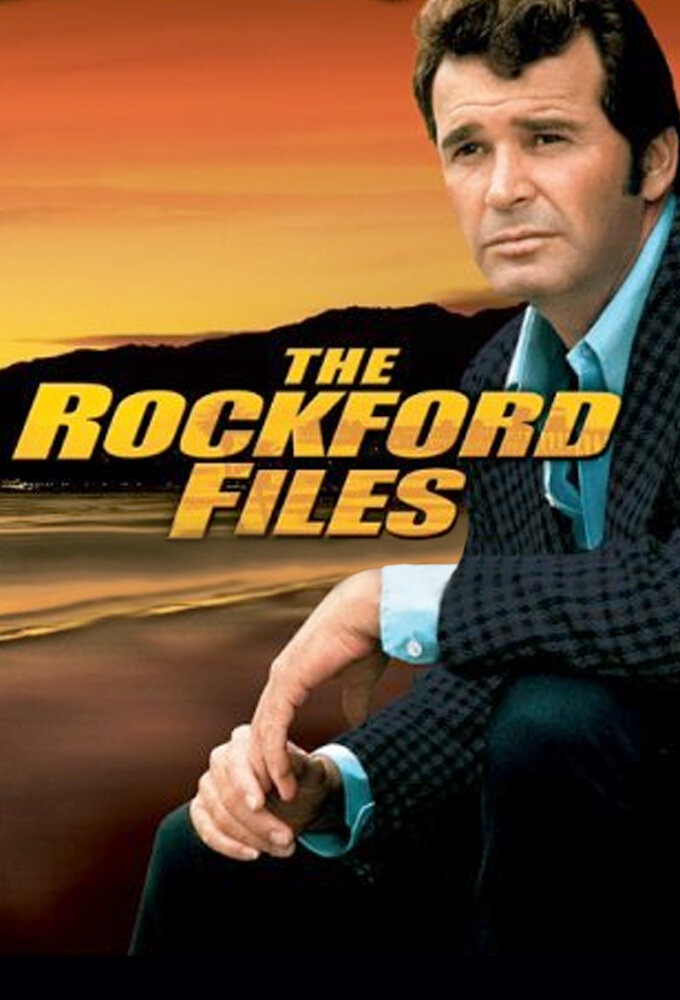
The Rockford Files1974
James Garner's private investigator tackles similar impossible cases with the same blend of charm, legwork, and lateral thinking. It's the closest match in tone and problem-solving DNA, executed with a lighter touch and deeper character work.
But Runs to five seasons; you're committing serious time. The cases can feel routine once you've seen a few, and some episodes lean too heavily on '70s sitcom logic.
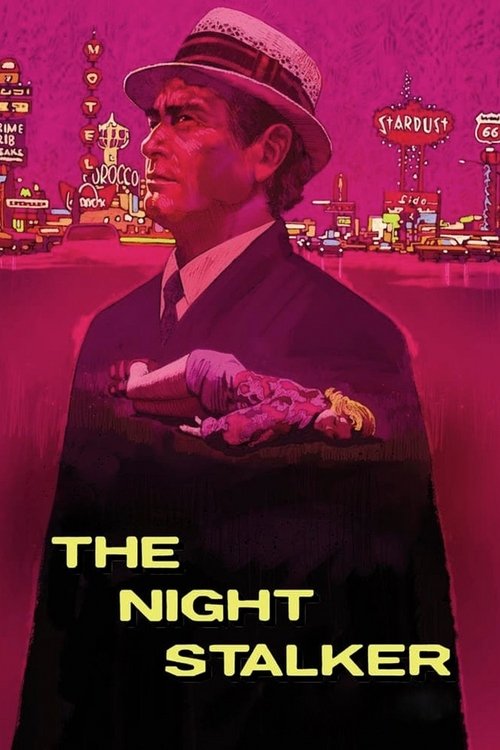
The Night Stalker1972
A supernatural twist on the impossible-case formula: a reporter solves bizarre crimes that defy rational explanation. Same era, same episodic satisfaction, with the added pleasure of genuinely weird situations Banacek would never encounter.
But Veers toward horror-comedy in ways that can feel campy now. The pilot is brilliant; not every episode after maintains that spark.
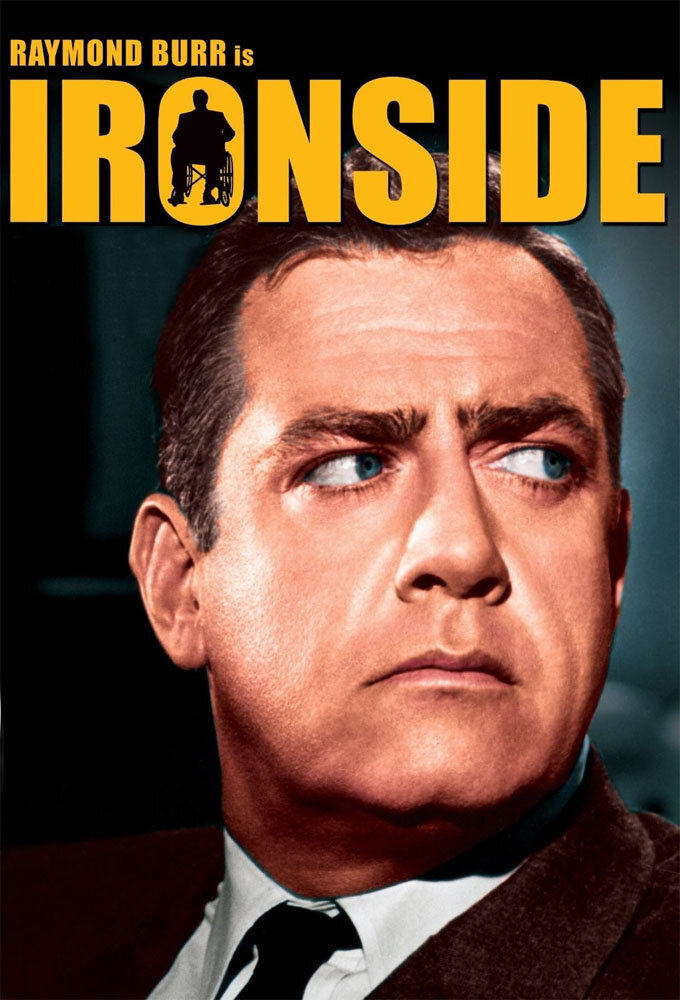
Ironside1967
Raymond Burr as a wheelchair-bound detective solving crimes through intellect rather than physicality. Like Banacek, it's about outthinking the problem. The cases are meaty, the writing sharp, and Burr's authority is effortless.
But Moves slowly by modern standards. Eight seasons is a lot, and the early episodes are better than the late ones. Network TV pacing won't suit everyone.
Not sure tonight? Get a pick in a minute, starting from Banacek
The wildcard
Something you would not have found on your own.
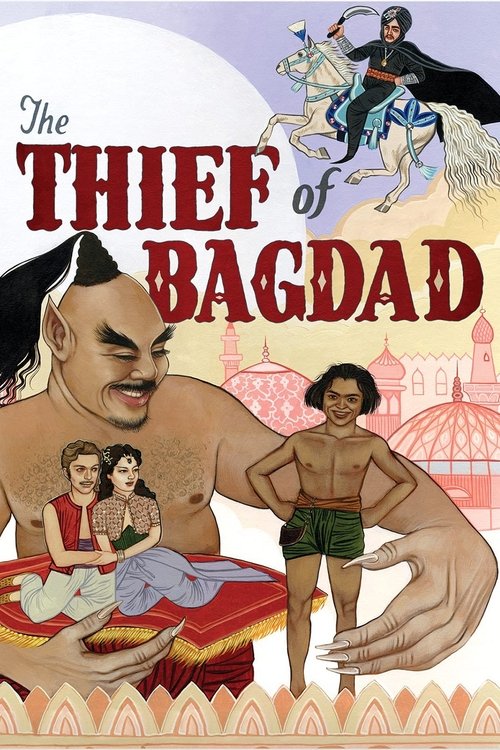
The Thief of Bagdad1940
Both celebrate the mind outsmarting brute force. Banacek and Sabu solve impossible problems not through violence but through cunning, misdirection, and thinking three steps ahead.
Sabu in a Technicolor fantasy where the entire plot is one man using cunning and problem-solving to outwit a sorcerer. It's pure visual imagination in service of elegant trickery—the same satisfaction as Banacek but unfolding through magic and adventure instead of insurance fraud.
But It's a 1940 fantasy film with practical effects and theatrical acting. If you want gritty realism, this isn't it. The pacing is leisurely and very much of its era.
More like this (7)
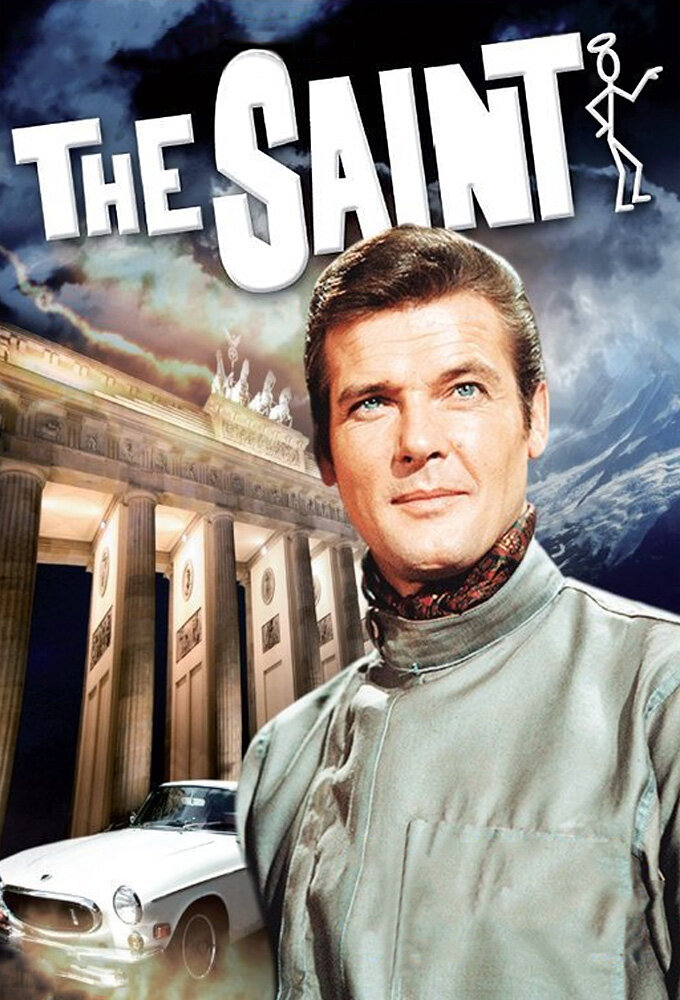
The Saint1962
Roger Moore as Simon Templar, a sophisticated thief and problem-solver working in a morally gray space. It has Banacek's urbanity and the same pleasure in elegant solutions to complicated puzzles, with a lighter, more playful tone.
But Sixties production values will feel quaint. Episodes are uneven; it's very much a show where you'll find your favourites and skip the rest.
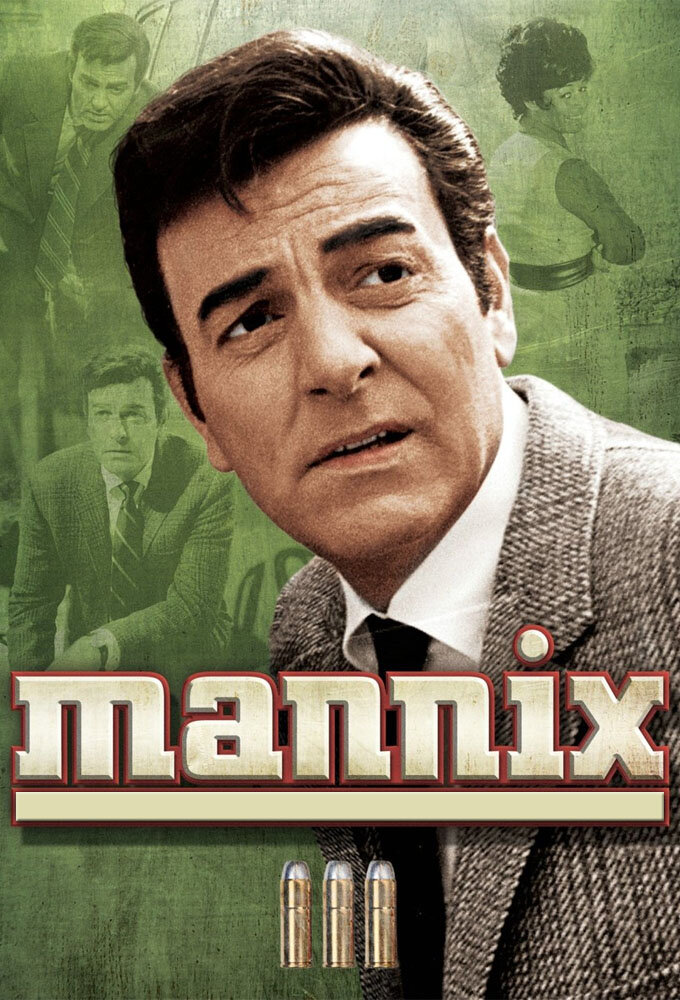
Mannix1967
Mike Connors as a detective who combines legwork with improvisation. It's action-heavier than Banacek but shares the same '70s sensibility and the satisfaction of watching a case come together piece by piece.
But Eight seasons. The early seasons are better structured; later ones repeat beats. Can feel repetitive if you binge too many at once.
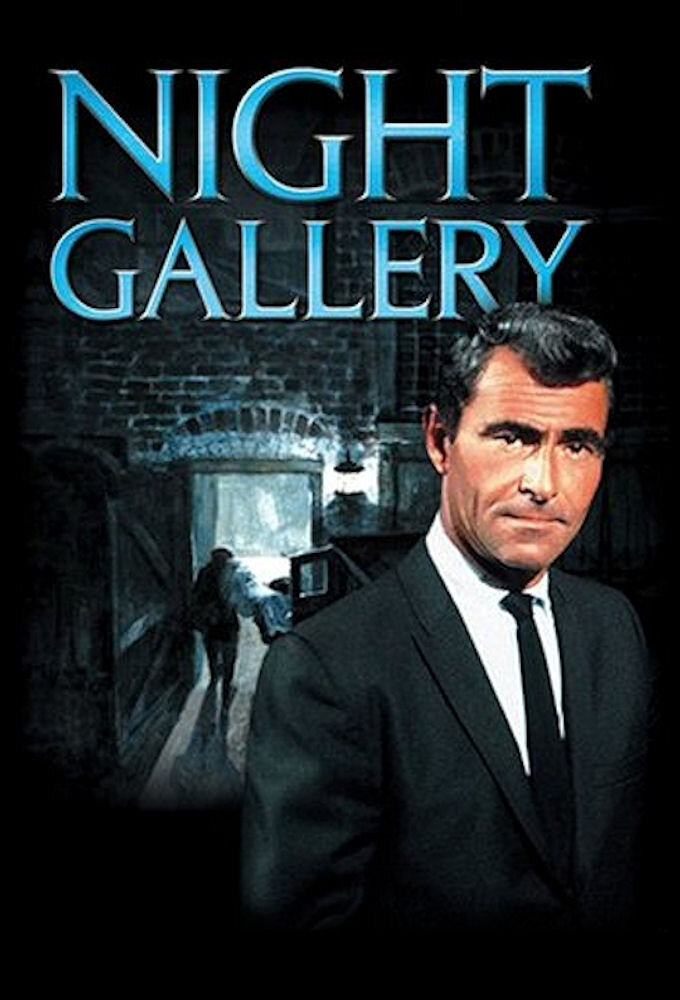
Night Gallery1969
Rod Serling's anthology where each episode presents a puzzle or moral problem. Like Banacek, each story is self-contained and plays with structure and expectation, though here the mystery is often psychological or supernatural rather than procedural.
But Wildly uneven quality. Some episodes are brilliant; others are forgettable filler. You'll want to cherry-pick rather than watch chronologically.
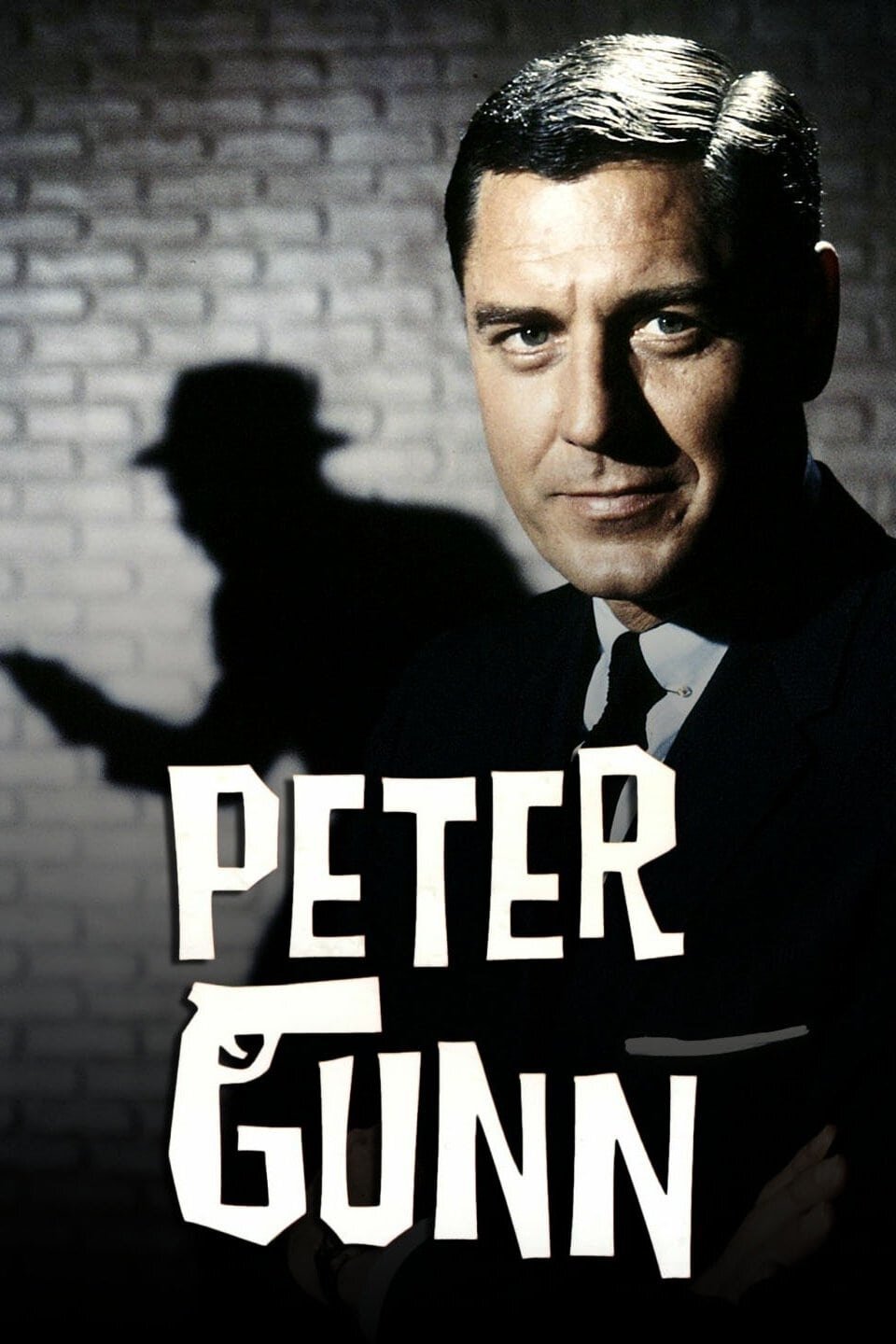
Peter Gunn1958
Blake Edwards' stylish detective series with Henry Mancini's jazz score. It's urbane, cool, and focused on detective work over action. The visual style influenced everything that came after, including shows like Banacek.
But Only three seasons, so you'll run out quickly. The cases are simpler than Banacek's and sometimes feel thin. Very much of its era, which you'll either love or find dated.
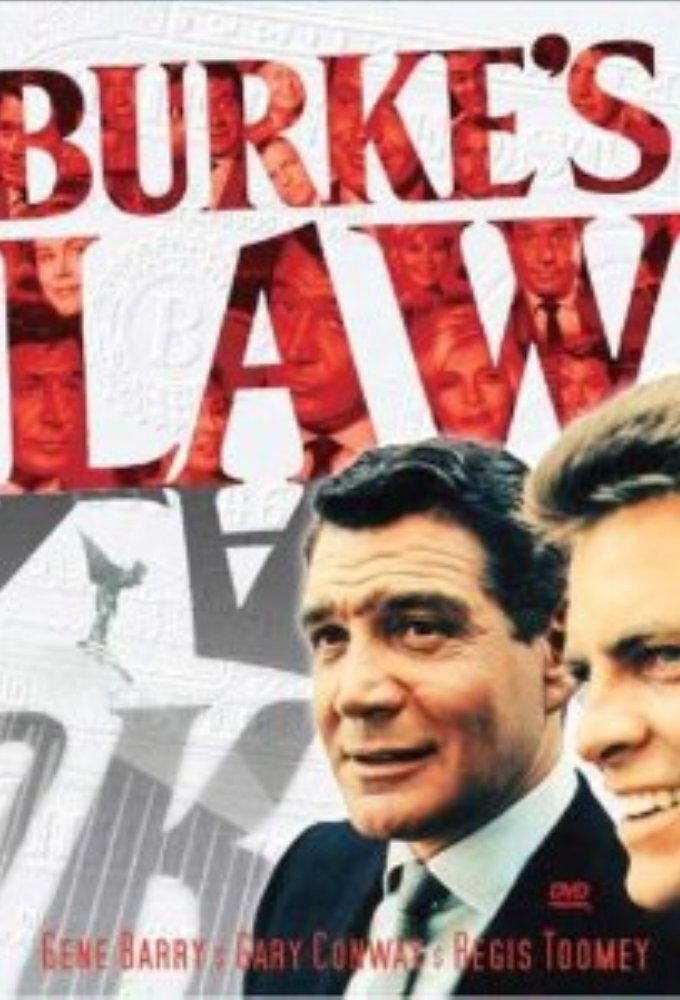
Burke's Law1963
Gene Barry as a wealthy homicide detective solving murders with style and wit. It shares Banacek's focus on clever plotting and the pleasure of watching someone talk their way through a problem rather than muscle their way out.
But Four seasons of variable quality. Some episodes feel like exercises in style over substance. The cases don't always hold together logically.
Catch Me If You Can2002
Both are about intelligent men solving impossible problems. Where Banacek finds missing objects, Frank Abagnale creates false identities. The engine is the same: human ingenuity outsmarting systems.
Spielberg's film about a real con artist (Leonardo DiCaprio) outrunning the FBI (Tom Hanks). It's a cat-and-mouse game of wits across continents, beautifully shot, with the same pleasure in watching someone talk and think their way through impossible situations.
But It's a heist film, not a mystery, so the satisfaction works differently. Some find it superficial compared to the novel. It's also quite long for what it does.

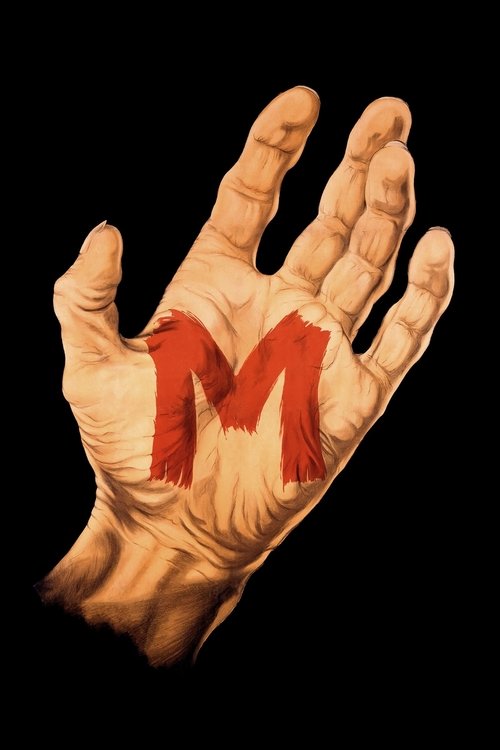
M1931
Both are about methodical investigation of the seemingly impossible. Banacek solves vanishing acts; M solves how to catch someone who doesn't want to be found. Both trust that logic, not luck, will win.
Fritz Lang's masterpiece about a city hunting a serial killer using logic, procedure, and the power of collective problem-solving. It's German Expressionism in service of a procedural puzzle, lean and hypnotic, about how to find the unfindable.
But It's a 1931 silent film (or early talkie, depending on the version). Black and white, slow by modern standards, subtitled. Not for anyone expecting Hollywood entertainment.
People
Cast
Directing
- Reuben L. WattAssistant Director
Writing
- Anthony WilsonCreator
- Robert Van ScoykExecutive Story Editor
Production
- George EcksteinExecutive Producer
- Howie HorwitzProducer
Recommended by
The Rockford Files, Harry O, McMillan & Wife, Dynamo: Magician Impossible, Cannon, Tenafly, Probe, Hardcastle and McCormick