
Television series
Harry O
- Crime
- Dip in and out
Harry O is a 1970s detective series built on a simple, elegant premise: a wounded ex-cop running a low-key PI operation from a beach house, solving cases with unglamorous competence. David Janssen's Harry is tired, smart, and unmoved by the machinery of crime and punishment. It's the anti-procedural—more interested in character than spectacle, closer to a mood than a plot machine.
Should you watch it?
Watch it if you enjoy a patient, character-driven detective show where the pleasure lies in a damaged, wry hero moving slowly through a case and the seaside California atmosphere, closer in feel to a quiet 1970s private eye than a puzzle box.
Skip it if you want brisk plotting and constant momentum, since this series spends a lot of its hour on mood, small talk and the hero's physical struggles to get around, and the mysteries can feel thin.
What it asks of you: Each episode runs about an hour and moves at an unhurried pace, so you need to settle in and be happy with stillness, long pauses and talk that wanders before it tightens.
Not sure? Find tonight's pick in a minute.
If you liked this
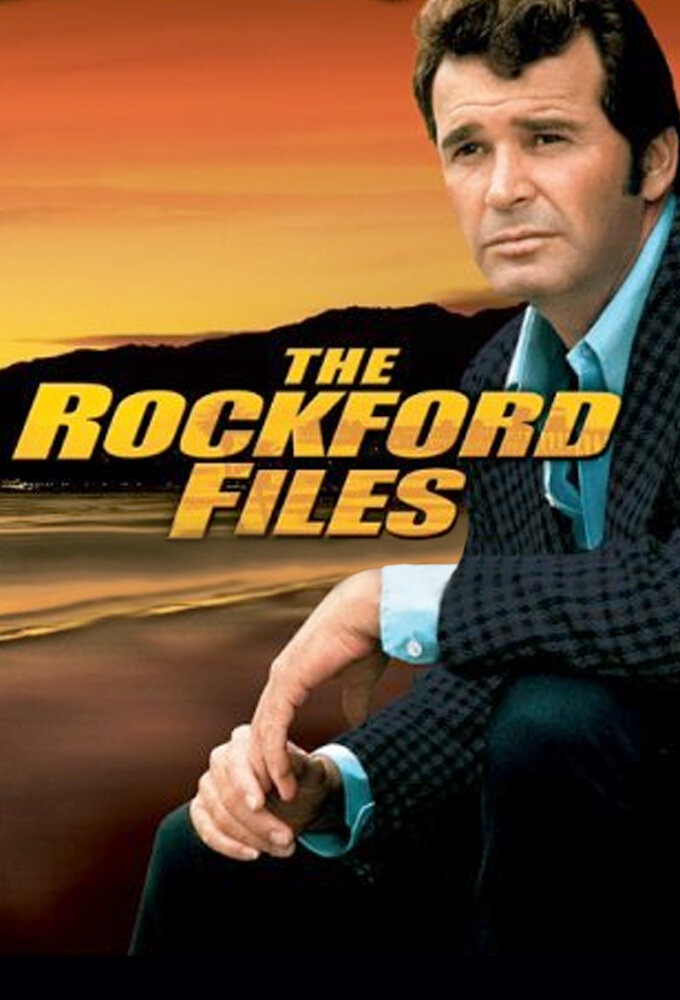
The Rockford Files1974
Jim Rockford is Harry's spiritual cousin: a private investigator in the same era, handling messy cases with wry humour and improvisation. Same DNA, different temperament. Janssen's show is the serious version; this is the clever, funny one.
But If you want the grounded, quiet tone of Harry O, Rockford's wisecracks and comedic setups will feel like tonal whiplash.
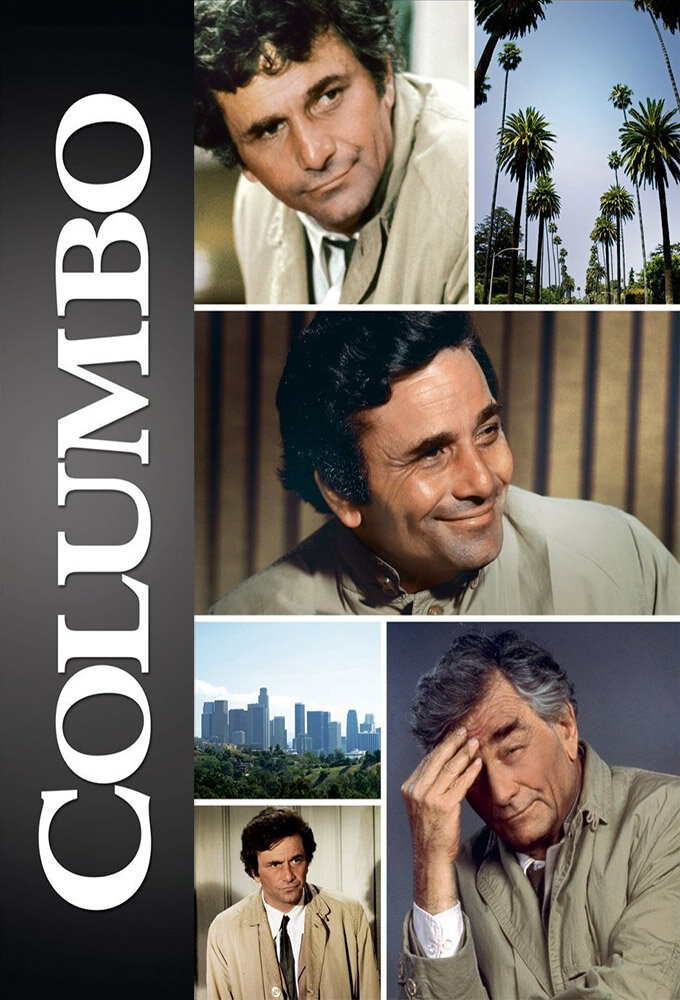
Columbo1968
Both are inverted detective stories where you watch the crime from inside before watching the solver circle it. Both stars carry the show on performance rather than plot. Columbo is the gold standard of this format—messy, humane, brilliant.
But Columbo runs ninety minutes per episode and indulges in lengthy character sketches. If you want lean and tight, this is bulky.
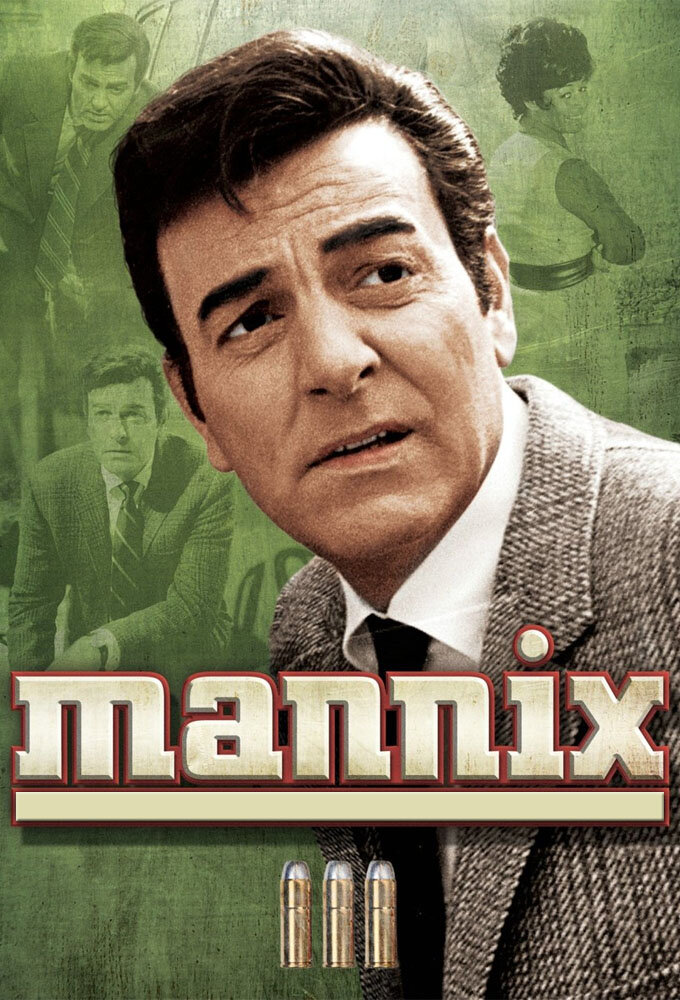
Mannix1967
A private investigator in the same decade, solving crimes in Los Angeles with more action than Harry O but the same kind of world-weariness. Mike Connors brings a slightly harder edge; it's the bridge between noir and the 1970s.
But Mannix leans more heavily into fistfights and car chases. If you came for the thinking, this has more of the doing.
Not sure tonight? Get a pick in a minute, starting from Harry O
The wildcard
Something you would not have found on your own.
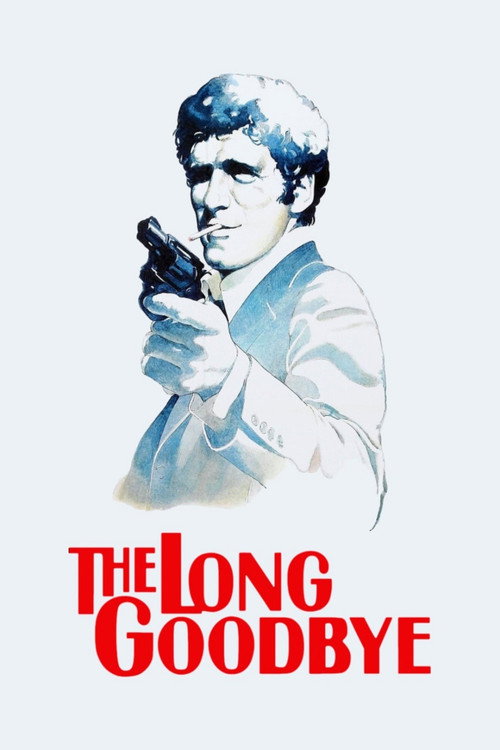
The Long Goodbye1973
Both present the detective as witness to a world that doesn't care about morality—a man solving crimes in a landscape that rewards cynicism.
Robert Altman's Marlowe adaptation came out the same year as Harry O began. It's a detective movie that moves like a mood, more interested in the decay of Los Angeles and masculine obsolescence than plot mechanics. Elliot Gould's Marlowe shares Harry's world-weariness and economic precarity.
But Altman's style is deliberately shaggy and anti-dramatic. If you want clarity and momentum, this film actively works against that.
More like this (7)
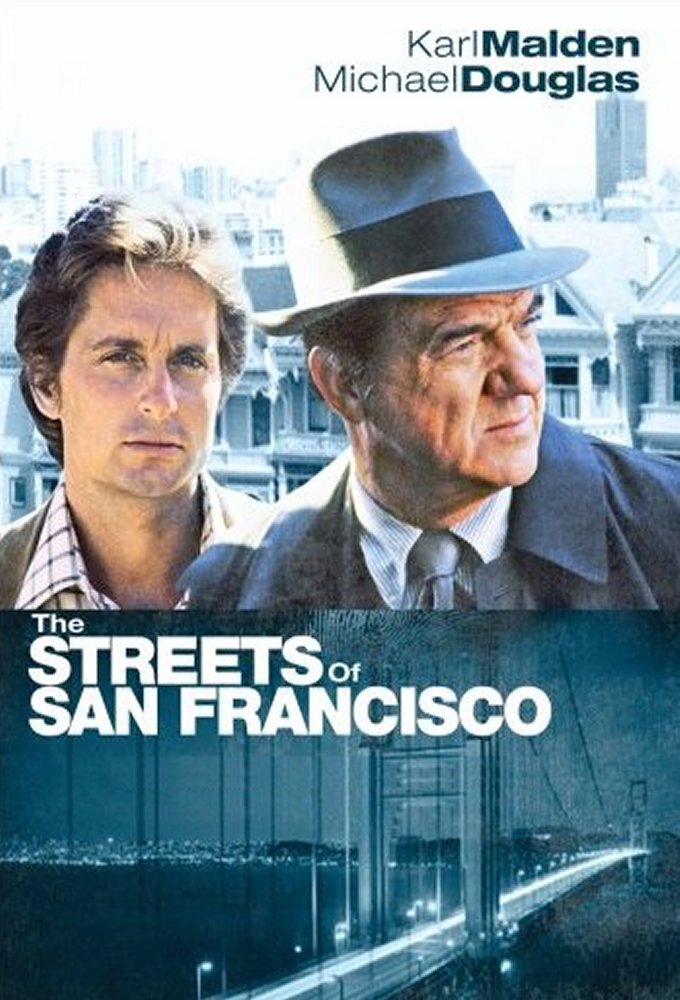
The Streets of San Francisco1972
Set in the same city, same era, with Karl Malden and Michael Douglas as cops grinding through cases. Lighter on philosophy, heavier on procedure, but that San Francisco mood is real and the writing is excellent.
But It's a procedural, which means it's interested in the machinery Harry O treats as background noise.
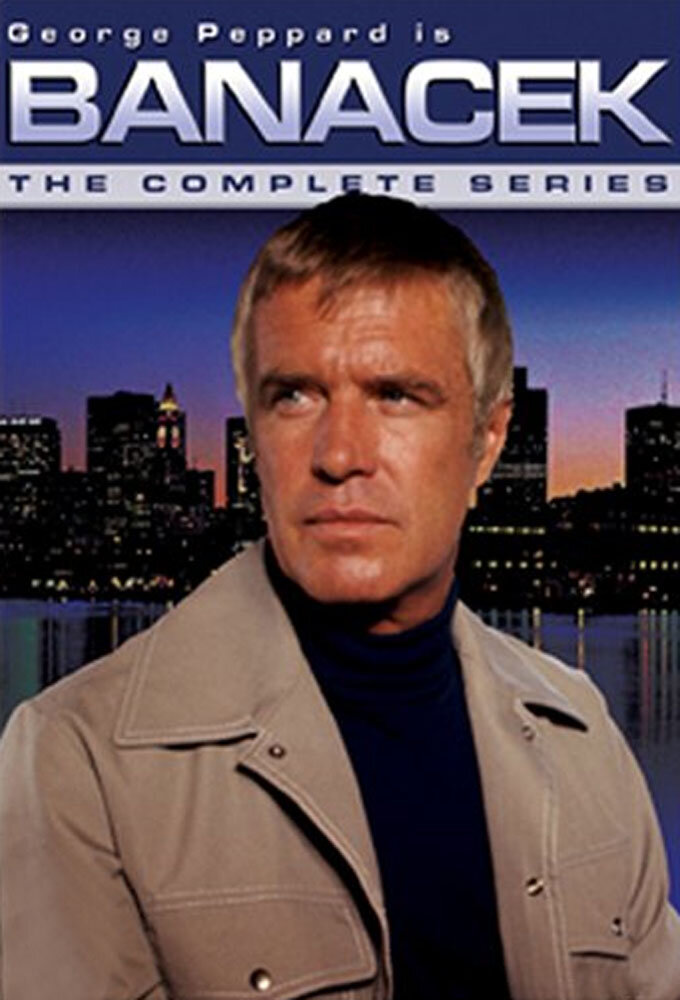
Banacek1972
George Peppard as an insurance investigator solving thefts with style and brains. Similar tone to Harry O—intelligent, character-driven, interested in the problem rather than the action.
But It has a more theatrical, almost playful energy. If you want grit, this leans toward charm.
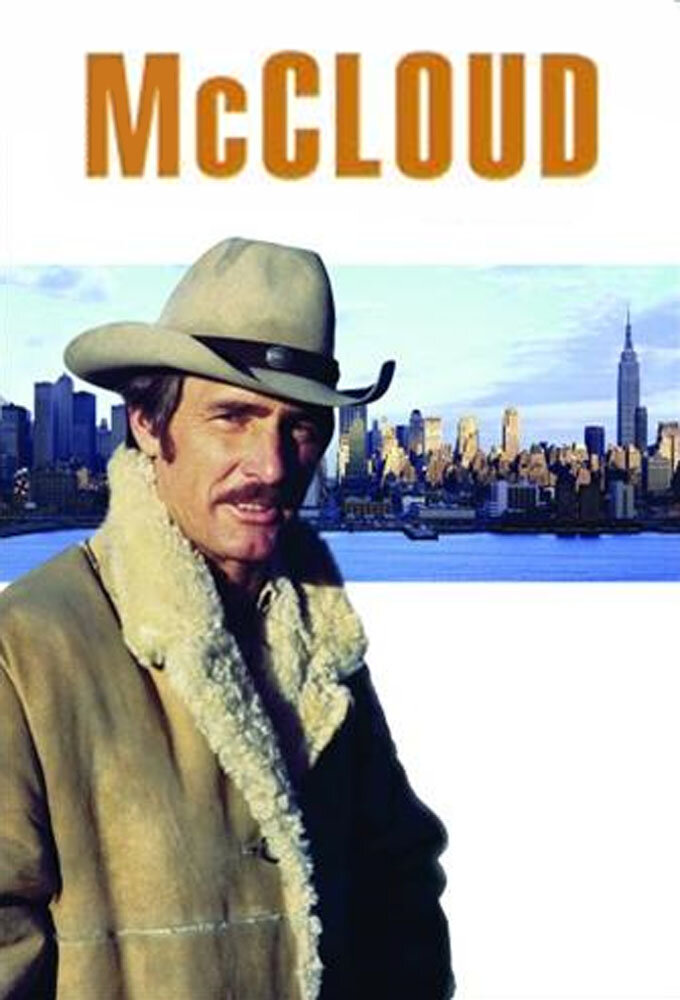
McCloud1970
Dennis Weaver as a New Mexico lawman loose in New York City, solving cases with folk-wisdom and stubbornness. Like Harry O, it's built on a character you want to watch, not just a plot you want to follow.
But It's more cheerful and more optimistic than Harry O. The show has a lighter heart.
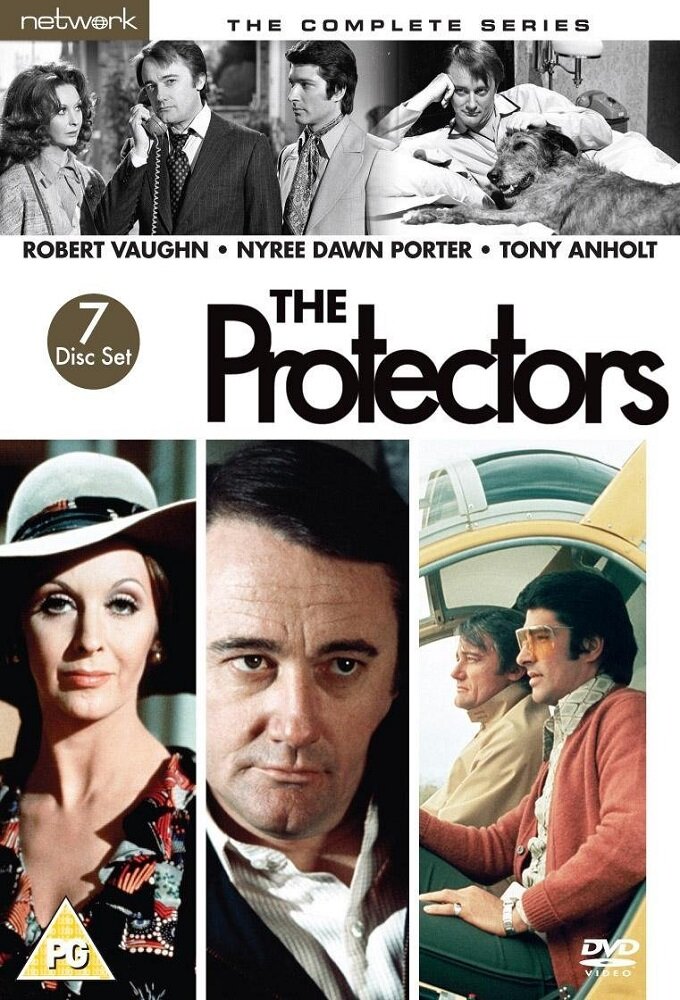
The Protectors1972
Robert Vaughn as a security expert handling cases across Europe. Intelligent, understated, interested in problems rather than spectacle. Similar to Harry O in philosophy, different in scale.
But It's slicker and more international than Harry O's grounded San Diego setting. Some may find it less real.
Tenafly1973
James Tennefly, a Black private investigator in a show created by Richard Levinson and William Link. Well-written, thoughtful, committed to character. Solid, unpretentious detective work.
But It's shorter-lived and harder to find. It never reached the cultural foothold of Harry O, so the case-to-case variation might feel less polished.
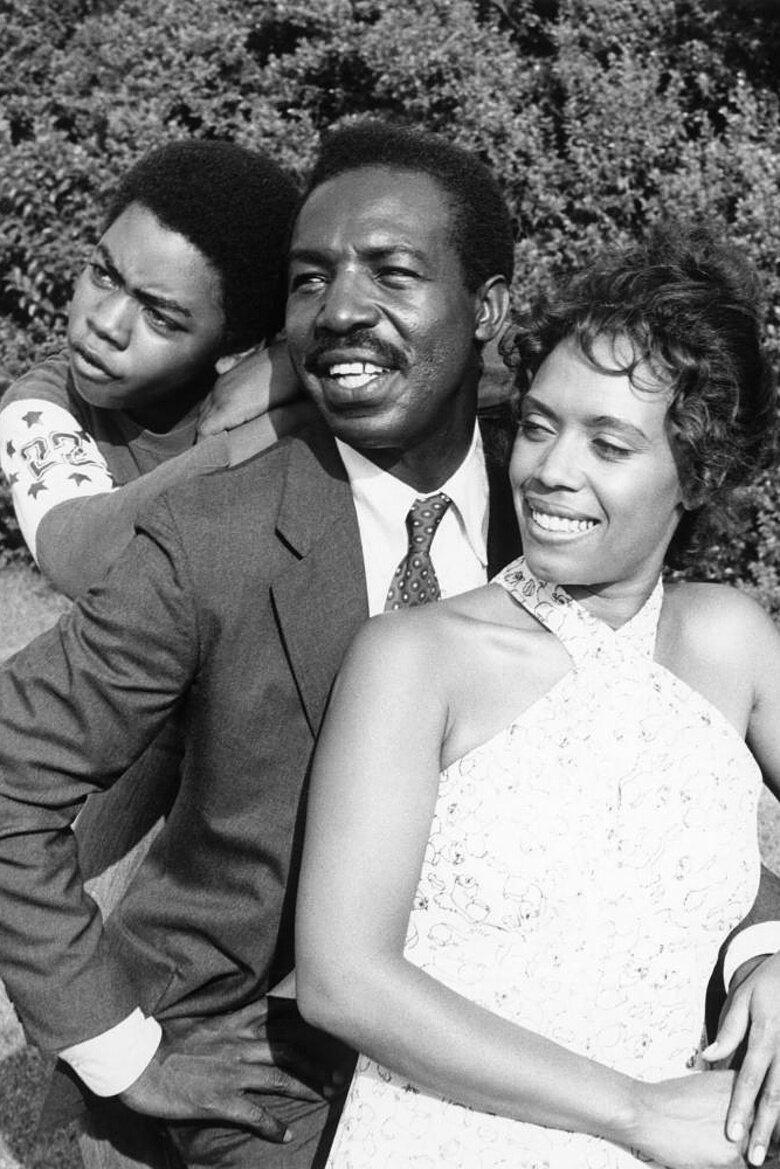
Night Moves1975
Both works believe the private investigator is a man trying to maintain ethics in a system designed to corrupt them, and both show him failing.
Gene Hackman as a private investigator unravelling a case that keeps slipping away. Arthur Penn's film is paranoid, beautiful, and deeply pessimistic—a detective story that believes the detective is complicit. Morally serious in a way most crime stories aren't.
But It's deliberately ambiguous and morally murky. If you need resolution and clarity, this will frustrate you.
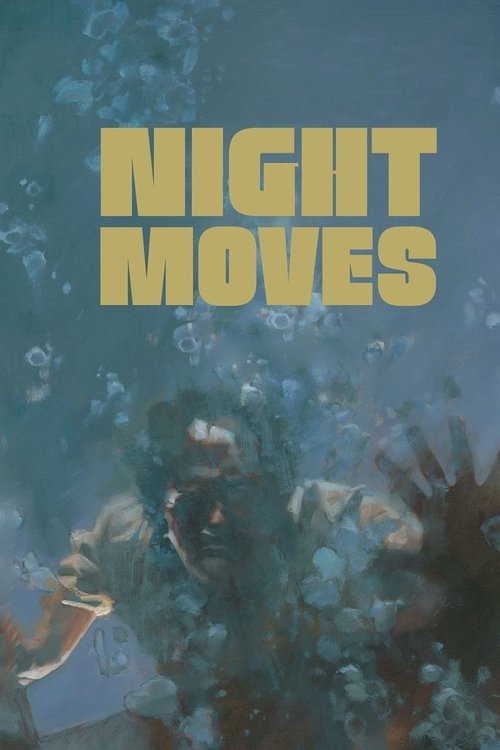
Thief1981
Both are stories about men working alone, building lives on small budgets and steady skills, treating emotional distance as a survival strategy and also as a form of honesty.
Michael Mann's film about a master thief, James Caan, keeping his own code in Chicago. Not a detective story, but built on the same foundation: a skilled man working alone, keeping his distance, solving problems with competence rather than emotion. The mood and the intelligence are Harry O's cousins.
But It's a thief's story, not a cop's. If you want the crime-solving angle specifically, this approaches it from the opposite side.
People
Cast
Writing
- Howard RodmanCreator
Production
- Jerry ThorpeExecutive Producer
- Robert E. ThompsonProducer