
Television series
Cannon
Cannon is a 1970s private detective series built around William Conrad's unlikely protagonist: a heavyset, expensive-tastes operative who solves crimes through dogged legwork and street smarts rather than heroics. Methodical, character-driven, and deeply rooted in procedural detail, it's television for people who want to watch a capable adult work.
If you liked this
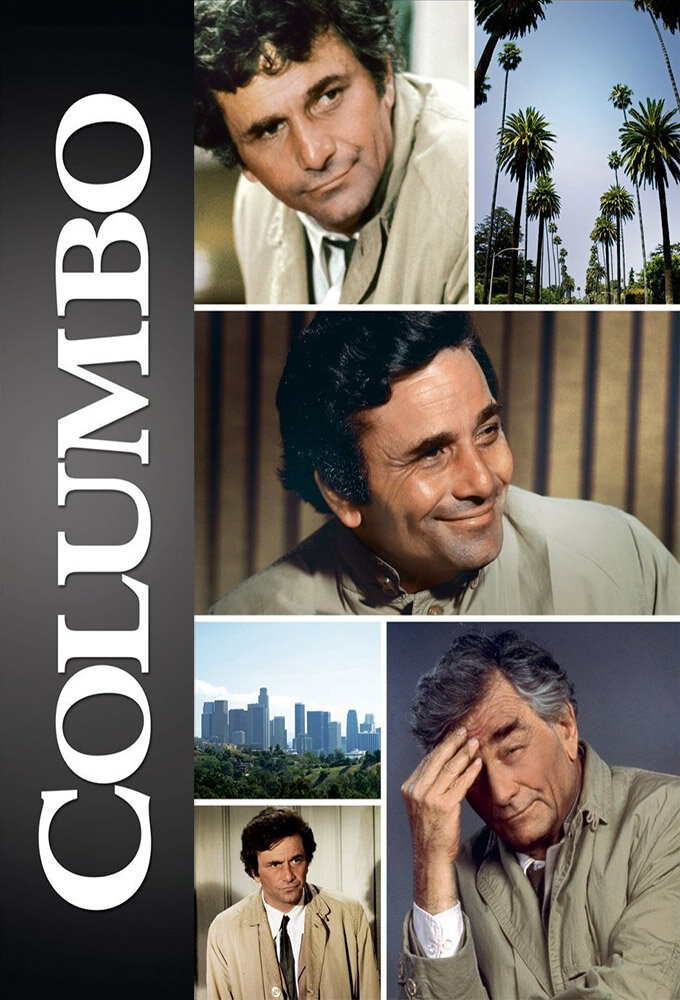
Columbo1968
A detective who disarms suspects with apparent bumbling while building airtight cases. Like Cannon, it prioritizes intellect and patience over action, and Peter Falk's performance is a masterclass in character work.
But The formula can feel repetitive if watched in bulk. Episodes run long, and the show trusts its audience's patience, which modern television has trained out of us.
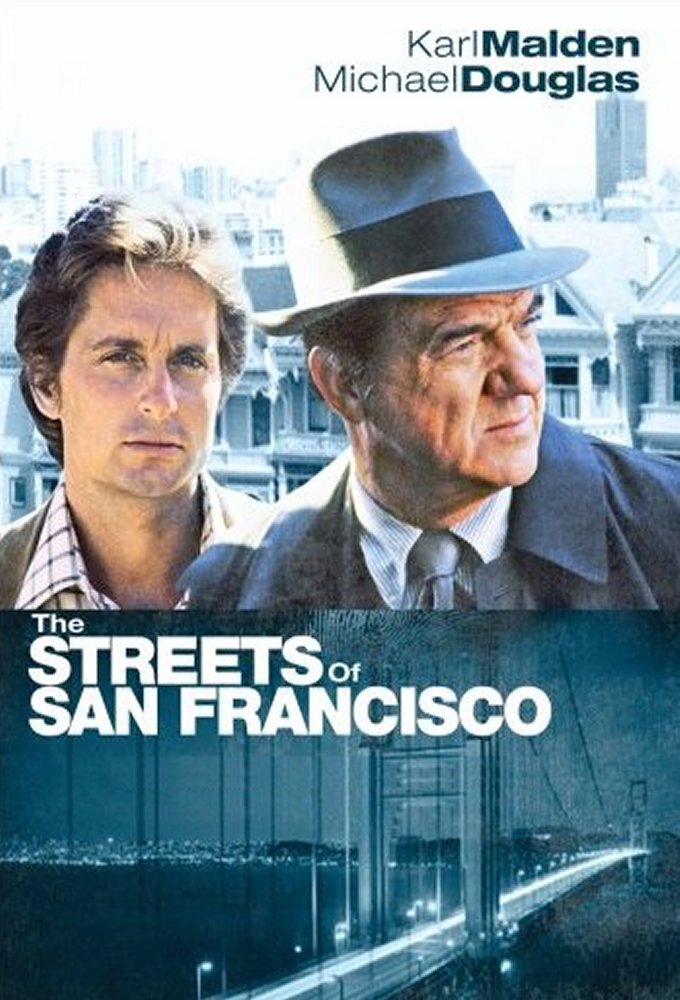
The Streets of San Francisco1972
Urban crime procedural with Karl Malden and Michael Douglas investigating cases across a richly detailed city. The same DNA as Cannon: character-driven, methodical, and interested in the work itself.
But Pacing is glacial by modern standards. Long stretches with minimal plot movement will test your appetite for old-school television rhythm.
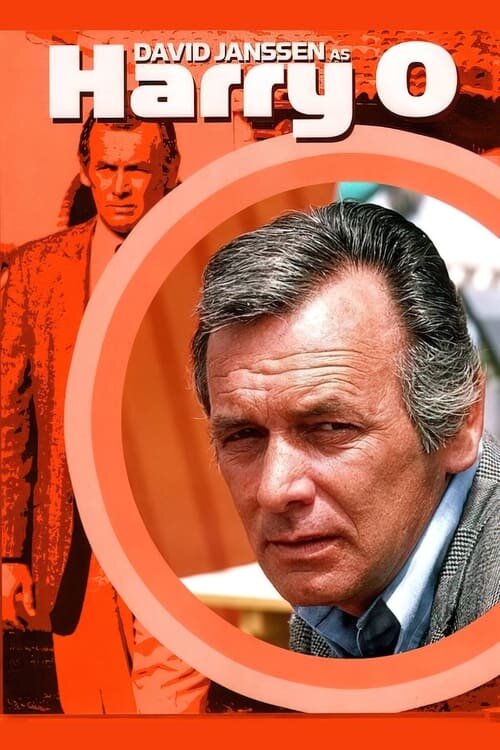
Harry O1973
A retired cop turned private investigator operating on a modest scale in San Diego. Like Cannon, it finds drama in constraint—Harry has less money, fewer connections, but the same fundamental competence.
But The show struggled with identity and shifted tone across its run. Earlier episodes are stronger, later ones less sure of what Harry is for.
Not sure tonight? Get a pick in a minute, starting from Cannon
The wildcard
Something you would not have found on your own.
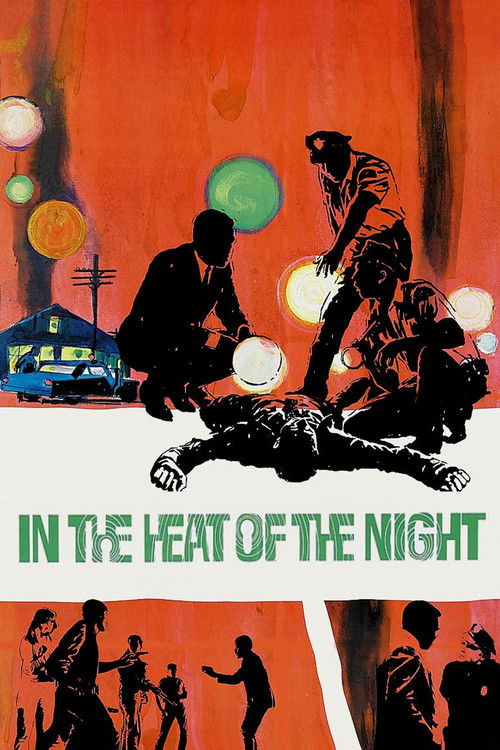
In the Heat of the Night1967
Both Cannon and Virgil Tibbs must prove their worth and competence to people resistant to respecting them. The detective work is inseparable from the character's social position.
Sidney Poitier and Rod Steiger investigating a murder in the segregated South, working through racism, suspicion, and power dynamics to solve the case. Both films center capable men doing methodical detective work in hostile environments where their authority is questioned.
But The racial context is heavy and essential; it's not a detached procedural. The film is interested in discomfort as much as detection, and that weight won't be everyone's evening.
More like this (8)
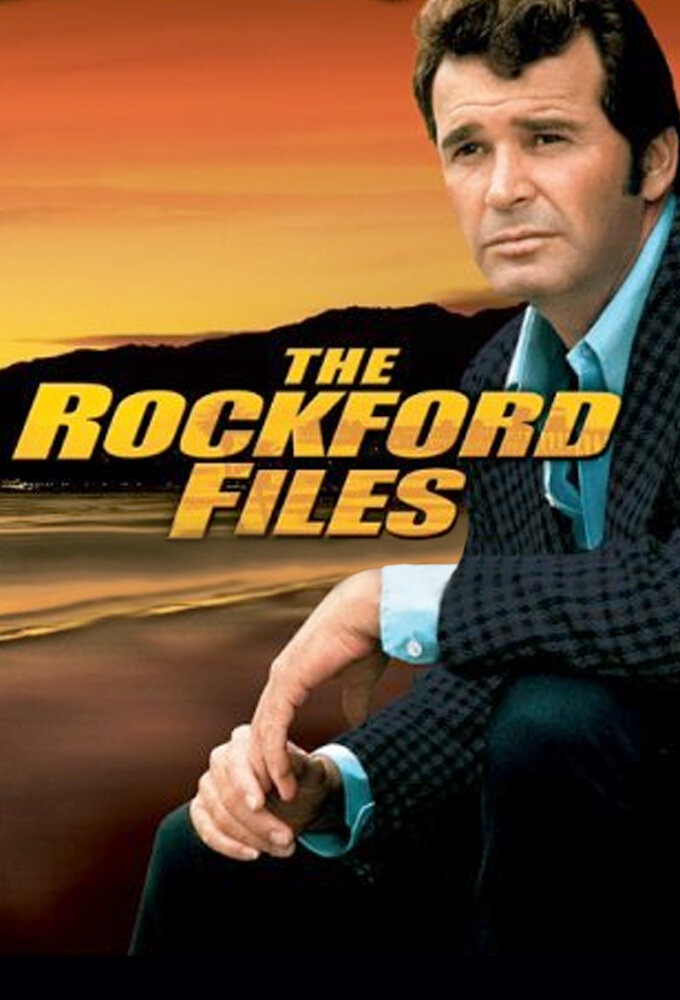
The Rockford Files1974
Jim Rockford is a private detective with charm and hustle. Sharper and lighter than Cannon, but built on the same foundation: a character's integrity and improvisation mattering more than department resources.
But Considerably more action-oriented and comedic than Cannon. If you're drawn to Cannon's methodical gravity, Rockford's quicksilver tone might feel lightweight.
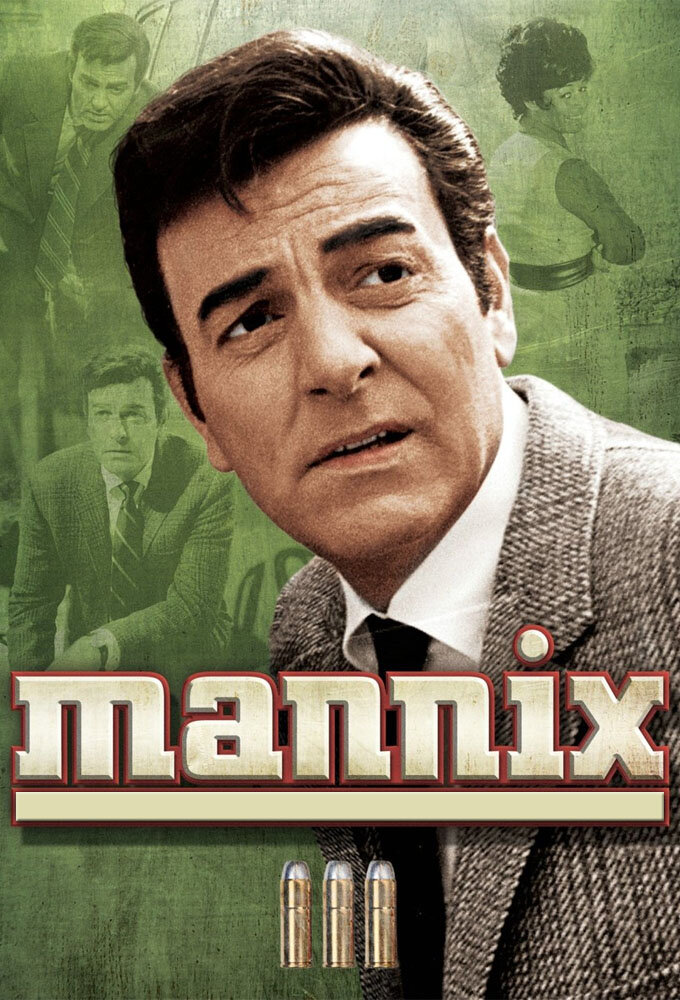
Mannix1967
Joe Mannix solves crimes through legwork, connections, and sheer determination rather than firearms. Runs long and deep into procedural detail, rewarding patience with genuinely satisfying investigation arcs.
But Some episodes lean toward soap-opera melodrama. The show's tone isn't always consistent, and the pacing assumes a commitment older TV audiences gave freely.
The Asphalt Jungle1950
John Huston's heist-crime blueprint focuses on competent professionals planning and executing a score. The same procedural intelligence as Cannon, showing work and expertise rather than luck.
But It's in black and white, filmed in 1950, and moves with the patience of that era. Modern viewers sometimes find the pace languid.

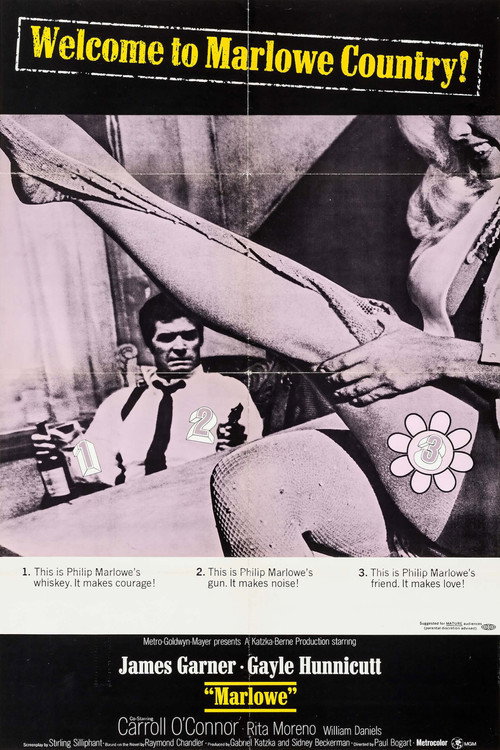
Marlowe1969
James Garner as Raymond Chandler's detective, working cases with intelligence and wariness through Los Angeles. The film captures the private-detective tradition that shaped Cannon's DNA.
But It's episodic and occasionally feels like a TV pilot. The mystery itself is less compelling than watching Marlowe navigate the job.
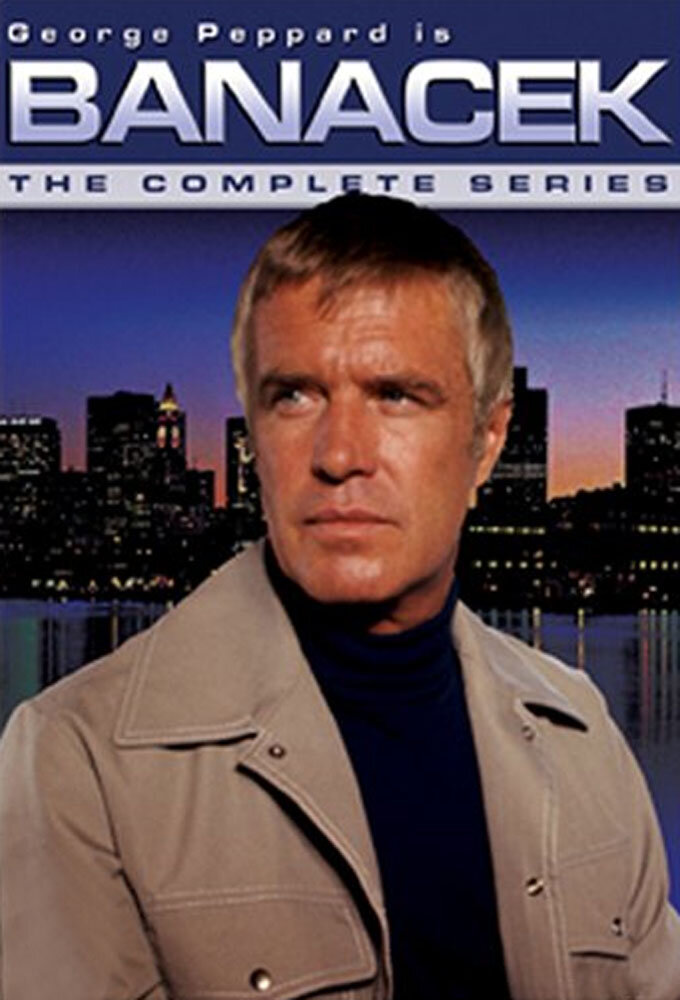
Banacek1972
George Peppard as a freelance insurance investigator solving impossible cases. Procedurally rigorous, character-focused, and genuinely clever in how it constructs mysteries around the rules of its world.
But The cases are so intricate they occasionally fold back on themselves confusingly. You have to stay sharp, and sometimes the puzzle matters more than the character.
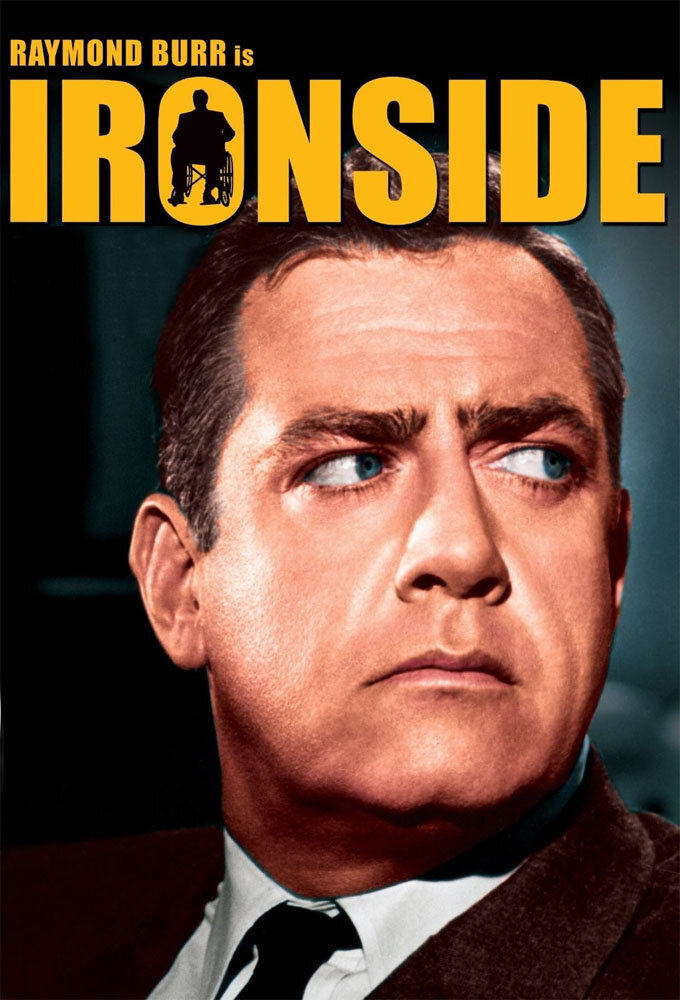
Ironside1967
Raymond Burr as a paralyzed detective working cases from his wheelchair. A character defined by limitation and adaptation, finding solutions through intellect and persistence rather than physical advantage.
But Earnestness that veers into sentimentality, especially about Ironside's disability. Some episodes feel more invested in inspiration narrative than crime-solving.
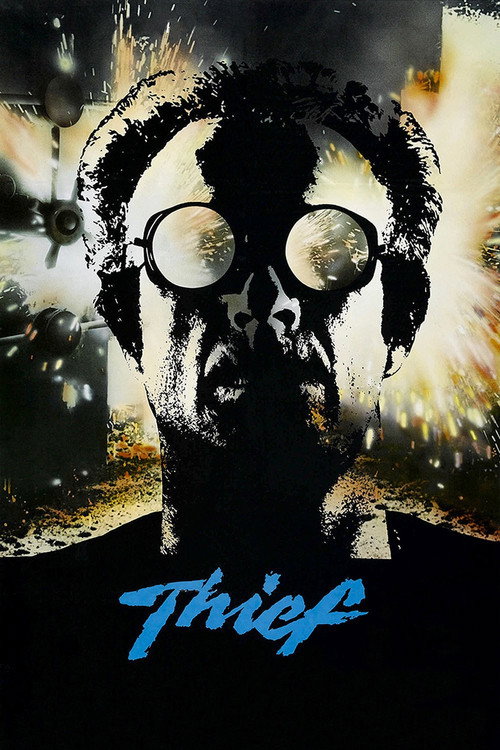
Thief1981
Both are about highly skilled professionals whose intelligence and meticulousness define them. The romance isn't in the job's outcome but in watching someone excellent at what they do.
Michael Mann's film about a safecracker's meticulous method, planning, relationships, and the costs of the life. Gorgeously composed and fascinated by how competent people work—the texture of their expertise matters more than plot.
But It's moody, long, and almost meditative in its pacing. If you want narrative momentum and resolution, this will feel glacial and unsatisfying.
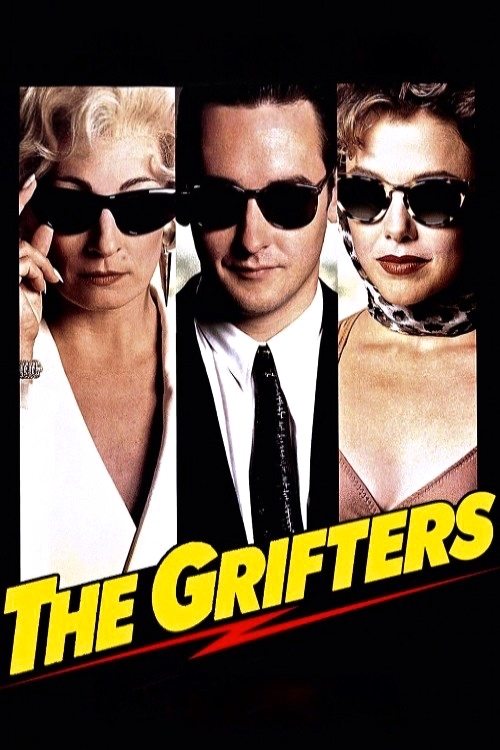
The Grifters1990
Both are interested in the unglamorous details of how skilled people make money—the calls, the negotiations, the planning. The work is the story.
John Huston's final film follows con artists—specifically John Cusack, Annette Bening, and Anjelica Huston—working angles and managing relationships. Like Cannon, it's fascinated by how people work, what they know, and how they use it.
But It's morally murky in ways that might alienate you. Nobody wins, nobody learns, and the film doesn't apologize for that bleakness.
People
Cast
Directing
- Barry SteinbergAssistant Director
- Charles Scott, Jr.Assistant Director
- David WhorfAssistant Director
- Don TorpinAssistant Director
- Hap WeymanAssistant Director
- John BowmanAssistant Director
- Kurt NeumannAssistant Director
- Lloyd AllenAssistant Director
- Lou PlaceAssistant Director
- Ray De CampAssistant Director
- Steve BernhardtAssistant Director
- Walt GilmoreAssistant Director
Writing
- Edward HumeCreator
- Earl BoothExecutive Story Editor
- Gene ThompsonExecutive Story Editor
Production
- Howard AlstonAssociate Producer
- Leigh VanceAssociate Producer
- Paul PlaydonAssociate Producer
- Quinn MartinExecutive Producer
- Adrian SamishProducer
- Alan A. ArmerProducer
- Anthony SpinnerProducer
- Arthur FellowsProducer
- Harold GastProducer
- Herman MillerProducer
- Leigh VanceProducer
- Winston MillerProducer
- Adrian SamishSupervising Producer
- Russell StonehamSupervising Producer