
Film
Marlowe
Other titles called Marlowe: the 2023 film.
James Garner's Philip Marlowe is a Raymond Chandler adaptation that trades hard-boiled cynicism for easygoing charm without losing the case's genuine danger. It's a 1969 LA noir that feels like a comfortable suit—smart, unpretentious, and quietly assured. Perfect for fans of mystery who want atmosphere without pretension, or Garner devotees curious to see him in something close to noir.
If you liked this
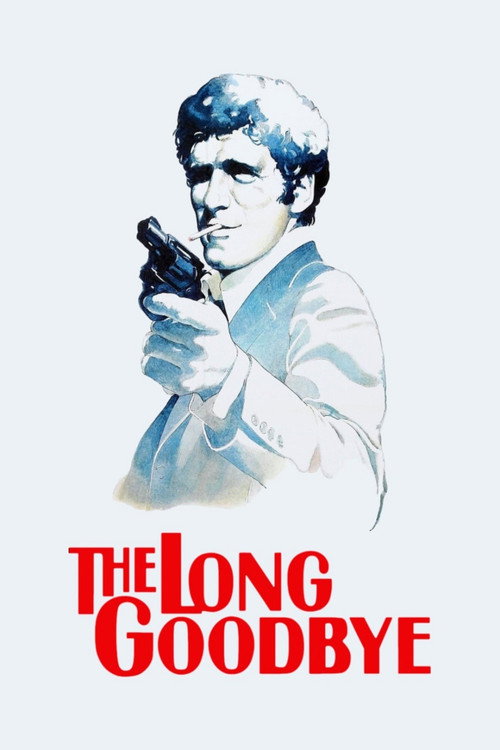
The Long Goodbye1973
Robert Altman's Marlowe film strips Chandler down to mood and moral confusion. Elliott Gould's slouching, almost pathetic detective finds meaning in loyalty amid a city that doesn't care. Devastatingly good.
But It's anti-noir in spirit—deliberately unglamorous, digressive, and resistant to the satisfying answers a mystery usually provides. Patience required.
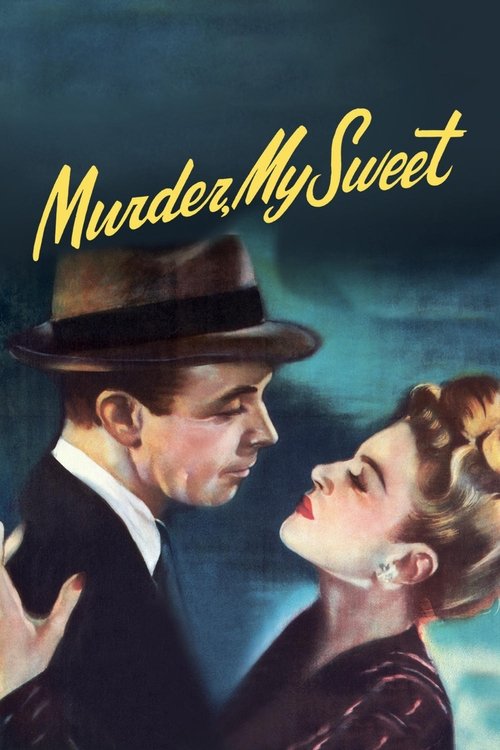
Murder, My Sweet1944
Dick Powell's Marlowe (before Garner's) is the template: tough, funny, and genuinely vulnerable. The plot spirals beautifully through double-crosses and beautiful women. Essential noir craft.
But It moves fast and assumes you're following—easy to lose the thread, and the ending requires you to piece together motive yourself.
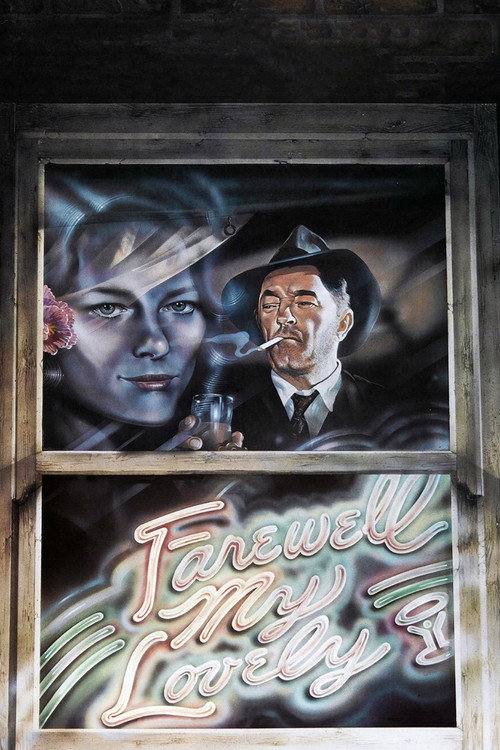
Farewell, My Lovely1975
Dick Richards' film captures Chandler's prose style in images. Robert Mitchum's worn Marlowe is weary and precise, moving through a corrupt 1940s LA with genuine dread. Atmospheric and engaging.
But It's elegiac rather than propulsive. If you want plot momentum, this trades it for mood and you might feel it dragging.
Not sure tonight? Get a pick in a minute, starting from Marlowe
The wildcard
Something you would not have found on your own.
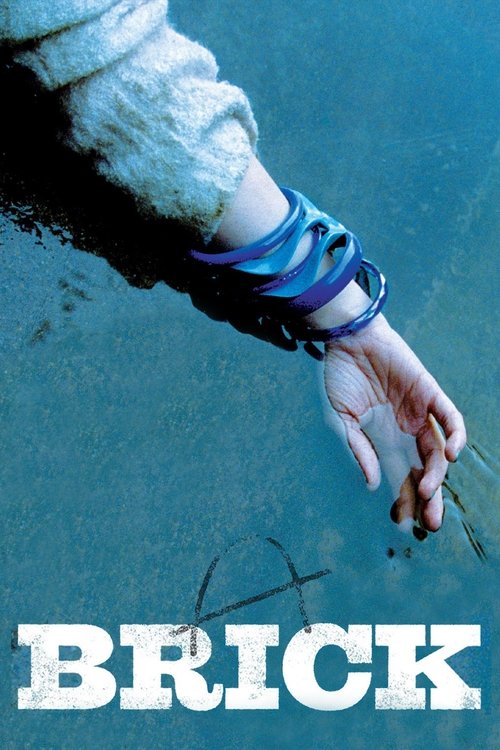
Brick2006
Both use the private detective structure as a way to map a closed society's corruption from the outside. Marlowe and JGL's Brendan both move through worlds that want them gone, chasing truth in places built on lies.
Rian Johnson transplants the hardboiled detective template into a high school noir where everyone talks like Chandler. Joseph Gordon-Levitt is mesmerizing, and the premise—which should be silly—becomes profound about class, loyalty, and corruption.
But The affectation of period dialogue can feel mannered and exhausting if you don't surrender to its logic immediately. It's playing a game that not everyone wants to play.
More like this (8)
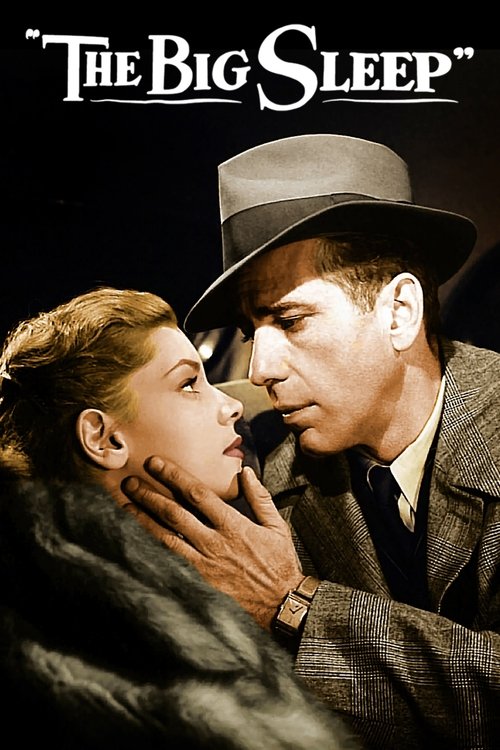
The Big Sleep1946
Howard Hawks' Bogart-and-Bacall version is the most famous Marlowe, and for good reason: witty, sexy, with a plot so tangled even the filmmakers lost it. Pure Hollywood confidence and charm.
But The incomprehensible plot doesn't matter for the film's pleasures, but if you need your mystery to make sense, you'll hate it.
In a Lonely Place1950
Humphrey Bogart plays a Hollywood screenwriter suspected of murder—a noir about guilt that doubles as a portrait of masculine rage and paranoia. Desperately moving and perfectly constructed.
But It's darker in register than Marlowe, and the ending lands hard. Not a comfort watch.

The Killers1946
Siodmak's film about a man waiting for the men who are coming to kill him builds tension from inevitability. Burt Lancaster is magnetizing, and the structure influenced every noir after.
But It's more about atmosphere and dread than plot clarity. Some find it slow; it's actually compressed.

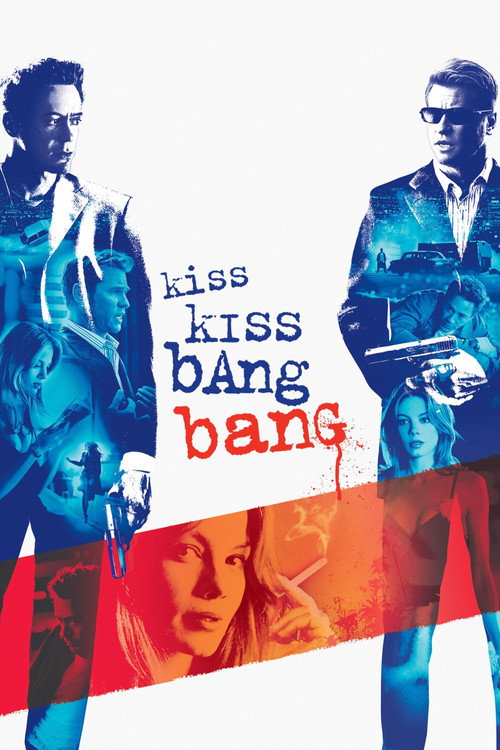
Kiss Kiss Bang Bang2005
Shane Black rewires the LA noir template for a Hollywood obsessed with itself. Robert Downey Jr.'s rambling, hilarious narrator plays detective with genuine heart beneath the trash. A love letter to Chandler.
But The tone whips between comedy and violence, and some find the self-awareness exhausting rather than charming.
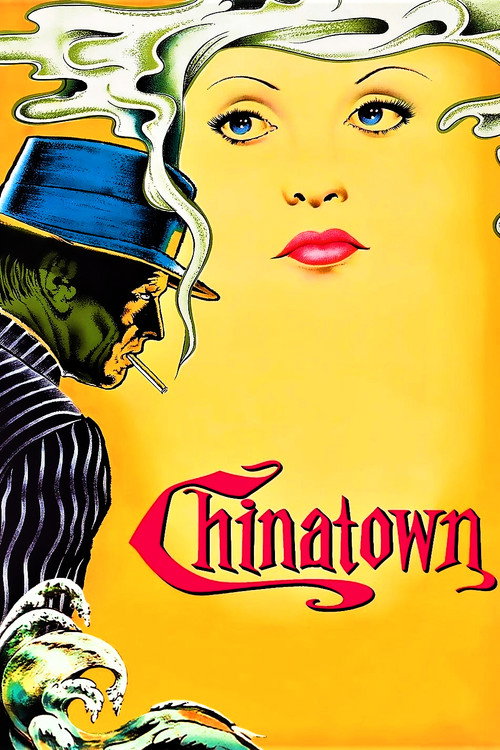
Chinatown1974
Polanski's masterpiece about a private detective drowning in LA corruption. Jack Nicholson's Gittes is Marlowe's cousin—smarter, faster, and far more doomed. Perfect screenplay, perfect filmmaking.
But It's bleak in a way that can feel punishing. There's no redemption here, and some viewers need at least the illusion of one.
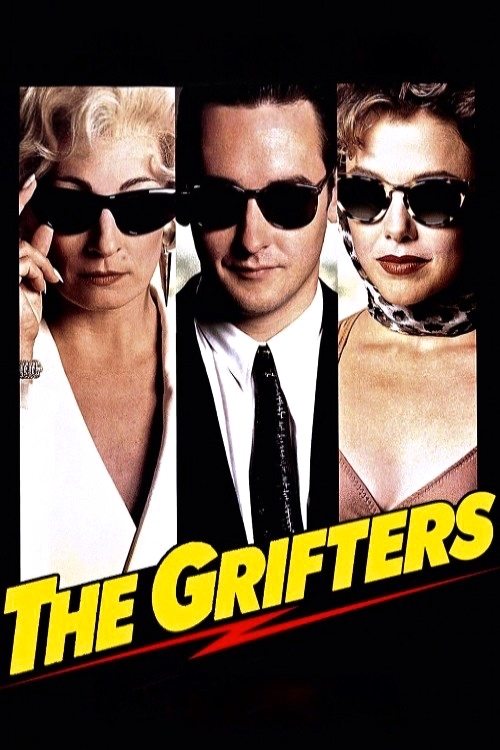
The Grifters1990
Frears' film about con artists has the moral ambiguity and LA settings of noir, with a cast (Huston, Buscemi, Cusack) that elevates every scene. Tight, funny, and unsettling.
But It's cynical about everyone involved. If you want anyone to root for, you're in the wrong film.
The Asphalt Jungle1950
Where Marlowe navigates a corrupt city as an outsider, The Asphalt Jungle shows you how that city actually works from the inside. Same LA, opposite perspective—the machinery Marlowe bumps against.
Huston's heist film is the spiritual ancestor of every crime procedural since. An ensemble of desperate men planning a robbery, each with their own moral weight. Invented the template Marlowe walks through—the underworld as a functioning system.
But It's deliberately unglamorous, even dull in stretches. It prioritizes structure over personality, which some find cold.

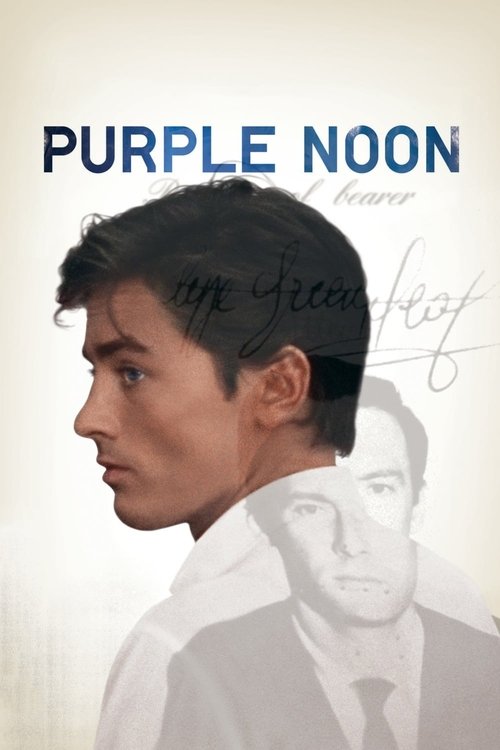
Purple Noon1960
Both films use the detective/criminal figure to examine how identity and deception operate in a closed world. But where Marlowe seeks truth, Tom Ripley becomes a lie. Same moral terrain, inverted mirrors.
Clément's French thriller about a con man murdering his way through Mediterranean luxury is obsessed with surfaces and performance. Alain Delon is icily beautiful as a sociopath, and the film's moral disgust is gorgeous and unsettling.
But It's slow, painterly, and interested in atmosphere over plot. Subtitled. And its view of evil is amoral in a way that disturbs some viewers deeply.
People
Cast
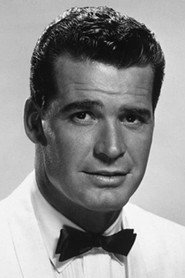 James GarnerPhilip Marlowe
 Gayle HunnicuttMavis Wald
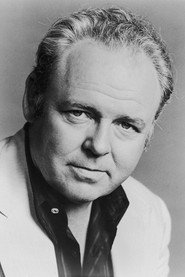 Carroll O'ConnorLt. Christy French
 Rita MorenoDolores Gonzáles
 Sharon FarrellOrfamay Quest
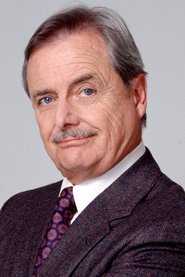 William DanielsMr. Cromwell
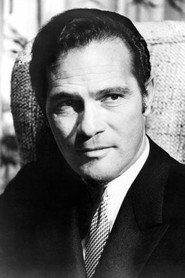 H.M. WynantSonny Steelgrave
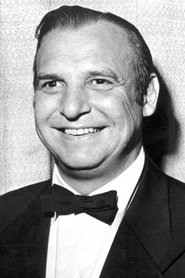 Jackie CooganGrant W. Hicks
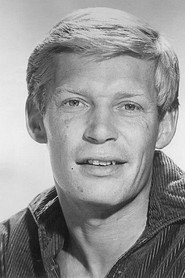 Christopher CaryChuck
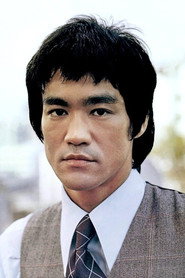 Bruce LeeWinslow Wong
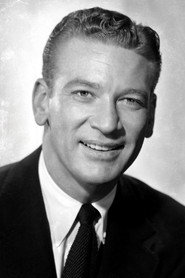 Kenneth TobeyFred Beifus
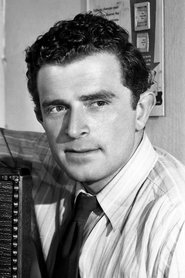 George TyneOliver Hady
Directing
- Bud GraceAssistant Director
- Paul BogartDirector
- Michael DavesSecond Assistant Director
Writing
- Raymond ChandlerNovel
- Stirling SilliphantScreenplay
Production
- James GarnerExecutive Producer
- Gabriel KatzkaProducer
- Sidney BeckermanProducer