
Film
Marlowe
Other titles called Marlowe: the 1969 film.
A contemporary take on Raymond Chandler's weary gumshoe, transplanted to 1930s Los Angeles. Liam Neeson brings weathered charm to Marlowe's moral exhaustion as he navigates corruption, wealth, and murder. It's a handsome, faithful adaptation that feels more like visiting an old friend than discovering something new.
If you liked this
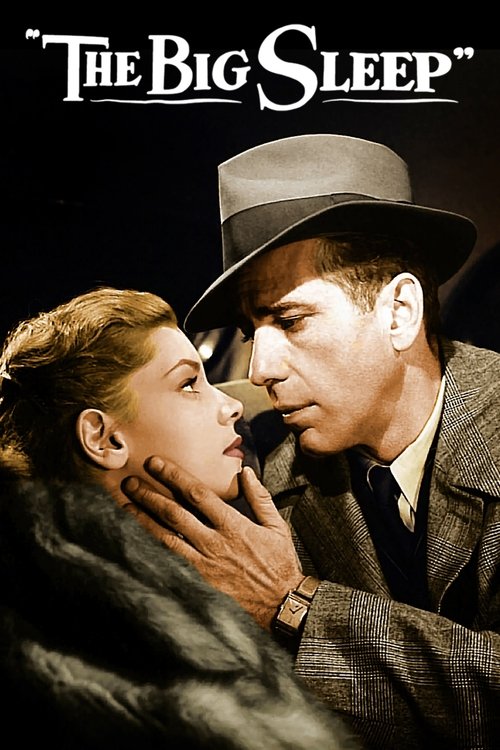
The Big Sleep1946
The original Chandler adaptation with Humphrey Bogart and Lauren Bacall. Electric chemistry, quick wit, and a vision of LA noir that defined the style for generations. Pure watching experience.
But It's almost eighty years old and the plot is notoriously convoluted—even Chandler said he couldn't explain who killed the chauffeur.
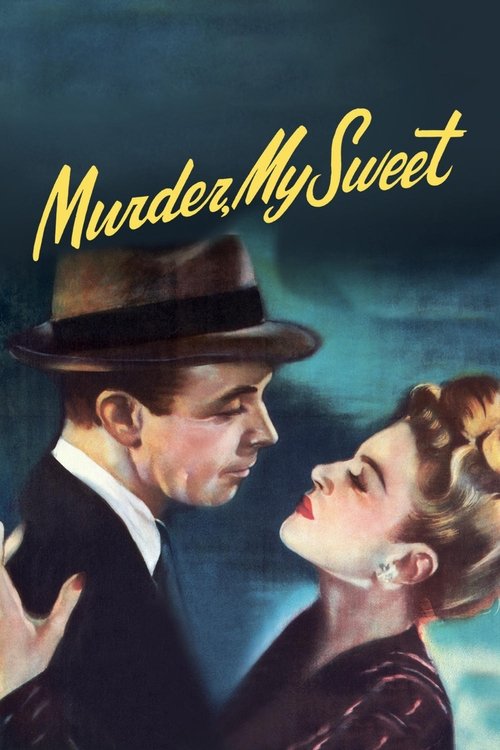
Murder, My Sweet1944
Dick Powell as Marlowe in the role that made him a star. Darker and more visually inventive than Big Sleep, with real danger lurking in every shadow. Exceptional craftsmanship from director Edward Dmytryk.
But Powell's Marlowe is harder, meaner—less the thoughtful cynic, more the damaged man. It's a tougher watch.
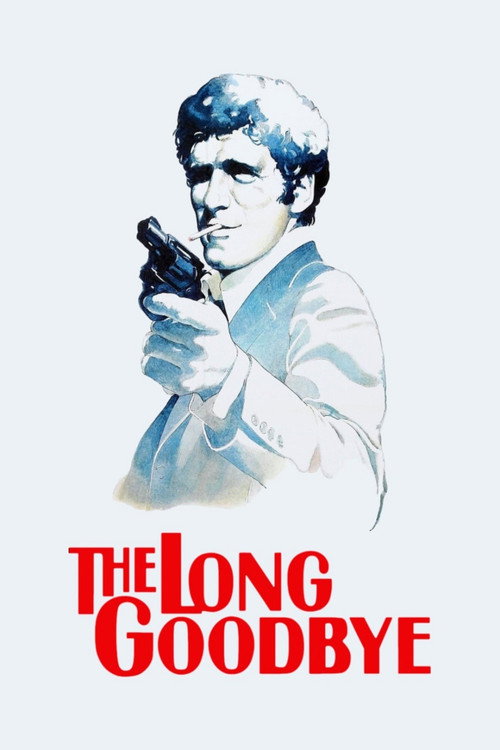
The Long Goodbye1973
Robert Altman's radical rethink of Chandler through a 70s lens. Elliott Gould is funny, sad, and strange. It captures something true about Marlowe that feels fresher than any straight remake.
But The period setting is purposefully anachronistic and the tone wildly shifts. If you want proper noir, this isn't it.
Not sure tonight? Get a pick in a minute, starting from Marlowe
The wildcard
Something you would not have found on your own.
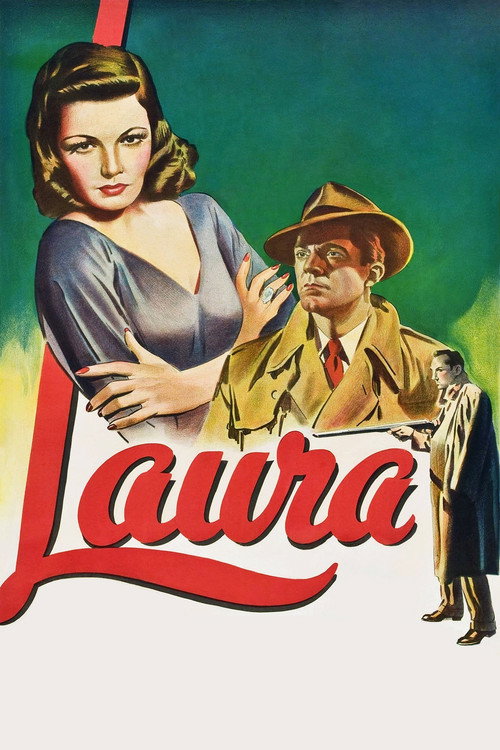
Laura1944
Both films follow men pursuing women through fragments and lies. Marlowe's investigation, like the detective in Laura, is really an attempt to understand desire itself.
Otto Preminger's masterpiece about obsession and the stories we tell about the dead. A detective falls for a woman he's never met through a portrait. It's the purest distillation of noir as mystery of desire, not just plot.
But It's slow and hypnotic rather than gripping. Some find the pacing glacial, and the detective's obsession can read as creepy rather than romantic.
More like this (7)
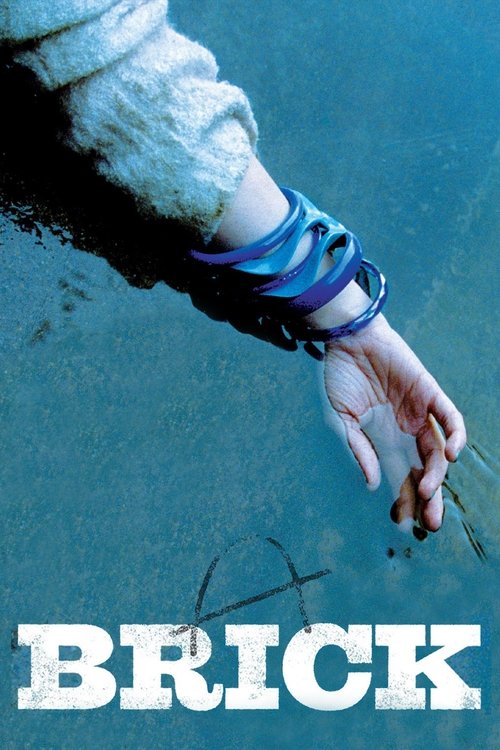
Brick2006
Rian Johnson transplants hardboiled detective logic to a high school in contemporary California. Wickedly clever, visually assured, genuinely tense. Proves the Chandler template survives anywhere with stakes and lies.
But It's a gimmick that works, but gimmicks wear thin. The high school setting will feel trivial to some.
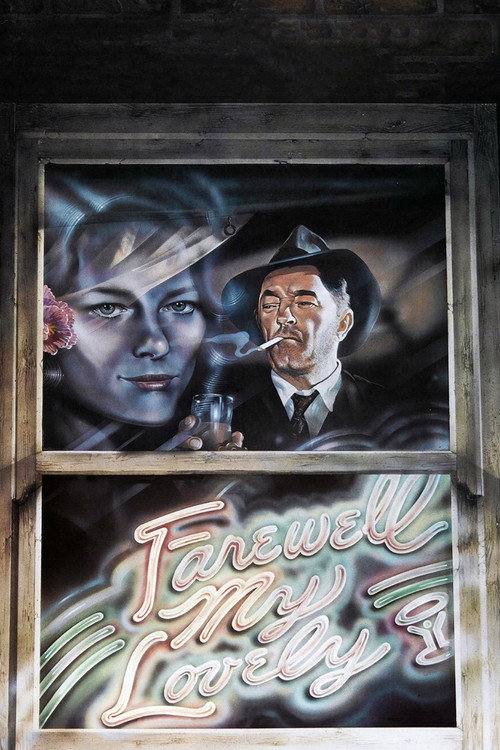
Farewell, My Lovely1975
Dick Richards brings Chandler's 1940 novel to vivid life with Robert Mitchum as an older, sadder Marlowe. The corruption is systemic and suffocating. Mitchum's worn face says everything about cost.
But It's slow and melancholy, sometimes to the point of drowsiness. Not built for quick satisfaction.
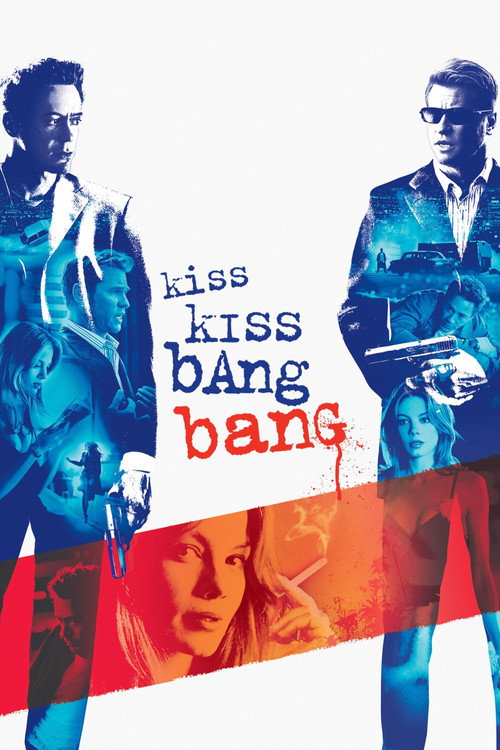
Kiss Kiss Bang Bang2005
Shane Black's love letter to noir and LA excess. Robert Downey Jr. and Val Kilmer spark brilliantly, the dialogue is hilarious, and the plot twists actually earn their surprises. Endlessly rewatchable.
But It's showy and indulgent. For some, the winking at noir tropes replaces the real thing.
The Killing1956
Kubrick's heist film is a template for modern crime cinema. Fractured chronology, multiple perspectives, and methodical tension. Influential enough that you'll spot its DNA everywhere.
But It's a heist film, not quite noir, and it doesn't have Marlowe's moral weight or the femme fatale tradition that defines him.

In a Lonely Place1950
Humphrey Bogart as a noir protagonist undone by his own nature. Ray's direction is suffocating; the paranoia feels earned. It's the dark answer to the wisecracking detective myth.
But There's real misogyny embedded in the plot. The context doesn't fully excuse it, and watching can feel uncomfortable.

The Asphalt Jungle1950
John Huston invented the heist film. Every crime film after owes it debts. The mood is resigned, the characters are pros with problems, and there's real weight to failure.
But It's procedural and methodical. If you need pace or romance, this will feel more like watching a manual than a story.

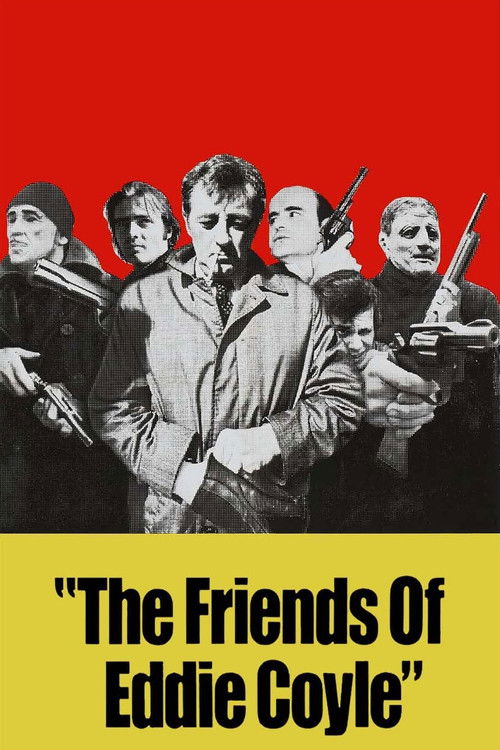
The Friends of Eddie Coyle1973
Both examine corruption and weariness in the American landscape, but Eddie Coyle inverts Marlowe's perspective—you're with the criminal, not the detective. Same moral exhaustion, opposite side.
Robert Mitchum again, but as an aging small-time criminal, not a detective. Peter Yates films Boston's underworld with documentary blankness. It's about men with no exits, shot with extraordinary restraint.
But There's no plot momentum, no climax. If you need dramatic payoffs, this will frustrate you. It's a hangout film about ordinary despair.
People
Cast
 Liam NeesonPhilip Marlowe
 Diane KrugerClare Cavendish
 Jessica LangeDorothy Quincannon
 Danny HustonFloyd Hanson
 Alan CummingLou Hendricks
 Ian HartJoe Green
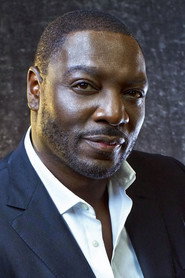 Adewale Akinnuoye-AgbajeCedric
 Daniela MelchiorLynn Peterson
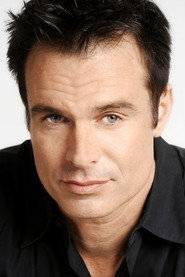 Patrick MuldoonRichard Cavendish
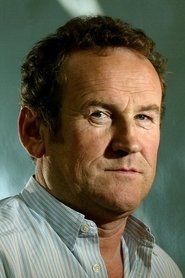 Colm MeaneyBernie Ohls
 François ArnaudNico Peterson
 Seána KerslakeAmanda Toxteth
Directing
- Neil JordanDirector
Writing
- Raymond ChandlerCharacters
- John BanvilleNovel
- Neil JordanScreenplay
- William MonahanScreenplay
Production
- Elizabeth CruzAccounting Clerk Assistant
- Dan HubbardCasting
- Redmond MorrisCo-Producer
- Ankur RungtaExecutive Producer
- Celine HaddadExecutive Producer
- Christopher HinesExecutive Producer
- Dana SanoExecutive Producer
- Elisabeth Costa de BeauregardExecutive Producer
- Harris TulchinExecutive Producer
- Patrick MuldoonExecutive Producer
- Steven SimsExecutive Producer
- Tobias WeymarExecutive Producer
- Vishal RungtaExecutive Producer
- Alan MoloneyProducer
- Billy HinesProducer
- Gary LevinsohnProducer
- Mark FasanoProducer
- Patrick HiblerProducer
- Philip KimProducer
- Cristina PulberProduction Coordinator