
Film
The Long Goodbye
Robert Altman's shaggy, melancholy take on Philip Marlowe: a mumbling, hopelessly loyal relic dropped into a smog-hazed 1970s LA that has no use for his code anymore. The mystery matters less than the mood here — funny, sad, deliberately aimless, gliding along on that one wandering theme song played a dozen different ways. For viewers who want atmosphere and moral weariness over tight plotting.
Should you watch it?
Watch it if you love Robert Altman's loose, mumbling reinvention of a classic detective, where the cynicism is wry, the cigarette smoke hangs in every frame, and the genre rules are treated as a suggestion.
Skip it if you want a tidy whodunit with brisk plotting and clear answers, since this one drifts through its runtime, prizes mood and offhand conversation over solving anything, and may frustrate anyone wanting a conventional mystery.
What it asks of you: Roughly two hours at an amble, with long unhurried scenes, a shambling hero, and patience for a story that prefers wandering to driving straight at its crime.
Not sure? Find tonight's pick in a minute.
If you liked this
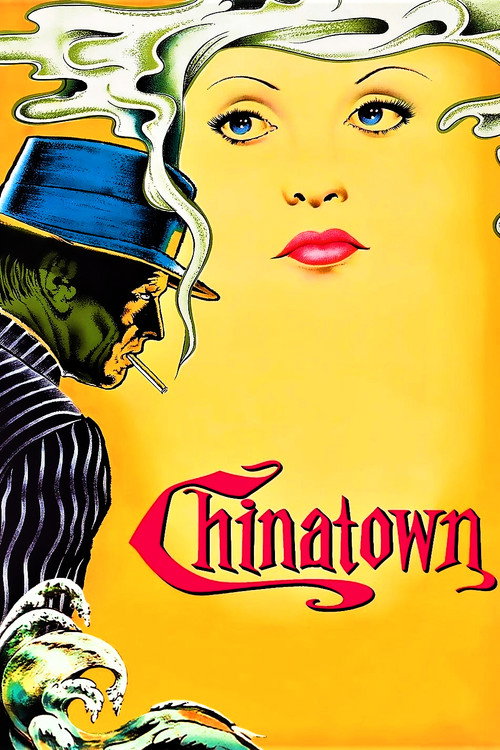
Chinatown1974
It pairs perfectly as the same era's other great LA noir — polished where Altman's is scruffy, but sharing the same conviction that the city's rot goes all the way to the top.
But It's grim and airtight where Altman's film is loose and shaggy; there are no laughs here to cushion the despair.
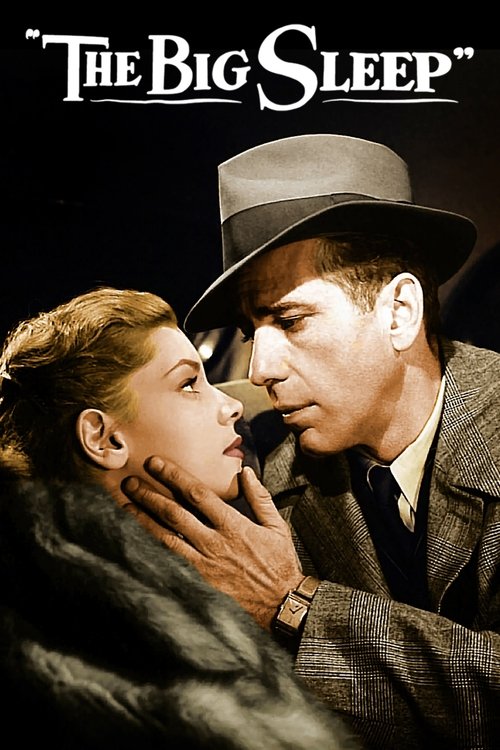
The Big Sleep1946
Bogart's original Marlowe is the cool, controlled model Gould's shambling version is gently mocking — watch the two side by side and see exactly what Altman was rewriting.
But The plot is famously, almost proudly incoherent — style over sense, and a style very much of its decade.
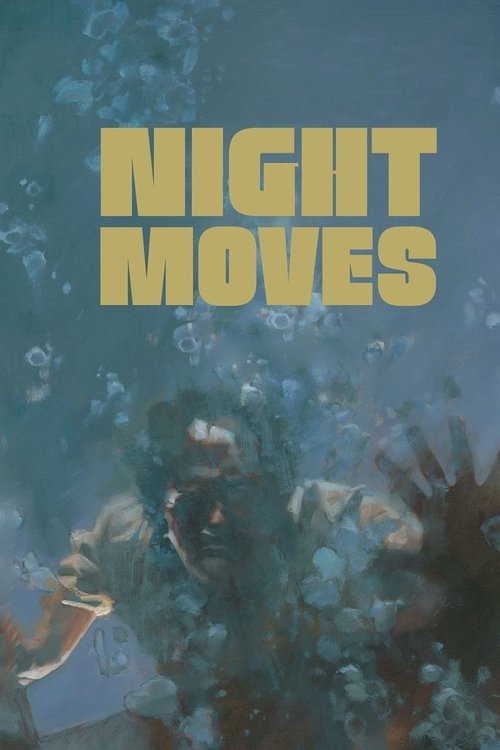
Night Moves1975
Gene Hackman plays another private eye drowning in a case that resists solving, wrapped in the same 70s haze of exhaustion and quiet disillusionment.
But Even bleaker in its conclusions, with far less humor to soften the fatalism — a genuinely punishing watch.
Not sure tonight? Get a pick in a minute, starting from The Long Goodbye
The wildcard
Something you would not have found on your own.
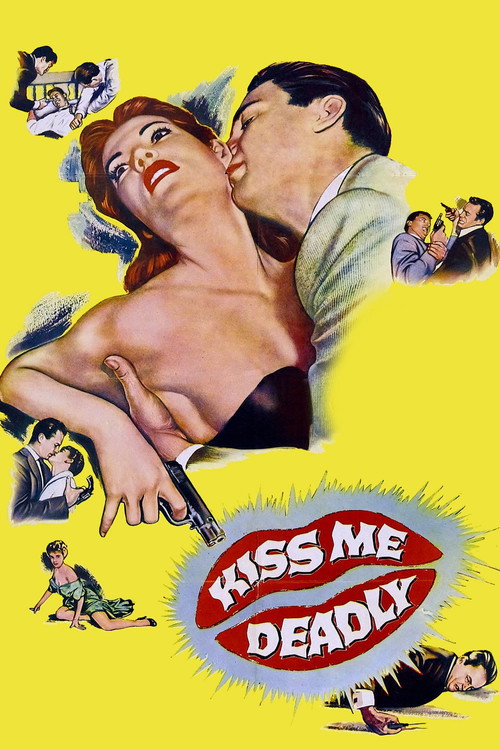
Kiss Me Deadly1955
Altman's Marlowe is a relic wandering through a genre already gone rotten; Kiss Me Deadly is the film that did the rotting first, curdling the detective story into paranoid nihilism decades before it was fashionable.
The film that first turned the private-eye story rancid — Mike Hammer chases a MacGuffin straight into apocalyptic nihilism, shot in jagged black-and-white nearly twenty years before Altman got there.
But Blunt, ugly, and casually cruel in ways period-typical but still hard to stomach — nothing like Altman's wry humor.
More like this (8)
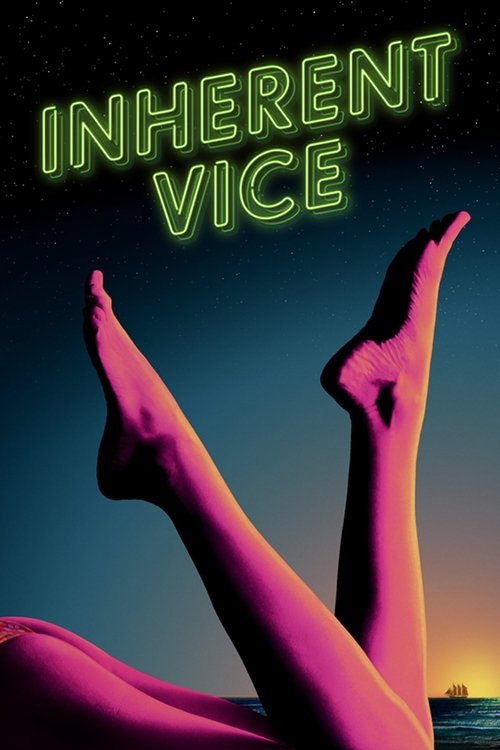
Inherent Vice2014
Paul Thomas Anderson's stoned, digressive LA detective story is the direct descendant of Altman's approach — plot treated as an afterthought, vibe treated as everything.
But Deliberately hard to follow, and the shaggy-dog comedy won't land for anyone actually wanting a mystery solved.
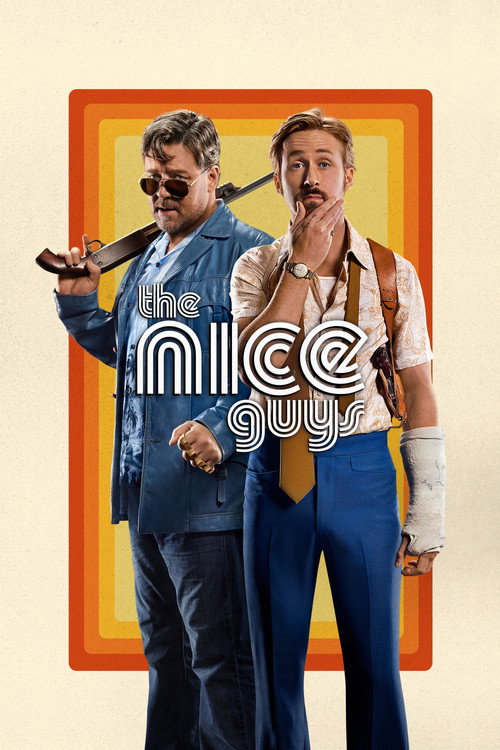
The Nice Guys2016
Same seedy LA underbelly, played this time as loud buddy comedy — a good chaser if you want the setting without the melancholy weighing it down.
But Broader and brasher throughout, trading Altman's wistful cool for slapstick, one-liners, and a much faster pace.
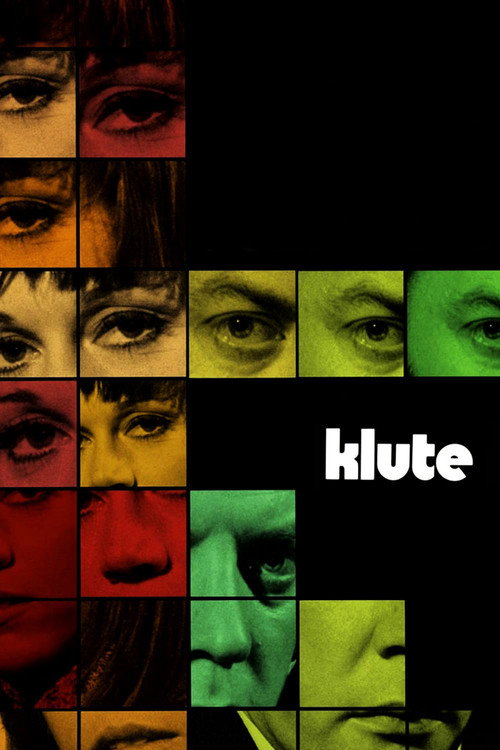
Klute1971
The same early-70s unease runs through this one, a detective story that's really a character study, with Jane Fonda carrying a quiet dread Altman built around Gould instead.
But Slower and more claustrophobic, and considerably less funny — a colder, more interior kind of film altogether.
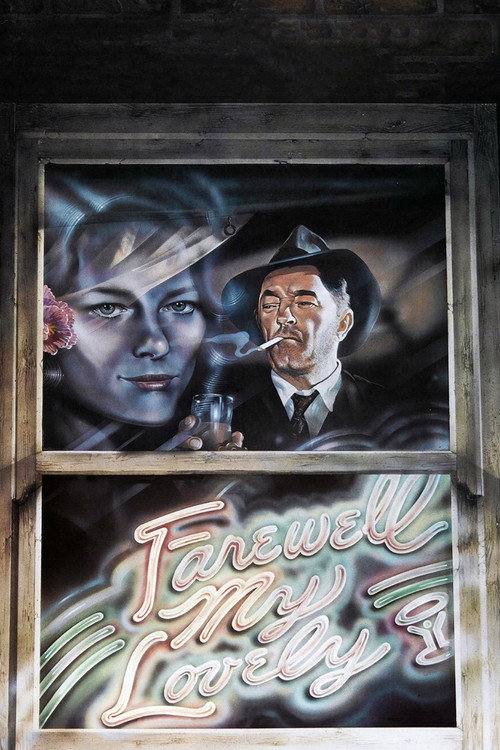
Farewell, My Lovely1975
Robert Mitchum plays a world-weary Marlowe two years later, straighter and sadder than Gould's — a fascinating compare-and-contrast on how the character bends.
But More conventional in structure and tone, without Altman's formal daring or his streak of dark comedy.
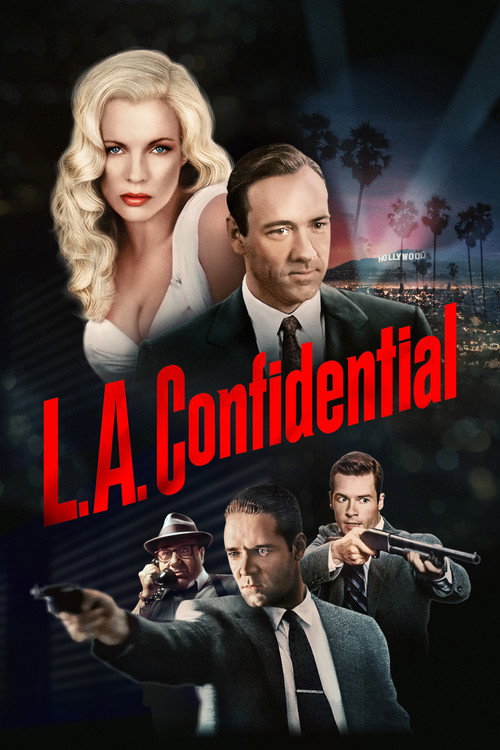
L.A. Confidential1997
Another portrait of Los Angeles as a beautiful machine built for chewing people up, this time with a starrier cast and far tighter plotting.
But Considerably more polished and plot-driven — essentially everything Altman's loose, wandering version deliberately refuses to be.
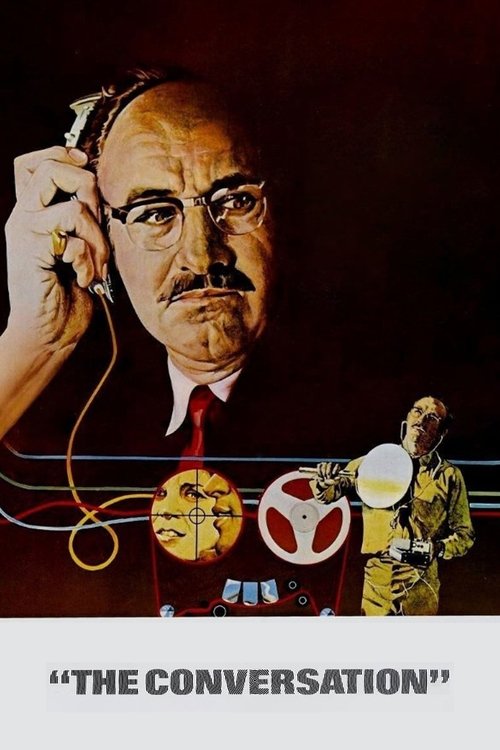
The Conversation1974
Coppola's paranoid surveillance thriller shares the era's exhausted, watchful mood, with a lead who's quietly, permanently out of step with everyone around him.
But Much quieter and more interior, with almost no action — a very different, more suffocating kind of tension.
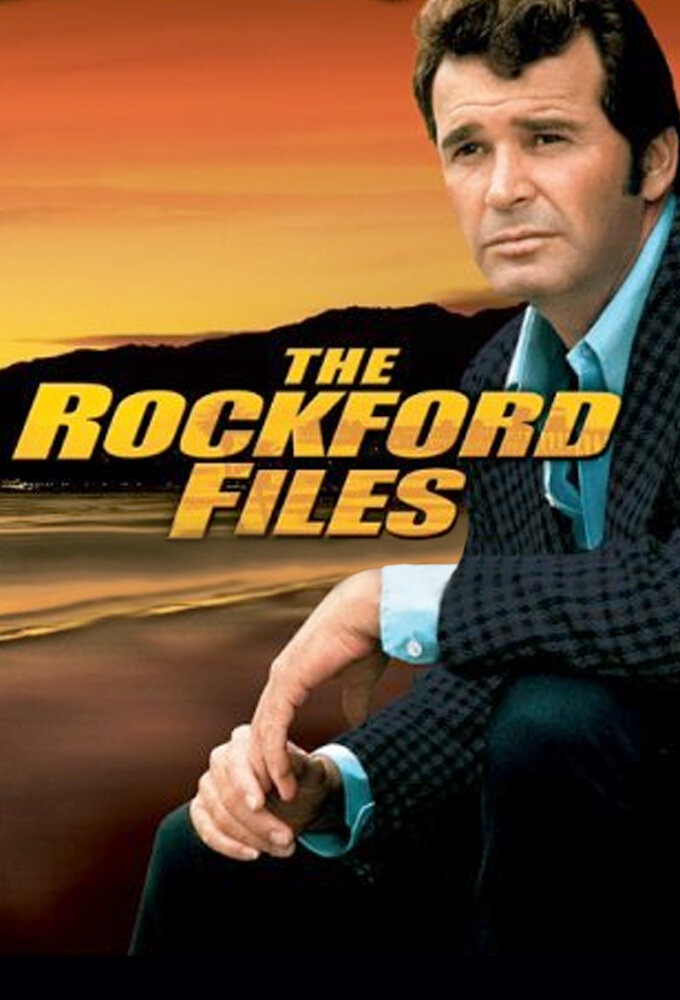
The Rockford Files1974
James Garner's Jim Rockford is the shambling, wisecracking, morally stubborn PI archetype Gould's Marlowe helped popularize, transplanted into the loose, hangout rhythms of serial television.
Same rumpled, perpetually broke, stubbornly principled private eye energy as Gould's Marlowe, stretched over six warm, dryly funny seasons of network television.
But Episodic and formulaic by design, shot with none of Altman's visual wit — comfort food rather than cinema.
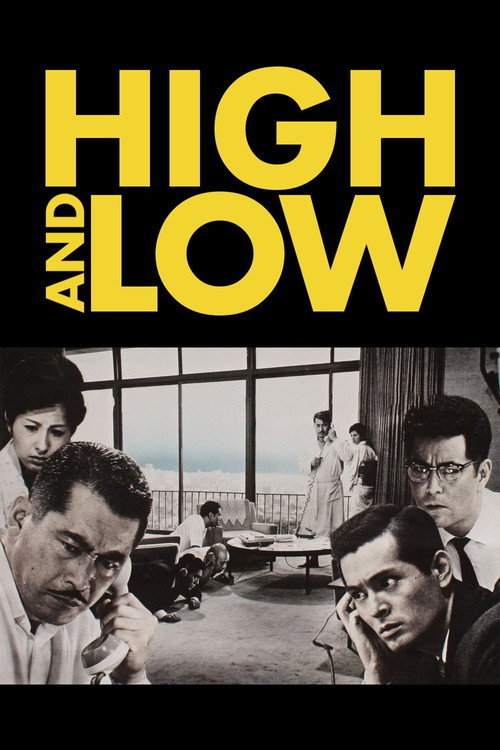
High and Low1963
Both films hinge on a man entangled in a friend's possible guilt, testing what loyalty is actually worth; Kurosawa treats the question with grave weight where Altman plays it as weary comedy.
Kurosawa's meticulous, tense crime drama follows a man drawn into someone else's crisis through loyalty and guilt — the same setup as Altman's film, played with total moral seriousness.
But Black-and-white, subtitled, and methodical rather than loose — the opposite temperature from Altman's shrugging, ironic cool.
People
Cast
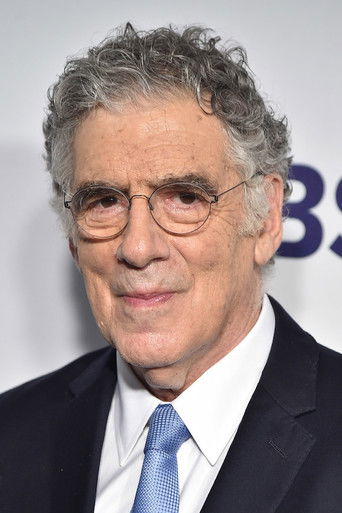 Elliott GouldPhilip Marlowe
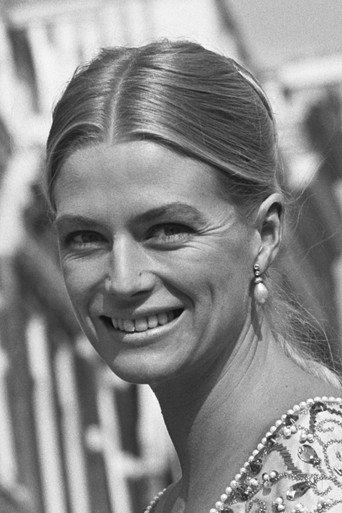 Nina van PallandtEileen Wade
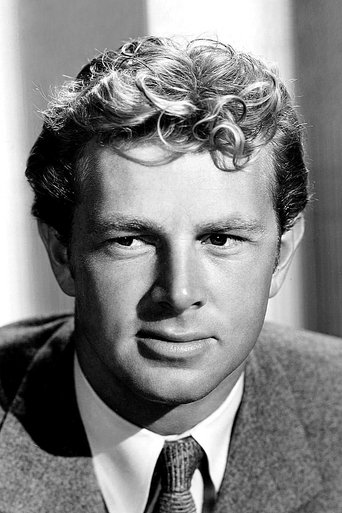 Sterling HaydenRoger Wade
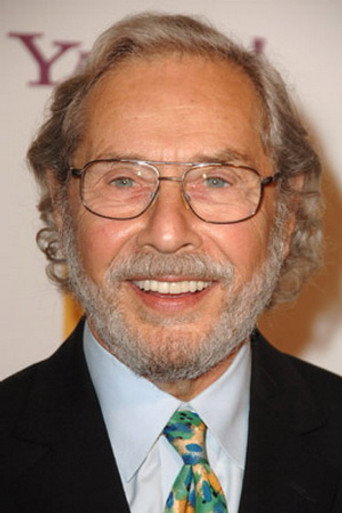 Mark RydellMarty Augustine
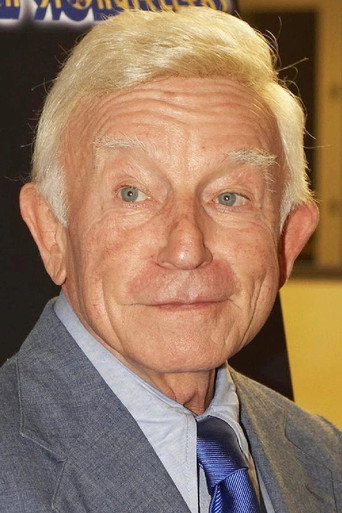 Henry GibsonDr. Verringer
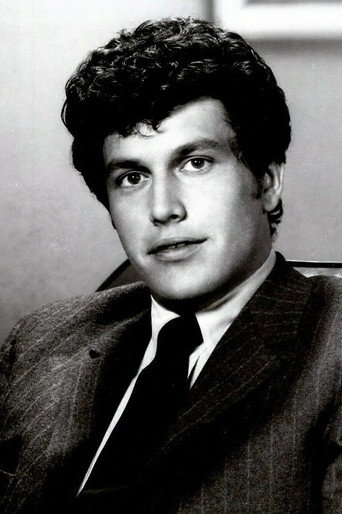 David ArkinHarry
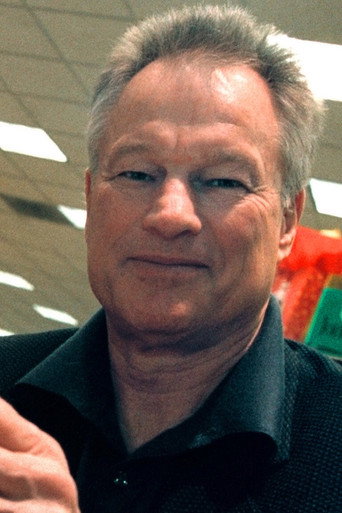 Jim BoutonTerry Lennox
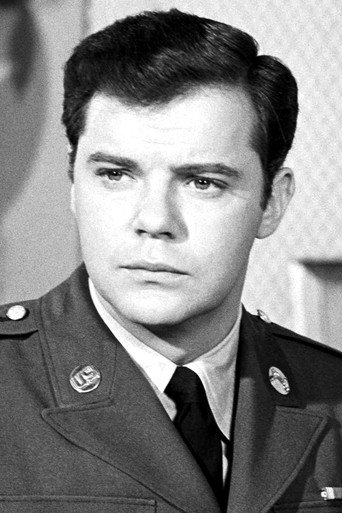 Warren BerlingerMorgan
- Jo Ann BrodyJo Ann Eggenweiler
- Stephen CoitDetective Farmer
 Jack KnightMabel
- Pepe CallahanPepe
Directing
- Robert AltmanDirector
- Adell AldrichScript Supervisor
- Alan RudolphSecond Assistant Director
Writing
- Raymond ChandlerNovel
- Leigh BrackettScreenplay
Production
- Robert EggenweilerAssociate Producer
- Elliott KastnerExecutive Producer
- Jerry BickProducer
- Jean D'OncieuProduction Assistant
Recommended by
Chinatown, The Nice Guys, L.A. Confidential, Kiss Kiss Bang Bang, Lady in the Lake, McCabe & Mrs. Miller, The Big Sleep, Inherent Vice, Kiss Me Deadly, Gloria, California Split, The Rockford Files, Smile, Walking Tall, Devil in a Blue Dress, Jack Reacher, The Black Dahlia, Farewell, My Lovely, Dead Again, Under the Silver Lake, Night Moves, Harry O, Pat Garrett & Billy the Kid, The Mirror Crack'd, The Seven-Ups, Five Easy Pieces, Two-Lane Blacktop, Performance., Cutter's Way, Waiting for Godot, The Yakuza, A Decade Under the Influence, American Gigolo, The Cheap Detective, Mother Night, Destroyer, My Son, My Son, What Have Ye Done, The Nickel Ride, The Comeback, The Gauntlet, A Prairie Home Companion, The Fire Within, The Fury, Snake Eyes, Rolling Thunder, 49 Up, Shadowplay, Hickey & Boggs, Electra Glide in Blue, The Rain People, Hustle, Veronica Mars, Slow Burn, Female Prisoner #701: Scorpion, Brewster McCloud, Twilight, Marlowe, The Little Things, Marlowe, Goin' South, A Lesson Before Dying, Going in Style, Midnight in the Garden of Good and Evil, The King of Marvin Gardens, Abducted: The Carlina White Story, Tenafly, Dear Murderer, Crime Story, Spasmo, Macbeth, Jiang Hu: The Triad Zone, Golgo 13: The Professional, Blood Red, Harper, Confess, Fletch, The Girl Under the Bridge, V.I. Warshawski, Heaven's Prisoners, Daughter of the Dragon, The Night of the Seagull, Humpday, Barbary Coast, Addicted to Fresno, Eureka, Edge of Darkness, Motherless Brooklyn, Gangster Squad, Prescription: Murder, Mirage, White Line Fever, McQ, Dead Pigeon on Beethoven Street, The Great Scout & Cathouse Thursday, Orphans