
Film
Prescription: Murder
The pilot that launched an icon. Peter Falk's Columbo—disheveled, self-effacing, brilliant—takes down a psychiatrist's carefully constructed murder. It's a locked-room puzzle told backwards: we know who did it, the game is watching Columbo know it too. Methodical, clever, and surprisingly warm. For anyone who loves detectives who win by seeming to lose.
If you liked this
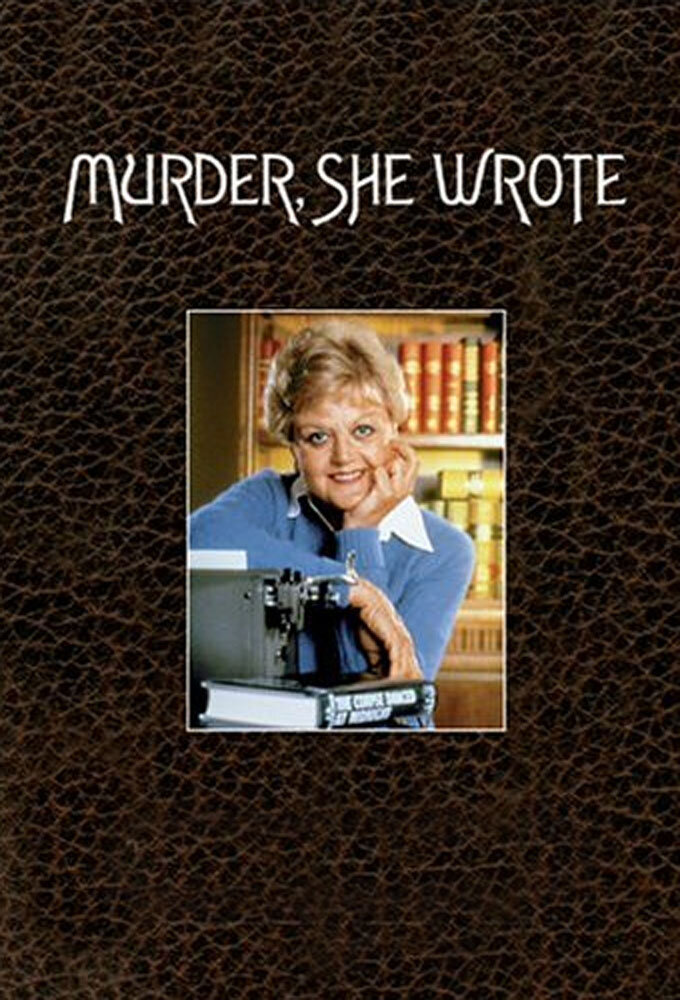
Murder, She Wrote1984
Angela Lansbury's mystery writer solves murders with the same misdirection and gentle authority Columbo brings. Equally addictive, equally about being smarter than everyone else without making them feel it.
But Runs to twelve seasons and 264 episodes. If you're not hooked by episode three, you won't be hooked at all.
The Twilight Zone1959
Each hour-long episode is a locked-box mystery with a twist. Same era, same American obsession with the alibi that falls apart. Serling's narration has Columbo's same dry omniscience.
But Some episodes are dated in their ideas about gender and psychology, which can sting. Quality varies across five seasons.

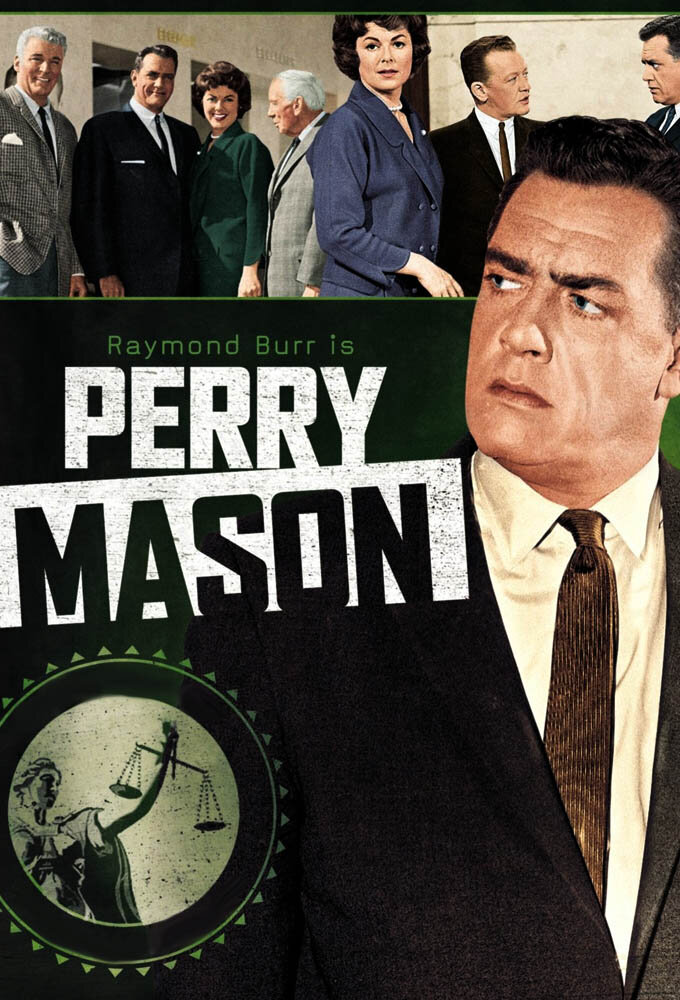
Perry Mason1957
Raymond Burr as the defense attorney who always knows his client is innocent and always proves the real culprit is someone else. Procedurally satisfying in the same way, though told from the opposite angle.
But Formulaic to the point of ritual. If you need surprise or narrative ambition, this will feel repetitive by episode four.
Not sure tonight? Get a pick in a minute, starting from Prescription: Murder
The wildcard
Something you would not have found on your own.
The Asphalt Jungle1950
The blueprint for the crime procedural as intellectual puzzle. Both make the *process* of crime and its unraveling more interesting than the violence.
John Huston's heist film—but really a study of how criminals think and plan and fail. Columbo's DNA is here: the procedural interest in how people organize crime, the respect for the criminal mind. Essential ancestor.
But Very 1950s in pacing and attitude. Crime is male, women are ornamental, and the film moves at a deliberate walk. Feels like a museum piece if you're not in the mood for noir.

More like this (8)
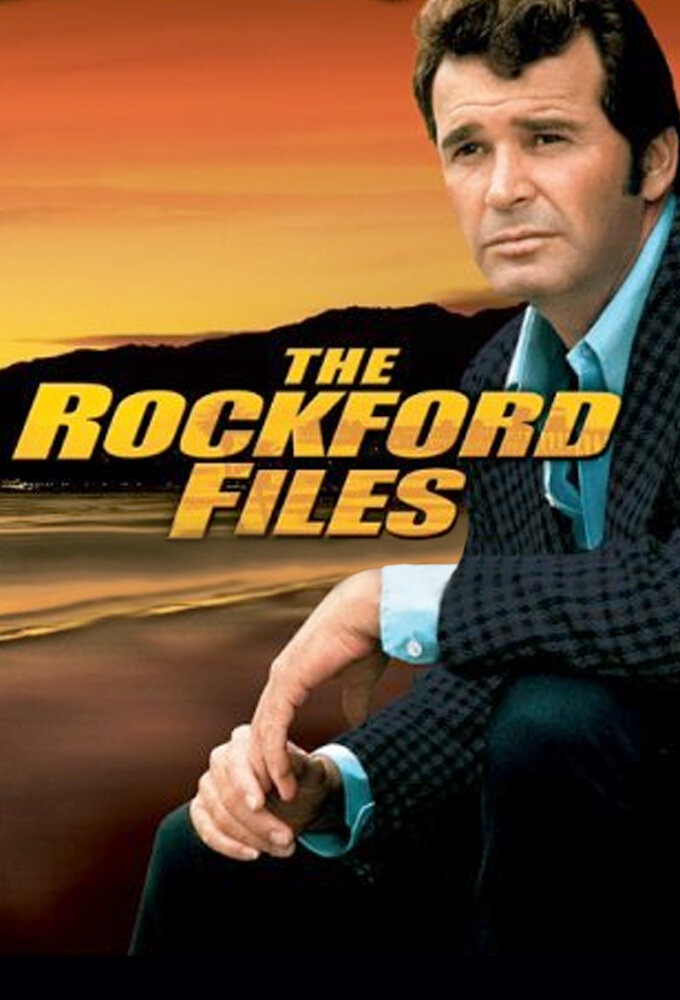
The Rockford Files1974
James Garner as a private investigator who talks his way through cases with charm and misdirection. Has Columbo's humor and the same pleasure in watching someone win by being underestimated.
But Driven by action and banter more than puzzles. If you want the locked-room mystery solved methodically, this skews lighter and looser.
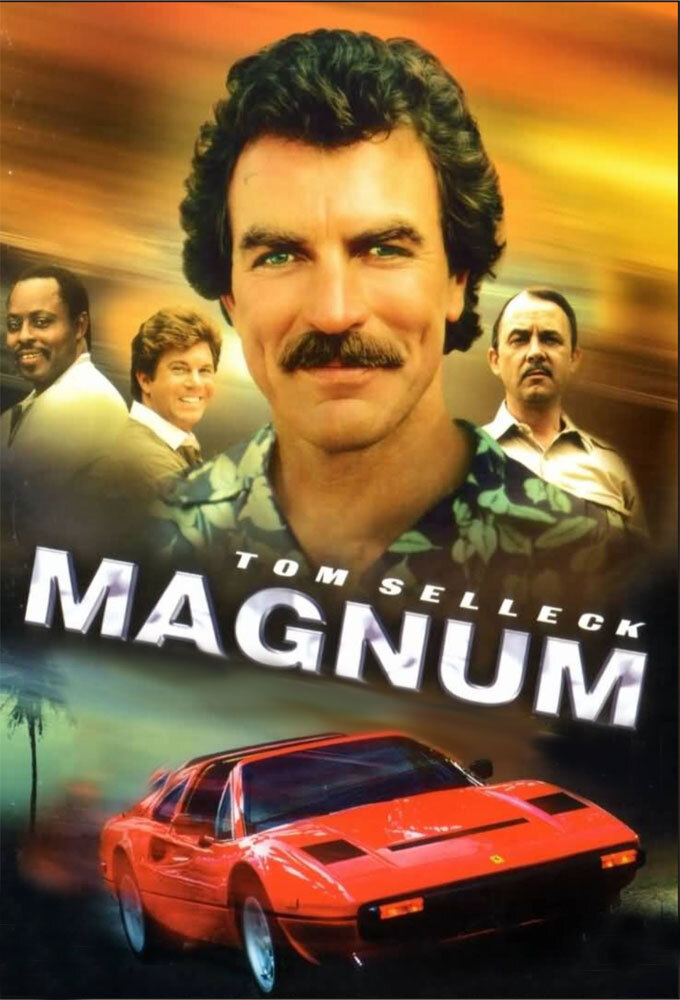
Magnum, P.I.1980
Tom Selleck's detective solves island crimes with intelligence and genuine warmth. Lighter than Columbo but built on the same foundation: a good man outwitting the corrupt and careless.
But Veers toward adventure and romance. The mystery-puzzle element thins out as the show goes on; it becomes something warmer and less intellectually demanding.
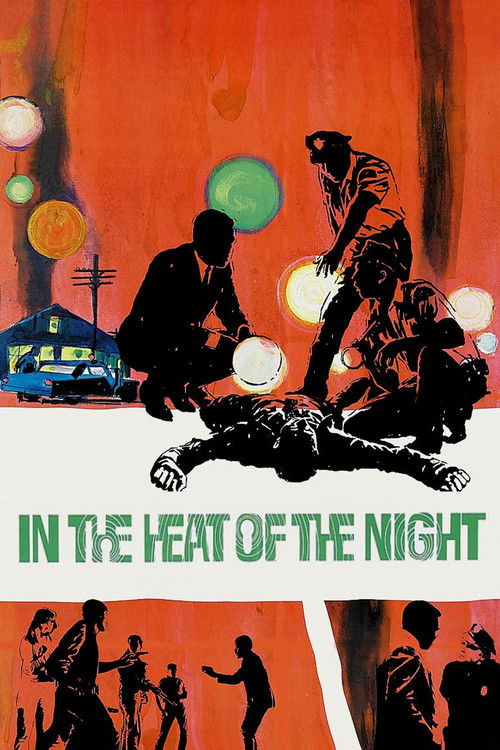
In the Heat of the Night1967
Sidney Poitier and Rod Steiger in a Southern murder investigation. Same year as Columbo's birth, same commitment to the detective who wins through intelligence and moral clarity.
But Heaviness around race and violence that makes it feel very much of 1967. Less puzzle-box than portrait of two men; some want a lighter touch.
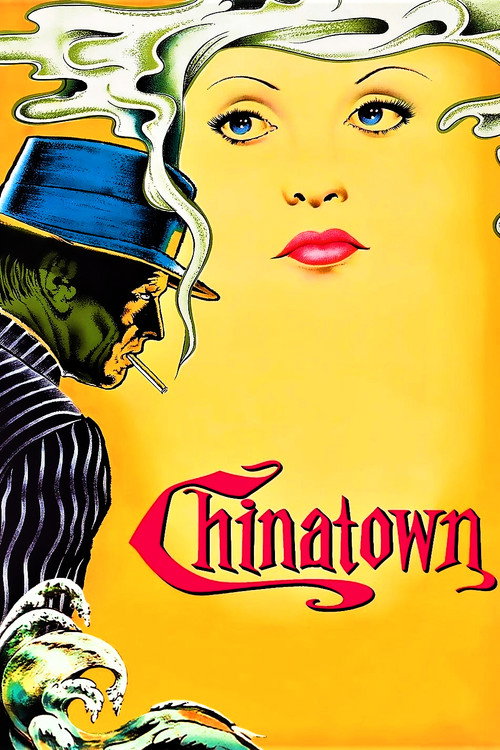
Chinatown1974
Jack Nicholson as a private detective in Los Angeles, unraveling corruption. Columbo's LA but darker, more baroque. Still about a good man chasing the truth and paying for it.
But Bleak and cynical. The detective loses, the puzzle has no satisfying solution, and the world is rotten. If you watch Columbo for comfort, this will disturb you.
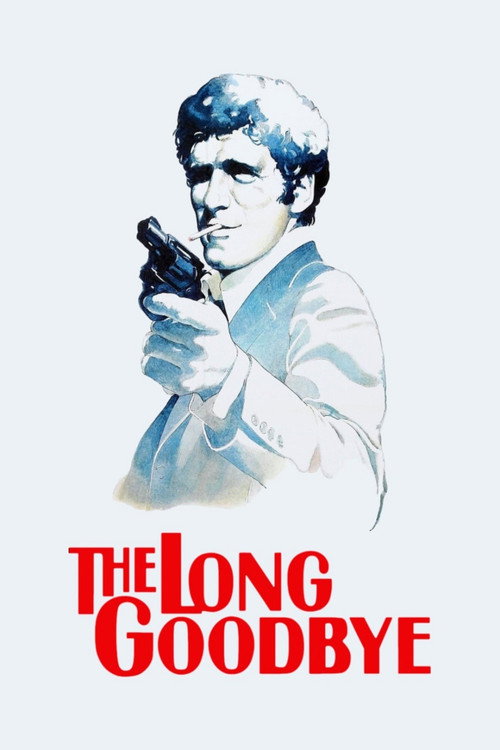
The Long Goodbye1973
Robert Altman's Marlowe, musing his way through a murder case in 1970s Los Angeles. Less tidy than Columbo but sharing the same DNA: a detective who wins by understanding human nature better than anyone else.
But Deliberately loose and digressive. Altman's style means plot takes a back seat to mood and character. If you want a puzzle solved, you'll be frustrated.
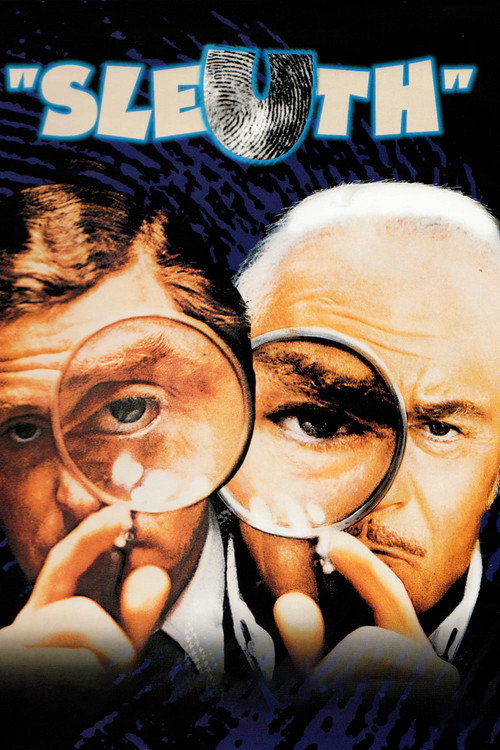
Sleuth1972
Michael Caine and Laurence Olivier in a cat-and-mouse game about a murder, an alibi, and a man who is exactly as clever as he thinks he is. Columbo's locked-room energy in a two-hander, stage-bound and perfect.
But Theatrical and mannered. Some find it too pleased with its own cleverness; patience required for the style to work.
Memories of Murder2003
Both treat detection as an act of will and morality. Columbo trusts his instinct; this film asks what happens when the world doesn't reward instinct at all.
Bong Joon-ho's Korean detective film: a serial killer case that won't close, detectives out of their depth, and the slow realization that intelligence isn't enough against the world's chaos. Columbo inverted—the smart man loses.
But Grim and unglamorous. It's about the grinding failure of investigation as much as investigation itself. No comfort here, and the sadness is real.

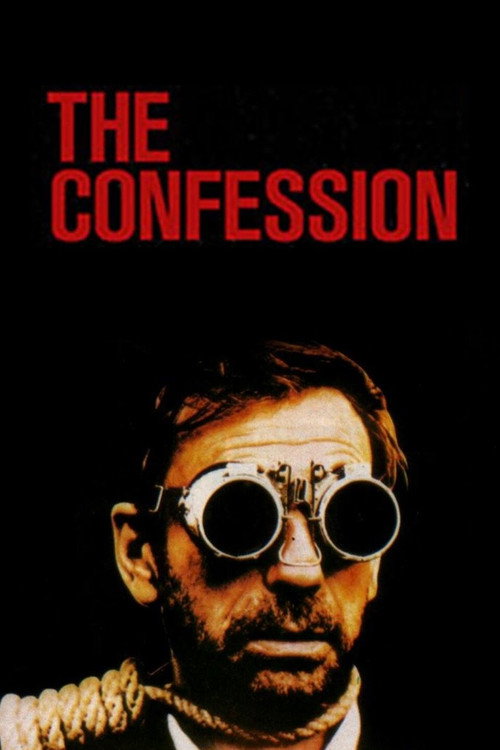
The Confession1970
Both are about the power of questions asked by a patient man. Here, the system is the adversary; in Columbo, it's the alibi. Opposite outcomes from the same tool.
Costa-Gavras's political thriller about an interrogation, a confession, and a man trying to prove his innocence in a system designed to destroy him. Columbo's method—slow, patient, meticulous—but in a world where those virtues backfire completely.
But Cold war paranoia and state violence. Bleak, difficult, and offers no pleasure in the solving. Not a mystery you'll enjoy unraveling.
People
Cast
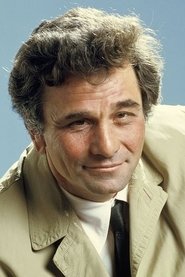 Peter FalkColumbo
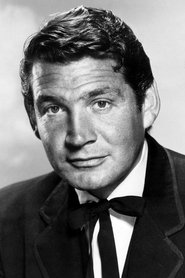 Gene BarryRay Flemming
 Katherine JusticeJoan Hudson
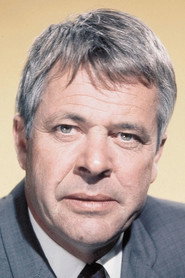 William WindomBurt Gordon
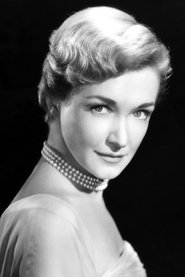 Nina FochCarol Flemming
 Virginia GreggMiss Petrie
 Andrea KingCynthia Gordon
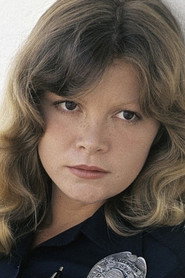 Susanne BentonBlonde
 Ena HartmanNurse
- Sherry BoucherAir Hostess
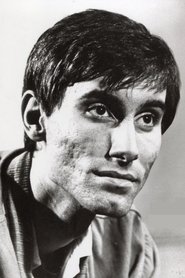 Anthony JamesTommy
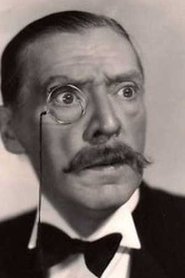 Frank BakerMan in Park (uncredited)
Directing
- George BiskAssistant Director
- Richard IrvingDirector
Writing
- Richard LevinsonTeleplay
- William LinkTeleplay
- Richard LevinsonTheatre Play
- William LinkTheatre Play
Production
- Jerrold FreedmanAssociate Producer
- Richard IrvingProducer
- Edward K. DoddsUnit Manager