
Film
The Confession
Other titles called The Confession: the 1999 film, the 2010 film.
- Crime
- Political drama
- Very dark
Costa-Gavras's claustrophobic masterpiece traps Yves Montand in a Kafkaesque nightmare of state machinery, interrogation rooms, and the slow erosion of identity under totalitarian pressure. Shot in tense, austere black-and-white, it's a political thriller that feels disturbingly prescient—about how power breaks people not through spectacle but through bureaucratic tedium and psychological attrition. For anyone who wants cinema that grips you by the throat.
If you liked this
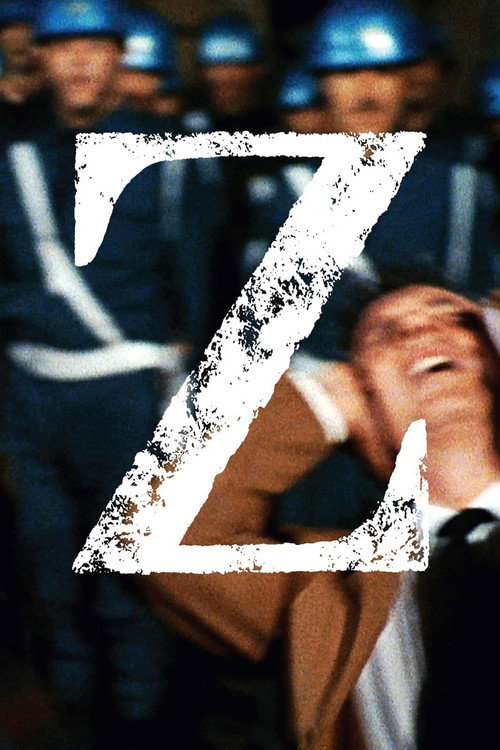
Z1969
Costa-Gavras's earlier political thriller about state assassination and cover-up, equally urgent and formally brilliant. If you want more of his gift for turning political horror into visceral cinema, this is essential.
But The plot can feel schematic; it's more a machine than a character study, which some find too didactic.
All the President's Men1976
Pakula's methodical thriller about Watergate's slow unmasking shows the opposite side—journalists excavating truth from power's lies. Shares the same paranoid momentum and belief that systems can be mapped and exposed.
But It's a procedural about research and phone calls; if you want raw emotion rather than investigative architecture, it can feel distant.

Stalker1979
Tarkovsky's sci-fi meditation on desire, faith, and the impossibility of certainty in a totalitarian shadow-world. Slower and stranger, but haunted by similar questions: what does the state really want from us?
But Glacially paced and philosophical; some find it impenetrable rather than moving.

Not sure tonight? Get a pick in a minute, starting from The Confession
The wildcard
Something you would not have found on your own.
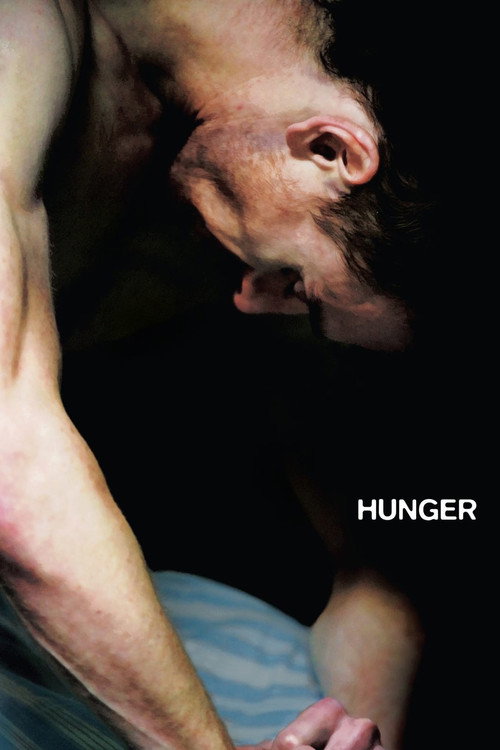
Hunger2008
Both use formal rigor and silence as weapons; both understand that the real violence of totalitarianism happens in rooms, in flesh, in the slow destruction of the will to resist.
McQueen's glacial account of Bobby Sands's hunger strike in a British prison: interrogation, isolation, and a body turned into a political statement. Same interest in how state power colonizes the body itself, shot with unflinching formalism that makes The Confession look almost warm.
But Extremely austere; long stretches with minimal dialogue and graphic depictions of physical deterioration. Not a film that consoles.
More like this (8)
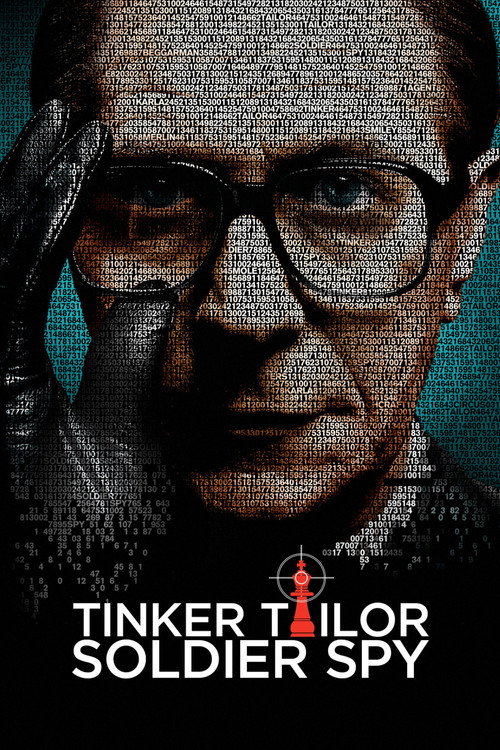
Tinker Tailor Soldier Spy2011
Le Carré's espionage labyrinth rendered by Alfredson into a grey, paranoid study of bureaucratic evil from within. Both films believe the real horror is paperwork and procedure, not melodrama.
But Deliberately opaque plotting; you must lean in hard or you'll lose the thread entirely.
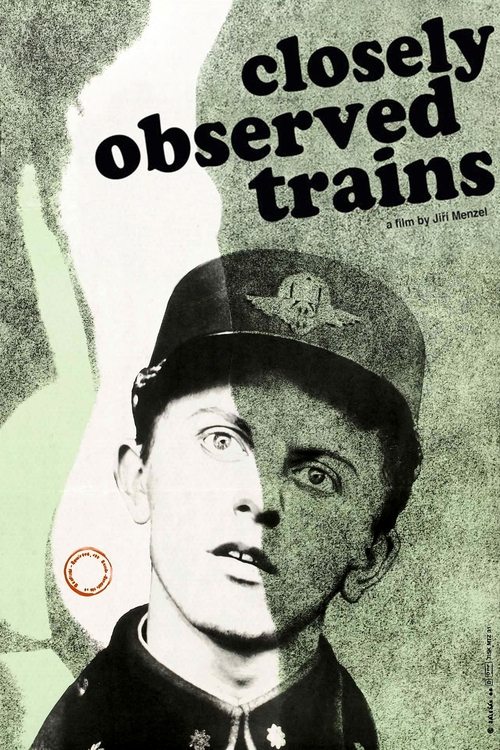
Closely Watched Trains1966
Menzel's Czech New Wave gem about complicity, coming of age, and quiet resistance under occupation. Same cultural moment and moral urgency, but warmer and more intimate than Costa-Gavras's ice-cold vision.
But Its lightness might feel tonally at odds with what you've just watched; the sweet spots feel almost frivolous by comparison.
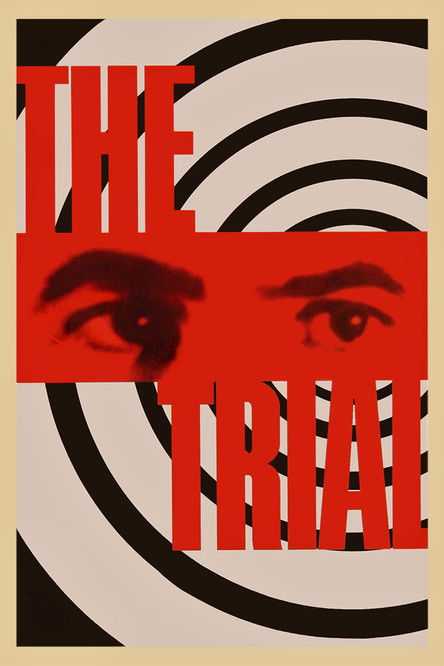
The Trial1962
Welles's Kafkaesque nightmare—a man arrested for crimes never explained, trapped in an inhuman legal machine. Structurally the DNA of The Confession; this is where Costa-Gavras learned to visualize bureaucratic dread.
But Welles's visual maximalism and distorted architecture can feel baroque where The Confession is austere; it's a different approach to the same nightmare.
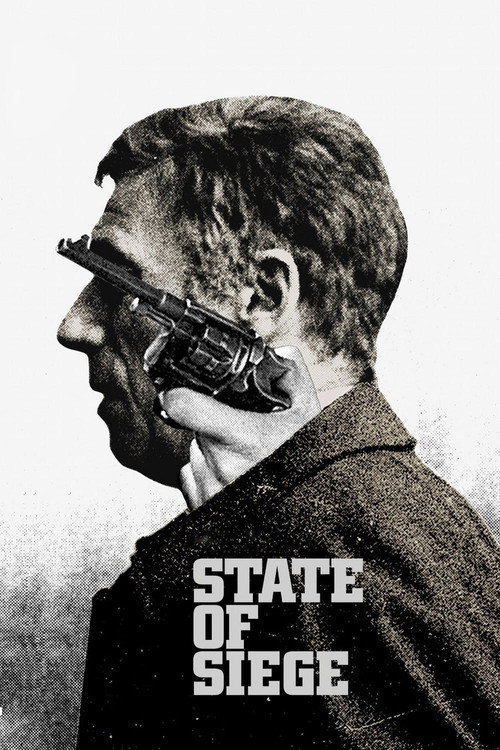
State of Siege1972
Costa-Gavras again, this time in South America with a US political operative kidnapped by revolutionaries. Same director's exploration of state power, but from the opposite angle and with more moral ambiguity.
But It's less focused than The Confession and more overtly polemical; some find it preachy where the earlier film lets tension speak.
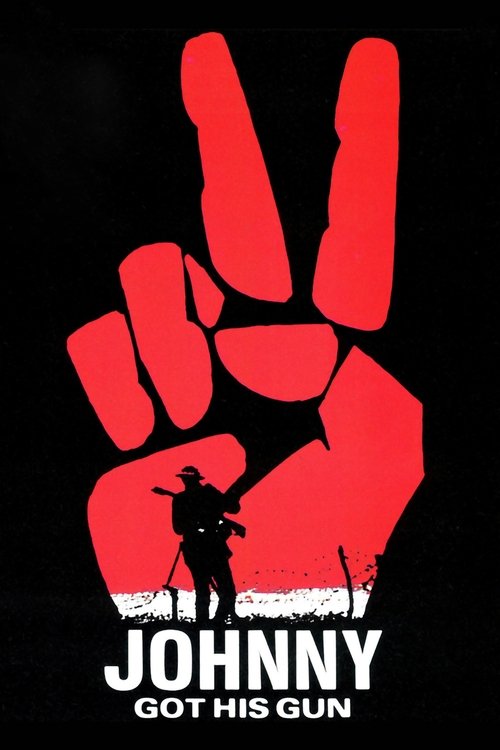
Johnny Got His Gun1971
Trumbo's hallucinogenic anti-war epic about a comatose soldier's consciousness trapped in a destroyed body. Like The Confession, it's about powerlessness, isolation, and a man locked in a system that owns him completely.
But Surreal and maximalist where The Confession is realist and spare; the stylistic whiplash might feel discordant.
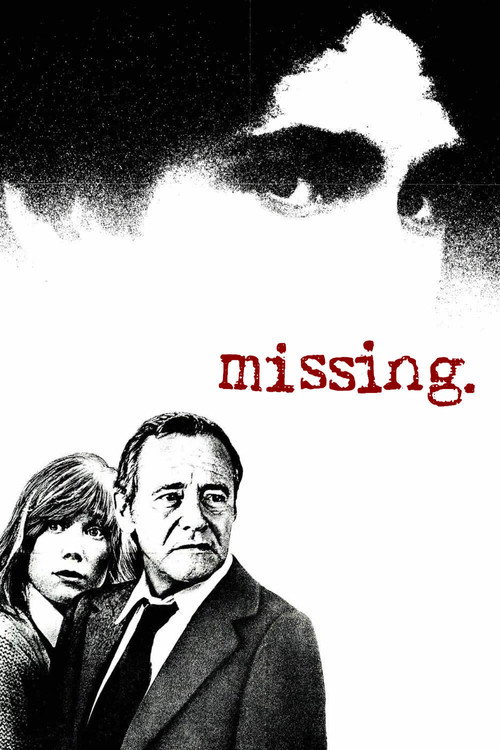
Missing1982
Costa-Gavras yet again, following an American searching for his disappeared son in Pinochet's Chile. His final statement on political terror and state machinery, rawer and more personal than The Confession's abstraction.
But It sprawls across multiple timeframes and characters; some find it less focused and more sentimental than his tighter earlier work.
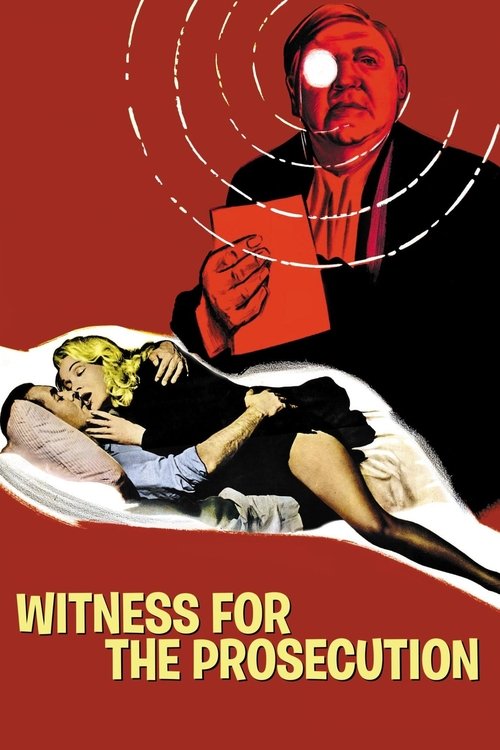
Witness for the Prosecution1957
Both films are fundamentally about how institutions (state, court) use interrogation and narrative to manufacture guilt. The machinery is different; the logic is the same.
Wilder's legal thriller about a man accused of murder, his alibi his wife—courtroom as arena where truth becomes a performance. Shares The Confession's interest in confession as extraction, in how pressure and procedure can force a narrative out of thin air.
But It's a whodunit with a twist ending; the tone is sleek and suspenseful rather than political or grieving, which might feel frivolous by comparison.
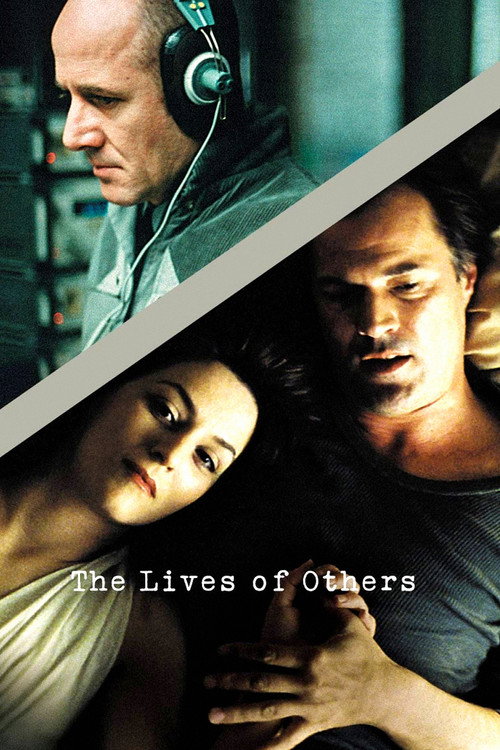
The Lives of Others2006
Both dissect the totalitarian interrogation state, but from opposite sides of the desk. Together they ask: how do people break? And who breaks first—the prisoner or the state itself?
Donnersmarck's Stasi surveillance thriller from inside the system—a secret policeman tasked with monitoring a playwright begins to fracture under the weight of what he's seeing. It's The Confession's mirror: what happens to the interrogator, not the victim, when the state demands you become a machine.
But It pivots toward redemption and moral awakening in ways some find sentimental; it lets the Stasi agent off easier than history might allow.
People
Cast
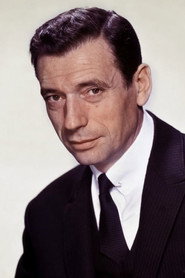 Yves MontandGérard
 Simone SignoretLise
 Gabriele FerzettiKohoutek
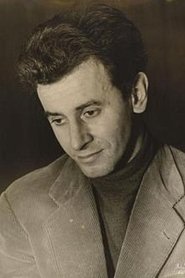 Michel VitoldSmola
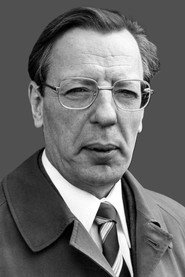 Jean BouiseBoss of Factory
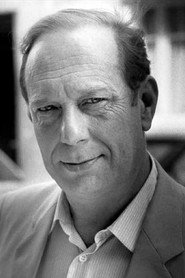 Michel BeauneLawyer
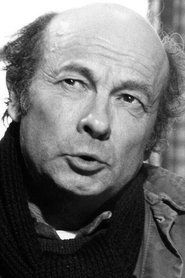 Jacques RispalFormer Secretary
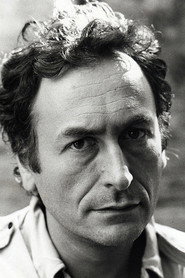 Antoine VitezCommunist Friend
 Michel RobinAttorney General
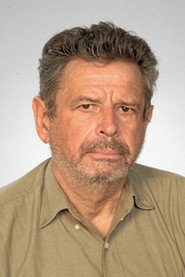 Szabó LászlóSecret Policeman
- Guy MairesseDoctor
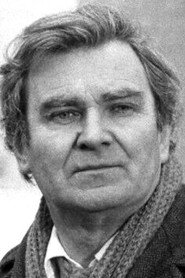 Marc EyraudPolitician
Directing
- Alain CorneauAssistant Director
- Costa-GavrasDirector
- Monique HerranScript Supervisor
Writing
- Artur LondonBook
- Lise LondonBook
- Jorge SemprúnScreenplay
Production
- Bertrand JavalProducer
- Robert DorfmannProducer
- Claude HauserProduction Manager
- Gérard CrosnierUnit Production Manager
Recommended by
Death and the Maiden, Servants, The Bloodstained Butterfly, Prescription: Murder